
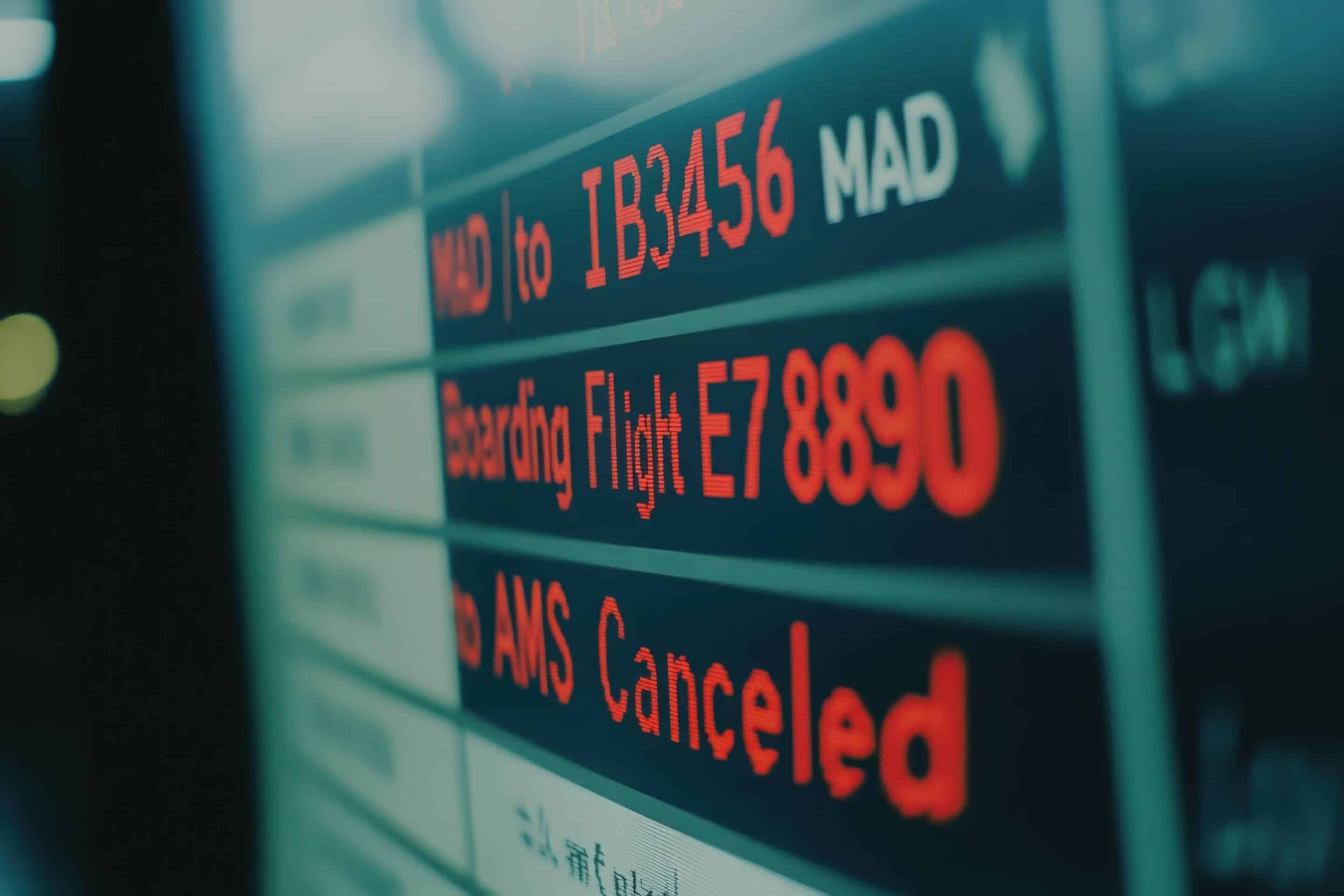
Holiday travel can feel exciting and stressful at the same time. In the last weeks of December and the first days of January, airports like Atlanta, Chicago, Denver, Dallas, Los Angeles and New York often stay busy from early morning until late at night. In past years, millions of people have gone through security every single day during this period, on top of the huge crowds that already traveled over Thanksgiving.
Even when airport and security teams say they are ready, winter weather and airline problems still disrupt trips. Snow, ice, strong winds and very cold air can make it unsafe to take off or land. That kind of weather leads to ground delays, missed connections and many canceled flights.
Large storms can sweep across wide regions and create serious problems for air travel. At the same time, airlines can run into system problems that make the situation harder for travelers and crews. In some situations, transportation officials may review how airlines handled disruptions and decide whether to take further action.
When you try to get home to your family or travel to see close friends, a very late or canceled flight feels awful. You might sit on the floor near a gate, wondering where you will sleep and how you will pay for the extra costs.
Knowing Your Rights And How To Ask For Help
We want you to know that you still have choices when your flight plan go wrong. If your flight is heavily delayed or canceled for reasons outside your control, like bad weather or internal problems at the airline, you can contact the airline and ask for specific kinds of help.
Basic Refund Rights You Should Know
In the United States, one basic rule matters a lot. If an airline cancels your flight and you decide not to travel at all, you usually have the right to get your money back. For delays, the transportation department looks at each situation and decides whether it counts as a “significant delay” that should lead to a refund. The rules still do not give one simple number of hours that always qualifies, so each case works a bit differently. (Check the latest official guidance before you rely on a particular rule.)
Because of this, we cannot promise that any airline will give you everything you want. Still, when you understand what you can reasonably ask for and you speak up clearly, you give yourself a better chance to walk away with real help instead of just a new seat on a later flight.
How To Talk To Customer Service
Whenever you contact customer service at the airport desk, on the phone, in an app chat or through social media, try to remember that the person on the other side also feels pressure. That person did not cause the storm or write the schedule. When you stay calm, use kind words and explain exactly what you need, you often unlock better options and faster answers.
A simple script can help. You might say, “My flight was canceled because of the storm. I need to reach this city by tomorrow if possible. Can you please check all options, including other routes and partner airlines?” This kind of clear request makes it easier for an agent to help you.
Getting Help With Hotels, Meals And Extra Travel Costs

The first thing we suggest you review is any extra money you had to spend only because your flight was delayed or canceled. These expenses sit on top of the price of your original ticket, and they can grow quickly during busy holiday periods.
You might have rented a car to drive to your destination, bought a train ticket, paid for a rideshare to a different airport or booked another form of transportation just to keep your trip alive. When that happens, ask the airline if it can help cover some or all of those surprise costs.
If the airline moved you to a flight the next day instead of the same day, you may also have needed a hotel and extra meals. Many travelers do not realize that they can ask about help with these needs. It is completely reasonable to walk up to the customer service desk and say, “Because of this cancellation, I now need a place to sleep and money for food. Can you help with that?”
The transportation department explains that some airlines promise stranded passengers hotel stays, meal vouchers or both, while others focus mainly on rebooking you on the next available flight. Every airline writes its own customer service plan, and those plans change over time. Before a big trip, look up your airline’s current policy so you know what they usually offer.
If the airline agrees to help, expect basic and practical support. Usually, this means a standard hotel near the airport and meal vouchers that work at that hotel or at restaurants in the terminal. If you book a high end hotel downtown and eat an expensive dinner, enjoy the experience, but do not expect the airline to reimburse that full bill.
Tracking Expenses And Using Protection Benefits
Good record keeping can make or break your claim. Save every receipt for hotels, meals, taxis, rideshares and last minute bookings. Take a quick photo of each receipt with your phone in case the paper copy gets lost or wet. When you fill out a form later or talk to customer service again, those receipts give the airline clear proof of what you spent.
You also need to understand what airlines must do and what they simply choose to do. In general, they do not pay you just because your day felt stressful. When weather causes the delay or cancellation, no rule automatically guarantees a hotel or extra compensation. Still, since the disruption started with the airline’s schedule and operations, it is fair to ask if they can share the cost you took on to keep your trip on track.
On top of what the airline may offer, look at the protection that comes from your payment method. Some payment methods include trip delay or trip cancellation coverage as part of their travel benefits. These protections may cover hotel stays, meals and basic items when you face an overnight delay, miss a connection or change plans because of covered events. (Always review the current benefit terms and limits before you count on them.)
Look for key details such as how long the delay must last, what reasons the policy covers, what the maximum reimbursement level is and how quickly you must file a claim. Most of the time you will need to submit receipts and proof of the problem, such as emails, app messages or screenshots that show the delay or cancellation.
How Your Airline Miles And Points Can Still Help You

Next, think about how your airline miles or points fit into the story. There are two main situations where you might get miles or points back, or receive extra loyalty rewards, because of a delayed or canceled flight.
The first situation is when you decide not to take the trip at all. If you used miles or points from an airline loyalty program to book your ticket and you choose to cancel before the plane leaves, ask the airline to put those miles or points back into your account. Many airlines have systems that send miles back automatically for some types of tickets, but it still helps to watch your balance.
If you do not see the miles or points return after a reasonable amount of time, reach out. You can send a message through the app, call customer service or visit the desk at the airport. Be ready to share your confirmation number and explain that you canceled a trip you booked with miles.
Something similar applies if you paid cash for a refundable ticket and you cancel before departure. In that case, you can usually ask for your money back to your original form of payment, as long as you followed the rules of that fare. Sometimes the airline may also give you a choice between a refund and a travel credit. A credit can be useful if you already know you will book another flight with the same airline.
The second situation is when the airline offers loyalty rewards as a gesture of goodwill. When a flight is canceled or heavily delayed, many airlines hand out travel credits or vouchers for future trips. That is a common first step.
How To Ask For Extra Miles Or Credits
Beyond the standard credit, you can politely ask whether the airline can add extra frequent flyer miles to your account because of what you went through. The airline does not have to say yes, but the question is fair, especially if the issue sat under the airline’s control or if you lost a full day of your vacation, missed a family event or arrived many hours late.
When you ask for extra miles or points, tell your story in a simple and honest way. You might say how long you were delayed, whether you needed to pay for a hotel or extra meals, or whether you missed something important like a wedding, a graduation or a work meeting. These details help the representative see why a goodwill gesture makes sense.
If you have elite status in that airline’s frequent flyer program, you may notice that agents try a little harder to help. Loyal travelers often bring repeat business, so the airline has a reason to keep you happy. That kind of relationship can sometimes lead to more miles, a larger travel credit or another meaningful form of help. Status never guarantees a specific result, but it can make it easier to hear a yes.
Even if you do not have any special status at all, it still pays to ask. Many travelers with no status receive something extra simply because they explained the situation calmly and asked if the airline could do a bit more. If you stay quiet, you will almost always walk away with only the basic rebooking.
What We Think You Should Remember About Delays And Refunds

You might wonder if there is a simple way to get a full refund every time your flight runs late. The honest answer is that no one size fits all rule exists right now. In the United States, the transportation department looks at whether your situation counts as a “significant delay,” but the rules do not yet give one fixed number of hours that always qualifies.
How Rules Differ In Other Parts Of The World
In Europe, a set of rules often called EU 261 gives passengers clearer rights when flights are delayed or canceled. Those rules include fixed compensation amounts in some situations. For flights that start, end or connect in the United States, the system works differently. Your rights come from a mix of general refund rules when a flight is canceled or changed in a major way, and from each airline’s contract and customer service promises.
Because of this structure, you should not expect a full refund every time a plane leaves late. If the flight still operates and you end up traveling, many airlines focus on rebooking you and may add smaller extras such as meal vouchers, bonus miles or a modest credit. They are less likely to give back the entire ticket price unless the schedule changed dramatically or the flight was canceled and you decided not to travel.
Even so, it is very important to speak up for yourself in a calm and informed way. When a flight is canceled or changed so much that your original plans no longer make sense, ask clearly about your options for a refund instead of a credit. When you deal with a long delay, ask if the airline can help with a hotel, meals, transportation, a travel credit, extra miles or a mix of these.
Stay Ready For Your Next Trip With Us
Flight delays and cancellations can make you feel helpless in the moment, but better knowledge gives you more control. When you understand your options, you stay calmer, ask better questions and choose stronger next steps. We want you to feel confident every time you walk into an airport, not just when everything runs on time.
If you would like more tips on handling schedule changes, picking smart routes, planning backup options and using your protections wisely, we invite you to join our free TheMilesAcademy community. Inside, we share simple guides, real life examples and step by step scripts you can use when you talk to airlines and travel providers, so you are not guessing what to say.
You can also use our free card finder tool to explore travel cards that fit your goals, help you earn more points and may come with useful trip protections like delay and cancellation benefits. We keep the information easy to understand, so you can compare options side by side and choose what works best for your style of travel.
When you combine what you learned in this guide with the ongoing support from our community and the tools we share, you will be better prepared the next time your flight plan go wrong. Instead of feeling stuck at the gate, you will know how to ask for help, protect your money and keep your future trips moving in the right direction.