

Air travel in 2025 has been bumpy. We have seen everyday problems like long delays and last minute cancellations, and we have also watched big news stories about safety issues on certain planes. When you add busy holiday crowds on top of that, it can feel like every trip is a gamble, especially when your holiday flight gets delayed.
There is one helpful change on your side. A newer rule from the Department of Transportation says airlines have to give automatic refunds when flights are canceled or when delays are considered significant. That means in many cases you should not have to fight for money that is already yours.
Because of all this, it is very important that we know our rights before we even pack a bag. You usually deserve more than a tiny food voucher and a tired shrug when your plans fall apart. In this guide, we walk you through what airlines do not always say out loud and what you can actually do when a flight is delayed or canceled.
Simple Planning Tips Before You Head To The Airport
Let us start with the part you can control. The choices you make before you travel can make a huge difference when something goes wrong later.
Whenever you can, book a nonstop morning flight. Flights that leave early in the day are less likely to be held up by earlier delays, and skipping a connection removes one more chance for things to break.
We also suggest booking straight with the airline when prices are close. When your ticket sits in the airline’s own system, it is usually easier to move to another flight, ask for a refund, or get help in the app. If your budget allows, you can buy a fully refundable ticket, but most of us will not do that.
A more realistic move is to pay with a travel focused payment card that includes trip delay or trip cancellation coverage. That way you may have some backup if weather or illness ruins your plans.
If you booked through a big travel website instead, you are not stuck. Download the airline’s app and add your booking so you can see your boarding pass, follow schedule changes, and sometimes switch flights or seats on your phone. Many apps now let you grab a new aisle or window seat the moment it opens, even when you are riding to the airport.
Try to travel with only a carry on bag. When you keep your things with you, you avoid lost luggage and shorter connection times are less scary. Put medicine, a toothbrush, one change of clothes, snacks, and your chargers in that bag so a delay becomes annoying instead of a disaster.
What To Ask For When Your Flight Is Late Or Canceled
If your flight suddenly shows a long delay or switches to “canceled,” it is easy to panic. Take a breath. You have tools you can use.
The Department of Transportation runs an online Airline Customer Service Dashboard. It lists what each airline has promised to give passengers when delays or cancellations are the airline’s fault, such as meal vouchers, hotel rooms, and new flights. You can look up your airline and see what they say they will do.
We suggest checking this dashboard even before you buy a ticket so you can compare airlines. Some are more generous when things go wrong. Knowing that ahead of time helps you book with the airline that gives you better help, not just the cheapest price.
If your airline breaks the promises on that dashboard, you can file a complaint with the Department of Transportation. That adds pressure on the airline to follow its own rules.
When You Can Ask For A Refund Instead Of A Credit
Now let us talk about refunds. If your flight is canceled and you decide you no longer want to travel on any of the options they offer, federal rules say you can get your money back. With the automatic refund rule, the airline should send the refund to your original form of payment without making you jump through hoops.

You may also get a refund if your schedule changes in a big way and you do not want the new plan. A schedule change is usually treated as “significant” when things like this happen:
- A domestic flight moves by more than three hours, or an international flight moves by more than six hours.
- You now leave from or arrive at a different airport than the one on your original ticket.
- The airline adds extra stops and connections to your trip.
- You are moved to a lower class of service than what you paid for.
- You are rebooked in a way that makes travel harder if you have a disability, such as being sent to a less accessible airport.
If any of these apply and you decide the new plan does not work for you, you can ask for a refund instead of a credit.
Why Cash Usually Beats Travel Vouchers
When flights fall apart, airlines often reach for one favorite tool: the travel voucher. It keeps your money tied to them and sometimes comes with rules, blackout dates, or expiration dates that help the airline more than they help you.
Here is the part many travelers do not know. If your flight is canceled, badly delayed, or oversold and you are denied boarding, the airline has to tell you that you can ask for real money instead of a voucher. You are allowed to choose cash or a check.
If the airline bumps you but still gets you to your destination within an hour of your original arrival time, you usually do not get any extra compensation. The law does not require it.
Once the delay stretches beyond that, the numbers go up. For many domestic trips, if you arrive one to two hours late, or one to four hours late on many international flights, the airline must pay at least 200 percent of your one way fare, up to 775 dollars. If your domestic arrival is more than two hours late, that can jump to 400 percent of your one way fare, capped at 1,550 dollars. The important thing is that this is meant to be paid in money, not just in travel credit.
If the delay makes you lose out on more than that amount, for example a prepaid hotel, a nonrefundable tour, or pricey ground transport, you can try to negotiate for more. You usually have up to 30 days to make your case. Once you accept a payment and sign or cash it, it is very hard to go back later and ask for more, so think carefully before you agree.
How To Get The Most From A Travel Voucher
Sometimes a voucher really does fit your life. Maybe you fly that airline often and you are sure you will use the credit soon. In that case, do not just nod at the first offer.
If an agent asks for volunteers and offers 250 dollars in travel credit, you can politely say you would help for 600 dollars instead. When a flight is heavily oversold and they need several people to move, airlines may raise the offer again and again. You can say something like, “I am happy to volunteer as long as I get the highest amount offered.”
Remember that money is not the only thing you can ask for. You might be able to get:
- An upgrade on your next trip.
- A more comfortable seat on the new flight.
- Lounge access during your long wait.
- Extra meal vouchers.
Agents do not always offer these options first. You usually have to ask. Be friendly, clear, and patient. The kinder and calmer you are, the more likely an agent is to use the tools they have for you.
Using The 24 Hour Rule To Fix Booking Mistakes

Have you ever booked a flight and then, an hour later, realized you chose the wrong date? The 24 hour rule can save you.
Many airlines let you cancel or change your booking for free within 24 hours of buying your ticket, as long as your trip is at least seven days away. This is great when you find a good price but still need to check school schedules or vacation plans with family.
Not every airline handles this rule the same way. Some allow a straight cancel and full refund within 24 hours. Others let you put a ticket on hold for about a day so the price does not change while you decide. A few airlines have even more flexible rules that let you reuse the full value of your ticket later instead of paying big change fees.
Most of the time, you need to book directly on the airline’s website or app to get the full benefit. Some big travel sites copy this 24 hour rule, but not all, and you may have to work through their customer service instead of the airline’s.
If you notice your mistake at 26 hours instead of 24, do not give up right away. Call the airline, explain clearly what happened, and ask for a one time exception. Agents cannot always say yes, but if you are polite and you are staying with the same airline, they may bend the rule for you.
Changing Flights Is Easier Now If You Know The Rules
Even if you miss that 24 hour window, you might not be stuck. After the big travel changes in recent years, many airlines removed or lowered change fees on a lot of routes and fares. That gives you more room to adjust trips when your plans move around.
However, the cheapest and most basic economy tickets can still be very strict. Some do not allow changes at all, and others charge such large fees that it hardly feels worth it.
When you shop for flights, take a moment to read the fare rules. You might see one price that is a little higher but allows free changes, and another that is lower but completely locked. If your schedule is not 100 percent firm, that slightly higher flexible fare can be the smarter choice.
Remember that when you change flights, you usually still have to pay if the new ticket costs more. If the new flight is cheaper, ask whether you will get a travel credit for the difference or if the airline keeps it.
Stuck In A Long Delay? Ask To Switch Airlines
Years ago, there was a guideline often called Rule 240. It pushed airlines to put you on another airline’s flight at no extra cost if your original flight was badly delayed or canceled. That rule is not written the same way anymore, but the idea still exists in practice.
Airlines can still move you to another airline when they have no good options left in their own system, especially during big disruption days like holidays or storms. They rarely offer this on their own, so you usually have to bring it up.
If your flight keeps getting pushed back, start looking up other flights on your phone. Check flights from your airport and, if you can, from nearby airports too. Write down two or three options that would work for you, including flight numbers and times.
Then walk up to the gate desk or customer service calmly and say something like, “Here are a few flights that could get me there today. Is there any way you can move me to one of these?” If at least one of your choices is still on the same airline, it makes things easier. If not, they might still help you if their own schedule is really a mess.
Having this homework done makes you easier to help, which can move you to the front of the mental line when an agent is dealing with dozens of stressed people.
When The Airline Changes Your Route They Pay The Difference
When an airline decides to reroute you on a different airline because of a big delay or cancellation, you should not have to pay anything extra.
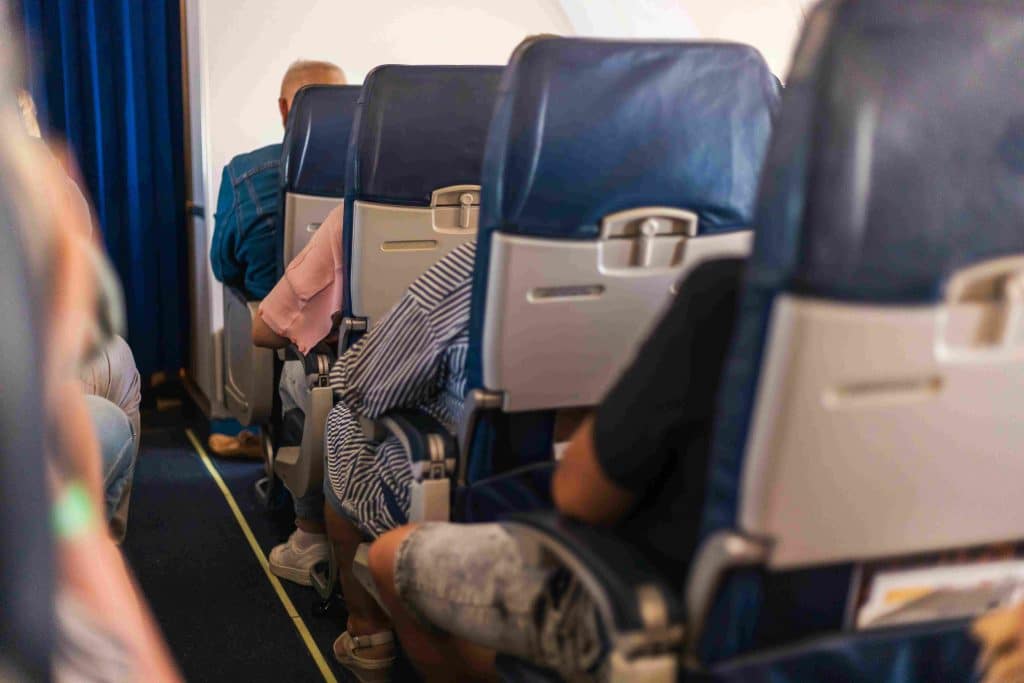
Whether the new seat is in the same cabin you booked or in a nicer section because that is all that is left, the first airline is responsible for the price difference and any extra booking fees. You are not expected to cover that gap.
If you end up in a better seat for the new flight, enjoy it.
How Your Old Ticket Can Still Be Worth Something
In some cases, after the airline moves you to a different airline or gives you another way to get to your destination, your original unused ticket still has value.
You can sometimes think of that original ticket like a travel credit that you earned for putting up with all the hassle. In other situations, you might decide you are finished with that airline and want your money back instead.
That is when something called an involuntary refund can come up. This is when you tell the airline, “This change was not my choice. You canceled or changed my flight in a big way, and I want a refund for that original trip.”
Be extra clear at the airport. Some agents might try to cancel your old ticket in the system while they work on new plans, and many travelers assume that is normal. If you want the option to use that ticket later or to ask for an involuntary refund, say plainly that you do not want the original reservation canceled without talking about it first.
When A Nonrefundable Ticket Can Still Get You A Refund
The phrase “nonrefundable ticket” sounds final, but it does not always mean you can never get your money back.
If the airline cancels your flight, makes a long delay, changes your schedule by hours, or turns a nonstop into a connecting trip you never wanted, you may have the right to a refund even on a nonrefundable fare.
The key is how big the change is. A shift of ten or fifteen minutes usually will not count. A move of several hours, a new layover city, or a different airport is a much stronger reason to ask for your money back.
When you see a schedule change email, compare your old times and your new times side by side. If the new plan will cause you to miss work, lose a hotel night, or show up in the middle of the night instead of the afternoon, reach out to the airline and ask for a refund because the change is too big for you.
Getting Bag WiFi And Seat Fees Back After A Problem
The newer Department of Transportation rule also helps with more than just the main ticket price.
If your checked bag is delayed and does not show up within a certain time window, you can get your bag fee back. For many domestic flights, that window is 12 hours after the plane arrives at the gate. For international trips, it can range from about 15 to 30 hours depending on how long the flight is.
You may also be able to get refunds for extra services you paid for but did not receive because of a delay or cancellation. That can include paid seat choices, onboard WiFi that did not work, or special early boarding that became useless once the schedule fell apart.
Keep your receipts and email confirmations in one place. When you can clearly show what you paid for and how the airline did not deliver it, it is easier for them to approve your refund.
Flying In Europe? Your Rights Can Be Even Better
If you are flying within Europe, or if your trip starts at an airport in the European Union and goes to another region like the United States, you may have even stronger rights.
When a flight is canceled or heavily delayed for reasons the airline controls, European rules often require the airline to provide food and sometimes hotel stays while you wait. In many cases you can also get your full ticket price refunded within a set number of days, often around a week.

On top of that, European law sets fixed amounts for delay compensation in many situations. Short flights that are delayed by several hours can trigger payments of about 250 euros, while long flights between Europe and other parts of the world can sometimes lead to payments of up to 600 euros if they are badly delayed or canceled.
These protections often cover trips to and from certain European islands and territories, including some in the Caribbean. Because these rules can be complicated and can change, always check the latest information before you make a claim.
Why A Delayed Bag Is Worth More Than A Small Voucher
When your suitcase is delayed but not marked as lost, airlines might offer a small daily amount, like 25 or 50 dollars, to help you buy basics. That can feel nice in the moment, but it may be a lot less than you are really owed.
For many domestic trips inside the United States, airlines can be responsible for up to 3,500 dollars in baggage liability. To ask for that level of help, you need to show what you had in the bag and why you needed those things before the suitcase finally arrived.
That usually means saving receipts for essential items you had to buy to keep your trip on track, such as a suit for a wedding, warm clothes for a ski trip, or business outfits for a big meeting. The closer those purchases are to the reason you are traveling, the stronger your case becomes.
This is not a free shopping trip. If you buy random luxury items that do not match your situation, the airline might refuse to cover them. Focus on reasonable replacements that you truly needed while your bag was missing.
How Gate Checking A Small Bag Can Save You Money
If you bring a small or medium carry on bag that fits in the overhead bin but you do not mind sending it below the cabin, you can sometimes save money by gate checking it.
When a flight is full and bins are packed, gate agents often ask for volunteers to check bags for free so boarding goes faster. If you step up, you can avoid paying a normal checked bag fee and build a little goodwill with the crew at the same time.
This trick works best on airlines where a normal carry on is already included in the main fare. On airlines that charge just to bring a bag onboard, you may still pay that fee even if you hand the bag over at the gate. Some strict basic economy tickets on larger airlines can also add extra charges for gate checked bags.
No matter what, keep your most important items in a smaller personal bag under the seat. That means your wallet, passport, keys, medicine, and anything you cannot afford to lose or be without for a day.
Stuck On The Tarmac For Hours? You Have Options
Being stuck on a plane that is not moving is one of the most frustrating parts of flying. To keep passengers from being trapped for too long, the Department of Transportation sets time limits on how long an airline can keep you sitting on the tarmac.
For most domestic flights, the airline cannot keep you on the aircraft for more than three hours without giving you the chance to get off, unless there are special safety or air traffic reasons that make it impossible. For many international flights, that limit is four hours.
After about two hours, the airline has to offer food and water and make sure you can use the restroom and get basic medical help if needed. If you are stuck on the ground and the clock is getting close to those limits, you can politely ask the crew what your options are.
Why Buying Group Tickets Together Can Cost You More
Planning a big group trip for a birthday, reunion, or bachelorette party can be fun, but there is a sneaky way it can cost more than it needs to.

Airlines sell seats in price levels. Imagine there are two seats left at 99 dollars and several more seats in the next level at 299 dollars. If you try to buy four tickets in one purchase, the booking system looks for a price level that can handle all four at once. It will skip the 99 dollar level and charge all four tickets at 299 dollars, leaving the two cheaper seats for someone else.
A simple trick is to search for one seat first to see the cheapest price. Then buy one or two seats at that price, check again, and repeat. You may end up with slightly different prices across the group, but your total cost will almost always be lower than if you bought all the seats in one click.
How To Get Better Seats Without Paying More
Extra legroom and nicer seats can make a huge difference on a long flight, especially around the holidays when everyone is tired. You do not always have to pay more if you time your request well.
Exit row seats and other preferred spots in the main cabin are often left empty until close to departure because airlines want to sell them. Once the gate agents see how many people actually show up, they sometimes need to hand out those seats quickly.
If you have elite status with an airline, you may already see free or cheap upgrades to these spots. Even without status, you can walk up to the gate desk shortly before boarding and kindly ask if any exit row or extra legroom seats are open.
These seats are sometimes held for off duty crew members traveling on work passes, so it will not work every time. But polite, simple requests like “If you need to move anyone into an exit row, I am happy to help” can sometimes land you a much better seat.
You usually have less luck at the main check in counter, where agents are dealing with many flights at once. Gate agents focus on one flight at a time and can see exactly which seats are free.
How Your Payment Cards Can Help With Delays And Bags
Many airline linked travel cards and general travel rewards cards include helpful perks that tie directly into flight problems.
Some cards let you check one or more bags for free when you pay for your ticket with that card and follow their rules. Others offer trip delay, trip interruption, or baggage delay coverage, which can pay you back for hotel stays, meals, or emergency items when your trip is badly disrupted.
Before you buy separate travel insurance from an airline, log in to your payment card account or call the number on the back of the card. Ask which travel protections are already included. You might already have coverage for delays, cancellations, or missing bags without paying extra.
Just remember that these protections do not cover everything. They will not pay you back if you simply sleep through your alarm or change your mind the night before. Read the details so you know what documents you will need, like receipts and delay notices, if you ever have to file a claim.
When you combine this kind of knowledge with a calm attitude and a bit of preparation, you are in a much better position the next time a holiday flight gets delayed and tries to ruin your 2025 trip.
Get Extra Travel Help From Our Free Community
If you want more help getting ready for trips, you do not have to figure everything out alone. In our free TheMilesAcademy community, we talk through real life problems like delayed flights, lost bags, and last minute schedule changes. You can ask questions, share your own stories, and learn simple steps that other travelers use to protect their time and money.
Inside the community, we also walk you through smarter ways to pay for travel so you can make the most of your points, miles, and protections. You can try our free card finder tool to match your travel goals with payment cards that offer helpful perks, like built in trip coverage and rewards you can actually use.
When you combine those tools with the tips in this guide, you put yourself in a much stronger position the next time your holiday flight gets delayed and your plans are suddenly up in the air.