

Holiday flying in 2025 can feel wild. Airports are packed, rules change fast, and one small delay can throw off your whole day. Still, your trip does not have to feel like a disaster. When we slow down, plan ahead, and use a few simple airport tricks, we can turn a stressful travel day into one that feels calm and organized.
In this guide, we walk you through 9 airport tricks that work well during busy holiday seasons and long weekends. Our goal is to help you move through the airport faster, avoid common problems, and arrive at your destination in a better mood.
When Airports Are At Their Busiest
Airports see the heaviest crowds around big holidays. In North America, the days just before Thanksgiving and the Sunday after are usually some of the busiest days of the whole year. Security lines can stretch far back, and waiting for check-in or baggage drop can take much longer than normal.
The same thing happens again in December. From early December until the first week of January, many airports feel full almost every day. People fly to visit family for Christmas and New Year, head off on winter breaks, or come home from long trips abroad.
Peak Holiday Periods And Slower Travel Days
Other long weekends also bring crowds. Memorial Day, the early July holidays, and Labor Day weekends often fill terminals with travelers who are taking advantage of an extra day off from school or work.
If you want quieter airports and cheaper tickets, it helps to look at low season and shoulder season. These are times when fewer people travel, so airlines are more likely to offer lower prices. In many parts of Canada, the United States, and Europe, slower months often run from late fall into early spring, roughly November through March or April. Some warmer places, like sunny coastal states or tropical islands, can stay busy even in winter, so those areas may not see the same drop in demand.
You can also save time and money by flying on less popular days. Many travelers like to fly on Fridays and Sundays, which can make those days more crowded and more expensive. If you can, try booking a Tuesday or Wednesday flight. These midweek days often have shorter lines and better prices.
Planning Ahead For Peak Season Flights
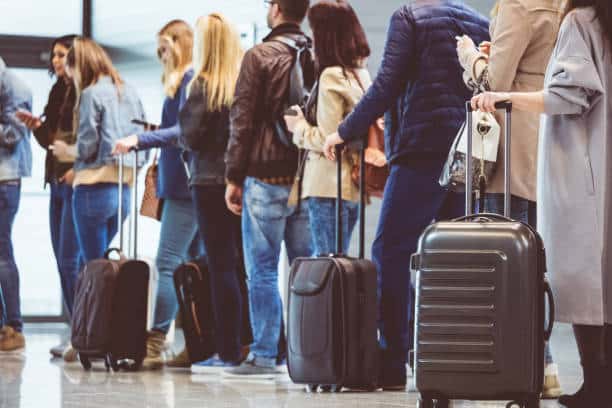
When you know airports will be full, it helps to treat your trip like a small project. Industry forecasts still expect billions of people to fly each year. That means crowded terminals, fuller planes, and more bags moving through the system. More people usually lead to higher prices, fewer empty seats, and more pressure on security and baggage teams.
To stay ahead, you want to make key choices before your travel day. Think through your trip in order, from leaving your home to arriving at your hotel or friend’s house. Plan how you will get to the airport, how early you should arrive, where you will keep your documents, and what you will do if a flight is delayed.
A small checklist can help. Write down the important steps, such as checking in online, charging your phone, filling your water bottle after security, and downloading movies or shows. That way, even if you are tired or rushed, you do not forget simple things that make your travel day much easier.
Getting Through Airport Security Faster
1. Sign Up For Faster Security And Arrival Lanes
If you often fly to or from the United States, you may be able to enroll in trusted traveler style programs that give you access to special security and arrival lines. These programs are designed to move pre-approved travelers through checkpoints more quickly, which is especially helpful during the holiday rush.
One type of program focuses on security for departing flights. Travelers who are approved often do not need to take off shoes or light jackets, and they can usually leave small liquids and laptops inside their bags. Another type of program helps when you arrive in the United States from another country. Instead of waiting in the regular passport line, you can use kiosks or dedicated lanes to clear passport control faster.
Usually, citizens and permanent residents of the United States have access to these options, and in some cases, citizens from partner countries can apply as well. The normal process includes filling out an online form, paying an application fee, and going to an interview at an enrollment center. Before you apply, check which airports and airlines support the program you are interested in, because not every airport offers the same services.
Details such as fees and rules can change, so always review the latest information on the official government site before you apply or renew.
Signing up takes a bit of time, but once you are approved, the shorter lines and easier checks can save you many hours over multiple trips.
2. Learn What Can Go In Your Carry-On
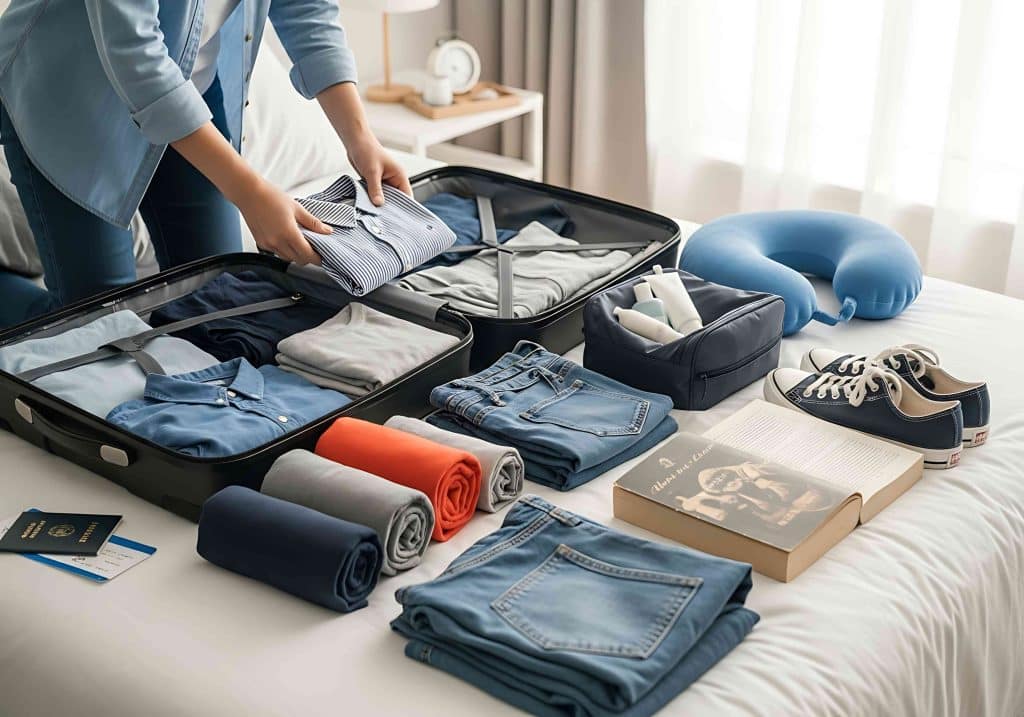
Security rules are strict about what you can bring in your hand luggage. When you pack your carry-on, it helps to think like a security officer who is checking hundreds of bags each hour.
Most airports limit liquids, gels, and aerosols in carry-on bags. A common rule is that each container must be 100 milliliters or less (about 3.4 fluid ounces), and all containers must fit into one small, clear plastic bag. That includes things like shampoo, lotion, face wash, and some types of makeup.
Holiday foods can also cause trouble. Items like gravy, cranberry sauce, soft jams, and bottles of wine often count as liquids or gels, even if you think of them as food. If you put a large jar or bottle in your carry-on, security staff may take it away. To avoid that problem, pack these items in checked luggage in well wrapped containers, or plan to buy them when you arrive.
Rules can change as new machines and scanners are added, and different countries may use slightly different limits. Before every trip, take a few minutes to visit your airport or government security website and read the latest rules. This simple step can keep you from having to unpack and repack your bag in front of a long line of tired travelers.
3. Keep Your Documents Organized And Handy
Your travel documents are just as important as your suitcase. A missing or expired document can stop your trip before it even starts.
A few weeks before you travel, check the basics. Make sure your passport is valid for long enough beyond your planned return date. Some countries require at least three or six months of remaining validity. Read up on visa rules and see whether you need to apply early or fill out an online form before you fly. Also check if your destination has any special health or vaccination rules.
Because entry rules can change, do not rely on what you remember from previous trips. Always check fresh information on the official government or embassy website.
Once you know what you need, put everything in one place. Use a simple travel wallet, a zip pouch, or a clear folder to hold your passport, boarding passes, visa pages, and health documents. Keep this wallet in an easy to reach pocket of your personal bag. That way, when a staff member asks for a document, you can take it out in seconds instead of digging through your backpack or suitcase.
4. Pick The Security Line That Moves Faster
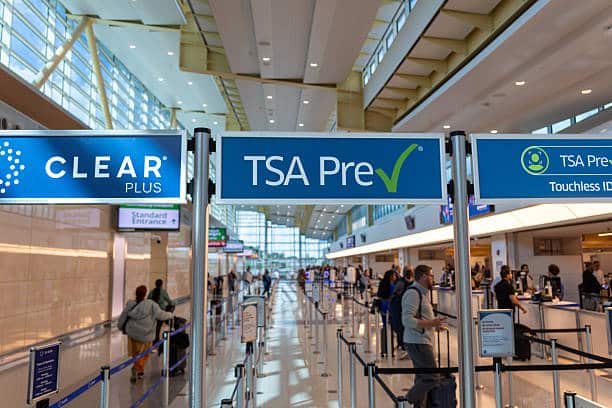
Small choices at the airport can save a surprising amount of time, and choosing a security line is one of them.
When people walk into a big security area, most of them turn to the right without thinking. This habit often makes the right side lines longer and slower. A simple trick is to pause for a moment, look at all the lines, and then pick one on the left side if it looks shorter.
You can also watch who is in front of you. Lines with many families who have strollers or lots of bags may move slower than lines with mostly solo travelers or people who look ready with their items in trays.
This tip will not work every single time, but it costs nothing and can give you a few extra minutes to fill your water bottle, use the restroom, or grab a snack before boarding.
Saving Time, Money, And Stress At The Airport
5. Check In Online Before You Leave Home
Online check-in is one of the easiest airport tricks you can use, and many travelers still skip it. Most airlines open online check-in around 24 hours before departure, and some open it even earlier.
When you check in from your phone, tablet, or computer, you can confirm your seat, add loyalty details, and review baggage rules. After that, you can either print your boarding pass or save a digital pass to your phone.
If you are traveling with carry-on only, online check-in lets you walk straight to security when you arrive at the airport. If you need to check bags, you can often use a faster bag drop line instead of waiting in a full-service line with people who still need to check in.
Online check-in is especially helpful for families and groups. You can make sure everyone has a seat, and you can fix small problems before you leave home instead of trying to solve them at a busy check-in desk.
6. Use The Airline App As Your Travel Control Center
Many airlines offer free apps, but a lot of people only download them to store their boarding pass. These apps can do much more, and learning how to use them can remove a lot of stress from your travel day.
Most airline apps show live flight status, including delays, gate changes, and boarding times. Often, the app updates before the screens in the airport do. Some apps also show where your checked bag is in the journey, such as when it is loaded onto the plane.
You may also be able to change seats, join a same day standby list, or ask for help through in-app chat instead of waiting in a long line at the gate. Sometimes, airlines even send special offers or small digital vouchers through the app.
Before your trip, log in, explore the menus, and turn on notifications. Then, keep an eye on alerts during your travel day so you can react quickly if something changes.
7. Travel With Less Luggage When You Can
During busy seasons, baggage systems have a lot to handle. One of the best ways to lower your risk of lost or delayed bags is to travel with carry-on only, especially for shorter trips.
Traveling light does take planning. You need to pack clothes that mix and match, plan to rewear some pieces, and use travel sized bottles that meet liquid rules. Still, the benefits are big. You skip long check-in lines, you do not have to wait at baggage claim, and you keep your most important items with you at all times.
If you really do not want to deal with a suitcase at the airport, you can look into luggage shipping services. These companies pick up your bag from your home and send it directly to your hotel or rental. When you land, you move through the airport with only a small backpack or purse.
If you choose this option, compare prices and delivery times, and read recent reviews. Also, check what happens if a shipment is delayed so you know how the company handles problems.
8. Carry A Portable Charger So Your Phone Stays Alive
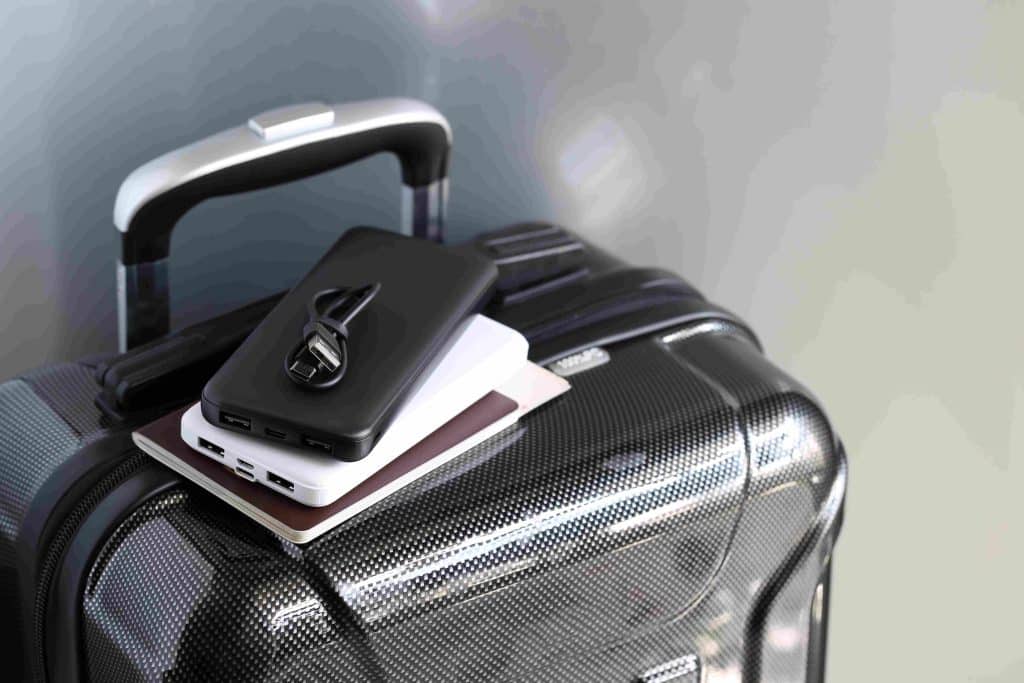
Our phones now hold almost everything we need for travel: boarding passes, hotel information, ride pick up details, maps, and more. If your battery dies in the middle of a busy travel day, it can cause real problems.
To avoid this, pack a fully charged portable charger, also called a power bank, and the right cables for your devices. Try to choose a charger that can fully charge your phone at least two or three times. If you also use a tablet, headphones, or another device, pick a charger with more than one output so you can charge several items at once.
Airport outlets and charging stations are not always easy to find, and sometimes they do not work. When you have your own power bank, you can sit wherever you like and still keep your phone and other devices ready.
9. Wear Clothes That Make Security And Flying Easier
Your airport outfit has a bigger effect on your day than many people realize. Complicated shoes, heavy jewelry, and clothes with lots of metal pieces can slow you down at security and make you uncomfortable on the plane.
For a smoother trip, choose comfy clothes made from soft fabrics, and use layers so you can adjust to changing temperatures. The airport might feel warm, the plane can be cool, and your destination could be different again. A simple combination, like a T-shirt or light top, a sweater or hoodie, and a lightweight jacket, gives you options.
Slip-on shoes or simple sneakers are easier to take off and put on during security checks. Try to avoid big belt buckles, metal studs on jeans, or heavy accessories that might set off metal detectors.
Even underwire bras can sometimes trigger extra checks. In some airports, including places like Dublin Airport, security staff may also ask you to remove bulky sweaters or hoodies before you walk through the scanner. Knowing this in advance helps you choose an outfit that keeps you comfortable and speeds things up.
If you want more ideas, you can look for general packing and outfit guides that focus on cozy socks, simple matching sets, and layering tricks that work well for long flights.
Bonus Airport Trick

After you have done all this work to move smoothly through the airport, there is one more step that can make your day even easier. Plan how you will get from the airport to your final stop before you leave home.
If you wait until you arrive, you might have to stand in a long taxi line or try to figure out local buses or trains while you are tired and maybe a bit jet lagged. Instead, you can book a ride in advance with a local car service, shuttle, or trusted private transfer company.
Many professional drivers who work at big airports watch flight information and adjust your pick up time if your plane is early or late. They also know the best meeting spots inside the terminal and the fastest routes into the city, which can save time during busy hours.
This kind of service is helpful for families with young kids, travelers carrying a lot of luggage, or anyone arriving late at night. It can also feel safer and more relaxing when you land in a new country for the first time.
In some areas, choosing a ground ride instead of a short flight between nearby cities can save money and lower your environmental impact. When you plan your trip, take a moment to compare flying and driving for each leg. Look at total travel time, price, and how tired you might feel at the end.
Keep Leveling Up Your Travel Skills With Us
Once you start using these airport tricks, your travel days will feel smoother and less stressful. If you want more help planning future trips, you do not have to do it alone. You can join our free TheMilesAcademy community, where we share simple lessons, real life examples, and step by step guides to help you get better at planning flights, finding deals, and making the most of every journey.
Inside the community, you can ask questions, learn from other travelers, and see how different people use rewards, points, and smart planning to reach their goals.
You can also use our free card finder tool to match your everyday spending and travel plans with different types of cards in a safe and simple way. It helps you compare options side by side, understand the main features, and see which choices might fit your style of travel, all without guessing on your own.
If you are ready to keep your future airport days calm and organized, come join us in the free TheMilesAcademy community and try our free card finder tool as your next step.