
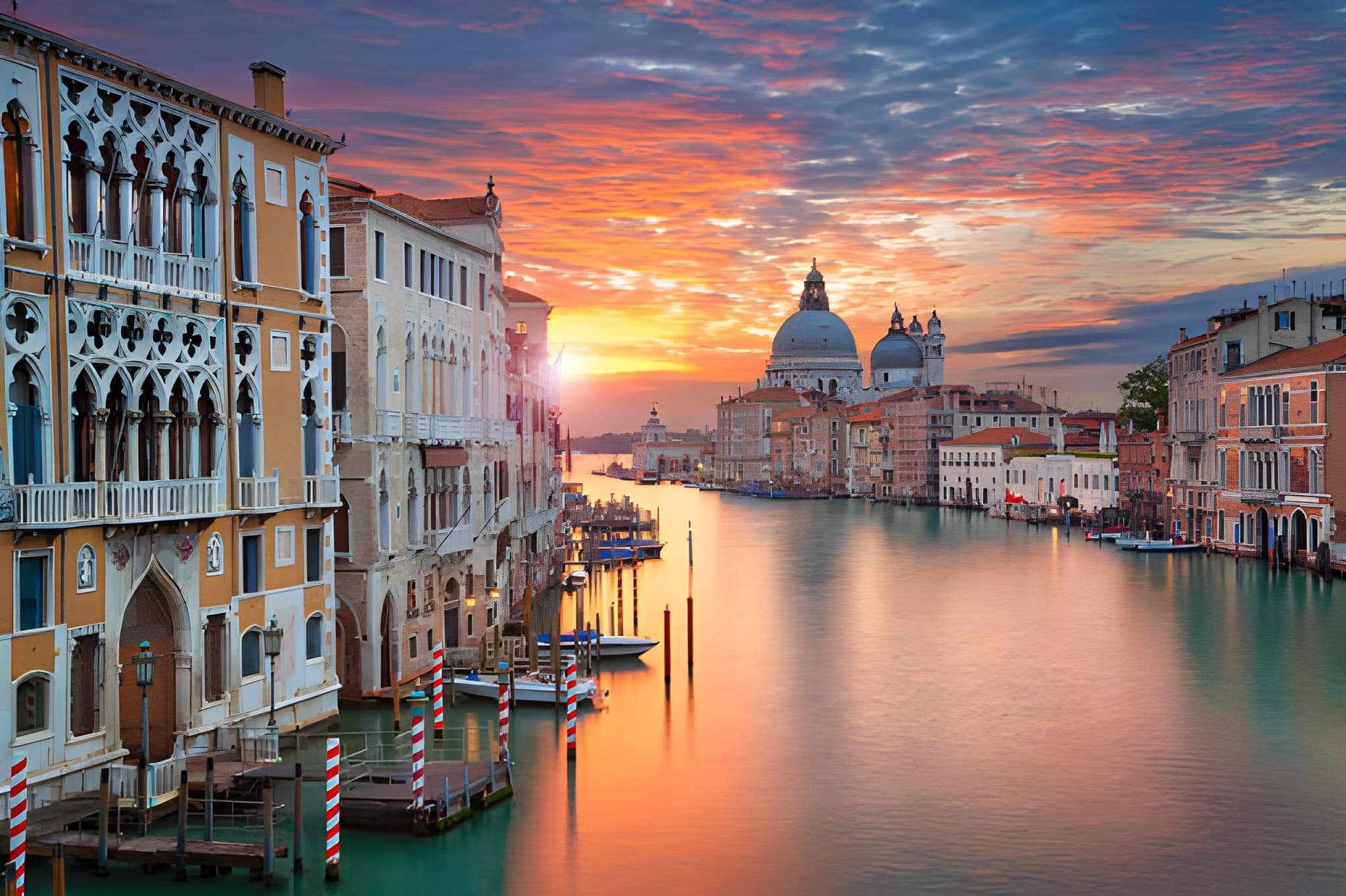
Europe still has cities where history sits right in front of you, and daily costs stay manageable. These places weren’t built for visitors. They’ve lived in, worked in, and been shaped by centuries of trade, war, and rebuilding. That’s why they stay affordable. You’re not paying a premium for spectacle. You’re paying local prices in places that happen to be old.
For travelers who care about value, the pattern is consistent. Walkable historic centers. Public transit that costs pocket change. Food meant for residents, not souvenir menus. Below are eight cities that hit that balance hard, with details that matter once you land.
What “Cheap” Looks Like On The Ground
| City | Typical Daily Spend | Central Hotel | Meals | Why It’s Worth Your Time |
|---|---|---|---|---|
| Riga | $65–85 | $35–60 | $8–25 | Art Nouveau streets and medieval core |
| Vilnius | $70–90 | $40–65 | $10–28 | One of Europe’s largest old towns |
| Warsaw | $75–95 | $45–70 | $12–30 | Meticulous postwar reconstruction |
| Kraków | $80–100 | $50–75 | $15–35 | Preserved medieval layout |
| Gdańsk | $70–90 | $40–65 | $12–28 | Hanseatic port heritage |
| Lisbon | $85–110 | $55–80 | $18–40 | Age of exploration landmarks |
| Porto | $75–95 | $45–70 | $15–32 | Riverfront medieval districts |
| Zagreb | $70–90 | $40–65 | $12–30 | Upper Town history without crowds |
These numbers assume walking most places, eating locally, and staying near the historic center.
Riga
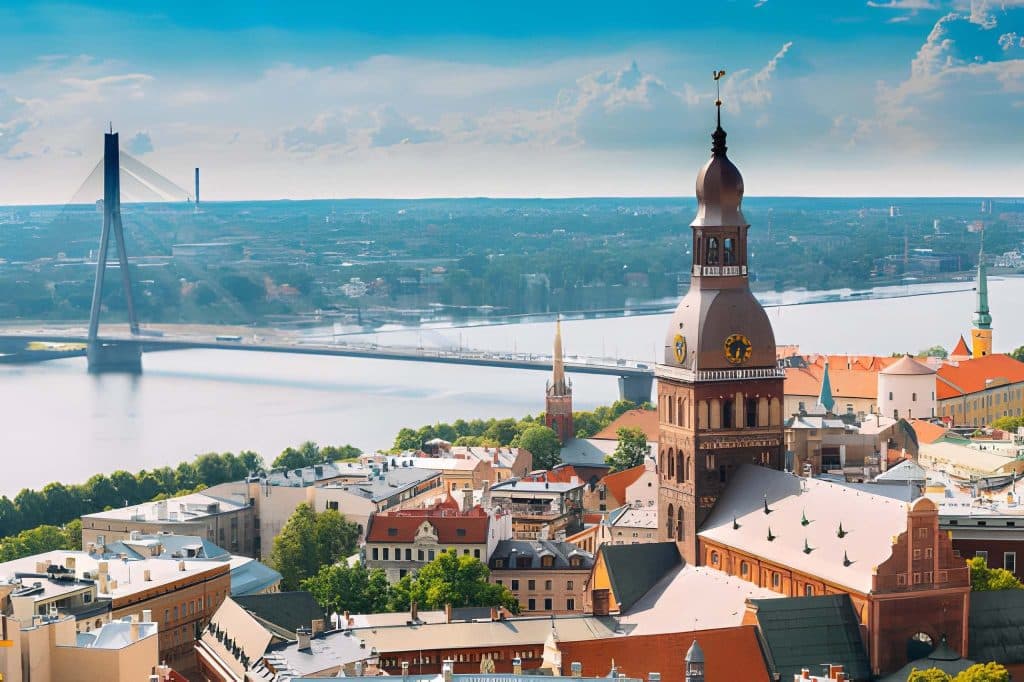
Riga surprises people because it doesn’t pick a single era. One block gives you medieval guild halls. The next hits you with ornate early-20th-century apartment buildings packed with carved faces and iron balconies.
Costs stay low because the Old Town is compact. You’re not paying for transport. Churches charge modest entry or nothing at all. Cafés serve full meals for less than museum tickets elsewhere in Europe. Spend time wandering outside Vecrīga into the Art Nouveau district, and you’ll see why architects travel here just to walk.
Vilnius
Vilnius works best at an unhurried pace. Its historic center stretches wide rather than tall, filled with courtyards, churches, and side streets that still feel residential.
You notice the savings immediately. Coffee costs less than bottled water in Western capitals. Lunch menus cater to students and office workers, not tour groups. Many landmarks, like hilltop viewpoints and church interiors, don’t charge admission. Even paid sites cost little enough that you don’t second-guess stepping inside.
Warsaw
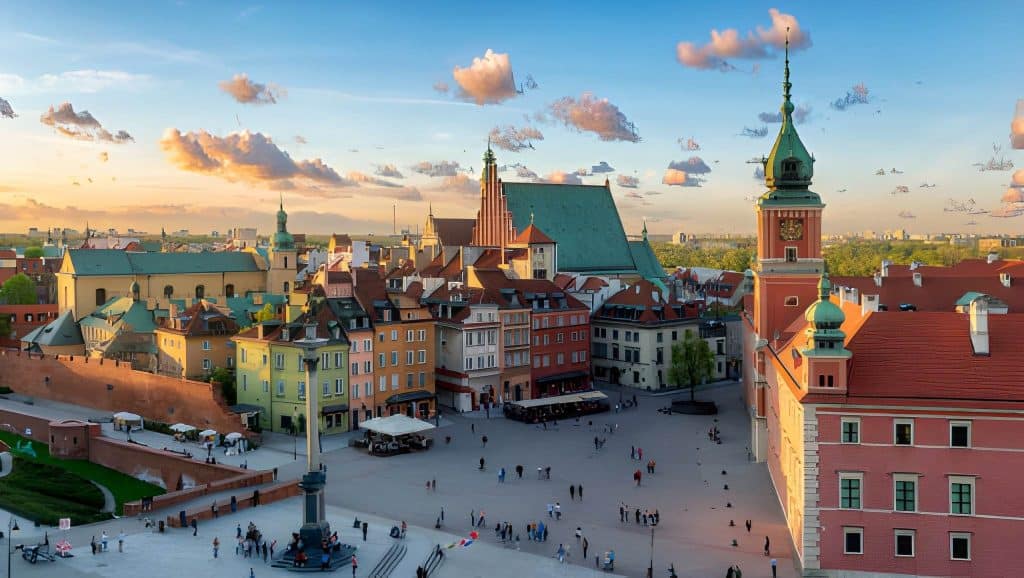
Warsaw’s Old Town looks centuries old, but most of it was rebuilt brick by brick after World War II. That context changes how you experience the city. Museums focus on survival and reconstruction, not gloss.
Prices reflect a working capital, not a museum town. Neighborhood bakeries and milk bars feed locals daily. Public parks sprawl across the city and cost nothing. You can spend an entire day learning about modern European history without spending more than a casual dinner back home.
Kraków
Kraków stands out because its historic core survived the war largely untouched. The streets curve naturally. Churches sit where they’ve always sat. The market square still functions as a meeting place, not just a photo stop.
Daily costs stay predictable. You walk everywhere. Street food fills you up for a few dollars. Museums offer tiered tickets so you can choose depth without overpaying. Base yourself near the old town or Kazimierz, and you won’t need transit at all.
Gdańsk
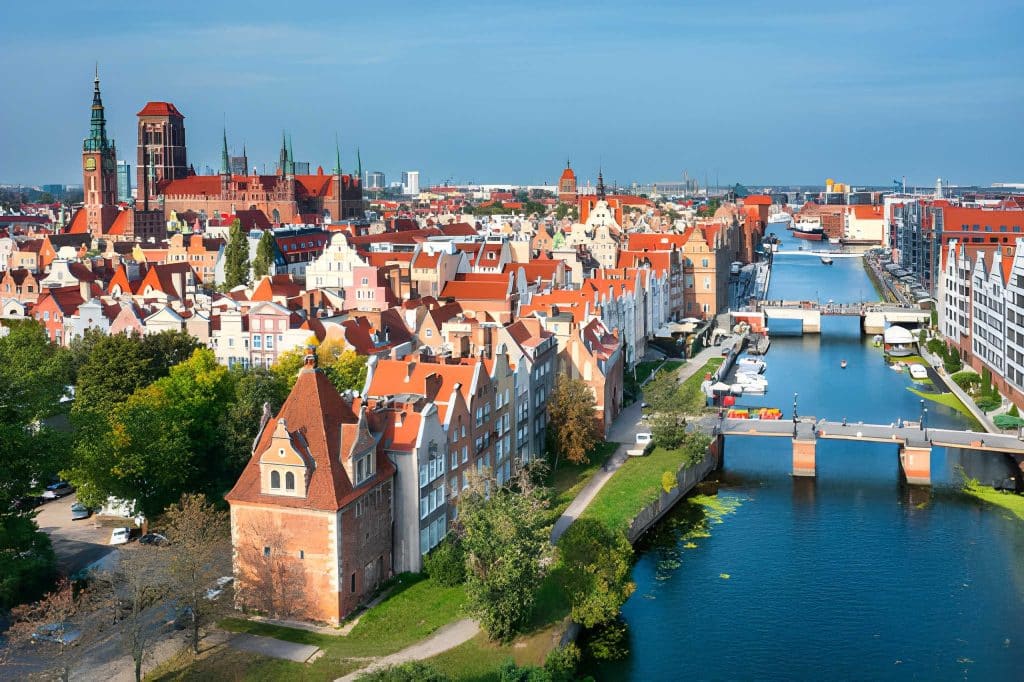
Gdańsk doesn’t feel royal or ceremonial. It feels commercial, which makes sense given its past. This was a trading city long before modern borders existed.
The rebuilt Old Town mirrors its Hanseatic roots, with tall merchant houses and wide market streets. Prices follow local demand. Seafood is affordable. Beer is cheaper than soda in many places. The city’s scale means you can see the main historic areas in a couple of days without rushing or overspending.
Lisbon
Lisbon’s landmarks tie directly to global exploration, but daily life still runs at neighborhood speed. Trams carry commuters, not just visitors. Bakeries open early for locals heading to work.
Costs stay reasonable if you eat where residents eat and walk the hills instead of relying on rides. Viewpoints scattered across the city give you free panoramas. Alfama’s narrow streets reveal layers of Moorish and medieval planning without requiring a ticket.
Porto
Porto works best when you stay near the river. The historic center rises steeply from the Douro, with churches, bridges, and warehouses stacked into the hills.
Food here is filling and priced for workers. Lunch menus remain one of the best values in Portugal. Many sights cost nothing beyond the effort of climbing. Even paid attractions, like palaces and towers, charge modest fees compared to similar sites elsewhere.
Zagreb
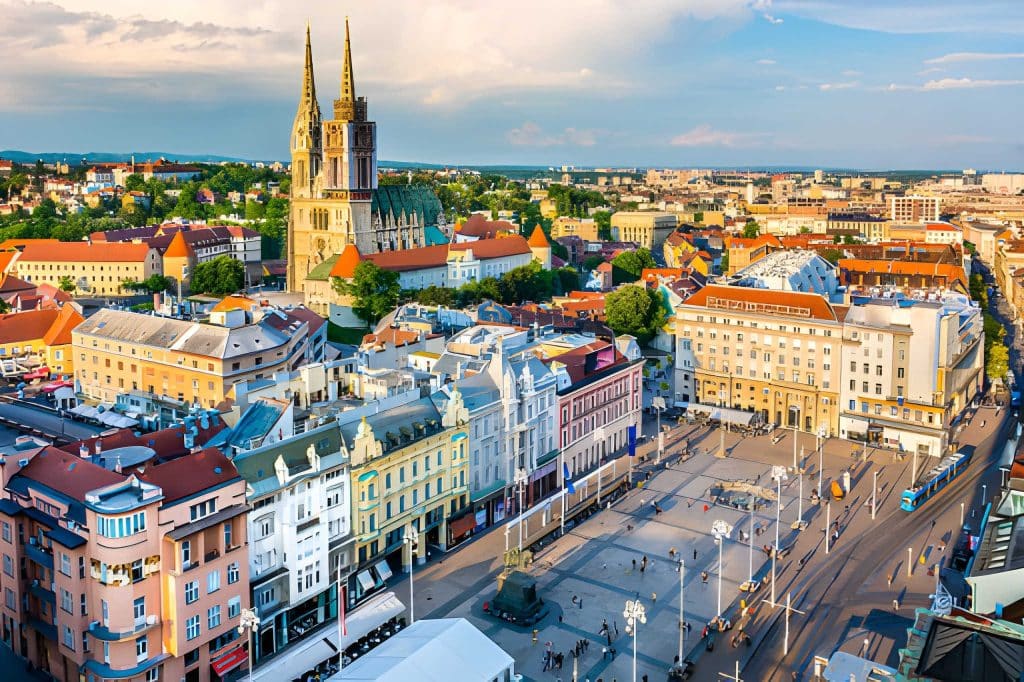
Zagreb doesn’t push a single iconic attraction. Its appeal comes from how much history still blends into daily routines. Markets open early. Trams rattle through streets they’ve used for generations.
Upper Town holds medieval gates, tiled roofs, and quiet squares, all walkable in an afternoon. Prices stay grounded because the city serves residents year-round, not seasonal crowds. You can spend hours exploring without buying anything beyond coffee.
How We Keep Costs Low Without Cutting Corners
Over decades of traveling this way, a few habits make these cities even cheaper.
Stay just outside the main square, not miles away. Prices drop fast after two blocks. Eat your biggest meal at lunch when menus target locals. Walk whenever possible. Historic cities were built before cars, and that works in your favor.
When flights are involved, flexibility matters more than loyalty. We compare cash fares against points redemptions every time. Sometimes paying outright wins. Other times, using points removes the biggest expense entirely. Airports don’t care how you paid once you’re through security.
Why These Cities Work So Well Together
These destinations share something important. History isn’t locked behind barriers. You encounter it on your way to dinner, while crossing a square, or climbing a hill for a view. That keeps costs down and experiences richer.
If your goal is castles, churches, old streets, and stories that feel grounded rather than staged, these eight cities deliver without punishing your budget. They reward curiosity, walking shoes, and a willingness to slow down. That combination rarely gets expensive, and it rarely disappoints.
Learn How To Travel Historic Europe Without Overpaying
Inside The Miles Academy, our group breaks down how cities like these stay affordable in real life, where to stay, when to fly, and how to keep daily costs low without sacrificing history or walkability.
When you’re comparing flights into secondary European cities and deciding whether cash or points make more sense, this card finder tool helps you choose faster.