
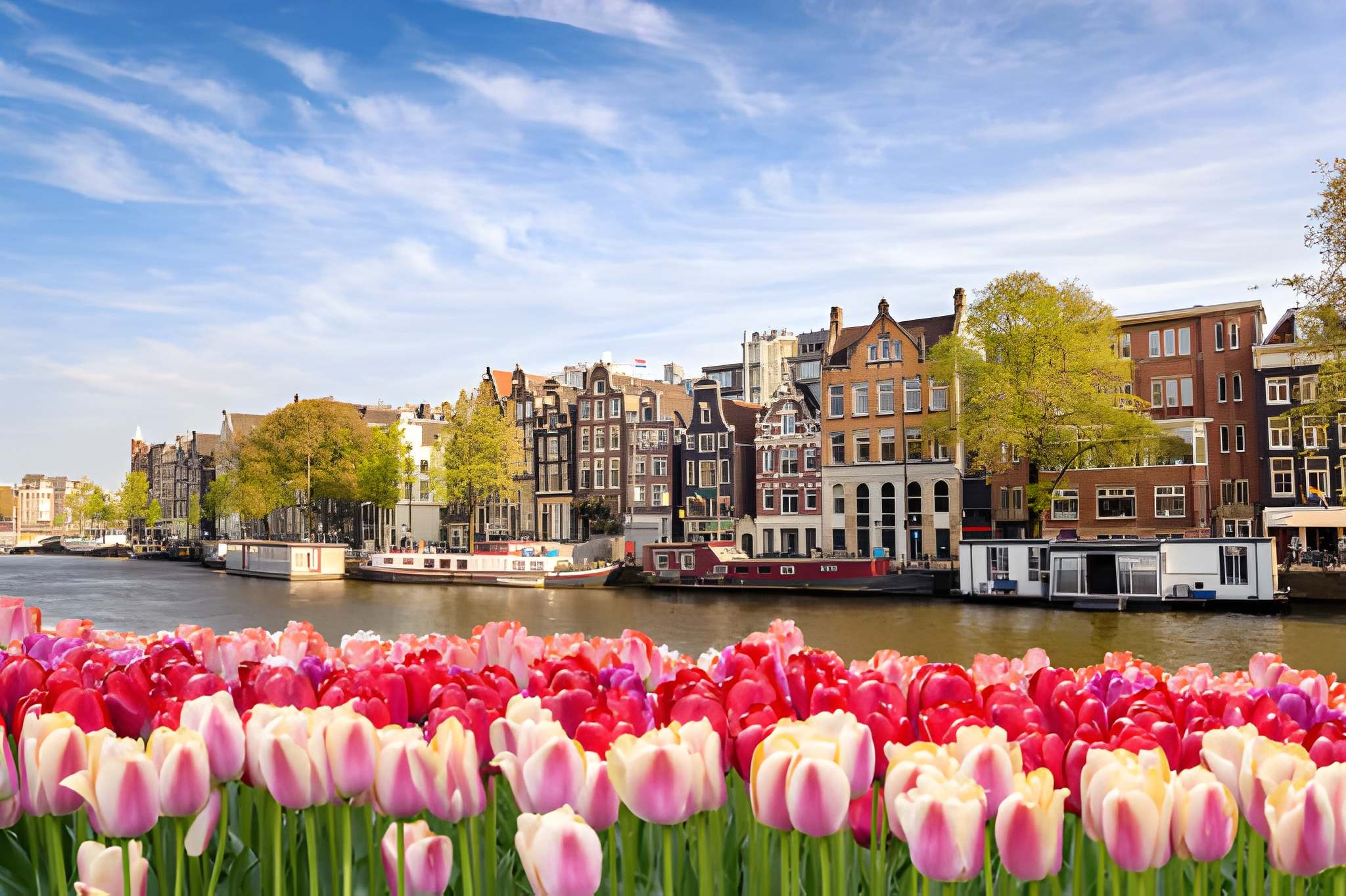
Eastern Europe gets plenty of attention for big-name cities like Prague, Budapest, and Kraków, but the region has far more to offer than the usual highlights. We can move from castle skylines to quiet village lanes in the same week, then finish with a swim in a mountain lake or a hike across jagged peaks.
We also love how many different travel styles fit here. You can plan a romantic city break, a food-first weekend, a nature-heavy adventure, or a slow trip built around local traditions. If you give yourself extra time and resist the urge to rush, you will notice the small details that make these places stick in your memory.
Some of the best moments happen when you choose the less obvious option. Swap the most photographed spot for the quieter neighbor. Take a short detour to a hill town. Book a guided experience with locals, then leave space to wander on your own.
From our side, here are 10 favorite things to do in Eastern Europe to help you plan a trip that feels personal, not copy-and-paste.
1. Relax Like A Local In Budapest’s Baths And Night Spots, Hungary
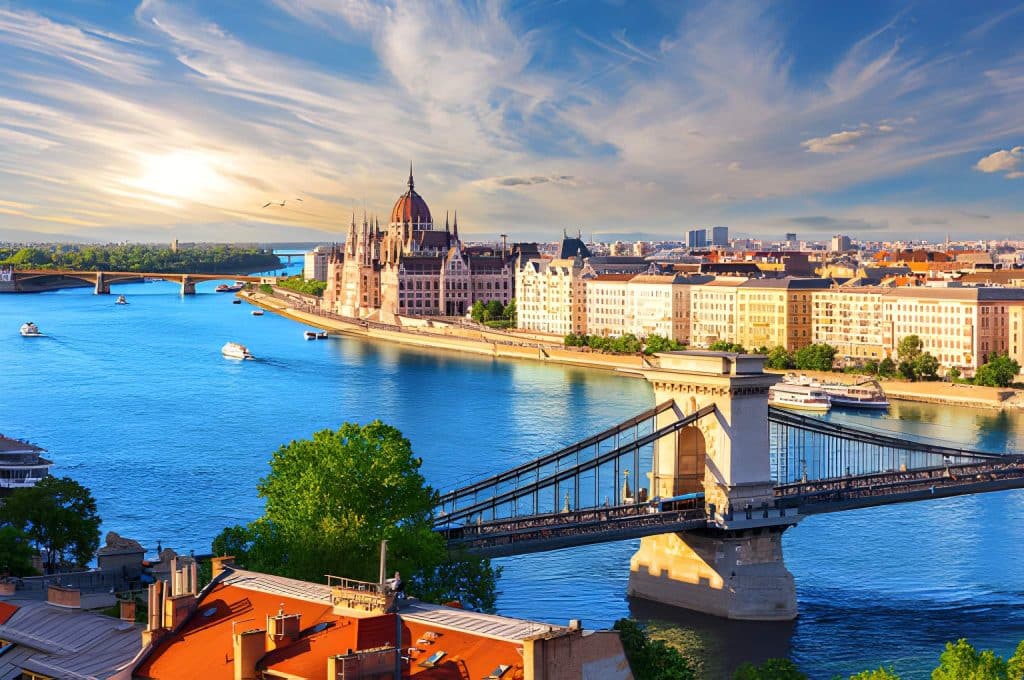
Budapest is one of the region’s visual heavy hitters. The Danube splits the city, the castle district rises above, and elegant buildings line streets that make you stop and stare.
Thermal baths are a signature experience here. Several historic bathhouses use mineral-rich water and offer indoor and outdoor pools. Spending a few hours soaking is one of the best ways to reset after long walking days.
Go prepared. Bring sandals, and follow the posted rules about showers and pool areas. If you prefer a calmer vibe, aim for early morning or later hours.
Budapest also has nightlife built around bars inside repurposed older buildings, which gives the city a creative edge without losing its history.
If you want a different angle on the sights, look into a guided sunrise or sunset paddle outing when the light hits the riverfront architecture just right.
2. Trade The Alps For Big Views In The High Tatras
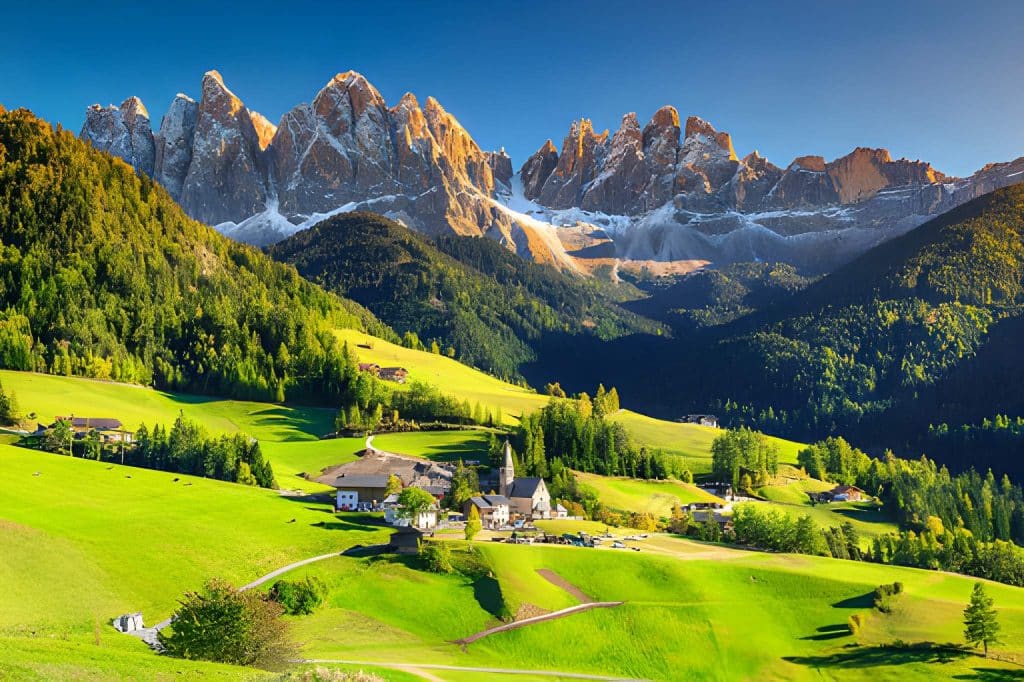
The Alps get the spotlight, but the High Tatras deliver serious mountain scenery with a different vibe. This range sits along the Slovakia and Poland border and forms the highest part of the Carpathians.
The best part is the variety. You can hike through dense forests, cross alpine meadows, pass waterfalls, and climb toward sharp peaks in a relatively compact area. Wildlife also lives here, so staying alert and following trail guidance matters.
If you want a classic mountain experience, plan at least one night in a high hut. It turns a day hike into something deeper, and it gives you early starts for the best light and calmer trails.
A well-known long route runs across the range and takes several days. If you take it on, train a bit beforehand and pack layers. Mountain weather changes quickly.
Stick to marked paths, check conditions before you go, and do not treat forecasts like promises.
3. Swim And Paddle On Lake Bohinj’s Clear Blue Water, Slovenia
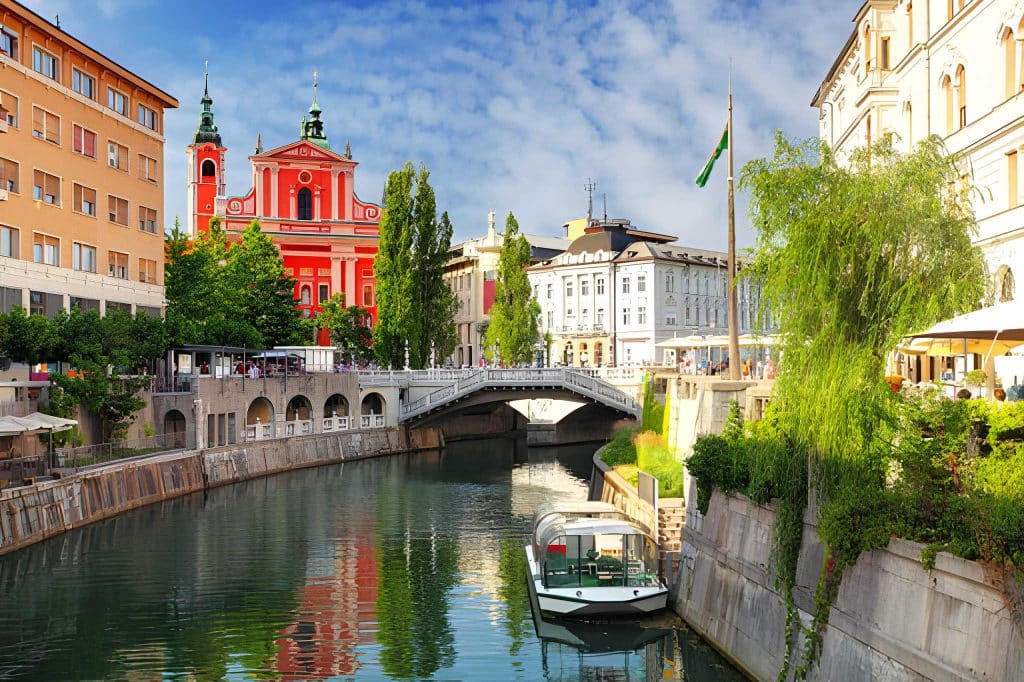
Lake Bled earns its fame, but Slovenia offers more than one stunning lake. Lake Bohinj sits in a national park about a short drive from Bled, framed by forested slopes and the rocky peaks of the Julian Alps.
We like Bohinj because it feels calmer and more natural. The water comes from mountain streams, which helps explain how clear it looks. On warm days, the lake is made for swimming.
For a peaceful view of the scenery, rent a canoe, stand-up paddleboard, or kayak and move slowly across the surface. Early morning can feel especially quiet, with reflections that make the mountains look twice as tall.
To keep the area beautiful, follow basic leave-no-trace habits and respect quiet zones. If you camp, choose a site that treats sustainability as a priority.
4. Eat Your Way Around Sarajevo’s Bazaar Quarter, Bosnia And Hercegovina
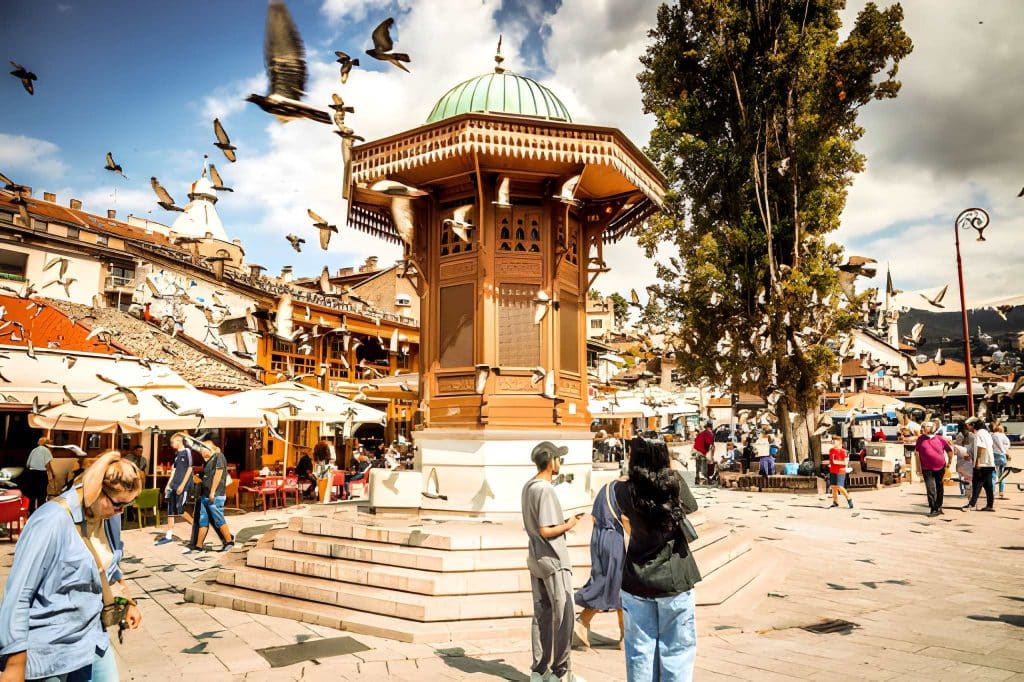
Sarajevo has a unique energy that comes from its setting and its mix of cultures. Mountains ring the city, and the streets carry an East-meets-West feel you can see in buildings and taste in the food.
We always point travelers toward the historic bazaar area first. It is lively, walkable, and packed with small lanes, workshops, cafes, and casual restaurants. This is the perfect place to snack.
Try a flaky baked pastry filled with meat or cheese, served hot and fresh. Then move on to grilled minced meat with flatbread, onions, and a rich, savory dairy topping. It is simple comfort food done extremely well.
Some places run on cash and keep the service style old-school. Watching what locals do will guide you more than overthinking it.
5. Sip Through Moldova’s Underrated Wine Scene
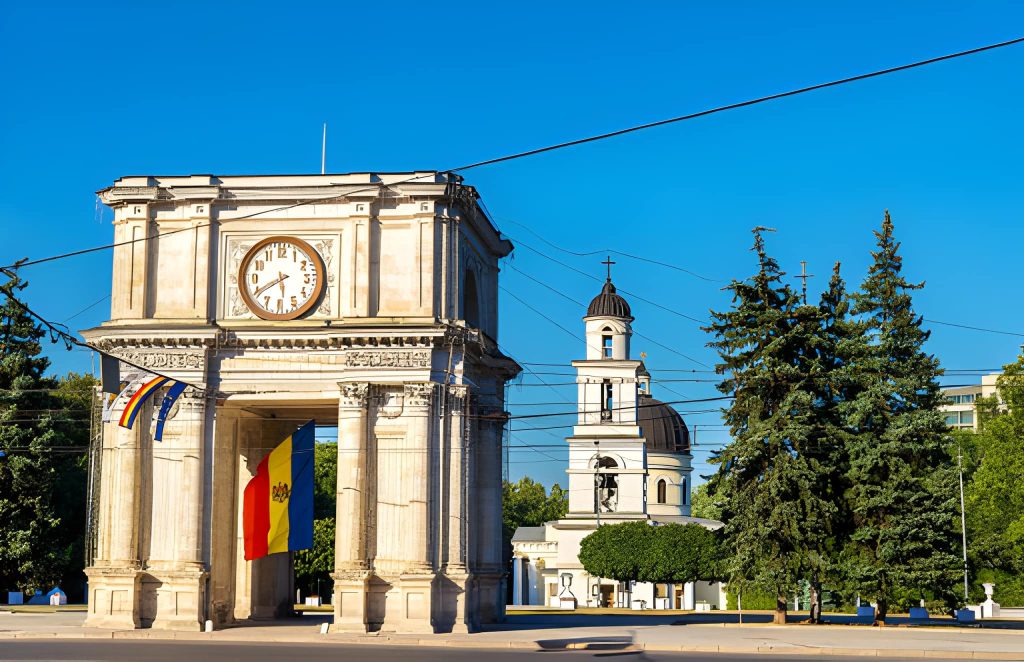
Moldova does not always appear on standard European wine routes, but that is exactly why we recommend it. The country’s climate and soil support strong grape growing, and local producers turn that into wines that can surprise even serious wine lovers.
One of the most memorable parts is how wine storage works here. Some wineries use huge underground tunnel systems that stretch far beyond what you expect. Touring these cellars feels like exploring a hidden city beneath the ground.
If you visit, pace yourself and taste with intention. Start with lighter wines before moving to fuller reds. Drink water, eat something, and take notes if you enjoy learning what you are drinking. If you want a fuller experience, pair a cellar visit with a local market stop or a countryside drive.
Tours and tastings can depend on the season and may require advance arrangements, especially outside the capital.
6. Get Swept Up In Prague’s Storybook Streets, Czechia
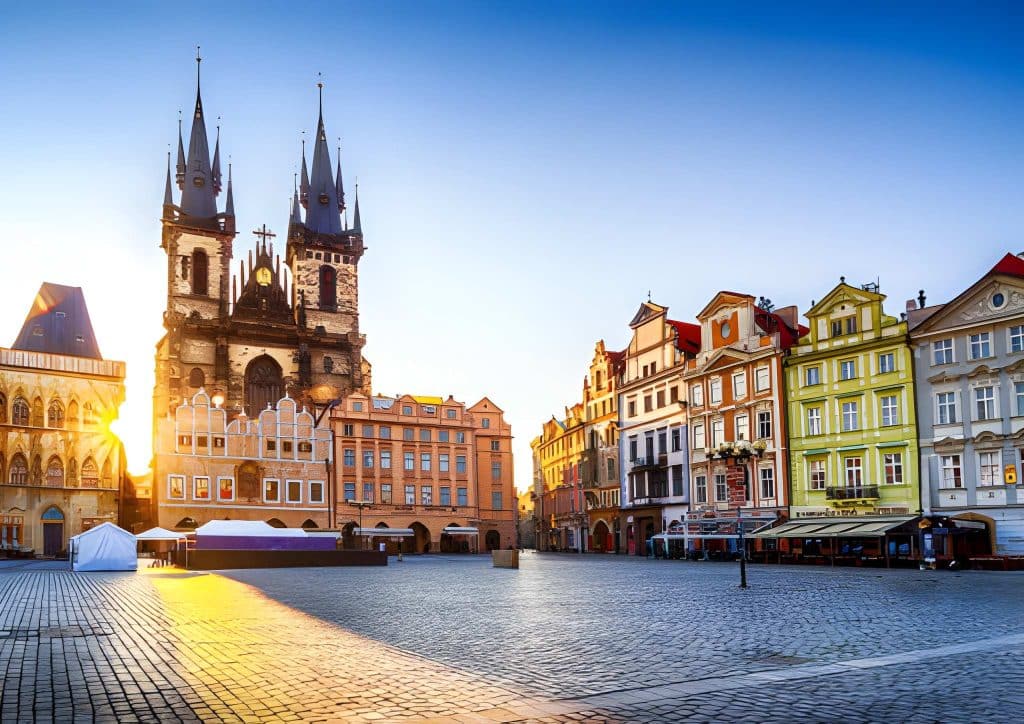
Paris might get the romance headlines, but Prague delivers the same magic with its own personality. The city feels built for long walks. Medieval lanes twist into little squares, Gothic spires poke above rooftops, and the castle complex watches over the river from above.
We suggest starting early. Walking across the famous bridge at dawn feels completely different from midday when crowds stack up. After that, slow down and let the city lead you. Duck into quiet side streets, pause in a church, and take a few minutes to simply look up.
Prague also shines when you treat it like a place to live, not a place to conquer. Pick a classic beer hall, order a local pilsner, and settle in. The atmosphere does half the work for you.
Wear shoes you trust. The cobblestones are charming, and they are also relentless.
7. Cruise The Danube’s Dramatic Iron Gates, Serbia And Romania
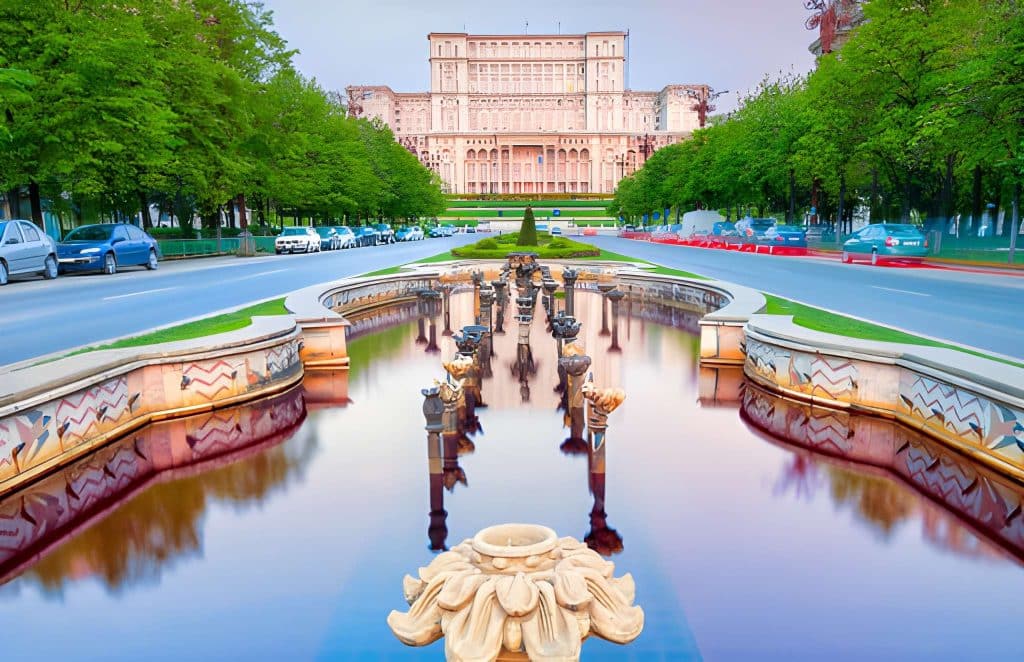
The Danube grows more intense at the Iron Gates gorge on the Serbia and Romania border. The river narrows, limestone cliffs rise high above the water, and the landscape turns bold fast.
We like to start near the fortress that sits along the cliffs at the entrance to the gorge. The views from the walls make the scale of the place obvious right away.
From there, you can explore the surrounding national park area with trails, forests, wetlands, and viewpoints. Wildlife lives here, so respect the environment and stay aware on hikes.
You can experience the gorge on foot, by bike, by boat, or by kayak. Kayaking can be unforgettable if conditions are calm and you go with experienced local guides.
Schedule time for viewpoints and breaks. The best part is watching the river move through the canyon, not racing past it.
8. Follow Truffle Dogs Into Istria’s Forests, Croatia
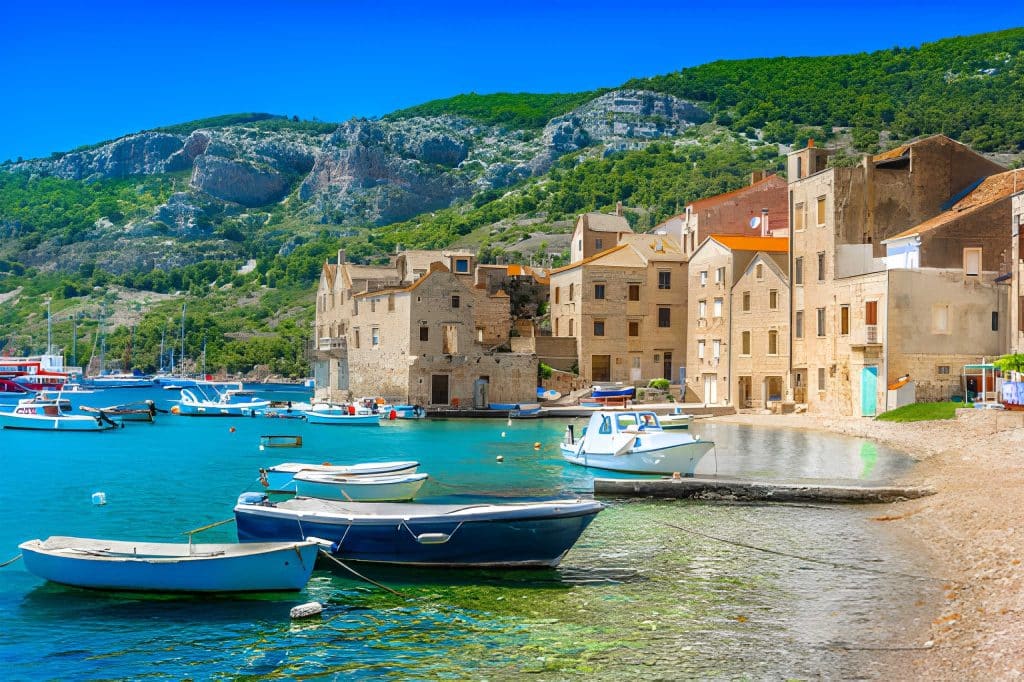
Istria gives you two trips in one. The coast offers classic Adriatic beauty, but the inland hills deliver the slower, storybook side of the peninsula. Think medieval villages, vineyards, and wooded valleys.
This is also prime truffle territory. Local hunters use trained dogs to find truffles underground, and joining a guided hunt is one of the most memorable ways to experience the region.
After the hunt, tastings often follow. We suggest keeping the rest of your meal simple so the truffle flavor does not get buried. A rustic lunch in a countryside tavern can turn into the highlight of your day.
If you prefer not to join a hunt, you can still tap into local food culture by choosing inland restaurants that feature seasonal ingredients and slow-cooked dishes.
9. See Old-World Village Life In Hollókő, Hungary
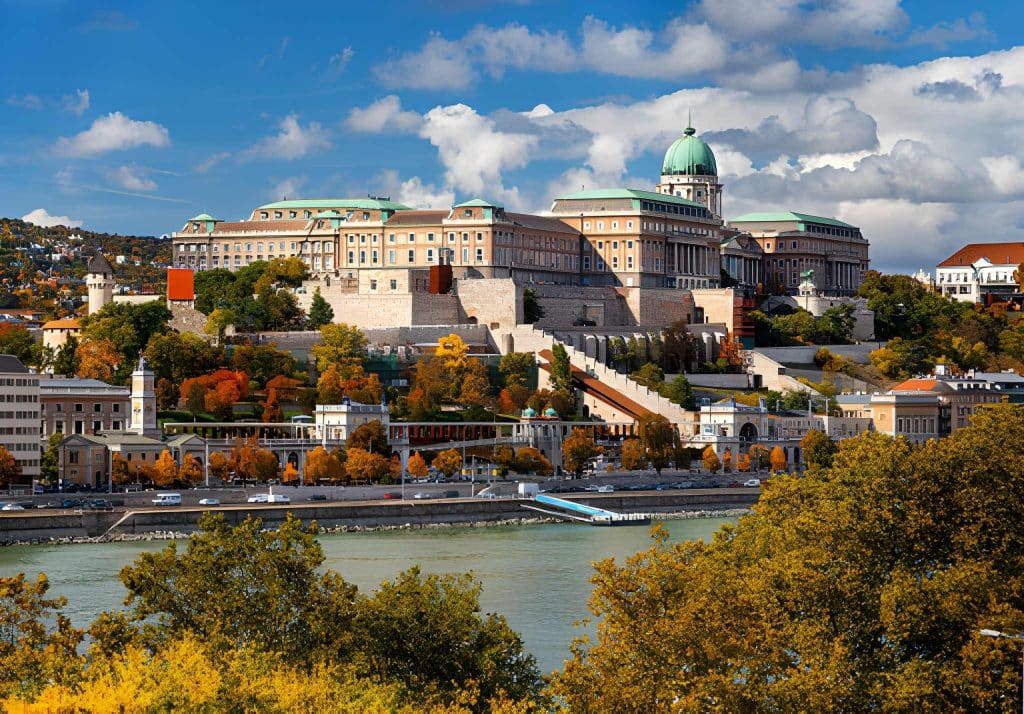
Hollókő feels like it never rushed into the modern world, and we mean that as a compliment. This UNESCO-listed village in northern Hungary preserves traditional rural architecture and daily rhythms that are rare to find now.
Walking here is the main activity, and that is the point. You will pass thatched-roof homes, carved wooden porches, and small shops with handmade goods. We recommend taking your time and treating the village like a living place, not a museum set.
Food matters here too. Try a hearty Hungarian stew loaded with paprika, and sit long enough to enjoy it. If you want a small souvenir, choose something useful and locally made, like textiles or baked items.
For open views over the countryside, climb up to the nearby castle ruins. The hike helps you understand the landscape and the village’s setting in one glance.
10. Find Soft Sand And Sea Coves In Ksamil, Albania
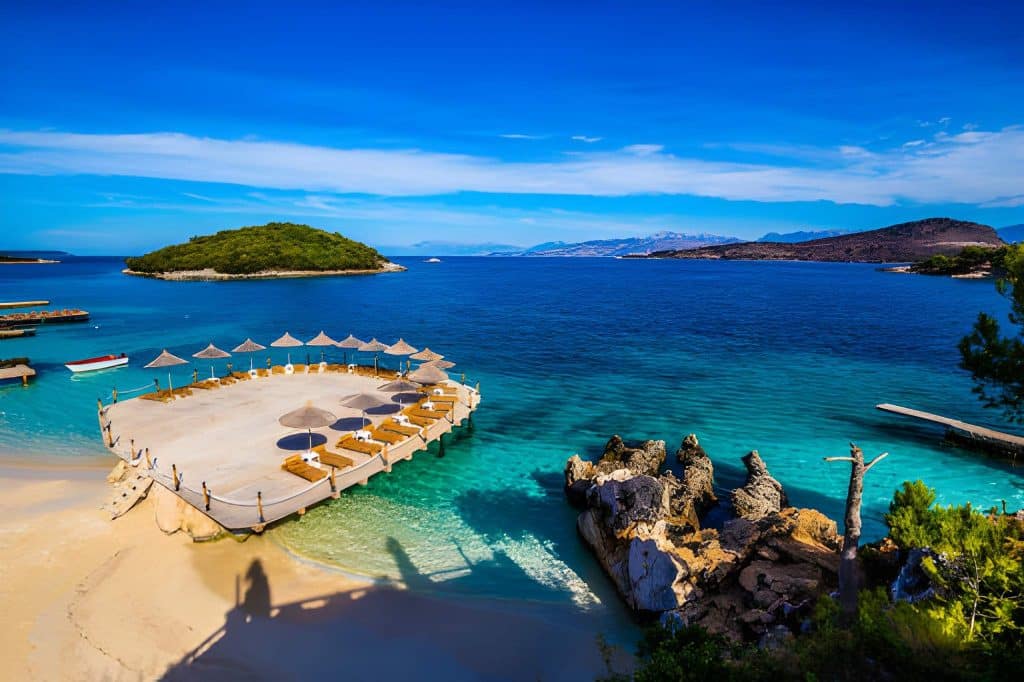
The Albanian Riviera is not the secret it used to be, but you can still find incredible beach days if you plan smart. Ksamil stands out for pale sand and bright water that looks unreal in good sunlight.
We recommend mixing rest with exploration. Swim and snorkel near shore, then rent a kayak to reach small islands, sea caves, and tucked-away coves. Calm days can bring great visibility underwater.
Ksamil sits between a lagoon and the open sea, so seafood is a must. Try local mussels or grilled fish, and pick a spot where you can see the water while you eat.
Trip timing matters here. Shoulder season often brings the best blend of space and weather, while peak summer can feel crowded.
When you build your Eastern Europe route, we recommend mixing major cities with smaller towns and nature stops. That balance is how you come home with stories that feel completely your own.
Keep Your Eastern Europe Plan Moving With Us!
If this Eastern Europe list has you thinking about castle walks in Prague, long soaks in Budapest, a few days in the High Tatras, and some lake or beach time to balance it out, the next step is making the trip flow. That is where our free TheMilesAcademy community helps.
Inside the community, we share practical planning help that fits this exact kind of itinerary. We talk about how to connect big cities with smaller stops without wasting entire days in transit, how to pick travel dates that dodge the busiest crowds, and how to pace your schedule so you still have energy for the moments you came for. We also swap simple tips on packing for mixed weather, choosing day trips that are worth it, and avoiding common mistakes that eat time and money on the ground.
Before you book flights and stays, use our free Card Finder Tool too. It helps you match a points-earning setup to how you actually travel and spend, so you can work toward trips like this with a clearer plan instead of guessing.