
Flight prices have a habit of changing at the worst possible moment. You check a fare, step away, come back later, and suddenly it costs more. That experience has fueled years of advice about secret tricks, hidden settings, and browser tips that supposedly unlock cheaper flights.
Some of those ideas sound smart. Most do not hold up once you understand how airline pricing works. After decades of watching fares rise, fall, and disappear, one thing stays consistent.
Cheap flights come from understanding the system, not trying to outsmart it with gimmicks. Incognito mode and VPNs get mentioned constantly, but they play very different roles. One is mostly noise. The other can help in narrow situations if used carefully.
Quick Comparison Of Popular Flight Search Tricks
| Tactic | Does It Lower Prices | What It Actually Does | Worth Your Time |
|---|---|---|---|
| Incognito mode | No | Hides local browser history only | No |
| Clearing cookies | No | Resets site preferences | No |
| VPN location change | Sometimes | Changes point-of-sale country | Yes, selectively |
| Price tracking tools | Yes | Monitors fare movement over time | Yes |
| Flexible dates | Yes | Exposes cheaper inventory | Yes |
Flight prices feel unpredictable because they often do, not because a browser is watching your searches. Some tools help. Others just sound clever.
Why Incognito Mode Feels Convincing But Fails

Search for a flight, walk away, come back an hour later, and the price jumps. That moment convinces many travelers that incognito mode must be the fix. Hide your activity, avoid price hikes, save money. It sounds logical, but it breaks down quickly.
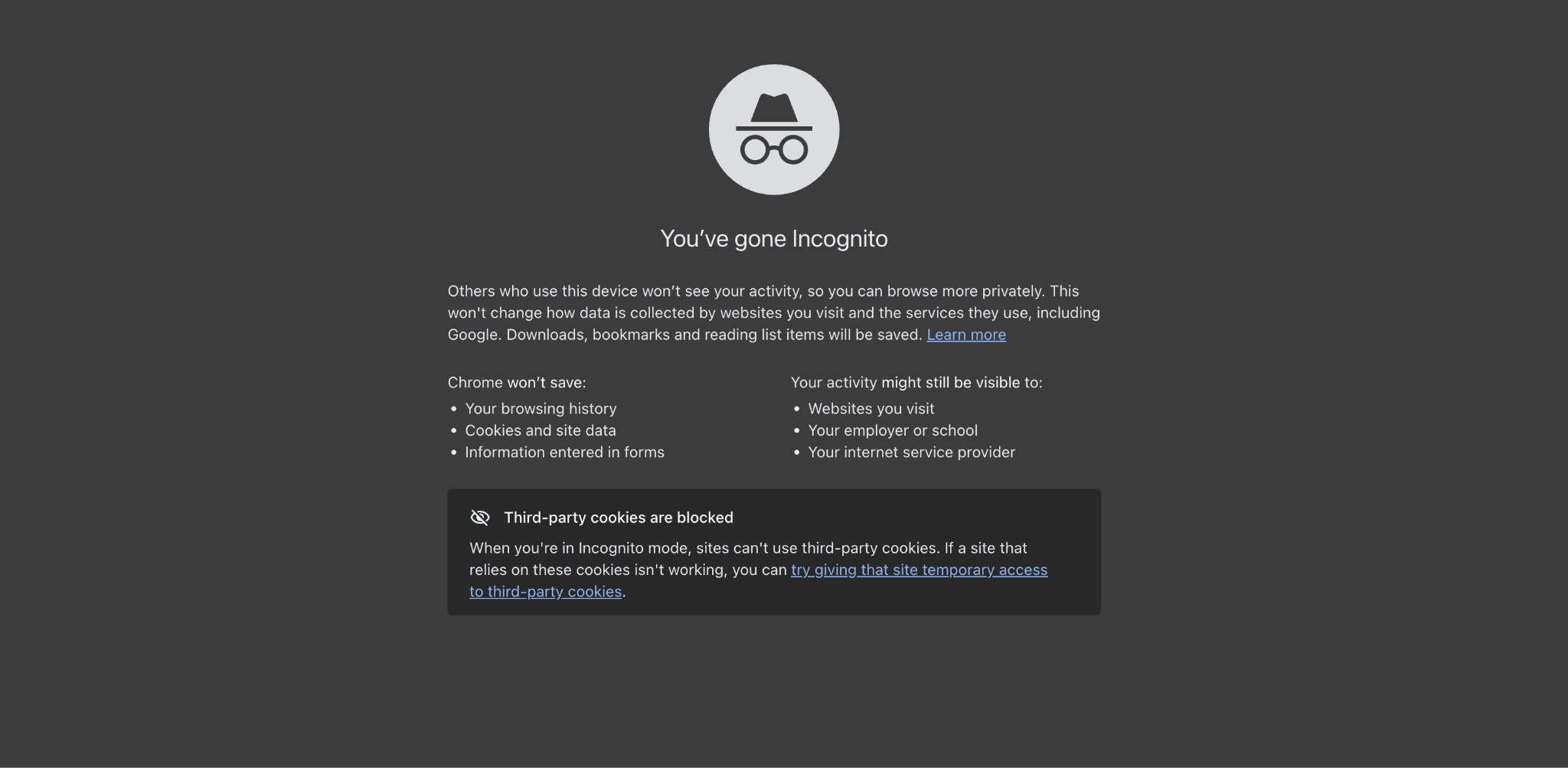
Incognito mode only stops your browser from saving local history, cookies, and logins. It does not hide you from airlines or booking engines. Pricing systems do not look at individual search behavior and then punish curiosity. They react to inventory.
Airlines sell seats in layers. When cheaper layers sell out, the next price replaces them. That swap can happen fast, especially on popular routes or limited schedules. When you see a higher price later, you are usually seeing a different inventory tier, not a penalty.
Testing confirms this. Running the same searches in a standard browser and in incognito produces identical prices across one-way, roundtrip, domestic, and international routes. Incognito mode feels clean, but it does not unlock hidden fares.
What Actually Drives Flight Price Changes
Airline pricing relies on fare classes stacked inside each cabin. Every seat looks the same to passengers, but the price behind it changes as inventory sells.
When lower fare classes disappear, pricing jumps to the next tier. That explains why a flight costs more later in the day or why two people see different prices minutes apart. Demand plays a role, too. Prices rise as travel dates approach, especially around holidays and school breaks.
Competition matters as well. Routes served by several carriers tend to move more slowly than routes with limited options. Time of day also influences updates, since pricing changes often roll out during low-traffic hours rather than continuously.
None of this involves tracking individual users. It is supply, demand, and timing working together.
Where VPNs Actually Make Sense
VPNs get grouped with incognito mode, but they do something different. A VPN changes your apparent location, which can affect pricing because some fares vary by point of sale.
Airlines and booking sites sometimes price flights differently depending on where the purchase appears to originate. Currency, regional competition, and local demand all play a role. In certain cases, searching from another country can surface a lower base fare.
This shows up most often on international routes. Searching while appearing to be in the destination country or a nearby region can occasionally reveal a lower price than searching from home. It does not happen every time, but it happens enough to be worth understanding.
When VPN Searches Can Backfire
A VPN is not a guarantee. Sometimes it produces higher prices instead of lower ones. Local taxes, currency conversion, and market demand can push fares up depending on the country selected.
There are also checkout hurdles. Some booking sites restrict foreign-issued cards or require local billing details. Even when a lower price appears, completing the purchase is not always smooth.
That makes VPN searches a tactical option, not a default habit. They work best for flexible international travelers who are comfortable comparing multiple versions of the same fare.
How To Use A VPN Without Wasting Time
A VPN works best when used deliberately, not randomly.
Start by finding the normal price from your home location. Then switch the VPN to a few logical alternatives, like the destination country or nearby regions with strong outbound travel markets. Compare prices carefully and click through to confirm they hold through checkout.
Avoid cycling through dozens of countries. That rarely produces better results and burns time. Two or three focused comparisons are usually enough to see whether a VPN helps on a specific route.
What Actually Saves Money on Flights
The most consistent savings do not come from hiding your browser. They come from flexibility and awareness.
Adjusting travel by a day or two often unlocks cheaper inventory. Midweek departures undercut weekends on many routes. Shoulder seasons undercut peak periods by a wide margin while keeping weather and crowds manageable.
Price tracking matters too. Watching a route over time shows whether a fare is typical, inflated, or unusually low. That context removes guesswork and helps you book confidently instead of chasing drops that never come.
Alternate airports can also shift pricing dramatically. A secondary airport within an hour’s drive often carries less demand and lower fares, especially on international trips.
Why Constant Searching Is Not The Answer
Refreshing the same route every hour rarely helps. Prices do not fall because someone checks more often. They fall when inventory opens, demand softens, or competition changes.
That is why alerts outperform manual searching. Automated tracking watches routes continuously and flags meaningful drops. It replaces stress with timing and keeps emotion out of the process.
Most travelers who land standout deals are not searching nonstop. They are ready to act when pricing breaks from its normal range.
Separating Useful Tricks From Noise
A lot of flight advice survives because it sounds clever, not because it works. Incognito mode fits that pattern. It feels technical and secretive while delivering nothing.
VPNs sit in the middle. They can help in specific scenarios, but fail often enough that they should never be the main strategy.
The habits that work are less flashy. Flexible dates. Broad searches. Price history. Alerts. These approaches do not feel sneaky, but they consistently deliver better results.
A Smarter Way To Think About Cheap Flights

Flight pricing rewards preparation, not tricks. The system responds to inventory, demand, and competition, not individual curiosity.
If a fare rises after you check it, that seat is likely sold. If it drops days later, inventory probably reopened, or demand cooled. No browser setting caused either move.
Focus on tools and habits that reveal patterns instead of chasing myths. When a deal appears, act quickly and move on. That approach beats incognito mode every time.
Use The System Instead of Guessing
Most travelers overpay because they book out of habit, not structure. Inside The Miles Academy, members break down real itineraries to see when one-way, round-trip, or multi-city tickets quietly win so the ticket matches how the trip actually moves, not how booking screens default:
When you need to compare airlines, baggage rules, and timing side by side without spiraling into tabs, this card finder tool helps narrow the best option fast at checkout: