
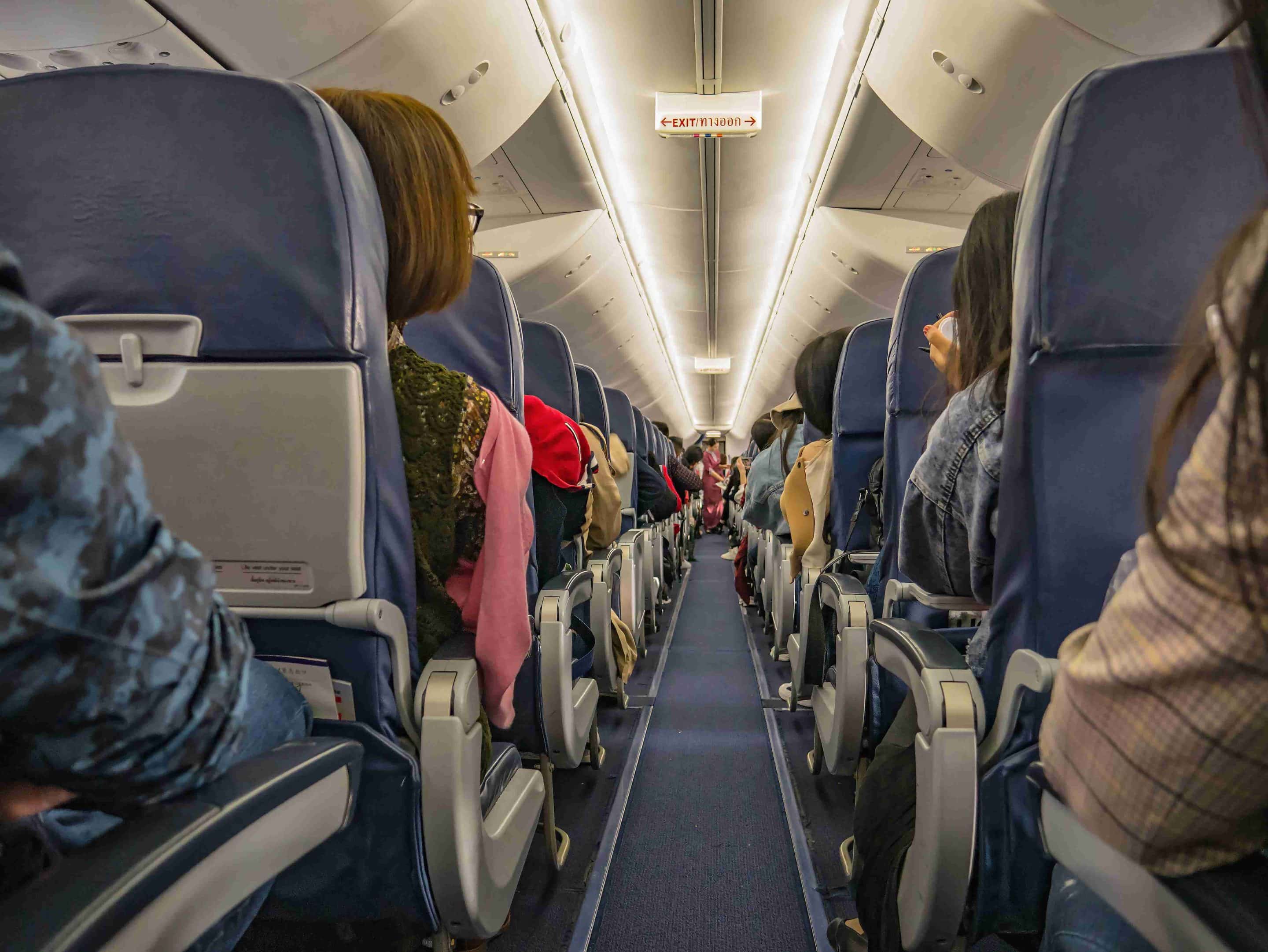
Most travelers know that sometimes a flight ends up with more people than available seats, even when everyone has a confirmed booking. It feels strange. You paid, you arrived at the airport, and somehow the plane is still “too full.”
How Airlines End Up Selling Extra Seats
Selling more tickets than the number of seats sounds backwards, but for airlines it is a standard practice. You may have seen this play out at the gate when an agent starts asking for volunteers to fly later in exchange for some kind of compensation. That is often a direct result of extra seats being sold.
It helps to separate two ideas that people often mix together:
- A flight is oversold when the airline has more confirmed bookings than physical seats on the aircraft.
- A flight is overbooked when more passengers actually show up at the airport ready to fly than there are seats available.
Overselling is what happens on the booking side. Overbooking is what you see at the gate when there are more people than seats. Overselling can lead to overbooking, but not always, because some travelers do not show up.
When a flight is overbooked, airlines usually follow a familiar pattern:
- First, the gate agent asks for volunteers to move to another flight in return for compensation such as travel credits or vouchers. This is called voluntary denied boarding.
- If not enough people step forward, the airline may remove some passengers from the flight against their wishes. This is called involuntary denied boarding.
The uncomfortable part for travelers is that all of this starts because the airline chose to sell more confirmed seats than the aircraft can actually hold. To understand why they do that, we have to look at how airlines treat seats as a special type of product.
Why Empty Seats Are A Big Problem For Airlines
Seats on an airplane are a kind of perishable inventory. Once the cabin door closes and the plane pushes away from the gate, every empty seat is a lost chance to earn money. The airline cannot save that seat and sell it tomorrow. It simply disappears.
Because of this, airlines invest heavily in revenue management and inventory control. The basic goal is easy to say but hard to reach. They want to fill as many seats as possible with people who are willing to pay as much as they realistically can.
Imagine a plane with 160 seats. If years of data show that, on average, a few people never make it to that flight, the airline will plan around that pattern. If the typical result is that four passengers do not show up, the airline might sell 164 tickets and expect that the real number of people at the gate will be close to 160.
This effect is even stronger when change fees are reduced or removed on many fare types. When it is easier and cheaper to switch flights, people make more last minute changes. A flight can look completely sold out two weeks before departure, but the airline knows from past data that some percentage of those travelers will change plans as the travel date gets closer.
For example, if a route usually sees around ten percent of ticketed passengers cancel or move to another flight in the last week, the airline might oversell by roughly that amount. The goal is to avoid taking off with empty seats that could have held paying customers.
Common Reasons People Miss Their Flights
The whole idea of overselling rests on one basic fact. Not every person with a confirmed ticket actually boards the flight. Airlines track this behavior in detail and look at patterns by route, time of day, day of the week, season, and fare type.
There are many reasons you might not see every ticketed passenger in their seat when the plane leaves:
- Flexible or speculative bookings: When changing flights is easier, some people reserve trips they are not fully sure about. They might hold a seat while they decide on travel plans and then cancel or rebook close to departure.
- Delays getting to the airport: Even if you fully intend to travel, real life can interrupt you. Traffic, late departures from home, long check in lines, and crowded security checkpoints can all cause you to miss the flight.
- Missed connections: Many passengers connect from another flight. If the first leg arrives late, there may not be enough time to reach the next gate before boarding ends.
- International connection delays: Travelers arriving from other countries often have to clear immigration, customs, and baggage claim before connecting onward. Long lines or baggage delays can easily cause them to miss their next flight.
- Document problems: Some passengers reach the gate but do not have the right travel documents, such as visas or entry permits, for their final destination. In that case, the airline is not allowed to let them board.
On some days, nearly everyone shows up and these no show rates are lower than expected. On other days, more people than usual miss the flight. That is why you will sometimes hear that a flight is oversold at check in, only to see a surprising number of empty seats once you are in your row.
Operational Changes That Suddenly Reduce Seats
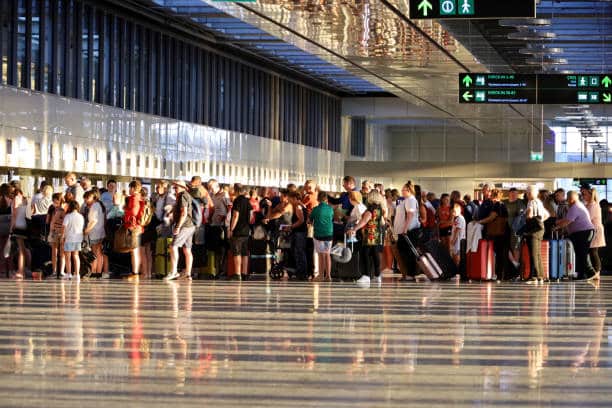
Not every crowded gate with disappointed passengers is the result of deliberate overselling. Many times, normal airline operations suddenly change how many seats are actually usable on a given flight.
Here are some common reasons this can happen:
- Aircraft swaps: Airlines run different aircraft types on the same route, and even similar aircraft can have different seating layouts. A last minute change to a smaller aircraft, maybe due to maintenance or scheduling issues, can reduce the number of available seats.
- Crew repositioning: Pilots and flight attendants sometimes need to travel as passengers so they can operate another flight later in the day. This is often called deadheading. These travelers are treated as essential because without them, later flights could be delayed or canceled.
- Weight and balance limits: Aircraft performance is affected by weather, runway length, temperature, and headwinds. On very hot days, at high elevation airports, or on shorter runways, the plane may not be able to take every seat, every bag, and all the cargo it would normally carry.
- Cargo priorities: On some routes, cargo pays very well. If the aircraft is close to its weight limit, the airline might prioritize cargo, which leaves fewer seats available for passengers.
When any of these changes happen after the airline has sold tickets based on a larger seat map, the flight can suddenly become overbooked even if the original plan was conservative.
When Economy Is Full But Seats Up Front Are Empty
Overbooking does not always involve the entire aircraft. In many cases, the total number of seats is enough for everyone, but the distribution across cabins is uneven. One cabin, usually economy, may be completely full or oversold while seats in a more premium cabin sit open.
You might see social media posts claiming that dressing up at the airport improves your chances of an upgrade. In reality, most airlines use a set order to decide who moves forward and do not base that choice on clothes.
This kind of situation is especially common on certain long haul routes where economy demand is very strong, but premium cabins do not always sell out at full price.
From a revenue point of view, the logic is straightforward. A traveler who paid an economy fare but flies in a premium seat still generates more value than leaving that premium seat empty. The extra cost to serve that passenger in a higher cabin is usually small compared to the money from the ticket.
So why not just drop prices in the premium cabin at the last minute instead of upgrading people? The answer sits in buying behavior.
If airlines teach business travelers and frequent flyers that premium cabins will be deeply discounted close to departure, many people will stop buying expensive tickets in advance. They would wait and gamble on a last minute deal. In the long run, that could reduce revenue far more than the occasional free upgrade.
How Paying Volunteers To Move Can Still Help The Airline
From the outside, paying people to give up their seats looks expensive. Inside the airline, the math can be much softer.
When a flight is overbooked and the airline asks for volunteers, the offer is often a travel voucher or credit that can be used for a future trip with the same carrier.
The real cost of that voucher is often much lower than its face value, for several reasons:
- Many travelers end up using their credit on flights that are not completely full, where adding one more passenger does not mean turning someone else away.
- The basic costs of carrying one more person, such as a bit of fuel and in flight service, are small compared to the money from the last minute ticket the airline sold on the oversold flight.
- Some people spend beyond the voucher amount when they redeem it, which brings in extra revenue.
That means an airline can sell a last minute seat for a high cash fare and then give another passenger a credit of similar face value to move to a later flight. If the later flight still has room, the airline earns more money overall while only facing a small additional cost.
As long as everyone who wants to travel eventually gets to their destination and the airline avoids involuntarily denying boarding, this setup can feel like a reasonable trade for both sides.
Is Selling Extra Seats Fair To You As A Traveler
Here is where we move from business logic to questions of fairness. Many travelers feel it is wrong for airlines to sell more seats than an aircraft physically has. It can feel like buying something that might not exist when you arrive at the gate.

Most airlines protect themselves with detailed contracts of carriage. These documents usually give the airline broad rights to oversell and to decide how to handle passengers when a flight is full, as long as they follow local rules on compensation and rebooking.
Legal rights are one thing. Fair treatment is another. Here is how we look at it.
- When the airline relies only on volunteers and offers enough compensation so that people are happy to move, overselling can work out well. Passengers who really need to travel keep their seats. Passengers who have flexible plans get something valuable in return for their time.
- Problems start when someone is forced off a flight they expected to take. Being involuntarily denied boarding, especially after paying in full and arriving on time, understandably feels unfair and disrespectful.
- A highly publicized case where a passenger was physically removed from a plane made many airlines more aware of how bad these situations can look and feel. After that, several carriers adjusted their policies and became more careful about forcing travelers off oversold flights.
In an ideal setup, airlines would simply keep raising the compensation amount until enough people agree to move. There have been rare reports of very high offers for volunteers when airlines needed to free up many seats.
Get More Confident With Help From Our Community
If you want to feel more prepared the next time you travel, you do not have to figure this out on your own. In our free TheMilesAcademy community, we talk through real life situations like oversold flights, missed connections, and schedule changes, and we share simple ways you can protect your time and get more value from every trip.
You can ask questions, learn from other travelers, and see how people use flexible booking tools to turn stressful moments at the gate into chances to earn more rewards or reshape their plans in a smarter way.
When you are ready to plan your next trip, you can also use our free card finder tool. It helps you sort through different card options, match them to your travel goals, and understand which features might work best for the way you fly and spend. That way, when an airline asks for volunteers or offers travel credits, you already have a clear strategy for how to use those rewards toward future flights and vacations.
If you like the idea of feeling calmer and more in control when the departure board starts flashing with delays and oversold notices, our community and tools are here to help you take the next step.
