

People spend years trying to improve their sleep at home.
They buy expensive mattresses, blackout curtains, cooling pillows, white-noise machines, silk sheets, weighted blankets, and sleep trackers. Then somehow they sleep unbelievably well inside a hotel room they entered only six hours earlier.
It happens constantly.
Travelers wake up during vacations convinced the hotel bed must be dramatically better than the one waiting at home. Sometimes it is. Luxury hotels absolutely invest heavily in bedding comfort. But after decades of constant travel, I can say confidently that the mattress itself explains far less than most people think.
The biggest reason hotel beds feel amazing has more to do with stress, routine, mental fatigue, physical movement, and emotional separation from normal life.
The environment changes the body. The vacation changes the brain.
Home Bedrooms Quietly Carry Stress
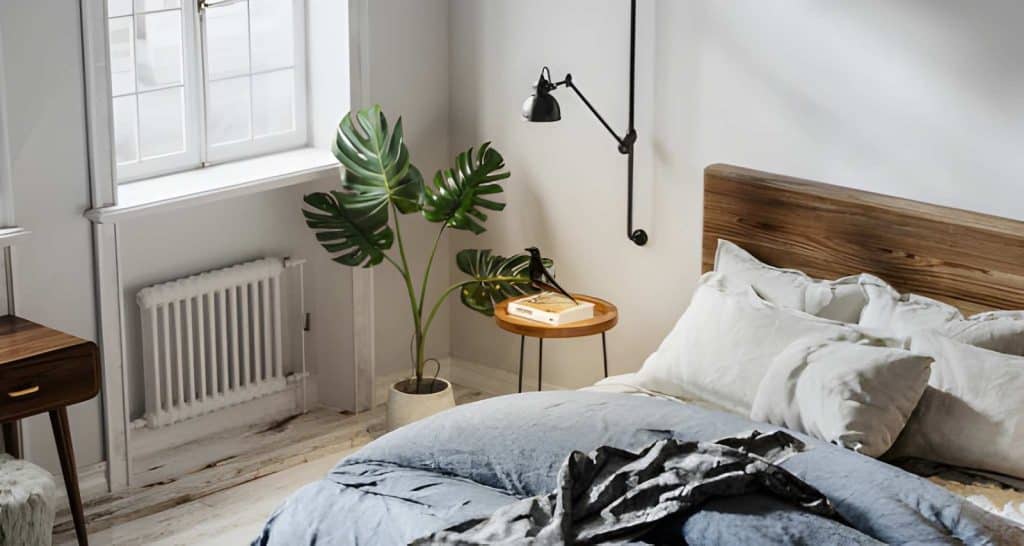
Most people associate home with comfort, but home also carries invisible mental clutter. Bedrooms slowly become connected to unfinished responsibilities:
- Work emails
- Laundry
- Bills
- Alarms
- School schedules
- Household chores
- Notifications
- Daily routines
Even relaxing homes contain subconscious reminders of responsibility.
That mental load follows people into bed every night. The brain rarely shuts down completely because normal life never fully disappears.
Hotels interrupt that cycle instantly.
Once travelers enter a hotel room, much of that mental clutter stays outside temporarily. There are no dishes waiting in the sink. No unfinished errands sitting nearby. No pile of work staring from across the room.
The brain finally experiences separation from routine. That psychological distance alone improves sleep quality enormously.
Vacation Days Tire the Body Naturally
Most travelers move far more during vacations than during ordinary weeks.
A typical workday may involve commuting, sitting, scrolling screens, and walking minimally. Vacation days often involve airports, train stations, museums, beaches, city walks, hiking trails, or long afternoons exploring unfamiliar neighborhoods.
The body finally reaches healthy physical fatigue.
I notice this constantly in cities like Tokyo, Rome, or New York where travelers easily walk ten to fifteen miles daily without noticing until nighttime exhaustion suddenly hits. By the time people return to the hotel, sleep arrives quickly because the body genuinely needs recovery.
At home, many people go to bed mentally overstimulated but physically underactive.
That difference matters more than mattress branding.
Hotels Create Controlled Sleep Environments
Good hotels are intentionally designed to support sleep.
The best hotel rooms remove distractions quietly instead of dramatically. Most travelers do not consciously notice the details, but the body responds to them immediately.
Hotels often provide:
- Cooler room temperatures
- Heavy blackout curtains
- Minimal visual clutter
- Soft lighting
- Thick curtains reducing outside noise
- Consistent white noise from ventilation systems
Many homes unintentionally work against sleep by staying slightly too warm, too bright, or too noisy.
Cool temperatures alone improve sleep quality significantly. The body naturally lowers internal temperature before deeper sleep cycles begin, which is why overly warm bedrooms often create restless nights.
Hotels understand this better than many homeowners do.
The Brain Loves Temporary Escapes
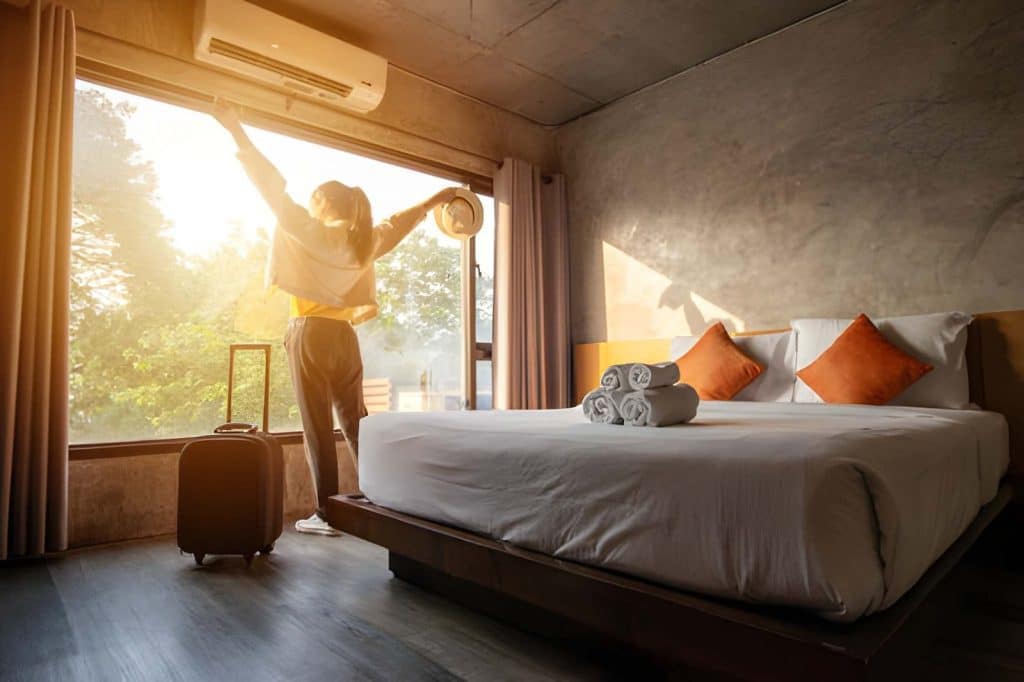
Part of good vacation sleep comes from emotional permission.
At home, sleep often feels connected to obligation because tomorrow means work, errands, meetings, traffic, or responsibilities waiting immediately after waking up.
Vacations remove that pressure temporarily.
Travelers know the next day may involve wandering through a market, sitting beside a beach, exploring a new city, or enjoying long meals without strict schedules. The mind stops resisting bedtime because tomorrow feels lighter emotionally.
This changes sleep more than people expect.
I have stayed inside modest roadside hotels after relaxing travel days and slept better than inside expensive luxury suites during stressful work trips. The emotional state surrounding the trip mattered far more than the property itself.
Hotel Beds Are Designed to Please Almost Everyone
Hotels also build beds differently from many homes.
Most major hotel chains avoid extremely soft or extremely firm mattresses because they need broad comfort across thousands of guests with different preferences. Instead, they choose balanced medium-firm mattresses designed to feel comfortable immediately.
Hotels also layer beds strategically:
- Thick mattress toppers
- Puffy duvets
- Crisp white sheets
- Large pillows
- Soft comfort layers
Those details create instant sensory comfort even when the mattress itself is relatively ordinary.
The presentation matters psychologically too.
Fresh white bedding signals cleanliness and calmness to the brain almost immediately. Travelers associate crisp hotel beds with relaxation before even lying down.
That emotional expectation shapes the experience strongly.
Screen Habits Usually Improve During Travel
Many travelers unknowingly improve sleep habits during vacations.
At home, bedtime often includes:
- Endless scrolling
- Streaming shows late into the night
- Checking emails
- Doomscrolling social media
- Working from bed
Travel disrupts many of those routines naturally.
Vacation days often involve more outdoor time, more sunlight exposure, longer walks, and less repetitive screen usage. Those changes help regulate sleep hormones much more effectively.
Even simple things like eating dinner earlier, spending more time outside, and reducing screen exposure before sleep can dramatically improve rest quality.
People credit the hotel bed because it feels obvious. In many cases, the body simply behaved more naturally throughout the day.
Familiar Routines Can Quietly Hurt Sleep
The strange part about sleep is that familiarity is not always helpful.
At home, many people unknowingly train themselves into unhealthy nighttime patterns. Bedrooms become places for work, stress, television, arguments, or constant distraction instead of rest.
Hotels temporarily erase those associations.
Travelers usually use hotel rooms differently. They shower, relax briefly, maybe watch something casually, then fall asleep. The room becomes associated almost entirely with recovery and rest.
That reset matters psychologically.
Sometimes unfamiliar environments actually improve sleep because old habits disappear for a while.
Good Travel Sleep Starts Long Before Bedtime

The best vacation sleep usually begins hours before entering the room.
Travelers often eat differently, move more, spend time outdoors, reduce repetitive routines, and mentally disconnect from ordinary stress. Those habits naturally improve sleep regardless of where the mattress sits.
This explains why many people try recreating hotel sleep at home by buying expensive bedding yet notice little difference afterward.
The mattress helps. The vacation mindset helps more.
Sleep improves when the body feels physically satisfied and the brain finally stops multitasking constantly.
The Best Part of Hotel Sleep Is Mental Distance
After years of frequent travel, one thing becomes obvious.
The greatest luxury hotels provide is not bedding, thread count, or mattress technology. It is a temporary separation from ordinary mental noise.
Hotels remove people from routines that quietly exhaust them daily. Once that background pressure disappears, the body often does what it was supposed to do all along.
Sleep deeply.
Hotel Beds Feel Better Because Travel Changes the Brain
Most travelers assume hotel mattresses are dramatically superior, but the biggest difference usually comes from mental separation, physical movement, reduced routine stress, and environments intentionally designed around rest. Travel temporarily removes the daily mental clutter that quietly follows people into bed at home, which often improves sleep more than luxury bedding itself.
If you want smarter travel strategies that improve long-haul comfort, reduce travel fatigue, and make trips feel physically easier overall, join the Skool community. Travelers inside regularly share practical advice about hotel selection, sleep recovery, jet lag, and building smoother travel routines that actually protect your energy.
Before planning your next trip, use the Smart Search Tool to compare better flight timings, smarter hotel setups, and more efficient itineraries that reduce stress and help travel feel restorative instead of exhausting.