

Airlines don’t guess when they oversell a flight. They rely on years of passenger data that shows exactly how many people won’t show up.
On a typical domestic route, anywhere from 5 to 12 percent of passengers never make the flight. That gap is predictable enough that airlines treat empty seats as a problem to solve, not a risk to avoid.
So instead of flying half-full planes, they sell a few extra tickets. Most of the time, it works cleanly. Every seat gets filled, and nobody notices anything unusual.
The moments you do notice are the ones where the math doesn’t land.
Why Empty Seats Cost More Than You Think
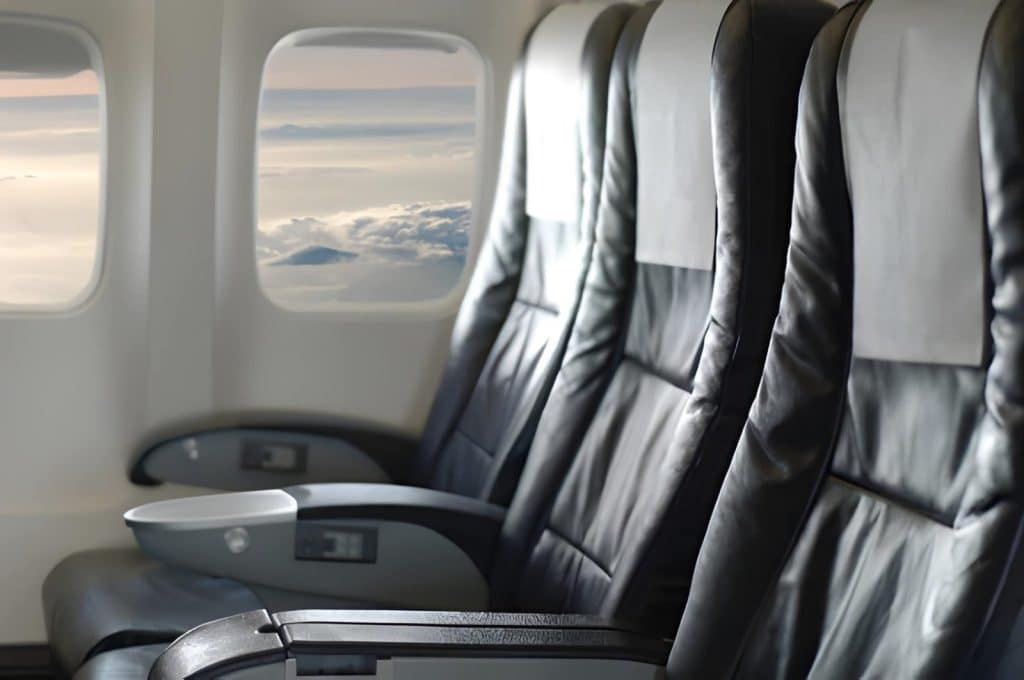
An empty seat isn’t just lost revenue. It drags down the entire pricing model behind that flight.
Airlines build fares based on expected load factors, which are simply how full a plane will be. If too many seats go unsold, they either raise future prices or reduce frequency on that route.
Overselling helps stabilize that system. It keeps load factors high, which allows airlines to offer lower base fares overall.
That’s why this practice sticks around. It doesn’t just protect profit margins. It shapes the price you see when you search.
When Too Many Passengers Show Up
The problem starts when nearly everyone shows up at once.
This happens more often on peak routes, like Monday morning business flights or Friday evening departures. It also shows up during holidays, when cancellations drop and people commit to their travel plans.
When a flight is oversold, the gate team needs fewer passengers than they currently have. They start with volunteers.
You’ll hear offers for travel vouchers, flight credits, or sometimes cash. These offers usually start low and increase as boarding gets closer.
How The Negotiation Actually Works
Most travelers accept the first offer they hear. That’s usually a mistake.
Airlines don’t start with their best number. They start with something that solves the problem quickly if someone accepts.
If nobody steps forward, the offer climbs. I’ve seen flights where compensation jumped from $200 to $900 within 20 minutes because nobody moved early.
Timing matters more than anything here. The closer you get to boarding, the stronger your position becomes.
Why Airlines Prefer Volunteers
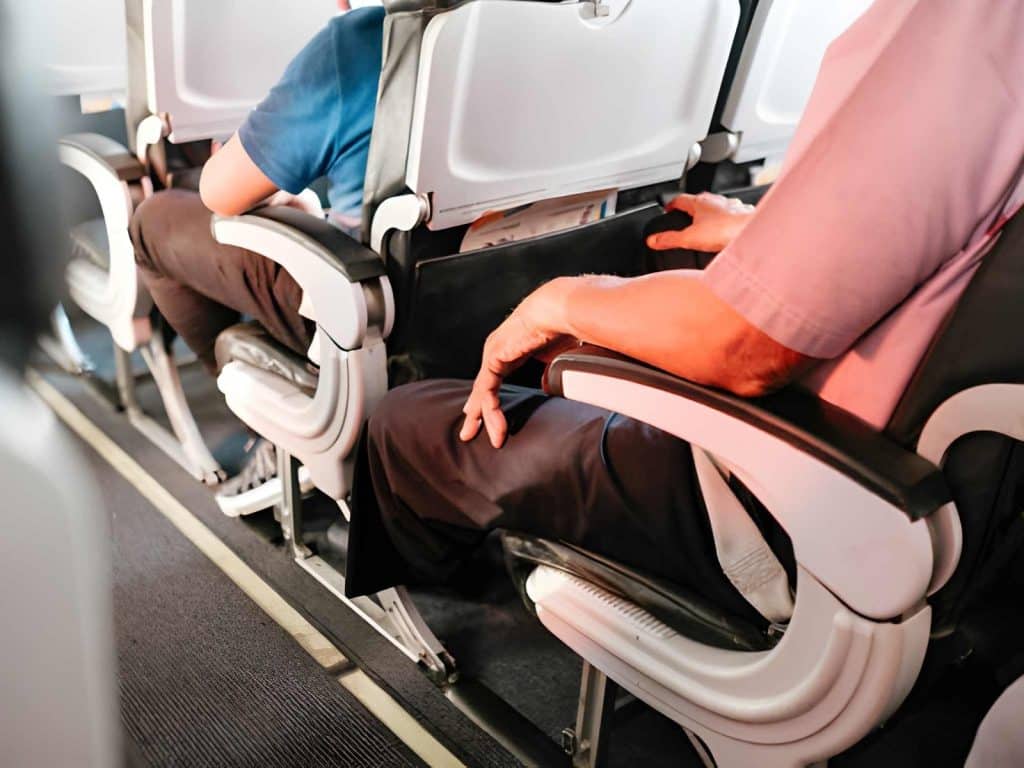
Airlines would rather pay a volunteer than force someone off a flight.
Forced denied boarding triggers strict compensation rules. In the U.S., that can mean up to four times the one-way fare depending on the delay. It also creates paperwork, reporting requirements, and unhappy customers.
Volunteers are simpler. The airline sets the terms, and you agree to them upfront.
That’s why agents push hard for volunteers first. It gives you room to negotiate if you stay patient.
The Routes Where This Happens Most
Overselling isn’t evenly distributed across the network.
Short business-heavy routes like New York to Chicago or Los Angeles to San Francisco tend to see more aggressive overselling. These routes have unpredictable no-show rates, which airlines try to balance.
Leisure routes during peak travel periods also carry higher risk. Think spring break, long weekends, and major events.
Early morning departures are less affected because passengers show up reliably. Late afternoon and evening flights have more variability, which increases the chance of overselling.
What Makes You A Good Candidate
Airlines look for easy solutions when they need volunteers.
If you’re traveling solo, don’t have tight connections, and haven’t checked a bag, you’re much easier to rebook. That makes you more attractive to the gate agent.
Flexibility is the biggest factor. If you can leave later that day or even the next morning, you’re in a strong position.
Passengers with status are often protected from involuntary removal, but they can still volunteer and negotiate high compensation if they want to.
How To Approach The Gate
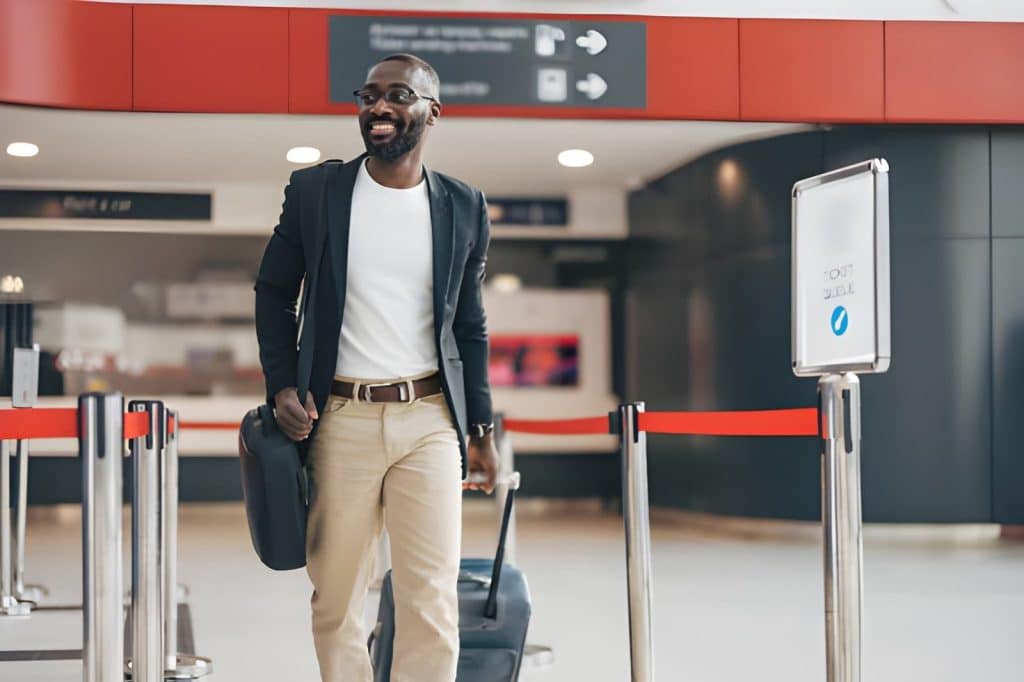
If you’re open to being bumped, speak to the gate agent early and let them know. That puts your name on their list before the rush begins.
Then stay close. Offers often improve quickly, and decisions happen fast once boarding starts.
Ask clear questions before accepting anything. Confirm the value of the compensation, how it’s delivered, and your new flight details.
If the delay pushes you overnight, ask about hotel and meal coverage. Those details aren’t always offered automatically.
When Walking Away Is Smarter
Not every offer makes sense.
If you have a tight schedule, prepaid reservations, or an important event at your destination, a voucher might not cover the disruption.
Late-day flights can turn into overnight delays. A $600 voucher sounds good until it costs you a hotel night, meals, and lost plans.
Always weigh the full impact, not just the headline number.
How To Turn This Into a Travel Strategy
Some travelers actively look for oversold flights because of the upside.
They book routes with multiple daily departures, which gives airlines more flexibility to rebook them. They choose busy travel times where demand is high and no-shows are harder to predict.
They also track fares using tools like Google Flights or Dollar Flight Club, which helps them combine cheap tickets with potential compensation opportunities.
It doesn’t work every time. But when it does, one flexible decision at the gate can cover your next trip.
The Bigger Picture Behind Overselling
Overselling isn’t random or careless. It’s part of how airlines keep flights full and prices from climbing even higher. Once you understand that, you stop seeing it as a disruption and start recognizing when it can work in your favor.
If you want to see how experienced travelers spot oversold flights, negotiate better compensation, and turn delays into real value, join the Skool community. You’ll learn how others approach the gate strategically instead of reacting at the last minute.
When you’re planning your flights, use the Smart Search Tool to find routes with multiple departures, compare pricing patterns, and set yourself up for better options if opportunities like this come up.