
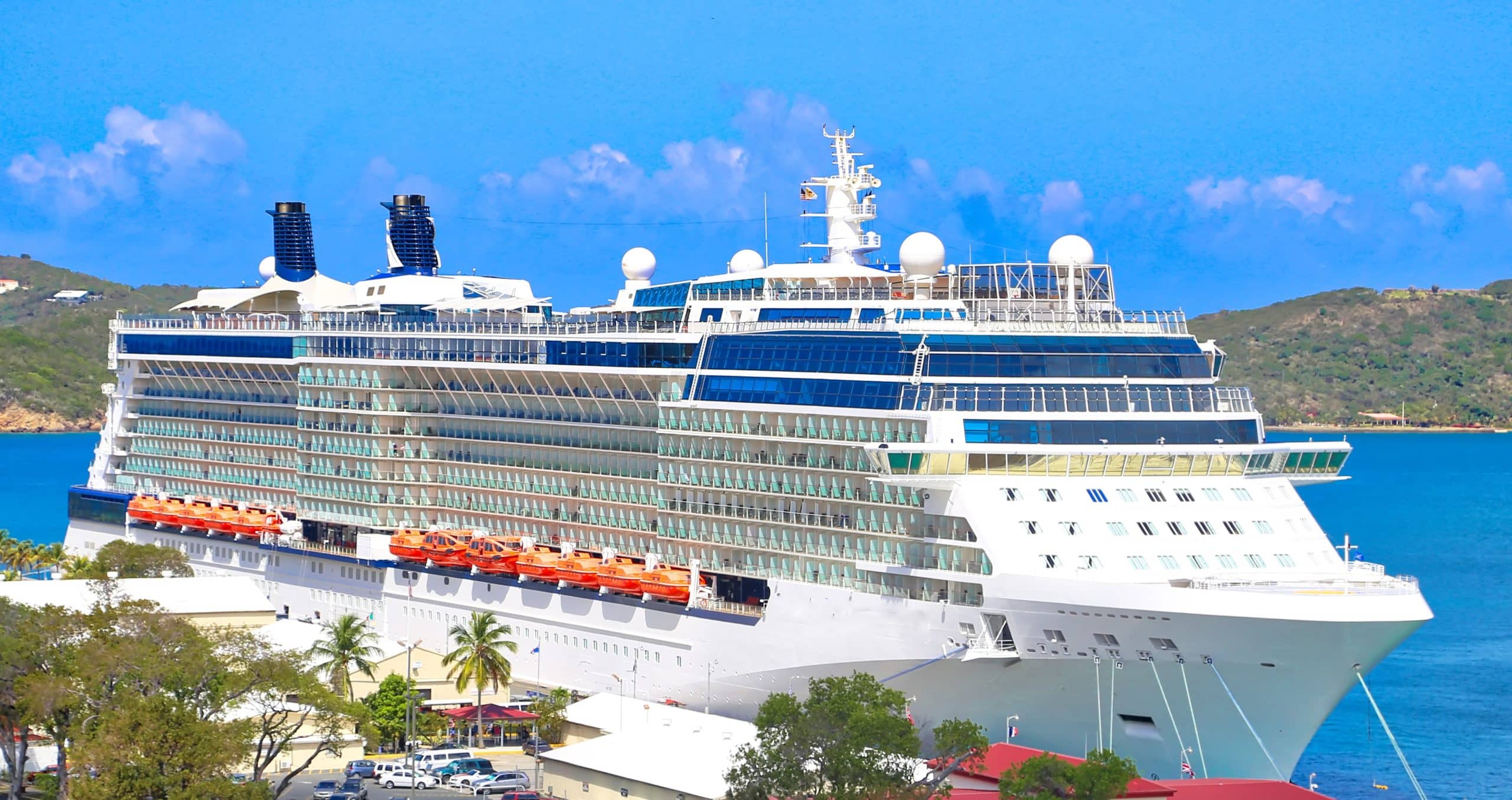
There isn’t a one‑size‑fits‑all week for cruising. The right moment depends on what you want, starting with your destination. Next, consider climate. Many travelers favor sunny stretches with little rain. If you prefer calmer ports and ships, avoid peak vacation periods.
That choice often means cooler days and a higher chance of showers. If cost is the priority, scan shoulder‑season departures when demand dips and fares often follow. Do not automatically skip peak dates. Older vessels or less‑popular cabin types can still price well, especially on routes with many ships.
Quick Reference
| Region | Best Weather | Lowest Fares | Least Crowded | Notes |
|---|---|---|---|---|
| Alaska | Jun–Aug | Apr–May, Sep–Oct | Shoulder months | Long daylight in Jul, mosquitos inland late Jun–Jul |
| Caribbean & Bahamas | Dec–May | May, Sep–Nov | Late Apr–early May, late fall | Hurricane season Jun–Nov |
| Mediterranean | Apr–May, Sep–Oct | Apr–May, Sep–Nov | Spring and fall | Heat spikes Jul–Aug |
| Hawaii | Jun–Aug | Fall | Spring | Whales Jan–Mar |
| Northern Europe | Jun–Aug | Apr–early Jun, Sep–Oct | Shoulder months | Midnight sun early Jun–mid Jul |
| Panama Canal | Dec–Mar | Avoid holidays | Oct–Nov | Rainy season may linger into Nov |
| Mexico Pacific Coast | Nov–May | Jun–Oct | Nov–May | Summer heat and storms |
| Canada & New England | Jun–Aug | May–Jul | Spring | Peak foliage mid Sep–Oct |
| Bermuda | Apr–Jun | Apr–Jun, Sep–Nov | April | Warmest water Jul–Aug |
| Australia & New Zealand | Dec–Feb | Sep–Nov, Mar–May | Shoulder months | Wet season in tropical north |
Alaska
Alaska’s sailing window runs from mid April to September, with a few itineraries into early October. Each month has its perks, depending on your priorities.
May is often the driest, with generous sunshine and daytime highs in the 50s. It is excellent for wildlife spotting as gray whales migrate and animals like Dall sheep and moose reappear alongside migratory birds. In April, expect crisp, pleasant days and nights long enough to allow a possible northern lights sighting. July is peak season with the warmest temperatures and lengthy daylight. It is prime for humpback whales, bears, and migrating shorebirds and puffins. Mosquitos can be bothersome in late June and July, especially inland.
Shoulder periods in April, May, September, and October often show the best pricing. Sample starters for a seven night Inside Passage loop from Seattle in May 2025 appear around $549 per person. In September a similar itinerary is about $544. By late June and July, fares are nearer $607.
Shoulder months bring fewer families because school is in session. Early spring may find some shops unopened. In fall, tour hours can shrink or end. The upside is cooler temperatures, quieter towns, and end‑of‑season souvenir sales.
Caribbean & Bahamas
Warm seas and sunshine make this region attractive most months of the year.
May often shines at the start of shoulder season, with especially pleasant conditions in southern islands. Expect daytime highs in the 80s and evenings in the 70s. January through March also deliver excellent weather. January begins the dry season with lower humidity and temperatures in the 70s to 80s.
Shoulder season from May through November precedes the December to April peak and typically offers stronger deals, especially May and September through November. Seven night May 2025 options from Tampa show from $519 per person. Since Atlantic hurricane season runs from June 1 to November 30, travelers should balance potential savings with possible weather changes. Summer often prices higher because of family travel. Sample weeklong fares from June to August run roughly $579 to $906 per person.
Late fall and the lull between Thanksgiving and Christmas are typically calmer. Late April to early May also quiets after spring break and before schools let out.
Mediterranean

Most Mediterranean sailings run from April through November, with peak months from June to September. Some itineraries continue into winter for warmer southern locales.
Spring in April and May and fall in September and October bring many sunny days and comfortable temperatures. July and August are the busiest and can be very hot, often 85°F or higher.
Shoulder periods usually price better. From April to May and September to November, cooler temperatures, a higher chance of rain, and fewer family trips translate to more availability and lower fares. A seven night Western Mediterranean route from Barcelona to Rome in May 2025 starts near $1,328 per person. The same itinerary in September is about $1,088. In mid June, it is roughly $1,108. With more ships sailing in midsummer, flexible travelers might still find occasional lower fares.
Lower prices align with smaller crowds. Summer is packed across Greek islands and major cities in Italy, France, and Croatia. Spring and fall bring fewer tourists, cooler weather, and better value. Most attractions are fully open and lines are shorter.
Hawaii
Sailings run year round. One ship circles the islands continuously, while others operate one way or round trip from the U.S. West Coast, often September through April.
Hawaii has two main seasons. Summer runs May to October. Winter spans November to April. Daytime temperatures hover near 80°F in summer and the upper 70s°F in winter. The driest months tend to be June, July, and August.
Fall usually prices better with students back in school. Summer and spring break run higher because of family and honeymoon travel. Despite heavier rain from January to March, winter is also peak for visitors and whale sightings. A seven night round trip from Honolulu in November or early December 2025 starts near $2,021. Mid January to mid February 2026 fares start around $2,172. One June 2025 option lists as high as $3,433. Book early for peak months, or watch for last minute deals if you are flexible.
Spring tends to be calmer, though March and April can see spring break spikes. Summer is busiest. Winter draws whale watchers and surfers. Expect January crowds on Oahu and Maui around major sporting events.
Northern Europe
Sailings to fjords, the Baltic, and broader Northern Europe typically run from April to October. Select winter itineraries chase the northern lights.
Mid June through August brings the warmest conditions. In northern Norway there is nearly 24 hours of daylight from early June to mid July. April to early June and September to October offer comfortable temperatures. Pack layers.
Shoulder months generally undercut summer prices. For example, a 14 night Norway voyage in early May 2025 is around $1,300. A mid June option lists about $2,141.
Shoulder windows feature fewer passengers and lighter lines in cities and small towns. You may even have attractions nearly to yourself.
Panama Canal
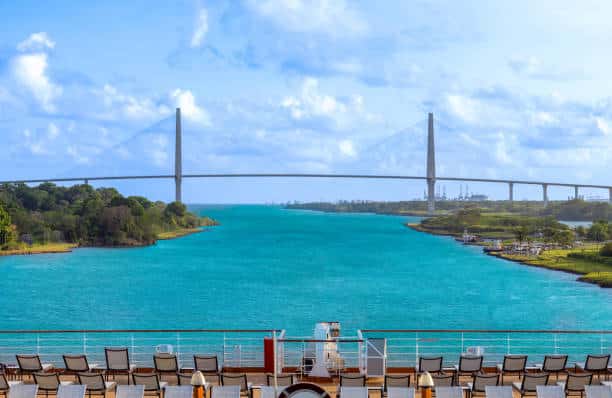
Crossing from the Caribbean to the Pacific is a bucket list journey. Expect tropical conditions with periodic showers. The main season runs from October through April.
January and February often bring moderate temperatures in the mid 70s to low 80s and drier days. Those months are ideal for hiking and kayaking in Panama and Costa Rica. December, March, and April can also be pleasant. The rainy season may begin by mid March and continue into fall.
Comparisons are tricky because many operators have short seasons or rotate routes. Skipping holiday weeks often helps travelers find lower prices. An eight night Canal itinerary in February 2025, round trip from Tampa, shows from about $1,256 per person. A Christmas departure starts near $1,649.
Late rainy season months, October and November, see fewer tourists, though showers linger. Check local festival calendars. Major celebrations in early spring and from November into winter can crowd ports and affect opening hours ashore.
Mexico Pacific Coast
This coastline sees ships year round, but most routes run fall through spring before vessels redeploy north for summer.
Dry season from November to May is the safest bet for stable conditions. If you want warmer temperatures, aim farther south to ports such as Cabo San Lucas, Puerto Vallarta, and Mazatlan.
Summer and early fall often price best but bring 90s and high humidity, plus rainy season storms and potential hurricanes. A seven night round trip from Long Beach starts near $649 in June. The same route in October is about $559 per person.
Dry season months tend to be quieter with school in session. Avoid end of year holidays and spring break in March and early April if you want fewer crowds.
Canada & New England
Sailings run from May through October, with a few departures beginning in April. Capacity grows from August to October as leaf peeping peaks.
Summer brings many of the region’s best days. Boston and New York often sit around 80 to 90°F. Humidity can make it feel hotter. Coastal Maine and parts of Canada see July highs in the 70s°F. Evenings can be cool. Summer is also prime for whale spotting off Newfoundland, including humpbacks. If fall color is your goal, mid September through October is prime. Pack layers for cooler nights.
Look at trips before August. A seven night route from Boston to Quebec City in May 2025 starts near $924 per person. A similar seven night trip in mid September is about $1,189 per person.
Spring shoulder season is calmer with schools in session and before peak foliage. Summer is busy for families and warm weather. Late September through October brings more ships and town crowds as colors peak.
Bermuda
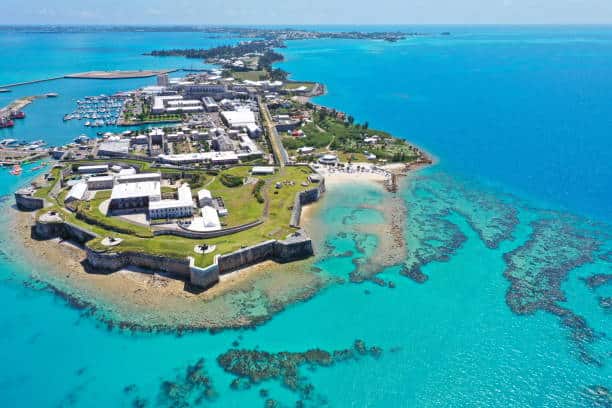
Bermuda’s main season spans April through November, with occasional December calls. Despite pink sand beaches and brilliant water, winter can dip to the low 60s and high 50s.
April is a standout with temperatures in the 70s and relatively low rainfall. May is also quite dry. May and early June see highs rising into the low 80s. July and August are hotter and humid but ideal for beach days, with water around 81°F.
April through early June and September through November often show lower pricing. A seven night round trip from Boston in April 2025 starts near $719 per person. The same itinerary is about $969 in June and $1,019 in July.
For quieter beaches, pick April. Festivities occur, but it is still early in the tourist calendar. Late spring through fall brings festivals, sports, golf events, family vacations, and seasonal residents returning.
Australia & New Zealand
Peak season generally runs from early October through late April, which is spring and summer in the Southern Hemisphere. A few itineraries extend beyond these months.
December through February usually offers excellent conditions, with major cities in the 70s to 80s°F. In Australia, summer suits southern beaches. Farther north toward tropical Queensland, expect wet season patterns with mostly sunny days and frequent afternoon or evening storms. In New Zealand, expect long sunny days and mild nights that are great for beaches, outdoor adventures, and water sports.
Target shoulder seasons, September to November and March to May, for better value. Avoid December holidays when fares spike. A 13 night round trip from Sydney in March is listed around $2,153. A similar 13 night plan in December is roughly $2,567.
Shoulder months bring fewer visitors and slightly lower pricing. If you want a calmer vibe, avoid New Year’s festivities, especially in Sydney. Australia Day in late January also draws big crowds.
FAQs
Is hurricane or cyclone season worth it for savings?
It can be if you are flexible and comfortable with itinerary changes. Expect better prices but a higher risk of disruption.
When should I book for the lowest prices?
Shoulder seasons often undercut peak months. Book early for limited cabin types, then monitor for price adjustments when the cruise line’s policy allows.
How far in advance should I secure excursions?
Popular tours can sell out months ahead during peak periods. In shoulder months you have more leeway, but reserve must‑do experiences early.
