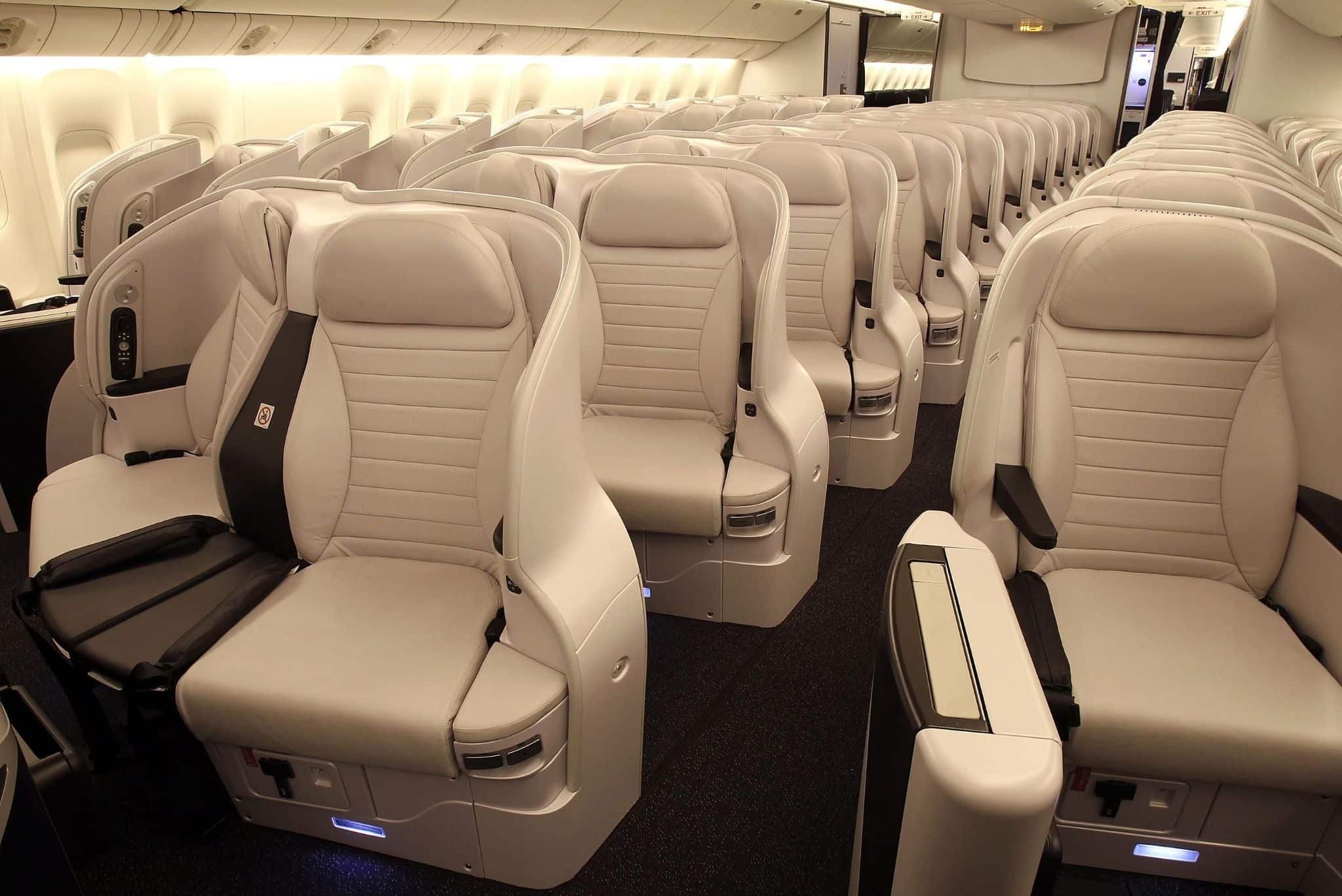
Premium economy sits in a narrow window where comfort improves fast but prices don’t always keep up. When fares soften, this cabin becomes one of the best values in long-haul travel. The trick is understanding how airlines price it and knowing where travelers consistently miss savings.
This isn’t about chasing luxury. It’s about flying longer distances without stepping off the plane, sore, foggy, and annoyed that you paid almost as much as business class without meaning to.
How Premium Economy Is Usually Priced
| Cabin Type | Typical Long-Haul Cost | What Changes Most |
|---|---|---|
| Economy | $400–$700 | Tight pitch, basic service |
| Premium economy | $800–$1,300 | More space, better meals, earlier boarding |
| Business class | $3,000+ | Flat beds, lounges, full service |
When demand dips or sales hit, premium economy often slides into the $600–$900 range. That’s where the math starts to favor upgrading.
Why Premium Economy Discounts Exist At All
Premium economy cabins are small, and airlines use them to fine-tune pricing. If seats aren’t moving, fares drop quickly. If a route fills, prices spike faster than the economy.
This cabin reacts harder to demand shifts than any other. That volatility creates opportunity for travelers who watch pricing patterns instead of locking into fixed dates too early.
What Actually Improves Onboard
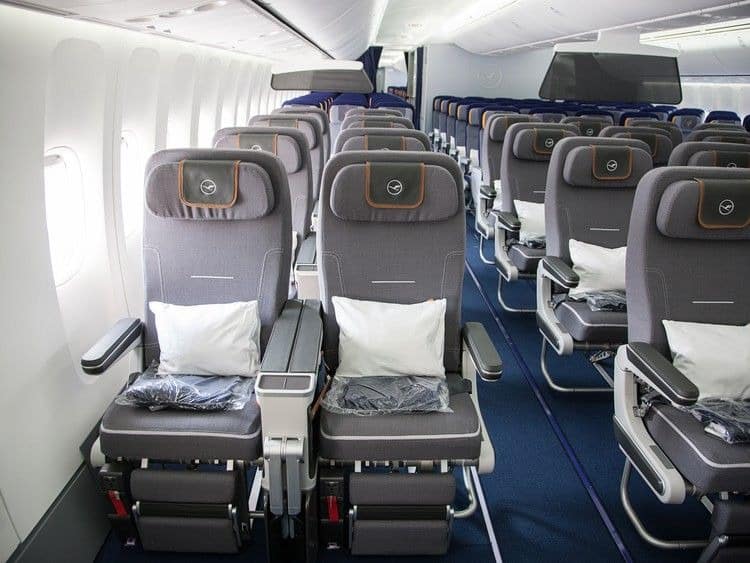
The biggest upgrade isn’t the food. It’s space. Seat pitch increases enough to change how your legs and lower back feel after several hours. Recline improves slightly, but the real difference comes from seat width and armrest spacing.
Boarding earlier reduces overhead bin stress. Meals arrive on proper trays instead of sealed boxes. Drinks come around more often. Many tickets include an extra checked bag, which quietly offsets part of the fare difference.
These changes don’t sound dramatic on paper, but together they make overnight flights far easier to recover from.
Timing Matters More Than The Route
Midweek departures consistently price lower in premium economy. Tuesday and Wednesday flights tend to undercut weekend pricing because demand stays lighter across all cabins.
Season matters too. January, late April, May, and early fall produce the most reliable discounts on long routes. Summer compresses pricing upward, especially once school calendars drive demand.
Early morning departures and overnight flights also help. These time slots sell more slowly, and premium economy pricing reflects that hesitation.
Flexible Airports Create The Biggest Savings
Premium economy deals cluster around major international gateways. If you don’t live near one, short positioning flights can unlock much lower long-haul fares.
One extra domestic leg can shave hundreds off a premium economy ticket. The savings often exceed the cost of the positioning flight by a wide margin, especially when paired with flexible travel dates.
Connections work the same way. Direct routes command higher pricing. One-stop itineraries often discount premium economy aggressively to compete for attention.
Alerts Beat Manual Searching Every Time
Premium economy deals don’t linger. When prices drop, they usually rebound within days or even hours.
Alerts work because they monitor routes continuously instead of relying on occasional searches. The most useful setups track multiple departure airports and wide date ranges rather than one narrow trip window.
Mistakes and short promotions still happen, but only travelers watching consistently ever see them.
Sales Favor Prepared Travelers
Premium economy sales appear quietly and disappear fast. They don’t always line up with big retail events. Many show up mid-season when airlines need to rebalance cabin inventory.
Travelers who benefit already know their acceptable price range. When a sale hits, they book instead of waiting for something better that may never appear. Preparation matters more than timing.
Points And Cards Can Help If Used Carefully
Points systems can reduce premium economy costs, but the value varies widely by route and date. Sometimes, paying cash during a sale beats using points at a poor conversion.
Cards help most through credits, protections, and bonus earnings rather than upgrades. Comparing cash prices against points redemptions before booking prevents overpaying in either direction. Flexibility still does most of the work.
Always Compare What’s Included
Two premium economy fares can look similar and land far apart once extras are added. Seat selection, baggage, and change rules vary more than many travelers expect.
A slightly higher base fare often wins once fees are counted. This matters more on longer trips where comfort features actually affect the experience. Reading fare details saves money later.
Booking Windows That Tend To Hold
International premium economy pricing often stabilizes two to eight months before departure. Domestic premium economy behaves better closer in, usually one to three months out.
These aren’t guarantees. They’re patterns that help you recognize when pricing looks normal versus inflated.
When Premium Economy Makes Sense
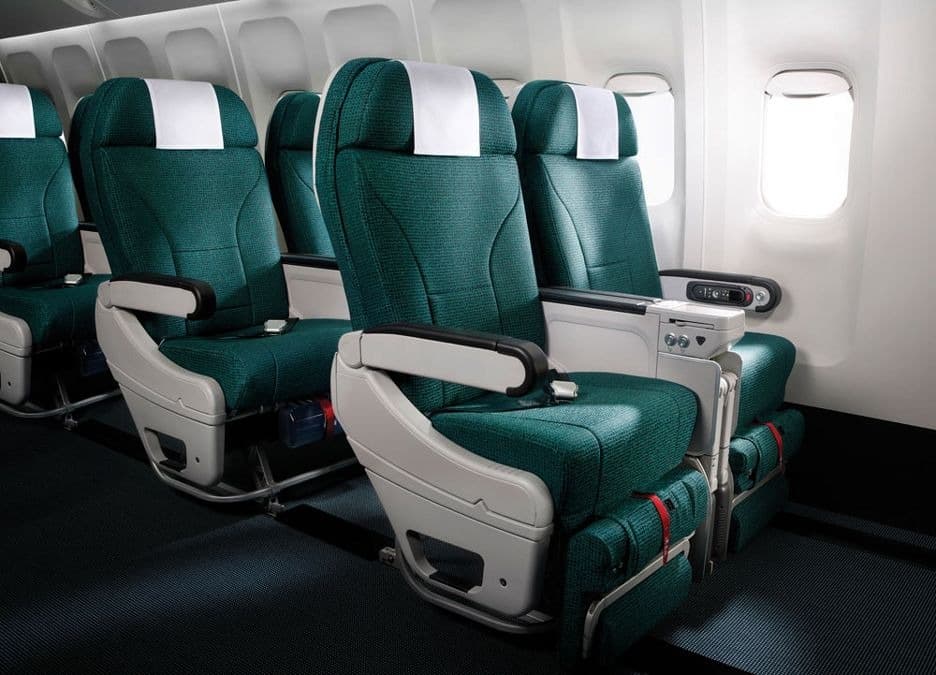
Premium economy earns its keep on overnight flights, long distances, and busy travel periods. It’s less compelling on short daytime routes where economic discomfort doesn’t accumulate.
The travelers paying the least aren’t chasing last-minute upgrades. They plan for this cabin early, stay flexible, and move quickly when prices soften.
Handled that way, premium economy stops feeling like an indulgence and starts feeling like the practical middle ground it was meant to be.
Upgrade Comfort Without Paying Business Class Prices
Premium economy deals reward travelers who watch pricing patterns instead of defaulting to economy or overspending on business class.
Inside The Miles Academy, members see real examples of when premium economy quietly drops into its value zone, so you’re upgrading comfort when the math works, not after prices rebound.
When a softer premium economy fare appears, and you need to quickly compare routes, gateways, and timing options before it disappears, this simple card finder tool helps speed up decisions without opening endless tabs
