
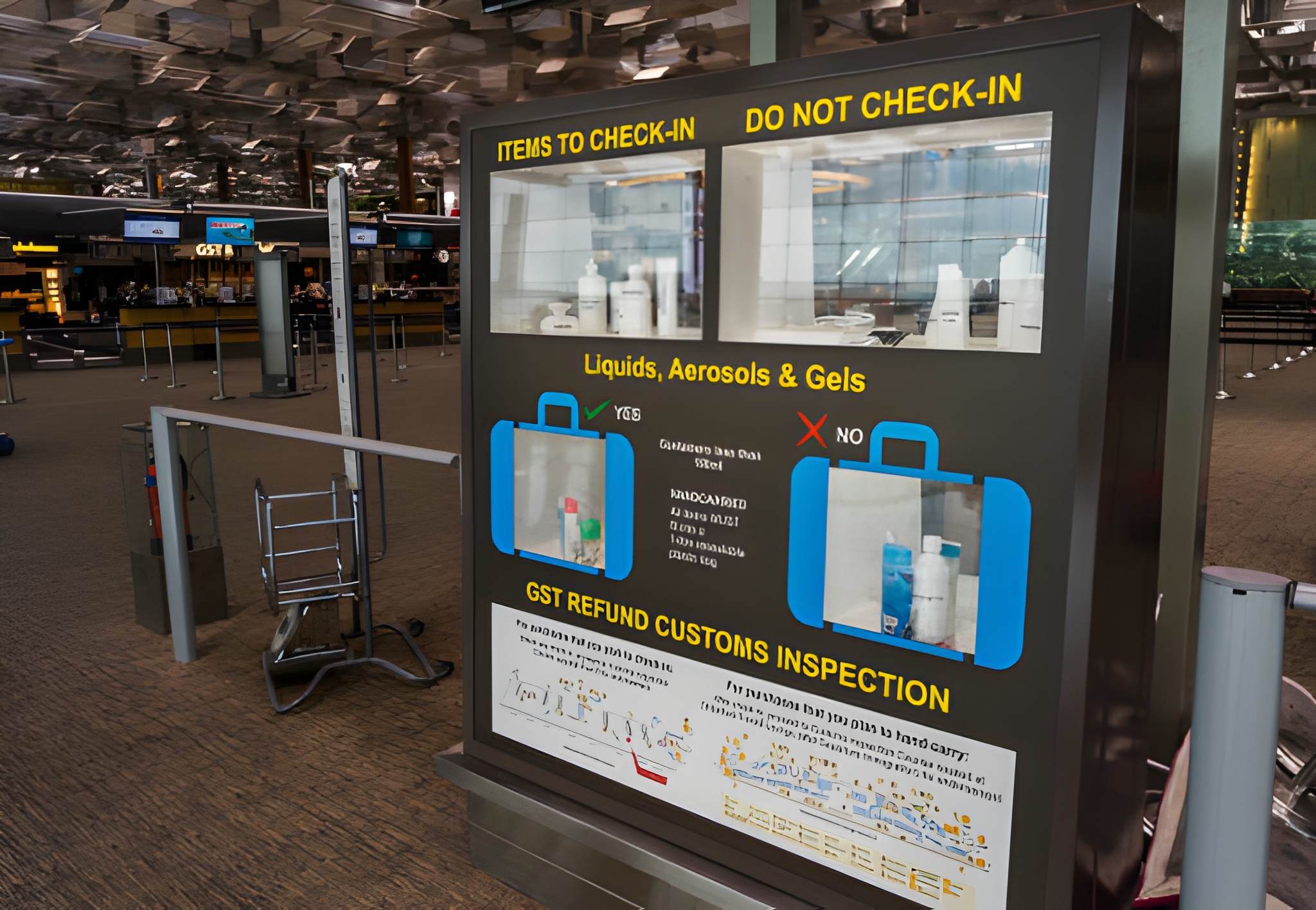
Airport security does not care if your snack is fancy. It cares if that snack behaves like a liquid.
After decades of early flights and late connections, the pattern stays the same. Solid foods usually glide through. Anything that can pour, spread, scoop, or squish into a paste can get treated like a liquid or gel, which means the small-container rule applies in your carry-on.
How Screeners Decide If Food Can Go In Carry-On
Most checkpoint decisions come down to one question. Does the item hold its shape on its own, or does it act like a sauce.
Firm foods that keep their shape are typically fine in a carry-on. Dense items can trigger a closer look on the scanner, so expect a quick bag check sometimes.
Liquids, gels, and spreadables follow the carry-on liquids limit. If a container is bigger than 3.4 ounces (100 ml), it belongs in a checked bag if you want to keep it.
The Solid Foods That Usually Pass Through
The easiest way to avoid a bin-side repack is to pack foods that stay solid, seal well, and do not leak when your bag gets jostled.
Firm Cheese And Sealed Cured Meats
Hard and firm cheeses, plus vacuum-sealed cured meats, are usually fine in a carry-on because they count as solids. They also travel better because they do not ooze and they hold up at room temperature for a while.
Soft cheeses can be a problem because many of them smear like a spread. When a cheese behaves like a paste, it can fall under the liquids-and-gels rules, which pushes it into small containers or checked luggage.
Dry Spices, Coffee, And Other Pantry Staples
Dry spices, tea, coffee, flour blends, and seasoning mixes are generally allowed. The practical trick is keeping them in sealed packaging with a label. Loose powders in an unmarked bag can slow you down because they often need extra screening.
Dried pasta, beans, lentils, rice, and grains are typically fine in carry-on or checked bags. If you are packing them in glass, cushion the jar like you would a camera lens and keep it away from the edge of your bag.
Packaged Snacks That Do Not Make A Mess
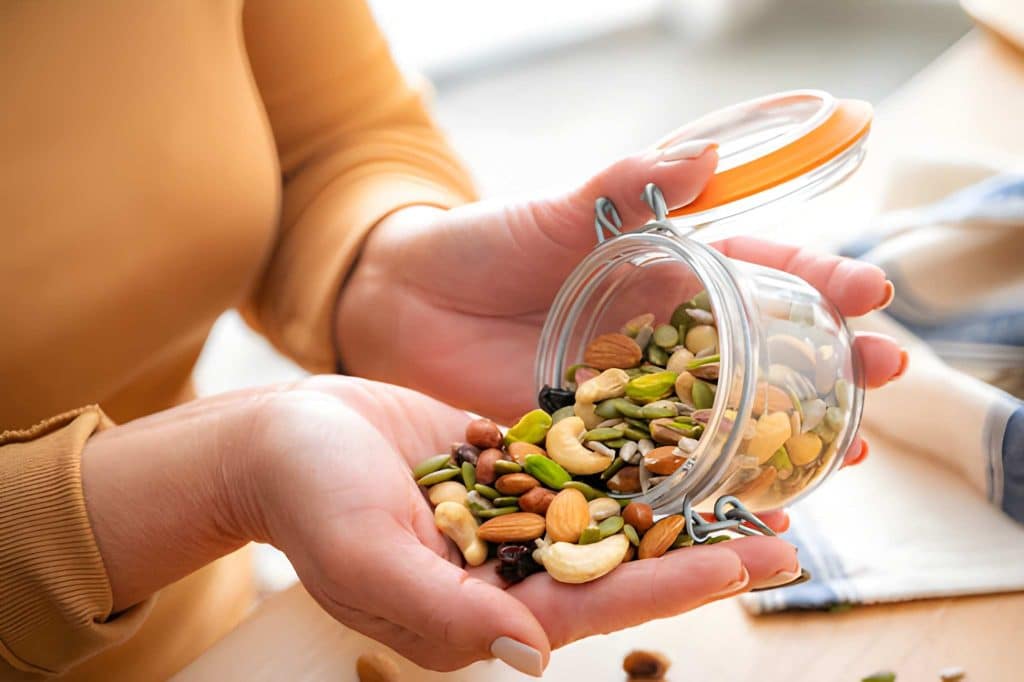
Factory-sealed snacks like crackers, chips, cookies, and nut mixes are among the least stressful items to fly with. If you are packing something crumbly, use a hard container so it does not turn into powder across your backpack.
Chocolate, Candy, And Baked Goods
Chocolate bars and candy are carry-on friendly. Heat is the only enemy, so a small insulated pouch can save your bag from becoming a melted brick.
Bread and pastries are also usually fine. Wrap them well and consider a rigid container so your loaf does not get flattened by your laptop.
Eggs And Simple Cooked Meals
Whole eggs are typically allowed, even though they have liquid inside. They just need protection. An egg case or a hard-sided container keeps you from discovering breakfast all over your clothes.
Cooked foods like sandwiches, grilled items, and pasta dishes usually pass when they are not swimming in sauce. If you need a dip or dressing, keep it in a small container that meets the liquids limit, or pack it in checked luggage.
Pizza, Cakes, And Pies
Pizza, cakes, and pies are usually allowed in carry-on luggage. Dense fillings, especially fruit-heavy pies, can look odd on the scanner and may earn you a quick inspection. Pack them where you can lift them out without unpacking your whole bag.
Baby Feeding Items Get Special Handling
Traveling with an infant changes the rules in your favor. Breast milk, formula, and baby food can be carried in quantities larger than the usual liquids limit, but you should expect separate screening. Keep those items together, easy to remove, and in containers that seal tightly.
Spreads, Sauces, And Gels That Get Sized
Some foods are not obvious until you picture them on a spoon. If you can spread it on bread or scoop it like a dip, plan for liquids rules in carry-on.
Common troublemakers include items like yogurt, pudding, applesauce, hummus, salsa, creamy dips, peanut butter, jam, jelly, honey, syrups, gravy, and soup. If you want to carry them on, keep each container at 3.4 ounces (100 ml) or less and store them with your other liquids.
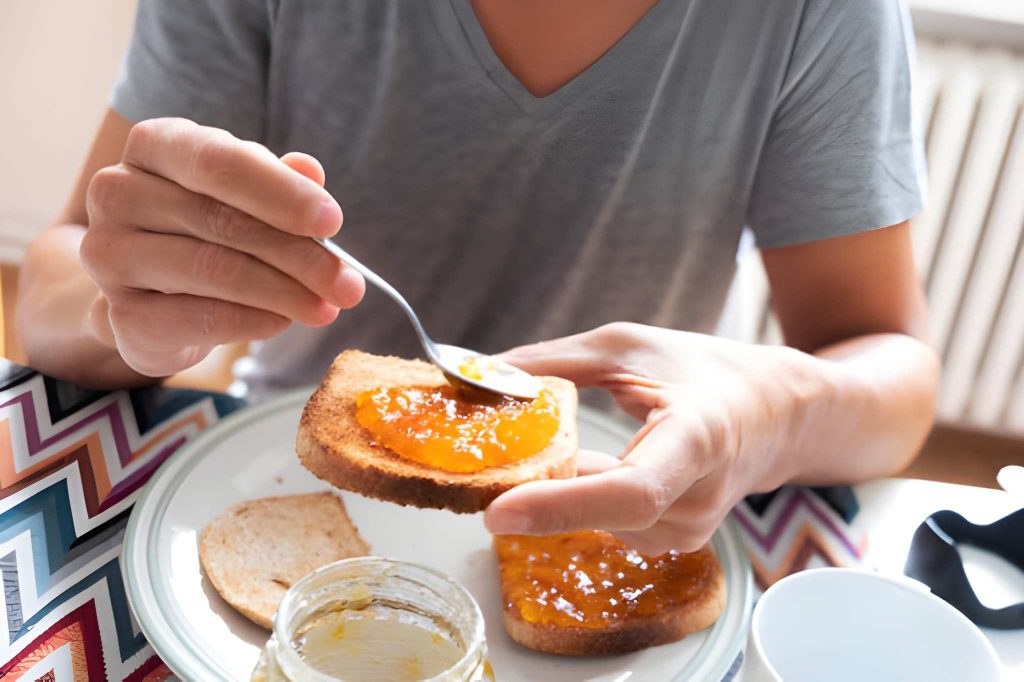
If you want larger quantities, checked luggage is the clean solution. Use leakproof containers, wrap the lid with a bit of plastic wrap before tightening, and then bag it again. Cabin pressure changes and rough handling can turn a “sealed” jar into a sticky surprise.
Why Cans And Jars Often Belong In Checked Bags
Canned foods often get blocked at the checkpoint because they contain liquid and the contents cannot be inspected easily. If you are bringing canned seafood or similar items, pack them in checked luggage.
Glass jars can fly, but they need smart packing. Cushion them in the middle of your suitcase, keep them upright when possible, and separate each jar so clinking does not turn into cracking.
Frozen Foods And Ice Packs Need To Stay Solid
Keeping food cold is allowed, but only if your cold source stays solid.
Frozen foods can pass in carry-on, including meat and seafood, when they are frozen solid at screening. Gel packs and freezer packs also need to be frozen solid. If they are slushy or have liquid at the bottom of the container, they can be treated like a liquid.
If you fly with cold items often, a small insulated bag plus extra frozen packs helps. The goal is not gourmet. The goal is arriving at the checkpoint with everything still rock hard.
Powders That Commonly Trigger A Bag Check
Powders are allowed, but large amounts can slow you down. Protein powder, powdered drink mixes, flour, and big bags of spices may need additional screening in carry-on luggage.
The useful move is simple. Keep powders in their original container, avoid overstuffing the lid, and place larger powder containers somewhere you can pull out quickly if asked.
Alcohol Rules That Catch People Off Guard
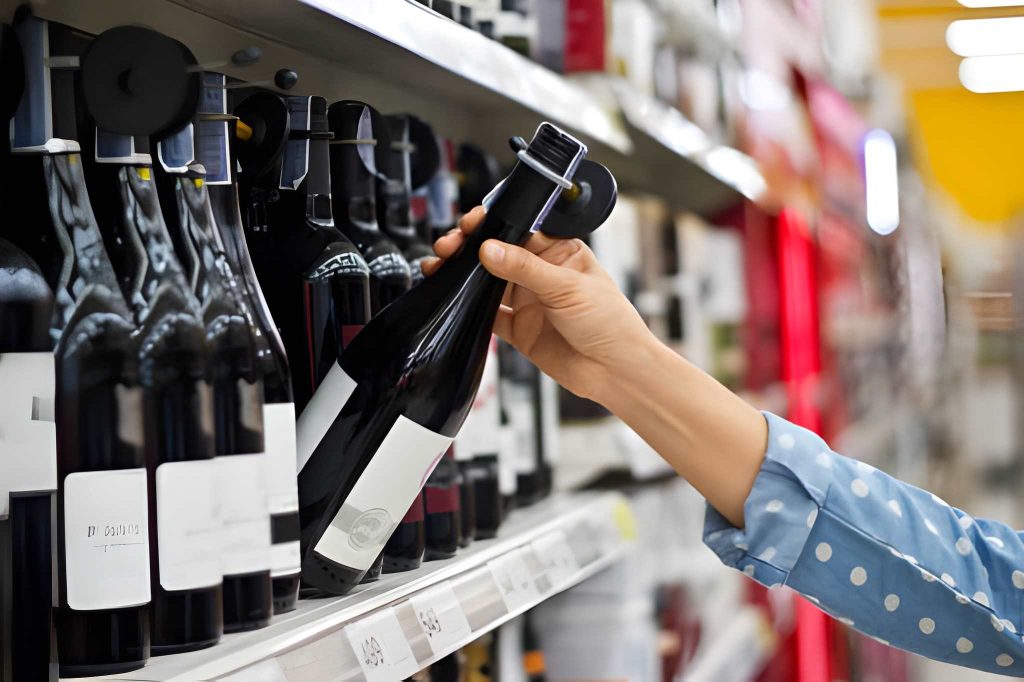
High-proof alcohol is restricted. Anything over 70% alcohol by volume is typically not allowed in carry-on or checked luggage.
For lower-proof alcohol, checked luggage is usually the safer option because liquids in carry-on are limited by container size. When you check it, quantity limits can apply, and a common cap is 5 liters per passenger for alcohol in the 24% to 70% range, packed in unopened retail packaging.
One more detail that surprises people. You cannot drink your own alcohol on the plane unless the crew serves it.
Produce Rules That Change On Certain Routes
Within the same country, fruits and vegetables are often fine when they are solid and not leaking. Still, some routes have agricultural restrictions, and certain items can be confiscated.
Crossing a border is where things get tougher. Many countries restrict fresh produce, meats, and some dairy products to prevent pests and diseases. Packaged foods with clear ingredient labels tend to fare better than loose items.
If you are entering a new country, declaring food when required is the smart move. Declaring does not automatically mean you lose it. It usually means an officer can decide quickly whether it is allowed.
Join Us For Checkpoint-Proof Food Packing
If flying with food still feels like a guessing game, you do not need to keep learning the hard way at the checkpoint. Inside our free TheMilesAcademy community, we share practical checklists and quick examples from everyday trips, like how to pack dips so they do not leak, how to keep frozen items solid through a long line, and what to pull out first when screening wants a second look.
It is also the best place to ask a simple question before you fly and avoid a bin-side repack. Post what you plan to bring, and we will help you spot the common problems, like a spreadable item hiding in your “snacks” pile or a jar that needs better cushioning.
When you are planning trips more broadly, use our free card finder tool to match your travel style with a card that fits how you spend and how you travel. A good fit can make the whole trip smoother, from day-to-day travel purchases to the protections and perks that matter when plans change.
