

January is when travel plans either become bookings or turn into a soft promise that fades by spring. If you want a trip to happen this year, now is the moment to make a few smart decisions that protect your time, your money, and your energy.
Early in the year, you have leverage. Popular weeks for school breaks and big events sell out first, and lodging in good neighborhoods disappears fast. Passport renewals and entry paperwork can also take longer than you think, which turns a fun idea into a stressful countdown.
We also see the same money mistake every year. People price a trip without a plan, then try to fix it with last-minute bookings. That is when you pay the most.
At TheMilesAcademy, we plan trips the same way every time. We set a clear budget cap, pick a travel window with a backup, and build a points strategy that matches how you actually spend. Then we book the few things that lock in value, and we leave room for the decisions you can make better after you arrive.
Claim Your Travel Window Before Schedules Fill Up
Start with the kind of trip you want, not the destination.
Are you chasing rest, food, museums, outdoor time, family, or a mix? Trip type changes everything, like how much moving around you can handle and what kind of lodging will make you happy.
Then choose a travel window you can defend. In January 2026, you can still grab good weeks before work projects and family plans pile up.
We like a simple approach.
- Pick your best window.
- Pick a backup window.
The backup keeps your plan alive when life shifts. This is the difference between “we should go” and “we booked it.”
Set A Budget Cap Before You Pick A Place
Before you fall in love with a destination, decide the maximum you will spend all-in.
This cap keeps you from wasting hours browsing trips you cannot comfortably afford. It also stops the slow creep where every “small upgrade” adds up to a number you did not plan for.
Split the cap into the buckets that drive cost.

- Transport to get there and back
- Lodging
- Food
- Local transportation
- Activities
- Buffer money for surprises
You do not need perfect estimates today. You just need boundaries.
Also decide how you will pay. If you cannot pay your statement balance in full, keep the plan cash-based and dial the trip down. Interest makes travel more expensive long after the photos stop being fun.
Choose Your Trip Length With Energy In Mind
Trip length is where most people accidentally sabotage their own budget. Too short, and you spend a weird amount on taxis, rush fees, and overpriced food because you are always in a hurry. Too long, and you burn energy and start paying for comfort every day just to keep going.
If you have 3 to 5 days, pick one base and treat it like a neighborhood trip, not a country tour. Stay near the sights you care about, build one “must-do” per day, and leave a couple of open blocks for wandering. Your trip feels fuller when you are not dragging bags across town every morning.
If you are crossing time zones, plan at least 7 days when you can. The first day often runs slow, especially if you arrive early and cannot check in right away. We plan that day around easy wins like a simple meal, a short walk, and an early night. If you schedule a big day tour immediately, you will pay for it with exhaustion.
Two small choices make longer trips smoother. First, add one slower day every 4 to 5 days. Second, budget for the “tired tax,” meaning an extra ride, a basic dinner near your lodging, or paying for a seat or bag because you do not want another problem. Put it in the plan now so it does not feel like a mistake later.
Pick A Destination That Matches Your Budget And Pace
It is easy to choose a destination based on what looks good online. We choose based on what will feel good on day four.
Start with one question: do you want a trip where you do everything on foot, or a trip where you jump between neighborhoods by train, bus, or rides? If you want to walk a lot, pick a place where you can afford to stay central. If you cannot, the commute becomes your hidden expense and your hidden stress.

For value trips, we pay attention to “daily friction” costs: airport transfers, local transit, and the price of a normal meal. A destination can look affordable on paper, then drain your budget because every move costs money. We would rather spend on one great experience than on ten small fees you never remember.
If your dream place is expensive in your travel window, use the gateway move. Fly into a nearby major city that has more competition and better fares, then connect onward by train or a short regional flight. It is not glamorous, but it often saves enough to pay for a nicer place to stay or an extra experience.
We also keep your plan honest by choosing one main base and one optional add-on. The add-on stays optional until prices behave. That is how you keep flexibility without turning the trip into a constant replan.
Price Three Sample Days Instead Of Guessing
Instead of trying to price every detail, we build a budget you can trust by sampling the way you will actually spend.
Pick three days that represent your trip. A low-key day, a normal sightseeing day, and a “big” day with one paid experience, like a guided tour, a day trip, or a class. For each day, estimate lodging, food, local transportation, and your activity cost.
Here is the part most people miss. Price your day the way you behave when you travel. If you always stop for coffee and a snack, include it. If you like a sit-down dinner most nights, include it. If you hate long walks at the end of the day and tend to grab atmoose or a short ride, include it.
Once you have three sample days, average them and multiply by your number of days. Then add a buffer. We usually add 10% to 20%. A tight itinerary needs a bigger buffer because it creates paid fixes, like luggage storage, last-minute transport, or swapping to a more convenient option when time is short.
If the total is too high, do not panic. You have three levers that work every time. You can shorten the trip, you can pick a different destination, or you can change your travel style by choosing simpler lodging or fewer paid activities.
Turn Your Trip Budget Into A Weekly Habit
January is perfect for saving because your schedule is still flexible and your spending is easier to control. The trick is to turn your trip budget into a routine you do not have to debate every day.
Convert your trip total into a weekly target. Weekly targets match how you actually spend, and they show you quickly if your plan is working. Then automate a transfer into a dedicated travel savings bucket so progress happens even when you get busy.

Next, look for one easy cut that does not ruin your life. This is usually a subscription you forgot you had, a food habit you can reduce, or a convenience purchase you make out of routine. We prefer one clean cut over ten painful micro-cuts.
If you need a jump start, do a one-time sweep. Sell a few unused items, or shift one big bill to a different due date so your cash flow is smoother. Those moves create momentum fast, which keeps your plan alive.
Use Points And Miles Without Turning It Into Homework
Points and miles work best when you keep them boring. The goal is fewer out-of-pocket costs, not a second hobby.
If you can pay your statement balance in full every month, a points-earning card can turn your normal spending into travel value. If you carry a balance, interest usually crushes the benefit, so we only recommend this approach when your payments are steady.
For most travelers, a flexible points system is the easiest starting point because it gives you multiple ways to redeem. If flights are your biggest expense, flexibility matters when award seats are limited. If lodging is your bigger cost, earning strong rewards on everyday categories can quietly stack up.
Welcome offers can be powerful, but we treat them like a deadline. We only chase offers you can complete with typical spending such as groceries, utilities, insurance, and transit. If you start buying extra stuff “for points,” you are paying for your own discount.
Keep one tracker with four fields: application date, minimum spending deadline, statement close date, and when rewards usually post. If you want help picking a setup that matches your spending and trip style, our Card Finder Tool keeps the decision grounded.
Set Up Your Payment And Cash Plan Before You Fly
Money problems on a trip usually come from two things: fees and lost access.
Choose an account or ATM card that keeps international withdrawal fees low. When the ATM offers to charge you in your home currency, decline and pay in the local currency. That conversion screen often costs more than it looks.
We also set a cash routine. We withdraw a sensible amount, then stop. Constant small withdrawals create repeated fees and repeated risk.
Carry two payment methods and separate them. One stays in your main wallet. The backup stays in a different pocket or bag. If you lose one, you can still pay for a ride, a meal, and a few nights while you sort it out.
In January 2026, also check your basics. Make sure your banking apps open, your contact info is current, and you can log in without relying on a text message that may not arrive abroad.
Handle Passports And Entry Rules While Lines Are Shorter
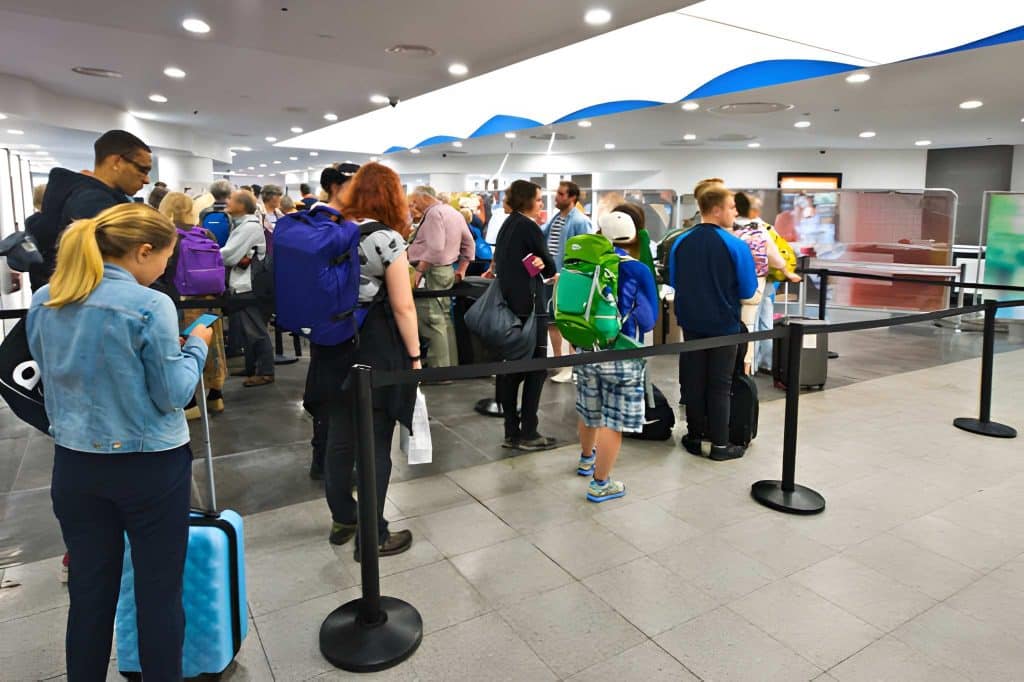
Paperwork delays kill trips more often than people admit.
Check your passport validity now. Many destinations require extra months of validity beyond your travel dates, and some airlines enforce those rules strictly at check-in.
Next, look up entry requirements for your destination, including visas if needed. If you will rent a car or scooter, check whether you need an additional driving document. If you take prescriptions, travel with enough supply and keep the details with you.
Save digital copies of your key documents in a secure place, and keep an offline copy on your phone. If your phone dies or your signal disappears, you still need access.
Do One Quick Deal Check And Then Stop Searching
Deals can help. Deal obsession can stall your trip until prices rise.
Do one focused check for levers that move the total cost. Look at nearby arrival airports, a one-day shift in departure or return, and neighborhoods with strong transit where lodging costs less. If you find a meaningful improvement, take it.
Then stop searching and move forward. The best trip is the one you actually book.
Book Flights With A Routine That Avoids Regret
Flights are often the biggest line item, so we treat booking like a checklist, not a gamble.
If you plan to redeem points, start early. Award seats can be limited, and the better schedules disappear first. If you plan to pay cash and you have flexibility, set alerts and watch prices for a short stretch. If your dates are fixed, decide what “good enough” costs for your budget cap and book when you hit it.
Before you pay, confirm the details that cause expensive headaches. Make sure the passenger name matches your passport exactly. Avoid layovers that are too tight, especially on international routes. Read fare rules that matter, like baggage limits and change fees.
Finally, compare total cost, not the headline fare. Bags, seats, and restrictions can turn a cheap-looking ticket into an expensive one.
Choose Lodging That Makes Daily Life Easier

For a short trip with a fixed plan, booking most of your stay can reduce stress, especially in busy seasons. For longer trips, we often book the first few nights, then decide once you learn the area. Many travelers pick a neighborhood that looks nice on a map, then spend the whole week riding transit.
When we choose lodging, we check details. We look at how you get there from the airport at your arrival time, whether you can walk to food and transit, and whether check-in rules are straightforward. We also scan reviews for noise patterns. Bad sleep quietly ruins good travel days.
If you want lower lodging costs and more local connection, options like hospitality exchanges, home sitting, and work exchanges can help. They also require extra care. Use reviews, set expectations in writing, and keep a backup plan in case the fit is not right.
Get Travel Insurance That Matches Your Risks
Travel insurance can help with more than medical problems. It can also protect you when flights cancel, storms delay plans, gear gets stolen, or a family emergency changes your schedule.
We have seen typical mishaps get expensive fast. A broken phone can wreck banking and navigation. An injury can lead to clinic visits and extra transport. A long delay can force you into last-minute lodging you did not plan for.
When you compare policies, focus on what fits your trip.
- Medical coverage limits that match your risk
- Trip delay and cancellation coverage that fits your schedule
- Theft and baggage coverage for what you carry
- Exclusions that affect activities you plan to do
Keep digital copies of your policy and key receipts. If you ever need a claim, records save hours.
Keep Your 2026 Trip On Track With Us
If you want this plan to stick past January, you need two things: accountability and quick answers when you hit a snag. That is exactly why we built the free TheMilesAcademy community. It is where travelers compare notes, troubleshoot the annoying parts like flight timing and lodging neighborhoods, and keep each other moving from “planning” to “booked.”
When you are ready to tighten the cost side, use our free Card Finder Tool. It helps you match your everyday spending to a points strategy that fits your trip, so you are not guessing which card setup makes sense for flights versus lodging. Small decisions made early in the year can turn into big savings by the time your departure week arrives.
Join the free TheMilesAcademy community, use the free Card Finder Tool, and keep your 2026 travel goals moving in the right direction.