
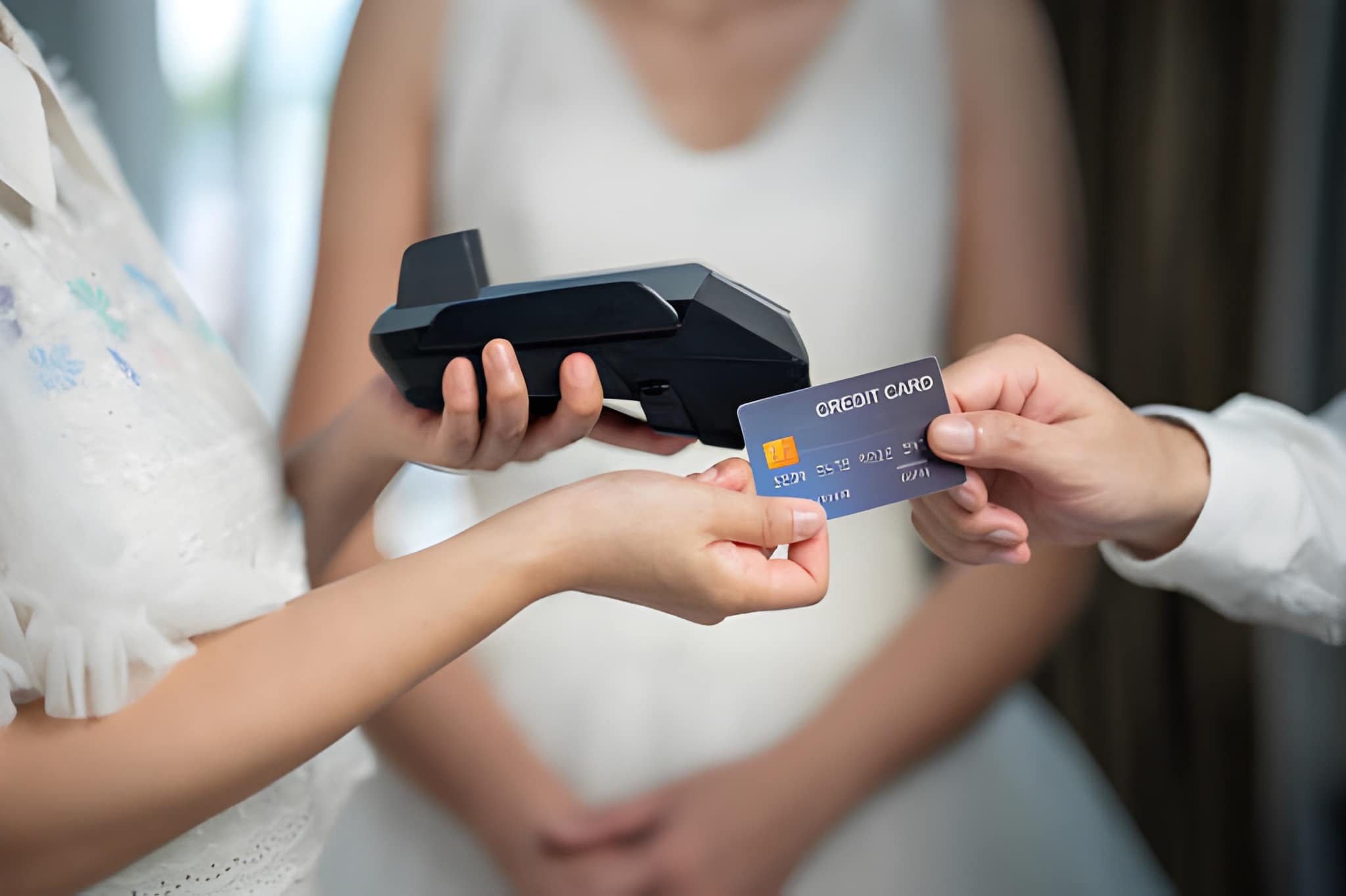
Wedding expenses come in waves. Deposits stack. Due dates sneak up. Vendors all want money on their timeline, not yours. A card can help you stay organized, earn rewards, and keep a backup plan if a vendor drops the ball, but only if you use it with a system.
Build A Budget That Matches Vendor Due Dates
A wedding budget works best when it reads like a payment plan, not a wish list. Put every big category on one page, then add two details under each one: the due date and the payment method.
If you cannot explain where the money will come from when the bill hits, that category is not funded yet. That mindset prevents the classic mistake of booking first and figuring it out later.
Pick Which Vendors To Pay With A Card
Some vendors love card payments. Others refuse them. Plenty accept cards but add a processing fee. Instead of guessing, ask each vendor three questions before you sign.
Do you take card payments? Do you add a fee? Can we split the payment between two methods?
Card-friendly wedding spending usually includes things like attire, alterations, accessories, invitations, small decor orders, beauty appointments, transportation, and travel costs tied to your wedding weekend. Big vendors like venues and catering often accept a card for deposits even if they prefer another method for the final balance.
If a vendor charges 3% on a $2,000 payment, that fee is $60. If your rewards value on that purchase looks smaller than $60, you skip the card and keep the money.
Time Big Deposits Around Your Statement Date
Most couples do not get into trouble because they chose the wrong card. They get into trouble because they did not plan around statement timing.
Here is the useful part. The day your statement closes matters almost as much as the day your bill is due. If you put a large deposit on your card right after a statement closes, you usually have more time to pay it off before the due date. If you charge it a day before the statement closes, it can spike your balance immediately and stress your budget.
A practical approach is to line up your largest wedding charges right after your statement cycle resets, then pay them down in chunks as cash comes in. This keeps you on offense instead of reacting to whatever posts that week.
Save Proof So You Can Dispute A Bad Charge
Using a card gives you leverage when something goes wrong, but leverage only works when you can prove your side.
Save every invoice and contract. Screenshot important messages. Keep proof of delivery dates and service promises. Put it all in one folder, even if that folder is just a shared drive with subfolders by vendor.
If a vendor fails to deliver or delivers something that does not match the agreement, your issuer may allow a dispute on eligible charges. In the U.S., federal billing rules also support dispute rights for certain card transactions. The smoother your documentation, the easier that process tends to be.

Turn Wedding Spending Into Useful Rewards
Wedding costs can generate a big pile of rewards because you are paying for a lot in a short window. Cash rewards can offset smaller expenses like welcome bags or last-minute supplies. Travel rewards can help with honeymoon flights, hotels, or transportation.
The key is to match your spending to the categories your card rewards well, instead of chasing every possible perk. If most of your wedding spending will run through dining, local services, and online shopping, you want strong returns in those areas. If you are covering travel and lodging for a destination event, a travel-focused card may fit better.
Rewards only stay valuable when you avoid fees and pay on time. One late payment can erase weeks of upside.
Hit A Welcome Offer Using Bills You Already Have
A welcome offer can add a large boost if you meet a spending requirement in a set time window. Weddings can make that easy, but only if you stick to planned bills.
We recommend you list the invoices you already expect to pay in the next two to three months, then highlight the ones that can go on a card without a fee. Those highlighted bills should cover the spending requirement by themselves. If you need extra shopping to hit the target, the offer is pulling you in the wrong direction.
Many wedding vendors take multiple payments, but they may schedule those payments around event milestones. Make sure you can meet the spending requirement naturally with your vendor timelines, not by forcing a giant charge too early.
Use A 0% Intro Offer With A Payoff Target
A 0% introductory interest period can help when you need to spread expenses across a few paychecks. It is useful when you have steady income and a clear plan. It turns ugly when you use it as permission to overreach.
Build the payoff plan on day one. If you put $6,000 of wedding costs on a 0% intro offer that lasts 12 months, you need to average $500 per month to finish on time. If you miss months, you will need larger catch-up payments later.

Use this simple payoff routine.
- Pay right after a big charge posts so the balance does not linger.
- Set autopay for at least the minimum, then add a manual payment every month.
- Make one extra payment during heavy vendor months.
After the intro period ends, any remaining balance can start accruing interest at the regular rate. The terms vary by issuer, so read the details before you rely on the promo.
Stop Upgrades From Quietly Blowing The Budget
Weddings make people spend emotionally. A card makes it easier to say yes to upgrades because the pain feels delayed.
We like a weekly money check-in. Look at what you paid, what is scheduled next, and which categories are creeping up. If a new expense pops up, you decide what it replaces. That single habit keeps the budget from quietly expanding.
Most issuers also let you set alerts for large purchases and balance thresholds. Use them as guardrails. If you see an alert, you pause and decide, not panic.
Keep Your Utilization From Spiking
Wedding balances can rise fast, and that can raise your utilization ratio, which is the share of your available credit you are using. A high ratio can temporarily lower your score. It often improves as you pay balances down, but timing can still matter if you plan to apply for a loan or rent a new place soon.
You can reduce the impact with simple moves. Pay early after large charges. Space deposits across billing cycles when your contracts allow it. Avoid stacking multiple big vendor payments in the same month if you can schedule them differently.
Some people request a higher limit from their issuer, but approval is not guaranteed. Do not build your wedding plan around that hope.
Avoid Interest That Lingers After The Wedding
Carrying a balance after the wedding is one of the most common regrets we see. Interest can snowball, and it can stick around long after the thank-you notes.
If you can, aim to pay your statement balance in full each month. If you are using a 0% intro offer, build a month-by-month payoff target and treat it like any other contract you signed for the wedding.
If friends and family give cash gifts, many couples choose to use a portion to wipe out wedding balances first. You can still celebrate and start your next chapter with less financial noise.

Make Sure Any Annual Fee Still Works Later
Some cards charge an annual fee. That cost can make sense when you keep getting value year after year, but wedding spending is a temporary surge.
Before you apply, decide how the card fits after the wedding. If your everyday spending will not justify the fee, a no-fee option may suit you better, or you might choose a card you can keep without paying for benefits you stop using.
End The Wedding With Your Balance Under Control
A card can be a smart tool for wedding expenses when you combine planning, timing, and discipline. You can earn rewards on spending you already had to do, and you can add an extra layer of protection if a vendor does not follow through.
If you keep your budget tight, your payment schedule clear, and your balances moving down, you get the wedding you want and you avoid dragging the bill into married life.
Get Backup Support And Find The Right Card
If you want a calmer planning season, do not do this alone. Inside our free TheMilesAcademy community, you can compare vendor payment timelines, share what fees you are seeing, and pressure-test a payoff plan before you commit to big deposits. It is also the easiest place to sanity-check those tempting upgrades when your budget is already tight.
If you are still deciding which card fits your wedding spending style, use our free card finder tool. It helps you match your typical categories, your timeline, and your payoff approach to a card that makes sense for your situation, so you can earn rewards without creating a balance that hangs around after the celebration.
