
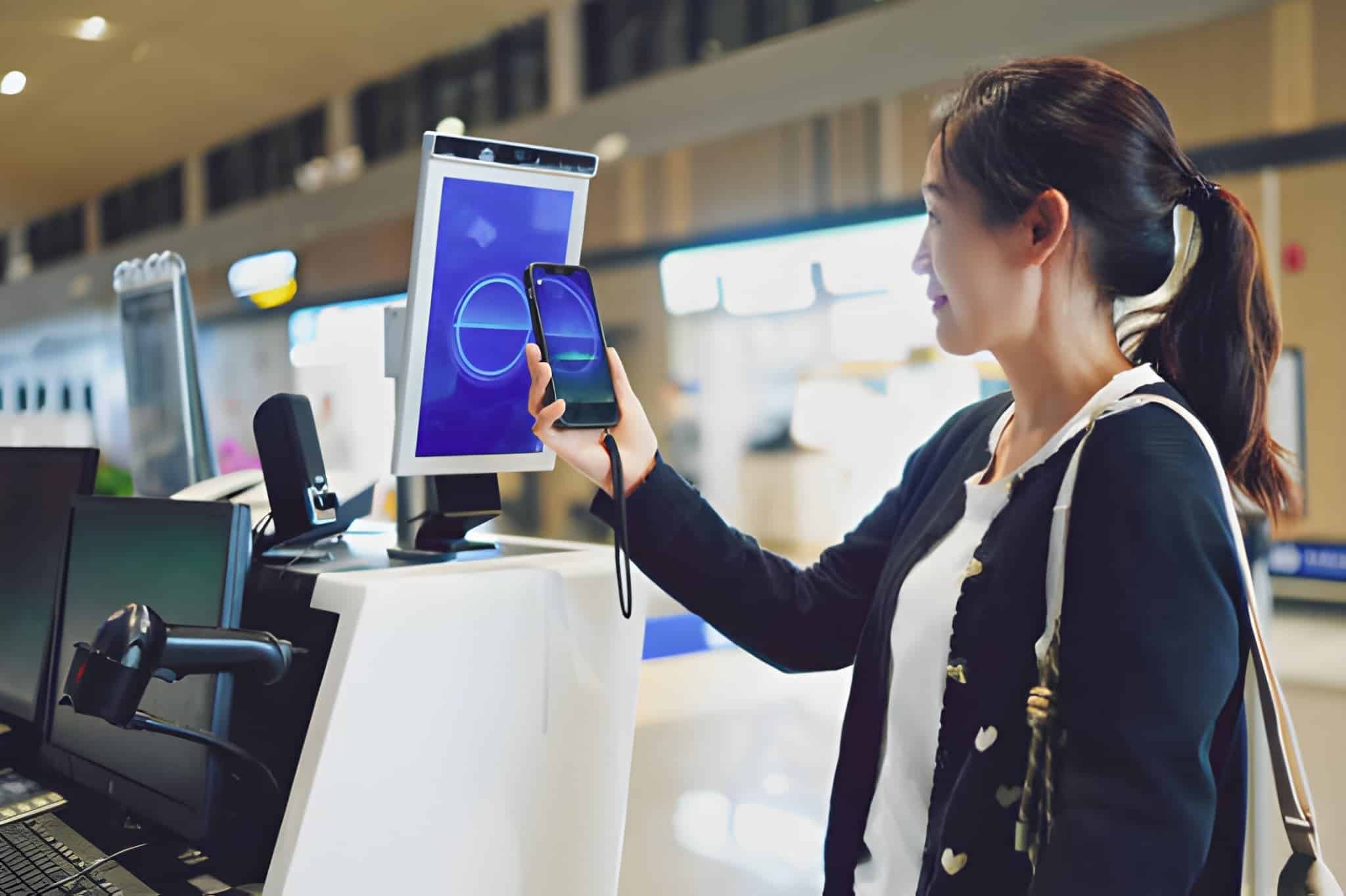
Airport security just got meaningfully faster at a growing number of U.S. airports, and this change affects how you think about arrival windows and timing. A touchless identity option that works with expedited screening is rolling out much more broadly, cutting out one of the slowest steps in the checkpoint process.
No ID handed over. No boarding pass shuffle. Faster forward motion.
Why Identity Checks Still Slow Progress
At many checkpoints, even expedited lanes stall because travelers must stop, reach for ID, pause while it’s checked, then hand back cards and passports. Multiplying that half-minute by dozens of people creates real queues.
Touchless identity skips the document handoff entirely. Your face becomes the credential. The system matches a brief scan against stored, verified information so you move through without that classic stop at the podium. When checkpoints stay in motion, lines shrink more predictably.
What Touchless Identity Looks and Feels Like
This isn’t a dramatic camera with lights. It’s a brief step into a screened area where a camera captures a few frames and verifies identity in seconds. The system doesn’t keep you lingering. Most people step forward as soon as the match completes.
The checkpoints still have officers nearby, and random manual checks are possible. This is about smoothing flow, not eliminating oversight.
Who Qualifies to Use It?
To use touchless identity, you must already have access to an expedited screening lane. That includes travelers who earn that access through trusted traveler programs or other pre-clearance systems.
There’s no extra fee. It’s an added layer on top of your existing access, not a separate paid service.
How To Register Ahead of Time
Registration doesn’t happen at the kiosk or the airport. You enroll through your frequent flyer profile before you travel. You’ll confirm your personal details and upload a passport photo so the system can make a secure match.
One detail often overlooked is this: enrollment is airline-specific. If you fly multiple carriers, you’ll need to opt in with each one that supports touchless screening. It’s a quick step, but best done days before departure rather than at the terminal.
Why This Works Better During Busy Hours
Touchless identity shines during peak periods. The early morning rush, mid-afternoon bank, and evening roll. Those are the times when a stalled ID check ripples back into the terminal.
If your travel day often begins before dawn or around typical commuter windows, this change can cut 5–15 minutes off your security time, depending on crowd size and checkpoint layout.
For frequent flyers, that adds up. Hours saved over a year mean less padding in your departure plans and fewer early terminal hours.
Where You Can Use Touchless Identity Now And Soon
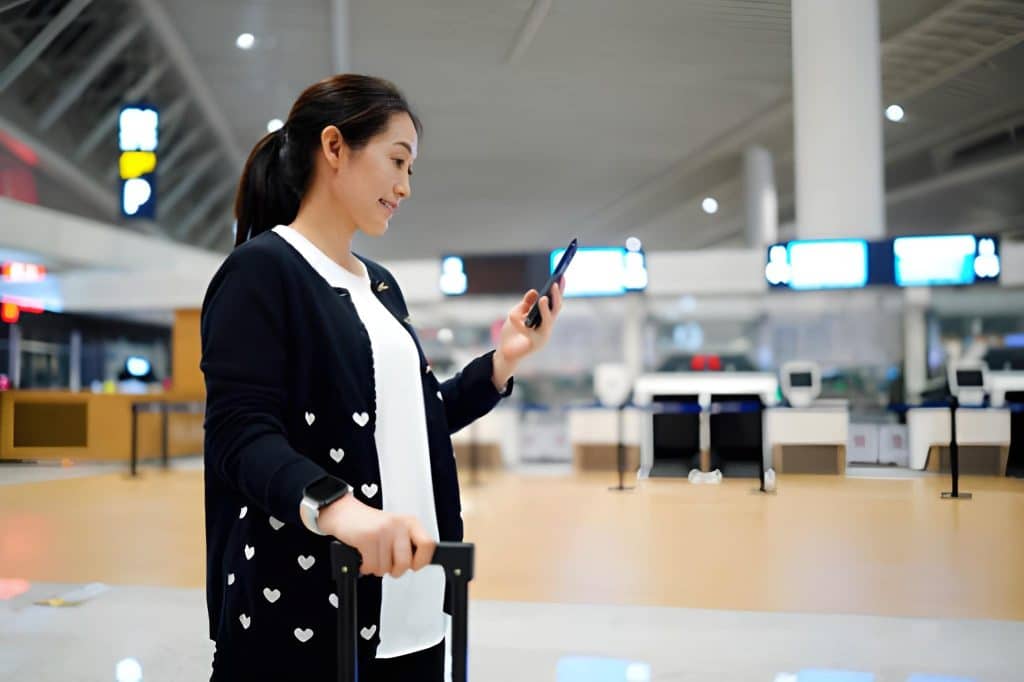
The rollout comes in stages. A few airports had the service first. By spring, dozens more are scheduled to activate touchless identity lanes.
Airports With Touchless Identity Already Active Or Recently Added
- Atlanta International Airport (ATL)
- Chicago O’Hare International Airport (ORD)
- Dallas/Fort Worth International Airport (DFW)
- Denver International Airport (DEN)
- Detroit Metropolitan Airport (DTW)
- Fort Lauderdale–Hollywood International Airport (FLL)
- Honolulu International Airport (HNL)
- Las Vegas Harry Reid International Airport (LAS)
- Minneapolis–Saint Paul International Airport (MSP)
- Newark Liberty International Airport (EWR)
- Phoenix Sky Harbor International Airport (PHX)
- Salt Lake City International Airport (SLC)
- Seattle–Tacoma International Airport (SEA)
Airports Added By End Of January
- Houston Intercontinental Airport (IAH)
- Washington-area International Airport (IAD)
- Boston Logan International Airport (BOS)
- Palm Beach International Airport (PBI)
- Miami International Airport (MIA)
- Orange County Airport (SNA)
- Dallas Love Field (DAL)
- Kansas City International Airport (MCI)
- Houston Hobby Airport (HOU)
- San Jose Mineta International Airport (SJC)
- Sacramento International Airport (SMF)
- Anchorage Airport (ANC)
- Baltimore/Washington International Airport (BWI)
- Long Beach Airport (LGB)
- Orlando International Airport (MCO)
Airports On Track To Launch By Spring
- Honolulu International Airport (HNL)
- San Antonio International Airport (SAT)
- New Orleans International Airport (MSY)
- St. Louis Lambert International Airport (STL)
- Austin–Bergstrom International Airport (AUS)
- Will Rogers World Airport (OKC)
- Tulsa International Airport (TUL)
- Palm Springs International Airport (PSP)
- Chicago Midway International Airport (MDW)
- Albuquerque International Sunport (ABQ)
- Jacksonville International Airport (JAX)
- San Diego International Airport (SAN)
- Boise Airport (BOI)
- Raleigh–Durham International Airport (RDU)
- Charleston International Airport (CHS)
- Cleveland Hopkins International Airport (CLE)
- Cincinnati/Northern Kentucky International Airport (CVG)
- Tampa International Airport (TPA)
- Pittsburgh International Airport (PIT)
- Indianapolis International Airport (IND)
- San Juan Airport (SJU)
- Birmingham–Shuttlesworth International Airport (BHM)
- Columbus International Airport (CMH)
- Hartford’s Bradley International Airport (BDL)
- Milwaukee Mitchell International Airport (MKE)
- Providence’s T.F. Green Airport (PVD)
- Westchester County Airport (HPN)
This list covers major hubs and many solid regional options. As more terminals adopt the lanes, planning around them becomes part of smart airport timing.
What Touchless Identity Doesn’t Change
This isn’t a replacement for expedited screening. It doesn’t remove all checks or replace boarding passes entirely. Random additional screening can still occur. Staffing levels, security alerts, and airport design still affect how long lines move.
Most importantly, it doesn’t shorten the recommended arrival window for flights. You still want to be at the airport with enough time to handle checked bags, parking, or other logistics.
What Traveler Behavior Shifts
Frequent travelers may find they don’t need to arrive as early to clear security. If you normally pad an extra 45 minutes to show ID and get through the podium, touchless lanes shrink that time.
Business travelers with tight connections benefit most, but even leisure flyers save hours across a year of travel. Families tend to find smoother flow reduces stress, and solo travelers appreciate reduced administrative pauses.
How This Changes Your Departure Routine
Once you’re enrolled, the only change on travel day is how you approach the line.
Phone out. Boarding pass visible in your app. Then proceed directly to the designated touchless lane. No wallet reach. No document shuffle.
That smooth movement matters during busy holiday travel, early morning rushes, and when you’re balancing kids, bags, and boarding times.
A Worthwhile Upgrade For Frequent Flyers
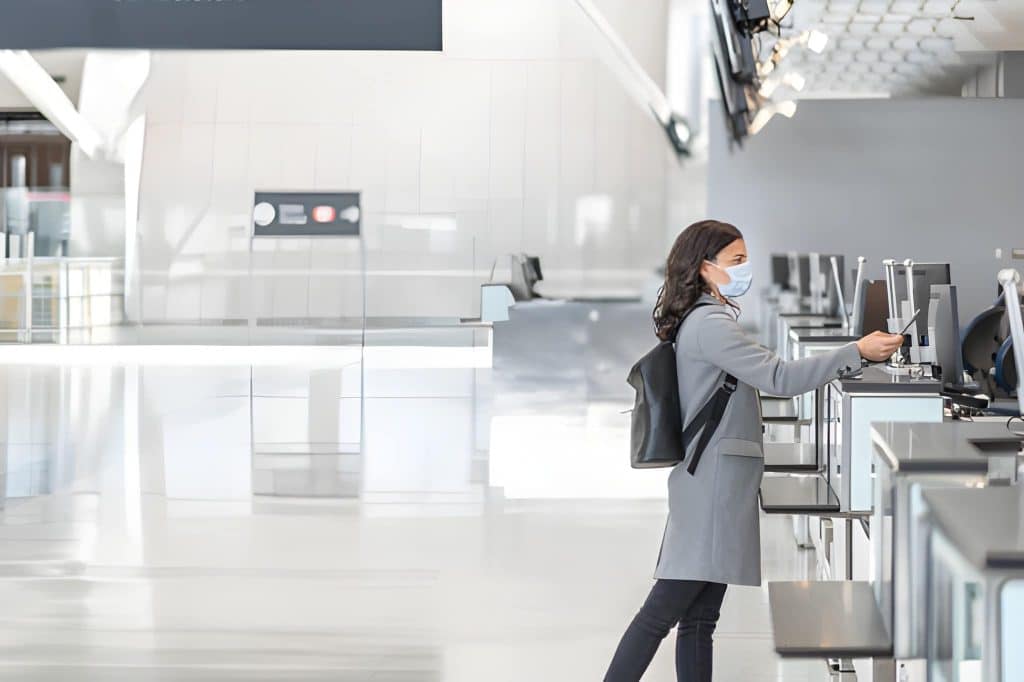
For anyone with multiple trips per year, this expansion deserves attention. It’s not a flashy perk. It’s an efficiency tweak that compounds.
When checkpoints move faster, the entire travel day feels lighter. And when you remove repeated pauses at the podium, you find hours back that once vanished in security lines.
This shift isn’t about luxury. It’s about reclaiming minutes that often turn into stress, and it’s becoming one of the most practical improvements in domestic air travel.
Plan For Faster Checkpoints, Not Just Earlier Arrivals
Touchless identity changes where time is lost at the airport. When ID checks disappear, the real advantage comes from knowing which airports support it, which airlines you’re enrolled with, and how to adjust arrival timing without cutting it close. That’s the kind of practical, checkpoint-level planning travelers compare inside The Miles Academy.
And when you’re setting up the day-to-day travel spending that supports frequent flying, this card finder tool helps narrow options quickly without guesswork.
