
Time zones affect more of our lives than we often notice. They influence where we want to live and which trips feel realistic. Long flights and jet lag can still be exciting, and it can feel special to land on the other side of the world. At the same time, it feels really good to travel or choose a home base that does not completely ruin your normal sleep and daily routine.
As we get older, we think much more about how time zones affect our sleep, our work, and our family schedule. Some places help us stay calm and productive. Other places are fun to visit but leave us feeling worn out.
Why We Prefer Living On An East Coast Schedule
Over the years we have lived on both the East Coast and the West Coast of the United States. Through travel, we have also spent time in many other time zones. In terms of lifestyle, the West Coast has many nice things to offer. Still, if we focus only on our daily routine and how much we get done, we prefer living on East Coast time.
Here is why that time zone works so well for us:
- We are morning people now, and we naturally wake up well before 5AM. We also go to bed very early, so this rhythm fits us. We like watching the sunrise and using the quiet early hours to start the day calmly.
- Getting a head start while most people are still asleep feels very good. We can answer messages, clear our inbox, and do focused work while everything around us is still quiet.
- Most of our work, news, and calls follow East Coast business hours, so we stay in sync instead of trying to catch up. We do not constantly feel like we missed something important.
- With young kids in the house, early mornings are precious. We can finish a lot of tasks before they wake up, which keeps the rest of the day from feeling too busy and messy. Many days it feels like half of our work is done before 7AM.
There is One Downside to this Schedule
In the afternoon there can be more things happening as other parts of the country keep working. Still, we usually start ending our workday around 4PM. Anything that arrives late in the day usually waits until the next morning, when we are up early again.
The West Coast has its own good points. Afternoons there often feel more relaxed. When it is 2PM on the West Coast, it is already 5PM on the East Coast, and many people are finishing their day. The tradeoff is that when you wake up on West Coast time, people in other parts of the country may already be hours into their workday. For us, it feels uncomfortable to wake up and feel like we are late before we even start.
How Different Time Zones Change The Way We Travel
Just like we have a favorite time zone for everyday life, we also have favorite time zones for travel. As time goes by, jet lag hits us harder than it used to, and staying up at strange hours is less fun. This has changed how we plan trips and which destinations feel realistic.
We also usually work while we travel, so we almost never have a trip where we fully disconnect. Because of that, the time zone of a destination really matters. We need at least some overlap with the first half of the East Coast business day in the United States.
Here is how we feel about different time zones as travel spots.
Destinations With Minimal Time Difference
Trips with little or no time change can be surprisingly great. Living somewhere like Miami makes this very easy to see. There are many international places close by that are in the same or a very similar time zone.
Some good examples include visiting many islands in the Caribbean, where you can relax on the beach without having to adjust your sleep schedule. You can also travel to parts of Central America or South America where the time difference is small or not there at all, which helps you enjoy your trip right away.
We sometimes choose a place like Los Cabos over a faraway island in the Indian Ocean. That might sound odd at first, but it is very nice to enjoy the views, the food, and the activities without feeling tired and off the whole time. Even a time change of just a few hours is much easier to handle than a big jump of 10 or 12 hours.
Europe And Africa: A Comfortable Time Gap
When we are willing to deal with jet lag, we often choose Europe or Africa. From the East Coast of the United States, many cities in these regions are about five to seven hours ahead. That is a real difference, but it still feels workable.
We have traveled to Europe since we were young, and this time shift has never felt too strong. Over time, we created a simple routine that works well in Europe and in many parts of Africa. We wake up early and work for a couple of hours while people in North America are still asleep, then spend most of the day exploring or relaxing, and later in the day we quickly check messages again before or after dinner so we stay caught up without letting work take over the trip.
This pattern feels very natural. We feel slightly ahead of the news instead of always behind it. The time difference helps us instead of fighting us, which makes it easier to relax while still feeling responsible.
Hawaii: Awkward Time Zone, Worth The Trip
We really enjoy Hawaii and the slow, calm feeling it has. The time zone there, however, is a big challenge. It feels like an extreme version of the West Coast. Hawaii is usually five or six hours behind the East Coast, which creates a large gap.
When we visit Hawaii, we often wake up at a very early hour, sometimes around 3AM. That sounds wild, but it works better than you might think if your work is based on East Coast time.
Here is how our days in Hawaii usually go. We wake up very early, when the island is still dark and quiet, and finish a big part of our workday while people on the East Coast are in the middle of their morning, so we have good overlap with them. By late morning in Hawaii, most of the important work on the East Coast is done, which lets us close our laptops and spend the afternoon outside, enjoying the views, walking on the beach, or trying activities like hiking or swimming.
By the time the sun goes down, we usually feel tired in a good way. We have been awake since before dawn and outside for much of the day. Going to bed before 8PM might sound strange at home, but in Hawaii it feels completely normal.
Asia And The South Pacific: Incredible Places, Tough Time Zones
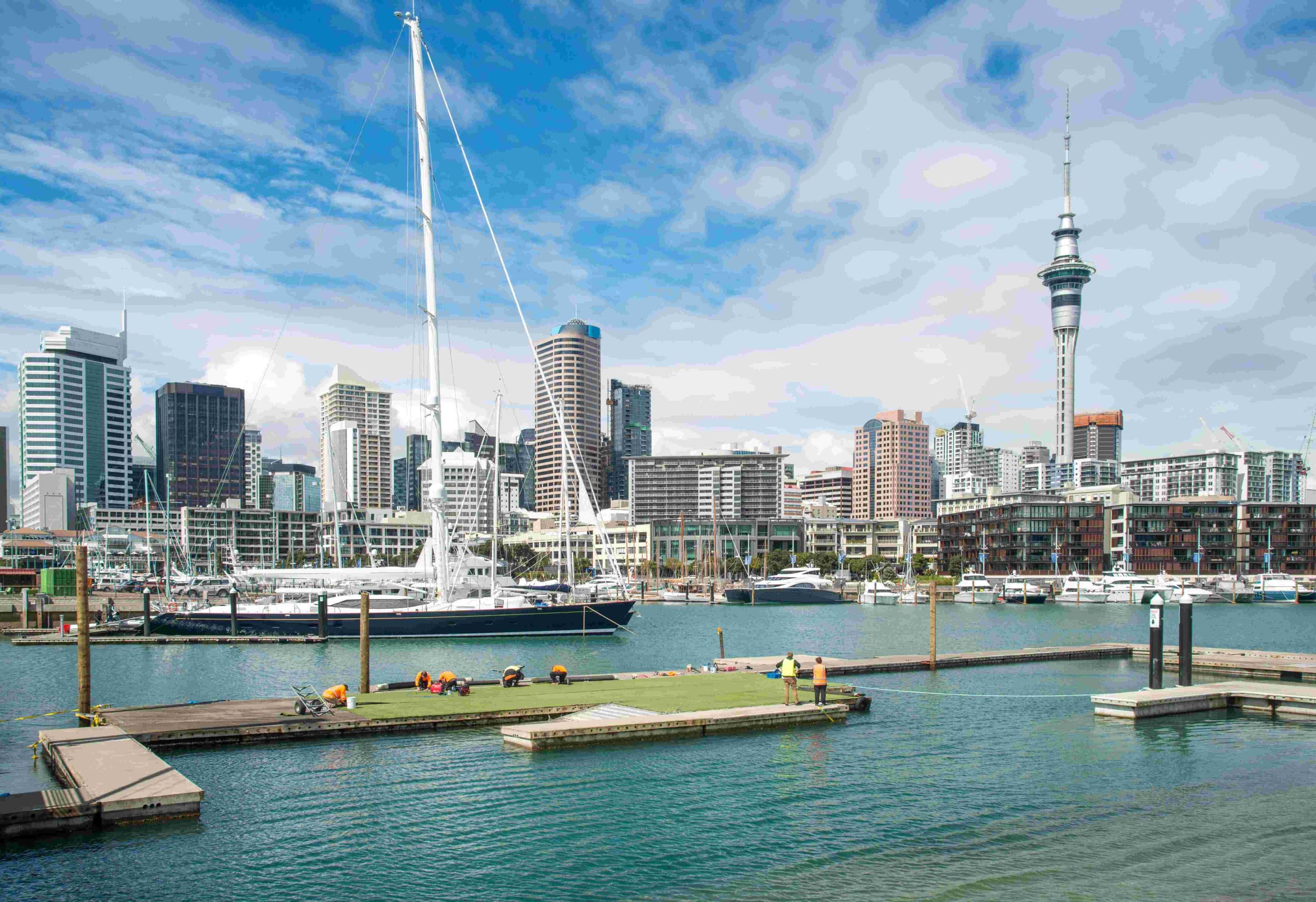
We love visiting Asia and the South Pacific. Big cities like Tokyo and Hong Kong, beautiful islands like Bali, and countries like New Zealand are some of the most amazing places we have seen. The hard part is that the time zones in many of these places do not work well with an East Coast based work schedule.
Much of Asia is around 12 hours ahead of the East Coast of the United States. The time difference really is like night and day.
Some people enjoy this. They like waking up in Asia, checking email while people in North America are ending their workday, and then having a full day without new messages coming in.
For us, we try to keep at least some overlap with the first half of the East Coast business day, and that is where things become difficult.
In many parts of Asia, our days look something like this:
- We wake up very early, often around 4AM, and start working right away.
- Once we finish the most important work, we spend the day exploring, sightseeing, or relaxing and trying to enjoy the destination.
- Before dinner, we work again to handle anything that arrived during the North American morning.
- After dinner, we often log in one more time, just so we do not fall too far behind.
This routine is hard on our bodies. Our sleep gets broken up, and it starts to feel like we are always either working or about to start working again.

Australia is even more intense. When it is 7AM to 12PM on the East Coast of the United States, which is usually our best working time, it is around 11PM to 4AM in Sydney. That is a very difficult match.
What We Have Learned About Time Zones
Over time we have learned that living and traveling in a time zone that fits our natural rhythm can change how we feel every day. The right time zone can make us more productive and also calmer and happier. Since we are strong morning people, we like living on the East Coast, where we can feel like we are ahead of the day instead of chasing it.
When we plan trips, we often choose places that do not involve a huge time change, even if another destination might look a little more glamorous in photos. When we travel farther away, Europe and Africa usually work well for us, while much of Asia and Australia is more difficult.
Your own ideal set of time zones will depend on your job, your family, and how your body reacts to jet lag. Still, it helps to think about time zones as part of your long term travel plans and your choice of where to live. When the time difference works in your favor, trips feel smoother and normal days feel less stressful.
Plan Your Time Zones And Travel With Us
If you want help matching your travel style, your favorite time zones, and your budget, you do not have to figure it out alone. Inside our free TheMilesAcademy community, we share ideas about where to go, how to handle jet lag, and smart ways to use rewards for trips that fit your life.
When you are ready to choose your next card, you can also use our free Card Finder Tool to narrow down options based on how you travel and what kind of points or cash back you want. When you put your time zone strategy together with the right card strategy, you can make every trip feel smoother, more comfortable, and more rewarding.
