
Travel insurance earns its keep when a trip turns messy.
After a couple decades of flying on points and miles, the pattern is always the same. The flight deal is the easy win. The expensive part shows up after you land, like a clinic bill you did not expect, a missed connection that forces an overnight stay, or a stolen phone that takes your boarding passes and banking apps with it.
That is why we treat travel insurance like a seatbelt. We do not buy it because we expect trouble. We buy it because trouble is annoying, unpredictable, and costly when you are far from home.
The Stuff That Blows Up Trips In 2026
Travel has changed in the last few years, and the risks have shifted with it.
Airlines run tighter schedules, and one delay can ripple into a missed connection. Many destinations have higher medical costs than travelers assume, and some clinics still expect payment upfront. More of us also travel with expensive tech because work follows us, including laptops, cameras, tablets, and backup phones.
Here are the everyday problems that send people scrambling, even on calm trips.
- You get sick and need a doctor visit, medication, and follow-up care.
- Your phone or laptop disappears in a crowded station, cafe, or taxi.
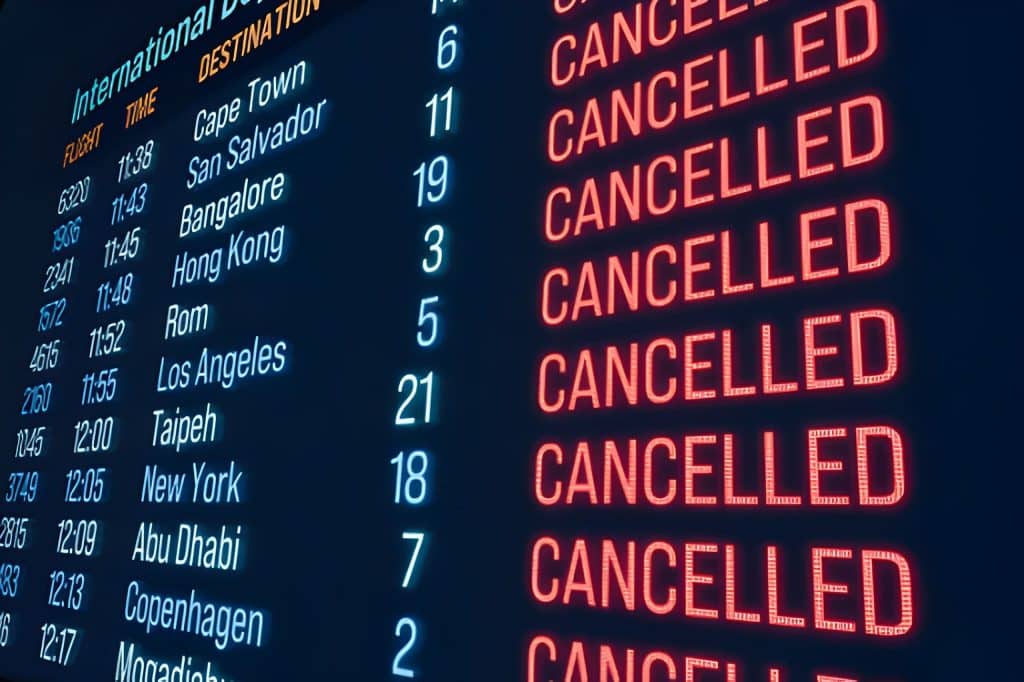
- Weather cancels flights and you need an extra hotel night plus meals.
- Your bag arrives a day later and you have to buy essentials to get through.
- A family emergency forces you to fly home early.
None of that requires reckless choices. It is just travel.
What Travel Insurance Covers And Where People Get Burned
Travel insurance is a bundle of protections built for travel problems. Depending on the policy, it can reimburse you for covered losses, pay for covered medical care, and connect you to assistance support when you need help fast.
Two plans can sound identical on a sales page and behave very differently when you file a claim. We focus on what the coverage does, what it excludes, and how you prove what happened.
Trip Cancellation And Trip Interruption
This coverage can reimburse certain prepaid, non-refundable expenses if you cancel before departure or return early for a covered reason.
The key is the covered-reasons list. Some policies stick to narrow triggers like serious illness, injury, or a documented emergency. Others offer broader flexibility, sometimes as an upgrade. If you are buying travel insurance mainly to protect prepaid costs, read the trigger list first, then decide.
Emergency Medical Coverage
This is the part travelers regret skipping.
Emergency medical coverage can help with clinic visits, hospital stays, tests, imaging, medication, and sometimes urgent dental care. You want three things to make sense together.
Coverage limit, which is the maximum the policy will pay.
Deductible, which is what you pay before coverage starts.
How payment works, which is whether you pay upfront and get reimbursed, or whether the insurer can coordinate payment with certain facilities.
In 2026, we also look for how the policy handles telehealth and prescription refills. Some insurers make it easier to get advice quickly without hunting for a clinic in an unfamiliar neighborhood.
Emergency Evacuation And Medical Transport
Evacuation coverage is about getting you to appropriate care when local options are not enough.
That can mean moving you from a smaller facility to a larger hospital, or transporting you from a remote area where treatment is limited. Some policies also include medically necessary transport back home.
If your trip includes islands, long drives, mountains, or places with limited hospitals, we care about evacuation coverage as much as medical coverage.
Baggage And Personal Belongings
This coverage can reimburse lost, stolen, or damaged items within policy limits.
Two details matter more than most people expect. First, per-item caps can be low, so expensive gear may not be covered for its full value. Second, proof requirements can be strict. Theft may require a police report. Airline baggage issues may require written confirmation from the carrier.

Baggage delay coverage is different from baggage loss. It helps you replace essentials when your bag shows up late, which is one of the most common insurance wins on a normal trip.
Travel Delay
Delay coverage can reimburse extra expenses like meals and lodging when a covered delay forces you to stay put.
The policy defines what qualifies, how long the delay must be, and what you must document. We like policies that spell this out clearly because delay claims are common and easy to prove when the rules are plain.
24/7 Assistance Support
An assistance line is the difference between feeling stuck and having a plan.
When you are sick, injured, or stranded, the assistance team can point you to clinics, help coordinate logistics, and tell you which steps keep your claim clean. Save the number in your phone before you leave. Stress is terrible at memory.
What To Check Now That Travel Has Changed
A lot of travelers still shop like travel has not changed. Today, we add a few checks because the world has shifted.
First, look at how the policy treats illness outbreaks and government actions that affect travel. Some plans cover certain scenarios, some do not, and the wording is never identical. You are not looking for hype. You are looking for clear language that matches the risks you care about.
Second, check your activities section even if you think you are doing “normal” travel. Renting a scooter, taking a guided hike, going scuba diving, or trying a zipline can fall into exclusions depending on the policy.
Third, think about electronics. Many travelers now carry multiple devices. If your gear matters for work, your photos, or your security, you want to know exactly what is covered and what is capped.
Fourth, check how the policy handles payment. In some places, care is excellent but payment is immediate. A reimbursement-only plan still helps, but you need enough cash buffer to pay first.
Points And Miles Change What You Should Protect
Booking with points and miles can lower your cash exposure, but it does not eliminate it.
Even award bookings often include taxes and fees. You may have a paid hotel night before an early flight. You might prepay tours, trains, ferries, or private transfers. A disruption can also force you into a last-minute paid flight when seats disappear.
We also see more complex award itineraries now, with tight connections and multi-city routing. That increases the chance of a cascade delay. If you miss the connection that unlocks the rest of your trip, delay coverage and assistance support can save you from paying for a rushed fix.

Some travel-focused cards include built-in protections when you pay with the card. Those benefits can help, but they are not a full substitute for a dedicated policy. Limits and triggers can be narrower, and claims can require specific proof. We treat card benefits as a bonus layer, not the foundation.
Three Travel Insurance Providers Worth Comparing In 2026
The three names below show up again and again for good reasons. They are not identical. Each fits a different travel style.
World Nomads Works Well For Active Trips
World Nomads is popular with travelers who do more than city sightseeing. It is known for covering a long list of activities and for making it clear which plan tier covers what.
In many markets, World Nomads offers a Standard plan and an Explorer plan, with the higher tier offering higher limits and broader coverage for certain activities. In some regions, it also offers additional tiers or annual options, so what you see depends on your residence.
We like World Nomads when a trip includes activities, multiple stops, or places where evacuation logistics could matter. If you are planning things like diving, hiking in remote areas, or guided adventures, this is often the first provider we compare.
When we price it out, cost usually depends on your residence, destination, trip length, age, and chosen coverage level. The quote tool is the only honest number, so we use ranges only for rough budgeting.
Allianz Makes Sense For Trip-Specific Coverage
Allianz is a common pick when you want coverage that matches a particular trip, especially a one-country itinerary or a shorter getaway.
Allianz offers single-trip plans and annual or multi-trip options. Depending on the plan, coverage can include trip cancellation and interruption, emergency medical, emergency transportation, baggage coverage, and protection for covered delays.
We like Allianz for travelers who want a clean menu of plan choices and do not want to pay for extras they will not use. If you are taking a straightforward trip with a clear budget, this provider is often easy to size correctly.
If you are taking a long multi-country trip, compare carefully. Some travelers find a policy built for extended travel is a better value, depending on the itinerary.
Atlas Travel Insurance Can Be A Strong Medical-First Pick
Atlas Travel Insurance, offered through Tokio Marine HCC and commonly distributed through WorldTrips, is often used by travelers who want medical coverage first, without paying for every add-on.
Atlas Travel Medical Insurance is built around medical expenses and emergency medical evacuation. On the product overview, the emergency medical evacuation coverage is listed at $1 million, which is one reason it comes up so often for budget-focused travelers who still want strong evacuation limits.

This style is a better fit when your main worry is medical bills and transport, and you are comfortable handling other risks yourself. It is also worth reading the activity exclusions closely. Medical-first plans often exclude certain adventure sports unless you add coverage or choose a different plan.
How To Make Any Policy Work When Something Happens
Insurance helps most when you handle the claim like an adult, even when you feel stressed.
Start by saving your policy documents offline. Take screenshots of the important sections like coverage dates, emergency contact info, and claim instructions. If a policy says you must contact the assistance line before certain services, follow that rule.
When a delay or loss happens, collect proof while you are still in the moment. Ask the airline for a written statement about the delay or baggage issue. Take photos of damaged luggage and receipts for emergency purchases. If something is stolen, file a police report even if it feels like a hassle. That report is often the difference between an approved claim and a denial.
We keep a single folder on our phone and email with receipts, booking confirmations, and screenshots. It turns a claim from a week-long scavenger hunt into a 20-minute upload.
Get Backup Before Your Next Trip
Travel insurance is one layer of protection. The other layer is having a plan before anything goes wrong, like knowing what coverage you have, what proof you need, and what to do first when a delay, theft, or clinic visit hits.
Inside our free TheMilesAcademy community, we share the checklists we use for trips, including what to screenshot before you fly, what documents make claims easier, and how to build a points-and-miles itinerary with fewer weak spots.
If you also want to tighten up the card side of your travel plan, use our free Card Finder Tool. It helps you pick a card that matches how you travel, like whether you value built-in trip protections, flexible points earning, or lower out-of-pocket costs when plans change.