
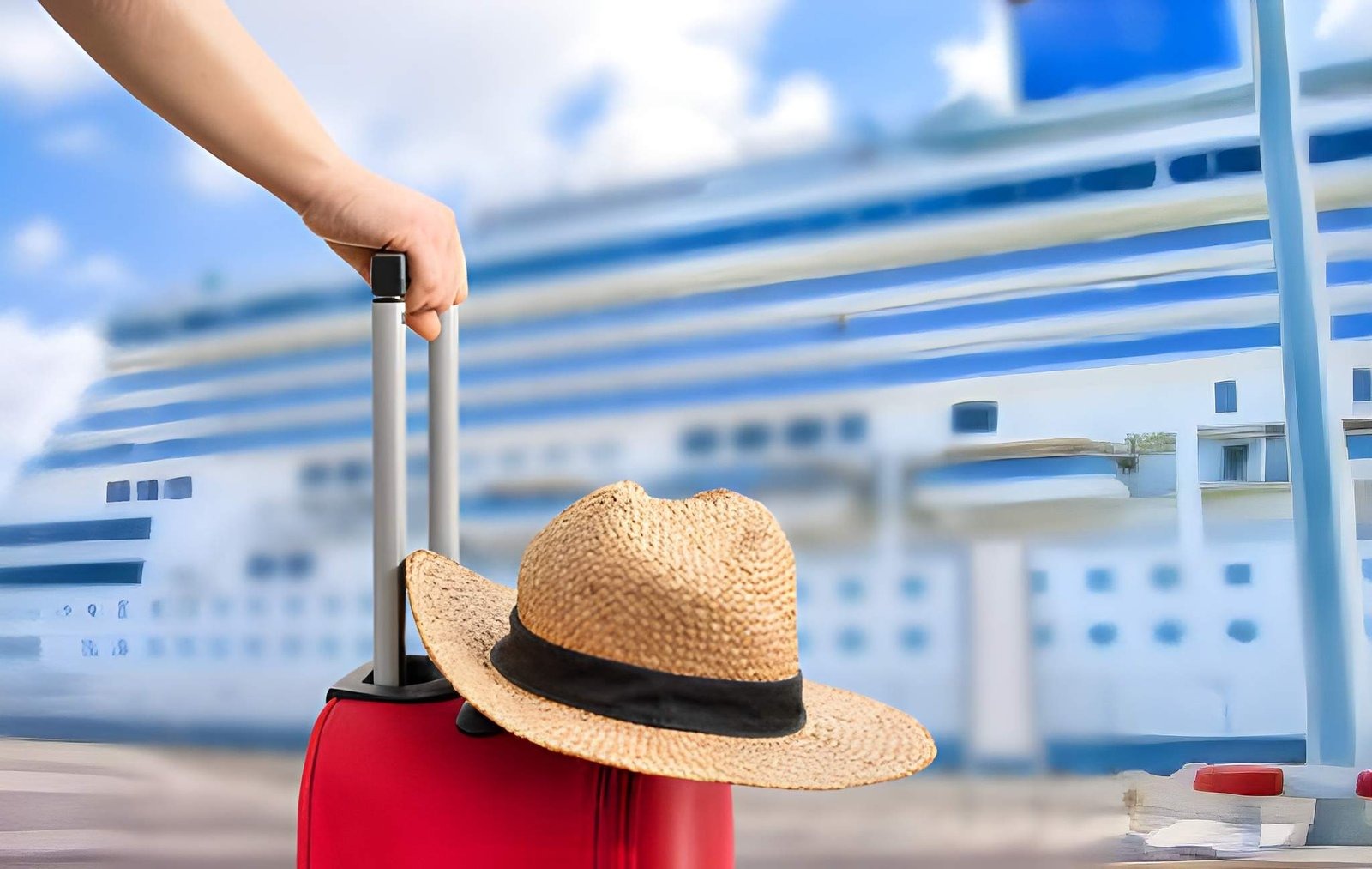
Cruise ships wait for no one.
That may sound harsh, but it’s one of the most important things to understand before booking a cruise vacation. Every year, travelers spend thousands of dollars on a sailing trip, only to put the entire trip at risk by making one avoidable mistake: arriving at the port on embarkation day.
It often seems like a smart way to save money. Skip the hotel. Reduce vacation costs. Spend one less night away from home.
Unfortunately, travel rarely follows the perfect schedule we imagine when booking.
Your Flight Is The Weakest Link

Airlines move millions of passengers every day, but delays remain common.
A thunderstorm in another state can ripple through an airline’s network. A mechanical inspection can delay an aircraft for hours. Crew shortages, airport congestion, and air traffic restrictions can turn a simple travel day into a stressful chain of missed connections.
When you’re flying to a regular vacation, a delay may simply mean arriving at your hotel later than expected.
When you’re flying to board a cruise ship, that same delay can end your vacation before it starts.
Cruise lines operate on strict schedules. If your ship departs at 5 p.m. and your flight lands at 4 p.m., you’re gambling that every part of your journey will go exactly as planned.
That’s rarely a bet worth making.
International Departures Raise The Stakes
The risks become even greater when your cruise starts overseas.
Landing at an international airport is only one step in the process. You still need to clear immigration, collect luggage, pass through customs, and travel from the airport to the cruise terminal.
Anyone who has stood in a long passport control line knows how quickly an hour can disappear.
Even if your flight arrives on schedule, unexpected delays on the ground can leave you racing against the clock.
Starting a vacation with that level of pressure isn’t ideal, especially when a simple overnight stay can eliminate most of the risk.
Drivers Face Problems Too

Flying isn’t the only transportation method that can go wrong.
Many cruisers who live within driving distance assume they’re safe arriving on embarkation day. Sometimes they are. Sometimes they aren’t.
Heavy traffic, road construction, vehicle problems, weather conditions, and accidents can add hours to a drive that normally feels routine.
Holiday weekends are particularly unpredictable.
A five-hour drive can suddenly become eight hours, and by then, the cruise check-in may already be closed.
The farther you live from the port, the more valuable an overnight arrival becomes.
Missing Luggage Can Create Its Own Vacation Nightmare
Even if you make it on board, your suitcase may not.
Airlines continue to mishandle, delay, and misroute baggage every day. Most luggage eventually arrives, but timing matters.
Boarding a cruise without your clothing, medications, chargers, or essential items can create problems from the moment you step onto the ship.
Unlike a typical land vacation, you can’t simply drive to a nearby store once the ship leaves port.
Arriving a day early gives your luggage an additional opportunity to catch up before embarkation.
That extra buffer can save you a tremendous amount of frustration.
The Stress Starts Earlier Than You Think
One factor many travelers overlook is how exhausting same-day travel can be.
Early alarms. Airport security lines. Flight notifications. Gate changes. Transfer logistics. Constantly checking the time.
By the time many travelers reach the cruise terminal, they’ve already had a full day of stress.
Instead of exploring the ship, enjoying lunch, or settling into their cabin, they’re trying to recover from the journey.
A cruise should begin with excitement, not exhaustion.
The First Day Is Worth Enjoying

Embarkation day is often one of the most enjoyable parts of a cruise.
The ship is new. The restaurants are opening. The pool deck is buzzing with energy. Travelers are exploring every corner, planning activities, and settling into vacation mode.
Arriving early allows you to enjoy those experiences.
Arriving at the last minute often means rushing through check-in, worrying about luggage, and feeling behind from the moment you board.
Many experienced cruisers consider embarkation day a bonus vacation day rather than a travel day.
That’s a much better mindset.
Turn The Port City Into Part Of The Adventure
One of my favorite cruise strategies is treating the departure city as an extra destination.
Arrive the afternoon before. Enjoy dinner near the waterfront. Visit a local attraction. Sleep well. Wake up without rushing.
The following morning feels completely different.
Instead of watching flight status updates or sitting in traffic wondering if you’ll make it, you’re calmly heading to the terminal, ready to start your trip.
That peace of mind is difficult to put a price on.
A Small Expense Protects A Big Investment
Cruises aren’t cheap.
Between airfare, cruise fares, shore excursions, travel insurance, transportation, and time away from work, most travelers invest a significant amount of money into sailing.
Adding one hotel night is often one of the smallest expenses in the entire trip.
Yet that single night can protect everything you’ve already paid for.
The smartest cruise travelers aren’t necessarily the ones who spend the most. They’re the ones who remove avoidable risks whenever possible.
And few risks are easier to eliminate than arriving the day before your ship departs.
Experienced cruisers know that successful vacations often come down to planning ahead and reducing unnecessary stress. Inside the Points & Miles Insider community, travelers share cruise tips, booking strategies, and lessons learned from real travel experiences.
Smart travel planning can also help offset the cost of flights, hotels, and cruise-related expenses. The Smart Search tool helps you find travel cards that match your goals, making it easier to earn rewards for future cruises and vacations.