
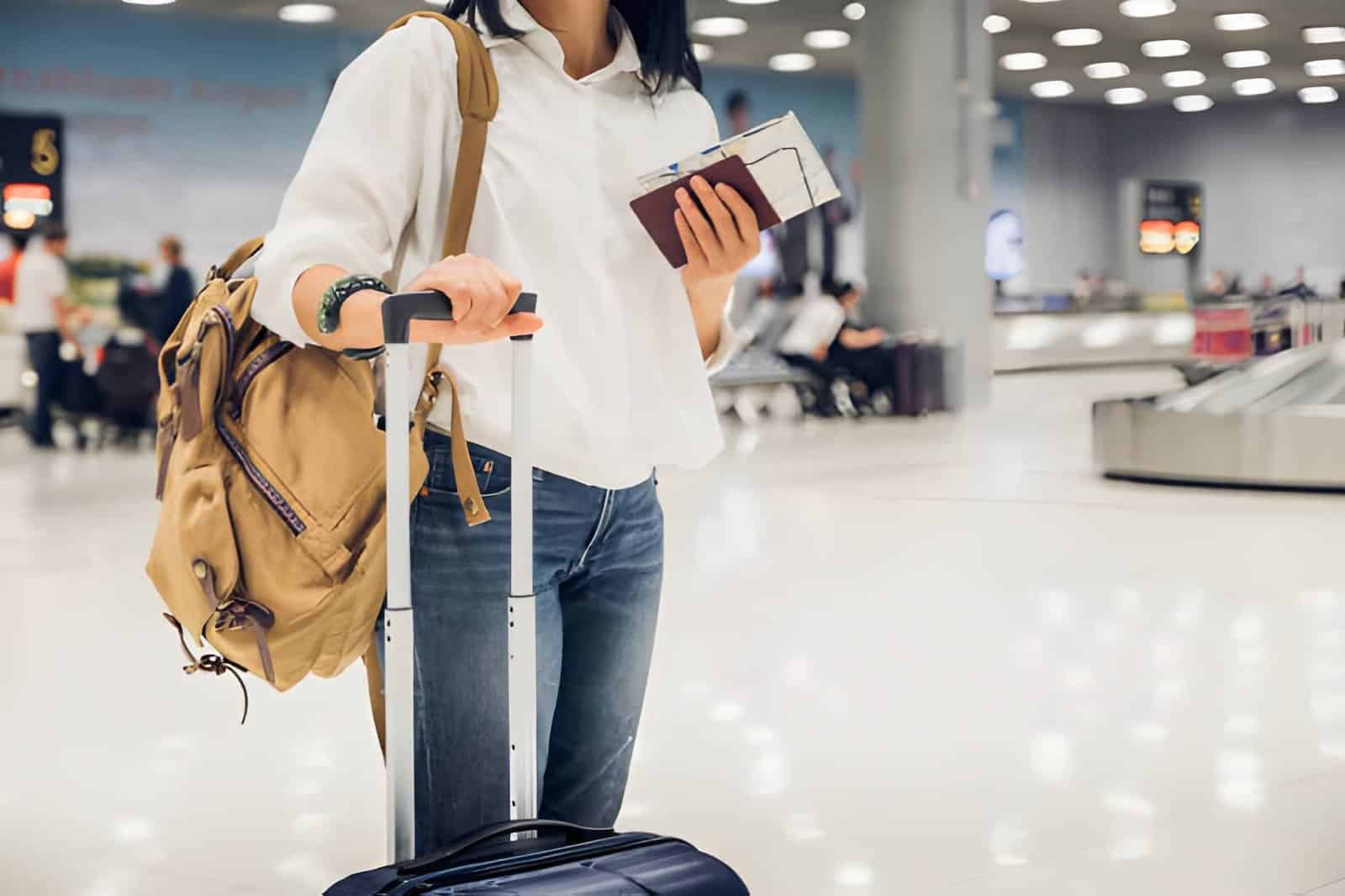
Solo travel changes the way people pay attention to the world.
Small details suddenly matter more. A hotel location that looked fine online can feel isolated after midnight. A dead phone battery becomes a much bigger problem in an unfamiliar neighborhood. Even simple things like arriving hungry, exhausted, or disoriented after a long flight can quietly lower awareness and decision-making.
Most experienced solo female travelers are not constantly fearful. They are simply observant.
Good travel safety usually comes from reducing avoidable problems early, before they become stressful later. That approach creates more freedom because travelers spend less energy reacting to situations under pressure.
Hotel Location Matters More Than Fancy Amenities
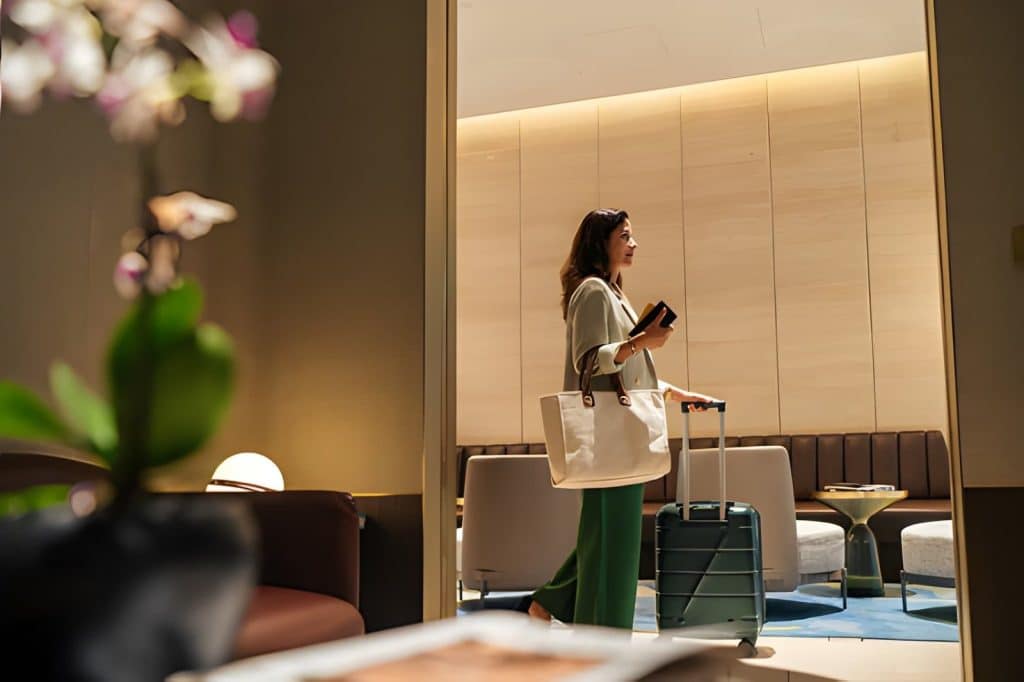
Many travelers spend too much time comparing hotel interiors and not enough time studying the surrounding area.
A beautiful room means very little if the neighborhood feels uncomfortable walking through after sunset. Long, isolated streets, poor lighting, limited transportation, or empty business districts can quickly make a destination feel harder to navigate confidently alone.
Experienced travelers often prioritize practical surroundings over luxury upgrades.
Areas with cafés, convenience stores, restaurants, pharmacies, and visible pedestrian activity usually feel easier to manage during solo travel because normal movement continues throughout the evening. That everyday activity creates a stronger sense of comfort than quiet, isolated zones filled only with hotels.
Good locations also reduce transportation stress.
Walking short distances safely and comfortably often feels much better than depending constantly on late-night rideshares or unfamiliar transit systems.
Arriving During Daylight Helps More Than Most People Expect
Late-night arrivals create avoidable pressure.
Travelers arrive tired, mentally overloaded, unfamiliar with local transportation, and often running on limited sleep already. Trying to understand a new city under those conditions after dark can make even simple decisions feel unnecessarily stressful.
Daytime arrivals change the entire experience.
Seeing the neighborhood clearly, understanding nearby stores, identifying transportation routes, and becoming familiar with surroundings while the city feels active creates much stronger confidence immediately.
If late arrivals become unavoidable, experienced travelers usually organize airport transportation beforehand instead of improvising after landing. Removing uncertainty matters enormously after long flights when mental energy is already low.
Looking Calm Helps More Than Looking Tough
Most solo travelers who move comfortably through unfamiliar places do not appear intimidating.
They simply appear composed.
People visibly distracted, confused, or overwhelmed tend to attract more unwanted attention because uncertainty becomes easy to notice quickly. Constantly stopping in the middle of crowded areas checking maps or wandering aimlessly while staring at phones signals vulnerability more than most travelers realize.
Experienced travelers often check directions discreetly before leaving restaurants, cafés, or hotel lobbies.
Walking with steady pace and awareness usually matters more than acting overly defensive or aggressive. Calm confidence tends to discourage attention naturally because travelers appear more familiar with their environment even when visiting for the first time.
Alcohol Changes Situational Awareness Quickly
Many uncomfortable travel situations begin after awareness drops.
Alcohol affects judgment differently in unfamiliar environments because travelers already manage changing transportation systems, language differences, unfamiliar social behavior, and reduced local knowledge simultaneously.
That does not mean avoiding nightlife entirely.
It simply means recognizing that maintaining awareness matters more during solo travel than it might during a normal evening at home surrounded by familiar people and routines.
Experienced travelers usually stay cautious about accepting drinks from strangers, changing locations impulsively late at night, or becoming heavily intoxicated in unfamiliar neighborhoods. Small decisions become harder once awareness decreases, especially while traveling alone.
Phones Solve Problems Until They Suddenly Don’t
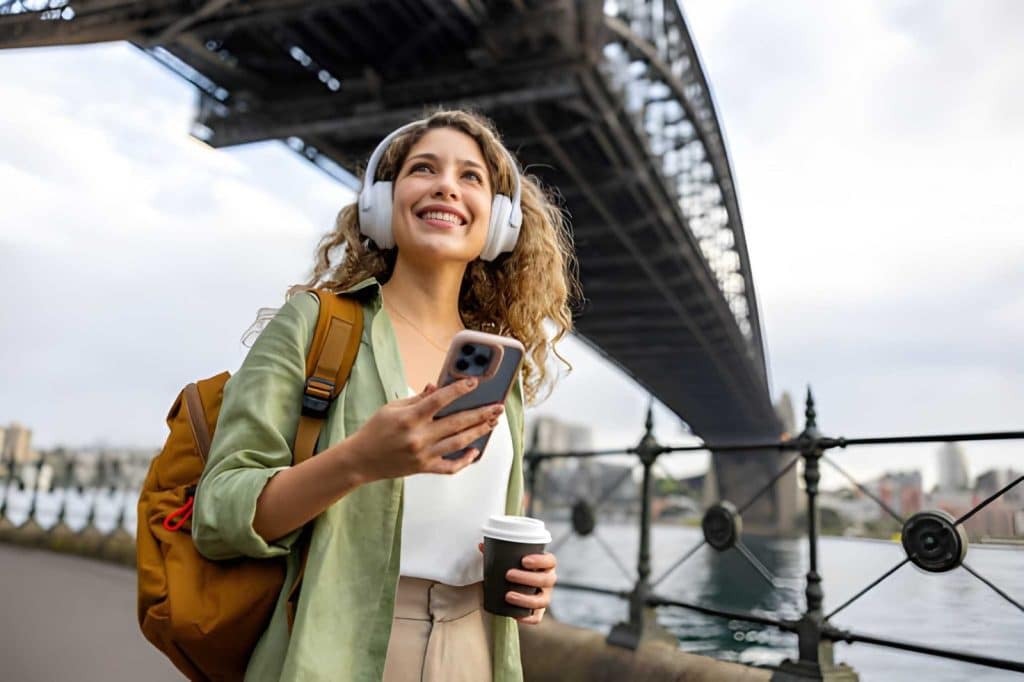
Modern solo travel depends heavily on phones.
Maps, hotel reservations, rideshares, translation apps, boarding passes, payment systems, and emergency communication all often live inside one device. That convenience becomes stressful quickly once batteries die or internet access disappears unexpectedly.
Experienced travelers prepare for small technology failures before they happen.
Portable chargers help enormously during long travel days. Offline maps become useful in areas with weak service. Written hotel addresses stored separately still matter surprisingly often when phones malfunction or batteries disappear at inconvenient moments.
Tiny backup systems prevent small inconveniences from becoming larger stressful situations later.
Social Media Can Reveal Too Much
Many travelers share locations online instantly without thinking much about it.
Hotel names, daily routines, neighborhood cafés, live locations, and movement patterns become publicly visible while travelers are still physically there. Most of the time nothing happens, but oversharing removes privacy unnecessarily during solo travel.
Experienced travelers often wait until leaving locations before posting heavily online.
That small habit maintains more control over personal visibility while still allowing travelers sharing experiences afterward. Privacy may sound unimportant initially, but it becomes more valuable once travelers spend enough time moving through unfamiliar places alone.
Clothing Choices Depend on Context
Travel clothing conversations often become overly simplistic.
The issue is usually not about strict rules. It is about understanding local expectations, social norms, climate, transportation environments, and how much attention certain choices may attract in different settings.
Experienced travelers research destinations beforehand instead of assuming every place responds similarly.
A beach town, conservative religious area, major European city, and rural village all operate differently socially. Adapting slightly to local norms often reduces unnecessary attention naturally without requiring dramatic wardrobe changes.
Practical awareness matters far more than rigid rules about appearance.
Intuition Often Notices Problems Early
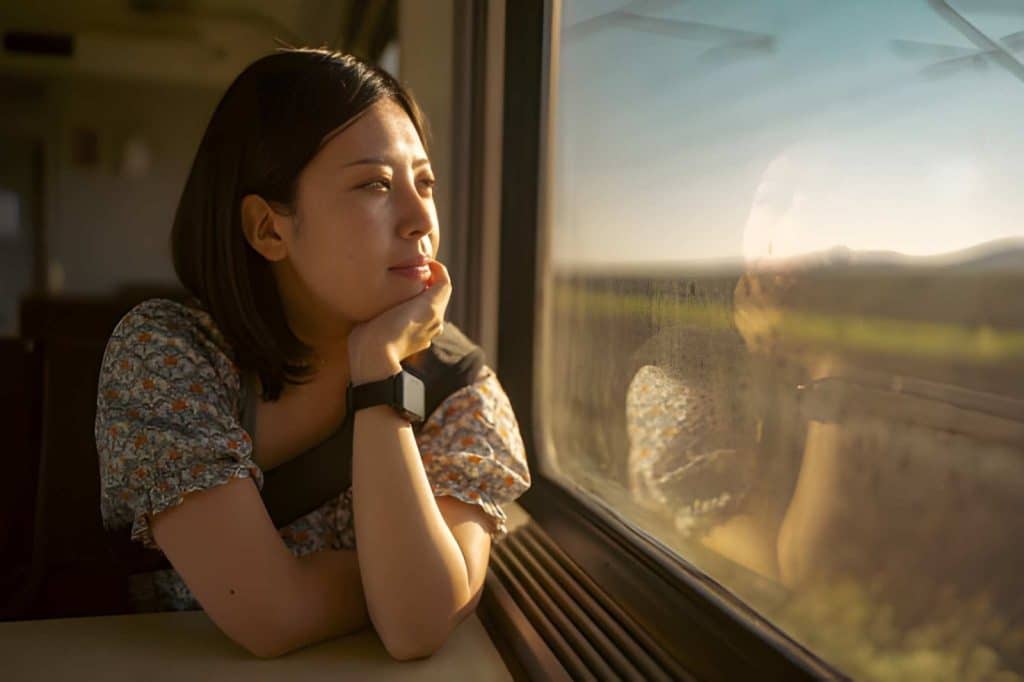
Experienced solo travelers rarely describe safety as constant fear.
More often, they describe learning when situations simply stop feeling comfortable:
An unusually empty street, an aggressive conversation, a strange transportation interaction, or a neighborhood atmosphere changing unexpectedly.
Intuition usually notices environmental shifts before the conscious mind fully processes them logically.
That does not mean assuming danger constantly.
It means respecting discomfort instead of arguing with it internally. Leaving situations early, changing routes, entering busier spaces, or using different transportation options often prevents larger problems later.
Most strong travel instincts develop gradually through attention and experience.
Good Preparation Creates More Freedom
The safest solo travelers are often the most relaxed travelers.
That calm usually comes from preparation rather than fear. Understanding neighborhoods, reducing avoidable uncertainty, protecting important belongings, and thinking ahead about logistics creates flexibility because fewer situations feel chaotic unexpectedly.
Preparation expands independence.
It allows travelers moving through unfamiliar places more comfortably because mental energy stays available for enjoying the trip itself instead of constantly solving preventable problems under pressure.
Good solo travel safety rarely looks dramatic.\ Most of the time, it simply looks organized, observant, and calm.
Smart Solo Travelers Usually Prepare Before Problems Happen
Solo travel becomes much easier once small problems stop turning into stressful situations. Good hotel locations, reliable transportation, charged devices, smoother airport routines, and flexible planning often matter far more than luxury upgrades during real travel days.
Inside the Skool community, travelers regularly share practical solo travel strategies, safer itinerary habits, smarter airport routines, and ways to make unfamiliar destinations feel far less overwhelming.
Before booking your next trip, the Smart Finder Tool can also help compare travel cards offering lounge access, travel protections, flexible booking perks, and smoother airport experiences that reduce stress during solo travel.