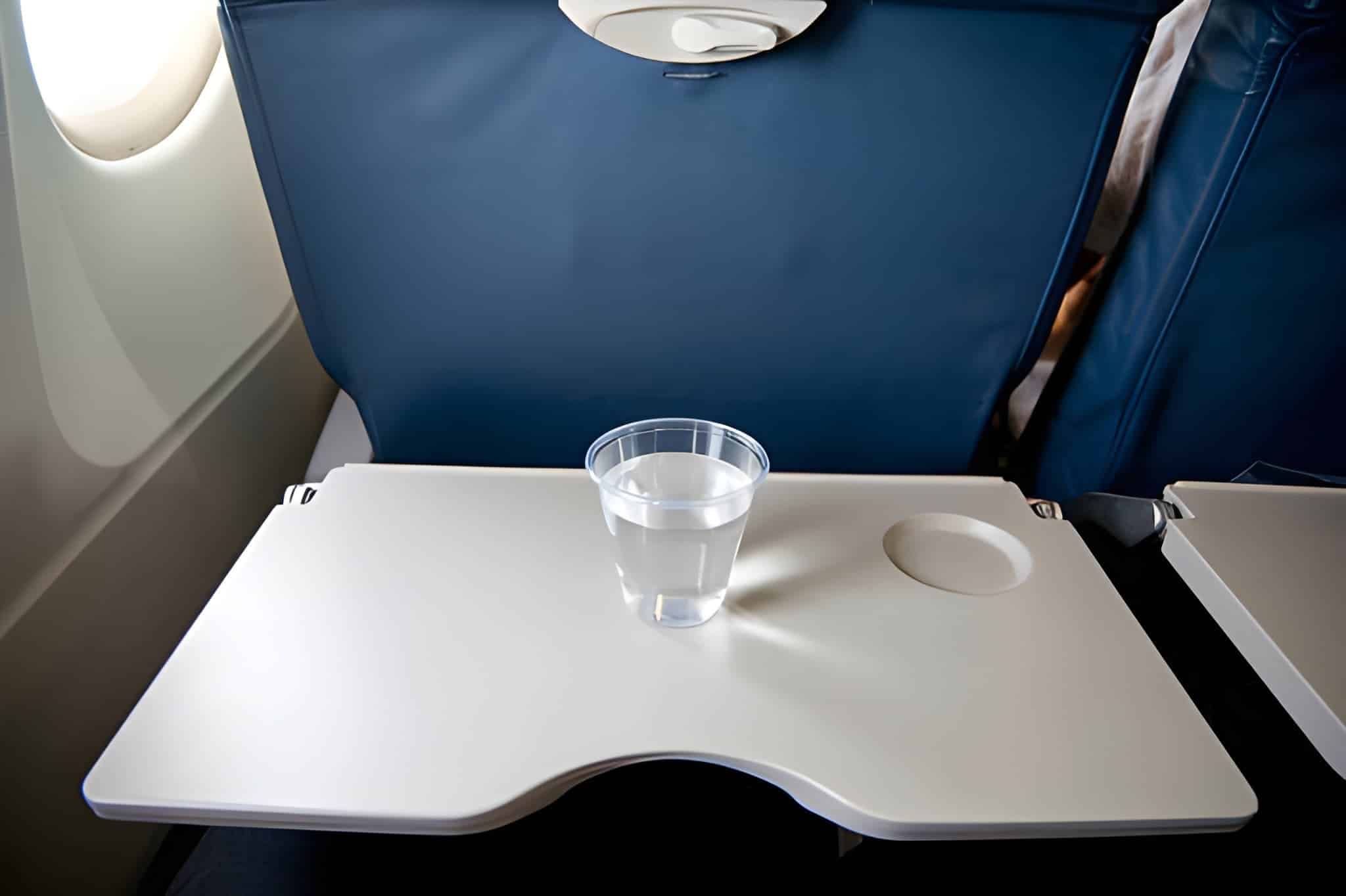
Water onboard aircraft comes from storage tanks that most travelers never see. Those tanks feed lavatory sinks, supply hot drinks, and in a few premium cabins even support showers. Once you think about how long water can sit inside a sealed system that moves city to city, it’s hard not to pause before filling a cup.
Recent large-scale testing of aircraft water systems gives us more context, and it explains why this topic keeps resurfacing among frequent flyers.
Where Airplane Water Comes From
Aircraft do not refill water the way homes do. Tanks are filled on the ground using service vehicles, hoses, and local water sources. That water may remain onboard across several flights before the system is flushed or disinfected.
Every link in that chain matters. If a hose is poorly maintained, if a tank isn’t cleaned on schedule, or if flushing happens less often than recommended, water quality can drop fast.
This setup isn’t inherently unsafe, but it demands consistent upkeep.
What Large Water Testing Revealed
Over a multi-year period, researchers collected tens of thousands of samples from aircraft water tanks. The focus was not on the bottled water brought onboard. It was tank water used for sinks, toilets, and heating systems.
They evaluated things most passengers never hear about, like sanitation violations per aircraft, contamination markers, public notices, and how frequently systems were disinfected. Each airline received a score on a fixed scale intended to reflect overall water safety practices.
The testing window covered several years, which helped smooth out short-term anomalies.
The Gap Between Best And Worst Was Wide
What surprised many observers wasn’t that some airlines struggled. It was how far apart the scores were. Some operators maintained consistently clean systems with frequent flushing and minimal violations. Others lagged far behind, suggesting weaker procedures or less oversight. That gap points to internal processes, not random chance.
Why Rules Don’t Always Solve The Problem
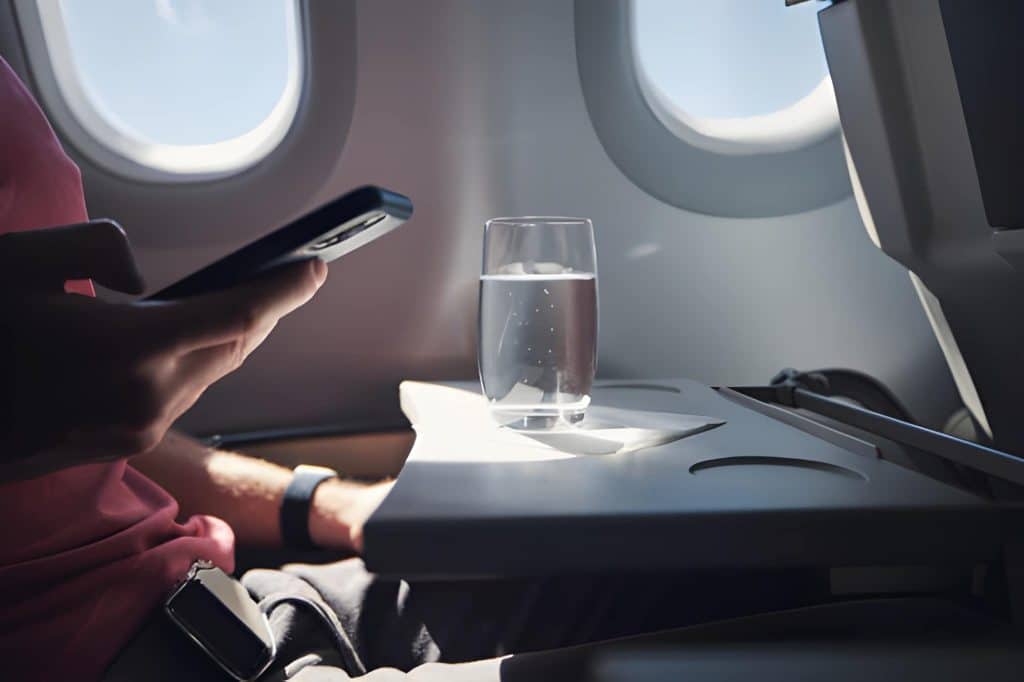
There are regulations governing aircraft water systems. They cover testing frequency, sanitation standards, and reporting requirements.
The challenge lies in enforcement. Penalties are uncommon. Follow-up actions can be slow. As long as problems don’t trigger obvious health events, they often remain buried in paperwork. Rules without consistent enforcement lose their bite.
The Study’s Safety Advice And Why It Sounds Extreme
The testing group offered cautious recommendations for travelers who want to minimize exposure. They advised avoiding any water drawn directly from aircraft tanks. That includes plain water and hot beverages made onboard. They also suggested skipping sink handwashing in favor of alcohol-based sanitizer. Those suggestions represent maximum caution, not typical passenger behavior.
Why Most Travelers Don’t Get Sick Anyway
Billions of people fly every year. If aircraft water were routinely dangerous, we would see far more reported issues.
Most exposure involves brief contact, not long-term consumption. Hot water reduces some risks. Handwashing doesn’t involve ingestion. Low risk doesn’t equal no risk, but it explains why problems don’t surface often.
Drinking Versus Using Water Onboard
There’s a practical distinction between drinking water and using it. Many seasoned travelers already avoid drinking cold tap water on planes. That habit aligns with common sense.
Hot drinks sit in a gray area. Heating reduces certain risks but doesn’t guarantee purity. Plenty of passengers drink coffee or tea without noticeable effects.
Using sink water for handwashing carries even less concern, especially when paired with sanitizer afterward.
Why Learning This Feels Uncomfortable
Once you know water quality varies, every sip and splash feels more questionable. Information changes perception. The mind fills gaps with worst-case imagery, even when actual risk remains low. That discomfort doesn’t mean the danger suddenly increased. It means awareness did.
How Travelers Can Use This Information
This data is useful for making personal choices, not for panic. If you prefer caution, stick to sealed bottled water and bring sanitizer. If you’re comfortable with occasional hot drinks, understand the tradeoff and decide accordingly. Awareness gives you control.
Why Rankings Aren’t The Main Issue
It’s easy to focus on which airline scored highest or lowest. That misses the bigger point.
No passenger should need to guess which operator takes water sanitation seriously. The goal should be raising standards across the board, not just highlighting outliers. Consistency matters more than bragging rights.
How This Changes Everyday Flying
For most frequent travelers, habits won’t shift dramatically. Avoid drinking tank water directly. Carry sanitizer. Use common sense. Stay informed without obsessing. That balance keeps travel practical and low-stress.
What Would Actually Improve Water Quality
Stronger oversight would help more than public rankings. Regular inspections, clear penalties, and transparent reporting would push every airline toward better practices. That raises the baseline rather than creating winners and losers. Passengers benefit when the floor rises.
The Bigger Picture
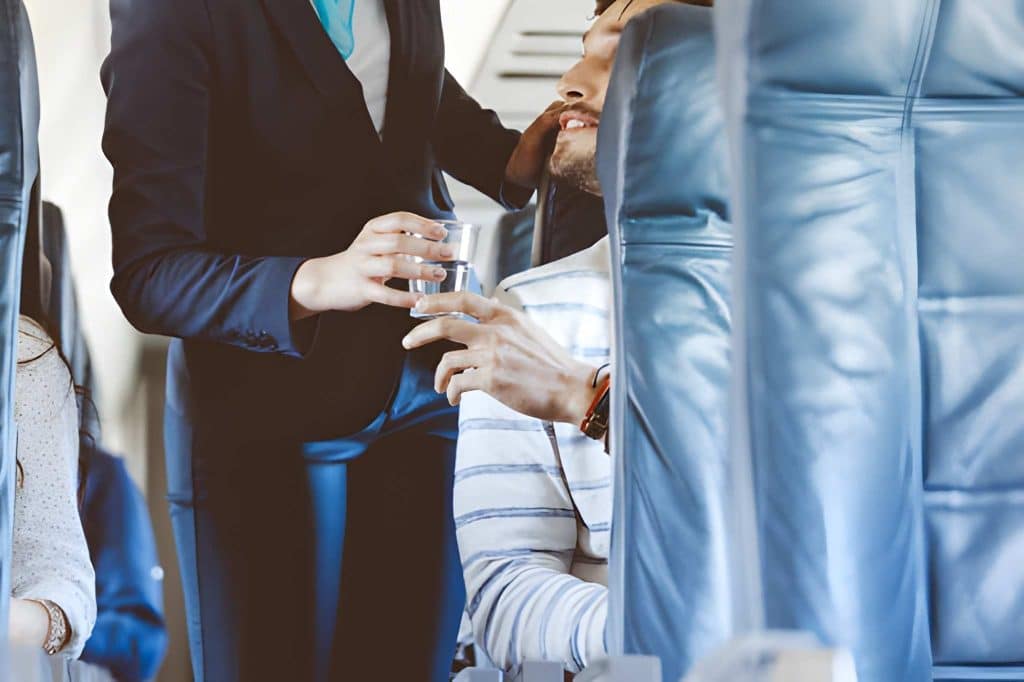
Aircraft water isn’t uniformly clean, and it isn’t uniformly unsafe. Quality depends heavily on maintenance discipline and enforcement.
For travelers, the takeaway is straightforward. Treat onboard water as a utility rather than a refreshment. Decide your comfort level, act accordingly, and don’t let curiosity turn into unnecessary worry.
Sometimes the smartest response to new information is a calm adjustment, not a drastic change.
How To Treat Plane Water Without Overthinking It
Plane water feels normal because it’s always been there, not because it’s always equal. Inside The Miles Academy, travelers swap the small system-level habits that reduce exposure and make long flights feel calmer before they ever sit down.
When you’re dialing in the practical side of travel spending and prep, this card finder tool helps narrow options fast without turning planning into a project.
