
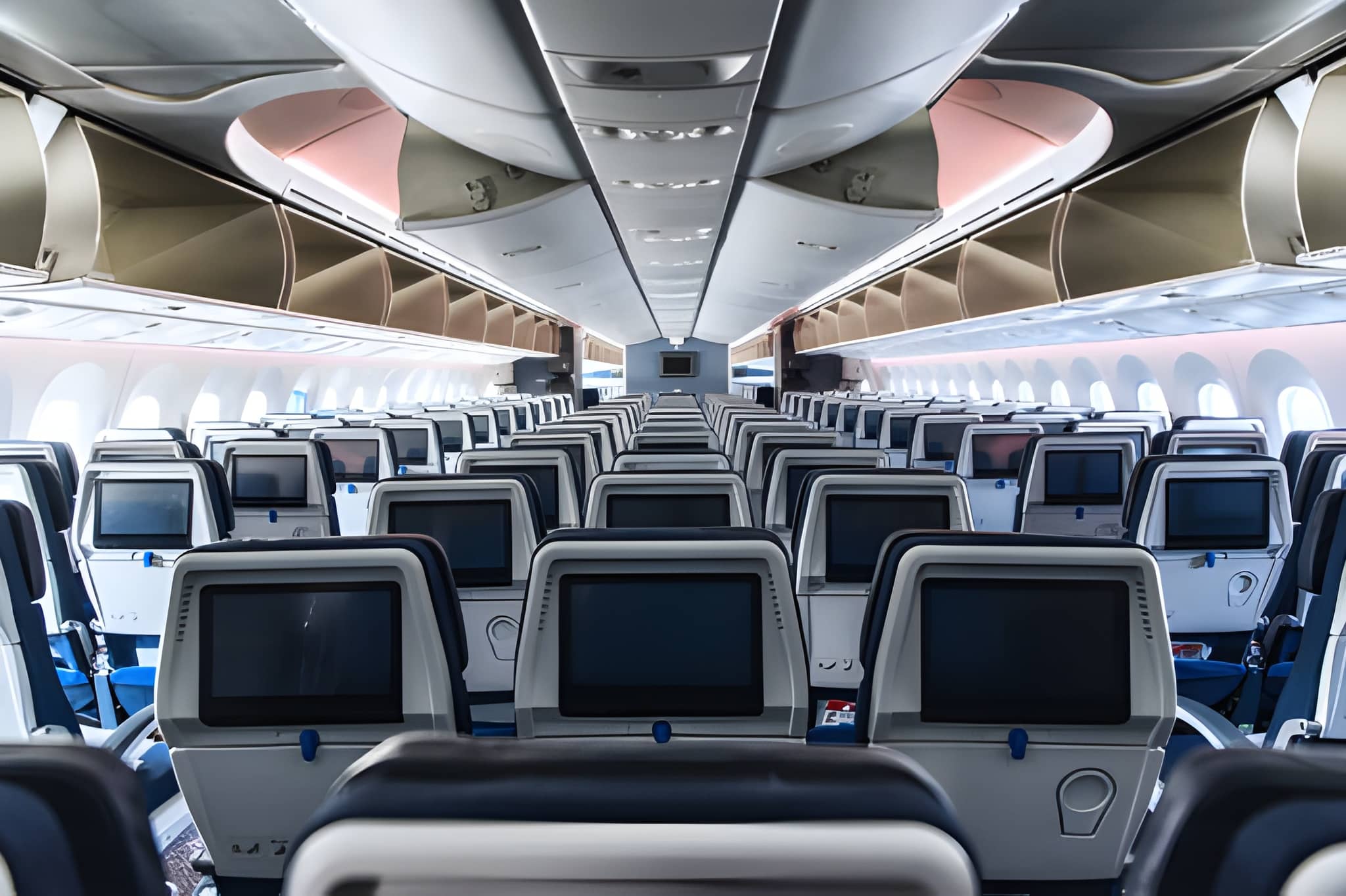
At TheMilesAcademy, we have watched premium economy shift from a “nice extra” to a core cabin. Another international airline will add a middle cabin on long-haul routes next summer, giving you a third option between standard economy and the front cabin.
Airlines started this decades ago with slightly roomier rows and a premium label. Over time, many carriers turned it into a clearer long-haul product with a different seat, small service upgrades, and airport perks that can make your trip easier from check-in to landing.
Demand has climbed fast. An airfare-tracking site reported that airlines offered more than 114 million premium-economy seats for sale worldwide last year, nearly a 40% increase over two years. More travelers now pay extra for comfort, especially on overnight flights where tight seating and cabin noise wear you down. That trend should shape long-haul pricing and layouts.
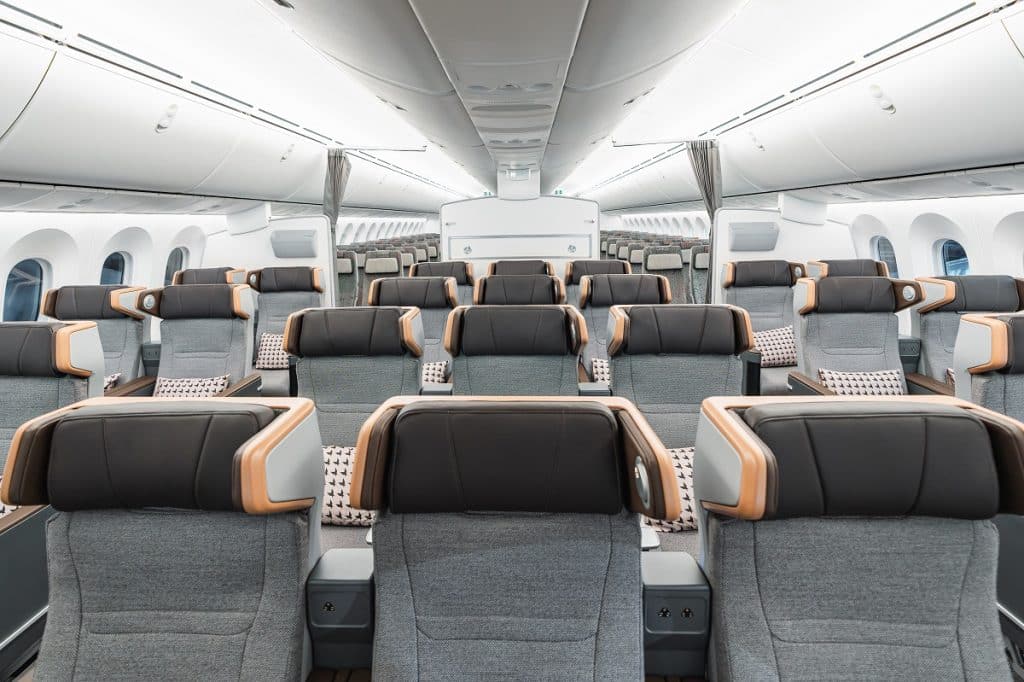
This airline says it built the new cabin around what travelers keep requesting: more premium benefits without the business-class price tag. The carrier will place the section directly behind business class and keep it small, with only 12 seats arranged four across per row. A smaller cabin can feel quieter and more private, which helps when you want to rest or avoid the biggest crowds.
Depending on route and ticket rules, premium economy often adds priority check-in, earlier boarding, extra earning in the airline’s points-earning program, better headphones, and more food and drink choices than standard economy.
The carrier will launch this cabin on flights between Portugal and the United States, including New York (JFK and Newark), Boston, Washington, Los Angeles, San Francisco, and Miami. If you fly this corridor, you can treat this as another sign that premium economy now counts as mainstream, not a niche perk.
What Premium Economy Can Look Like Across Airlines
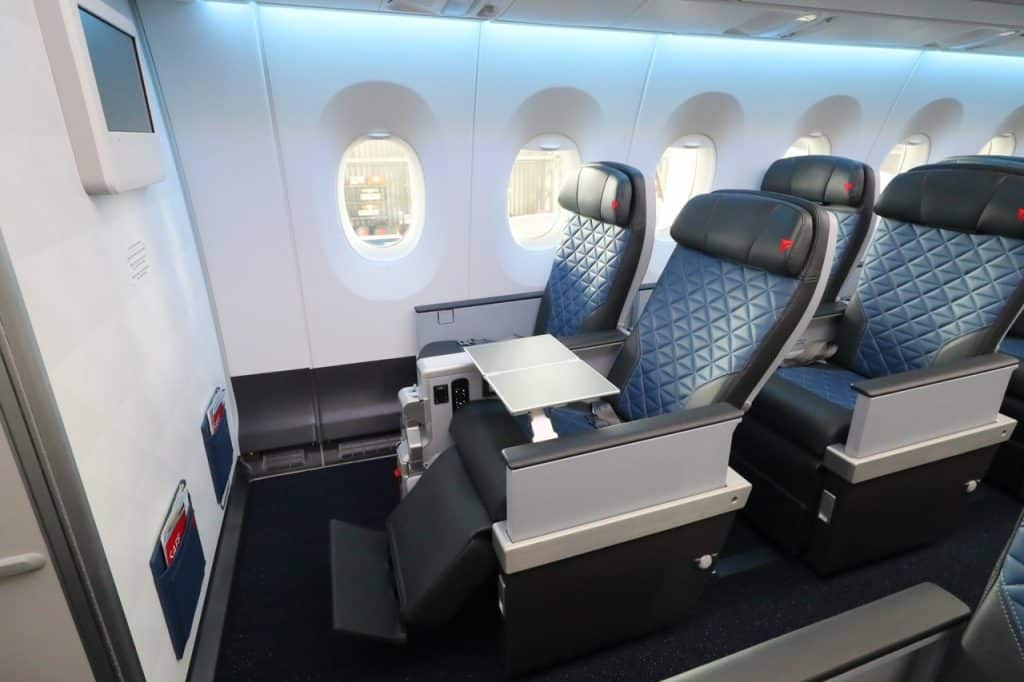
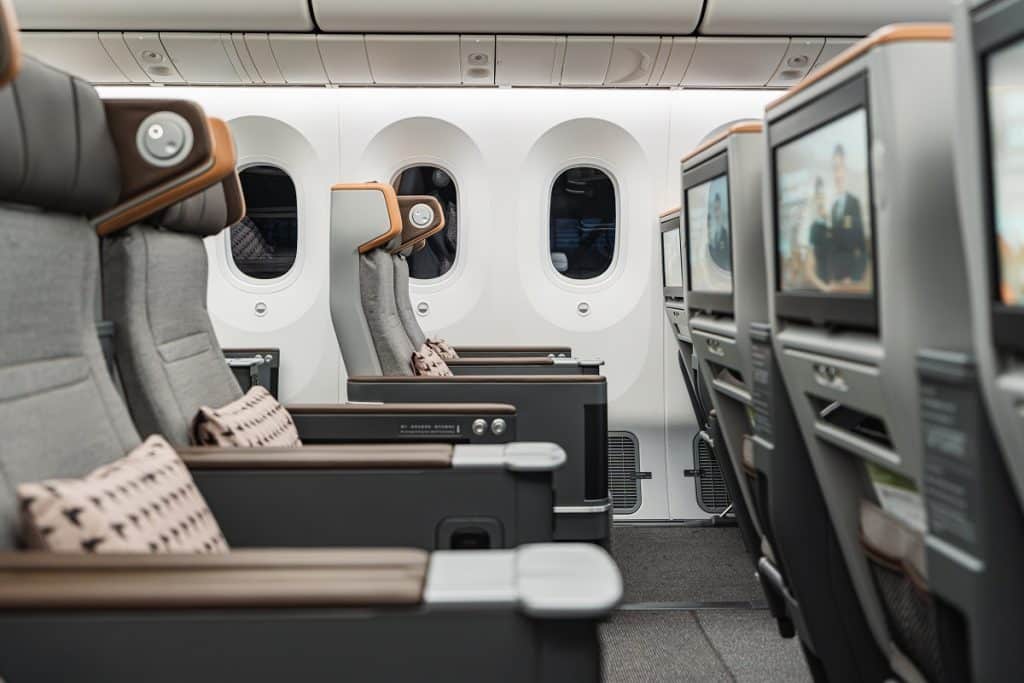
On most long-haul aircraft, premium economy sits between standard economy and business class. You typically get extra legroom, a wider seat, and deeper recline, often with a foot bar or leg rest. That extra space reduces shoulder rub and knee pain on long flights, and it gives you room to work, eat, and shift positions without bumping your neighbor.
Airlines promote this cabin because it delivers strong revenue. Carriers can charge a meaningful premium while giving up only a small number of seats and adding limited service upgrades. That pricing gap often makes this middle cabin one of the best-performing sections of the plane.
Still, premium economy changes a lot by airline and aircraft. Seat pitch often falls around 38 to 43 inches, and seat width can run roughly 17.5 to 20 inches. Even small differences matter when you sit for eight to twelve hours, especially if you travel with a laptop, store a larger item under the seat, or have broad shoulders. Before you pay, confirm the aircraft type, check the seat map, and review the published measurements.
Perks also vary. Some airlines include priority check-in or faster bag drop. Others improve the onboard experience with a welcome drink, a nicer meal setup, or an amenity kit. Some carriers sell lounge access as an optional add-on, but ticket rules and route policies control eligibility, so review the details.
Because the product differs so much, premium economy can feel excellent on one flight and only slightly better on another. On a packed overnight route, you still sleep sitting up, and the cabin can stay noisy. If the price jump sits closer to business class than to economy, you may get more disappointment than comfort.
When The Upgrade Actually Pays Off
Premium economy works best when the upgrade price stays reasonable and your flight is long enough to feel the space.
Travelers often mention $300 to $400 above the economy fare as a solid target on international routes, though many people will pay more on very long overnight flights just to avoid the tightest part of economy.
The challenge is volatility. Airlines can price premium economy as a small step up one day, then push it close to business-class pricing the next, based on demand and remaining seats.
We experienced that while planning a trip to Spain. Early searches for the return flight from Madrid to New York showed premium economy nearly $1,000 more per person, one way, so we skipped it because we still would not get a flat bed.
About a week before departure, the airline offered a premium-economy upgrade for a little over $200 one way. The value improved after we factored in a refund on an economy seat-selection fee and a free checked bag. Always confirm refund and baggage rules for your ticket before you pay.
We accepted the offer and saw the difference right away: a better seat, more attentive service, and two decent meals. The cabin also felt quieter because the airline filled only about half of the 24 seats.
Even with a good deal, remember that premium economy still means upright sleep on most overnight routes. We weigh both hard factors, like seat size and fees, and soft factors, like less crowding and faster boarding.
What To Verify Before You Spend More
- Seat measurements: seat pitch, seat width, and recline.
- Leg and foot support: a true leg rest, a foot bar, or no support at all.
- Meal and drink upgrades: better options, more choices, or the same food with nicer presentation.
- Baggage and seat fees: checked baggage, improved seat selection, and whether the airline refunds any economy fees you already paid.
- Change and refund rules: premium economy fares can include different flexibility than basic economy. Read the rules carefully.
The Little Perks That Add Up
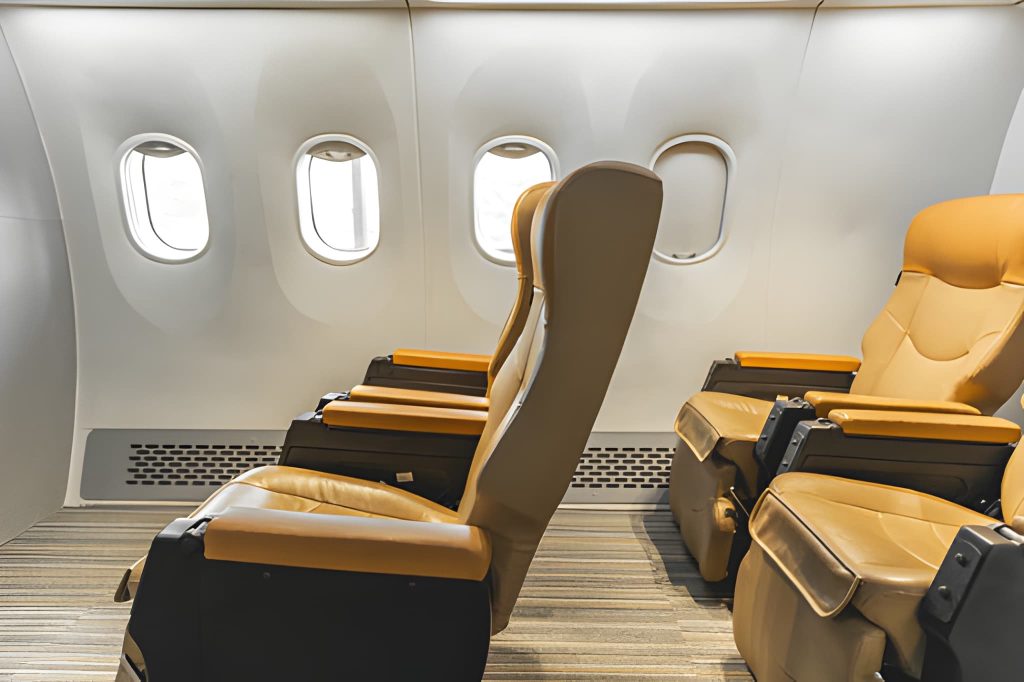
A frequent-flyer analyst we follow says premium economy often earns its price through the softer wins alone. When you sit in a smaller section just behind business class, you can reduce the chaos you usually feel in the main economy cabin. Earlier boarding and faster exit can also save time, especially when you connect or want to reach ground transportation quickly.
Put simply, you buy more personal space. You may not feel luxurious, but you also do not feel squeezed in.
Where Premium Economy Is Headed Next
Premium economy continues to change even after decades of experimentation. A long-time business travel writer argues that airlines still have not settled on a consistent definition for the cabin. In their view, the category draws two main groups: travelers who move up because economy feels crowded and uncomfortable, and business travelers who cannot buy business class because employer travel rules reserve top cabins for senior staff.
So What Could Come Next?
Airlines may start experimenting with cabin layouts that feel truly different, like the small 12-seat setup described earlier. If travelers respond well, other carriers may follow with smaller sections, more privacy, and seats that feel less like upgraded economy.
A former airline seating executive and author who studies cabin trends has also noted growing interest in shell-style seat designs. These seats let you recline farther without forcing your seat into the space behind you. Some designs aim to create a more enclosed personal area so you can rest with fewer disruptions. These seats do not create lie-flat beds, but they can reduce the sliding and awkward posture many travelers experience in standard economy.
In the end, the category still comes down to a simple truth: the seat and the space around it determine comfort. When airlines improve those two elements in ways you can feel for eight to twelve hours, premium economy will keep attracting travelers who want a better long-haul experience.
Keep Premium Economy Worth It With Our Community!
If you want to get better at spotting premium economy deals, you do not have to figure it out alone. Inside our free TheMilesAcademy community, we share simple checklists for comparing seat pitch and seat width, tracking upgrade pricing, and deciding when an offer actually makes sense for your route.
You can also swap experiences with other travelers, like which flights felt worth paying for and which ones still felt too close to standard economy.
When you are ready to build more points for future upgrades, use our free Card Finder Tool to match your spending style to the right type of card, like an everyday travel card, a cash-back card, or a no-annual-fee card. That way, you can earn rewards more efficiently and put those points toward the comfort upgrades you actually care about.
