
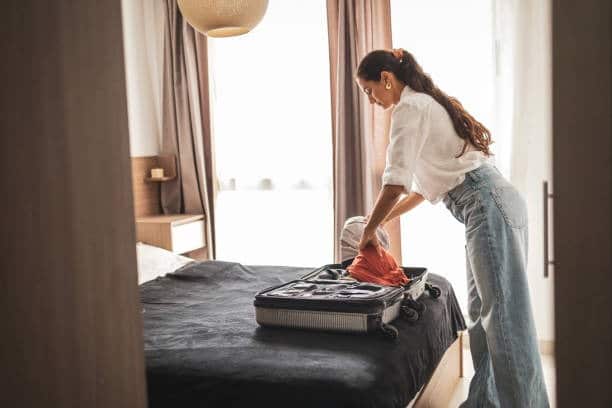
European trips reward smart packing more than almost any other kind of travel. You walk more. You carry your bag more. You deal with older buildings, tighter spaces, and transit systems that don’t bend around oversized luggage or impractical choices. After years of traveling across cities, villages, and everything in between, these are seven things we consistently leave behind and never miss.
1. Shoes That Can’t Handle Long Days
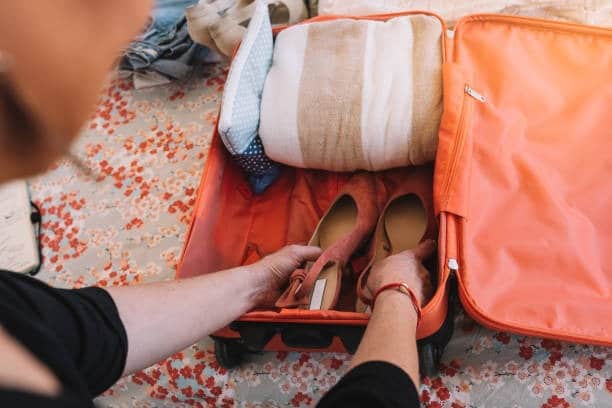
Europe looks compact on a map, but days stretch once you’re on foot. Cobblestones, worn stone steps, uneven sidewalks, and long museum corridors add up quickly.
Shoes built only for looks slow you down and shorten your days. Thin soles and narrow heels feel fine for an hour, then quietly drain your energy. A clean, low-profile walking shoe works almost everywhere, from cafés to casual dinners, without drawing attention.
If a shoe makes you plan routes around comfort, it’s the wrong shoe.
2. Food You Can Buy Within Five Minutes
Packing snacks feels practical until you realize how easy food access is across Europe. Bakeries open early. Small markets stay late. Train stations almost always have affordable options.
Buying food locally keeps your bag lighter and your schedule flexible. It also helps you eat when you’re hungry instead of when you packed something “just in case.” Even travelers with specific preferences usually find suitable options in larger cities and regional hubs.
Save your space for things that aren’t replaceable.
3. Bags That Don’t Fully Close
Busy streets, packed transit, and crowded attractions are part of the experience. Open bags and loose closures create unnecessary risk and distraction.
A compact bag with secure closures lets you focus on navigation instead of guarding your belongings. Neutral colors and simple shapes help you blend in without effort. Crossbody or slim backpack styles work well when they sit close and don’t swing.
The best bag disappears once you put it on.
4. Hair Tools That Depend On Perfect Conditions
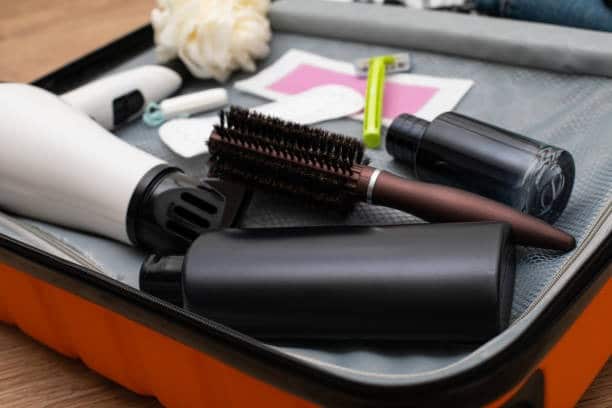
Many styling tools don’t cooperate with international power systems, even with adapters. They take up space, add weight, and often fail when you need them most.
Hotels usually provide basic options, and local shops sell affordable tools designed for local outlets. Simple routines travel better than equipment-heavy ones, especially when early mornings and long days are involved.
Hair that works with humidity and movement beats hair that needs precision.
5. Oversized Suitcases That Control Your Route
Large luggage limits how you move. Narrow staircases, small elevators, older hotels, and train platforms without ramps make big bags frustrating fast.
Smaller luggage keeps your trip flexible. You can walk farther, change plans easily, and move through stations without stress. It also forces smarter clothing choices, which usually leads to better outfits anyway.
Mobility matters more than storage.
6. Too Many Clothes For Imagined Situations
Overpacking clothes comes from planning for moments that rarely happen. Most days revolve around walking, eating, and exploring, not outfit changes.
A small rotation of comfortable, mixable pieces goes further than a packed suitcase. Neutral colors, breathable fabrics, and layers adapt to weather shifts and different settings. Laundry options are widely available, even in smaller towns.
If you don’t want to wear it twice, reconsider packing it.
7. Extra Electronics That Add Weight Without Value
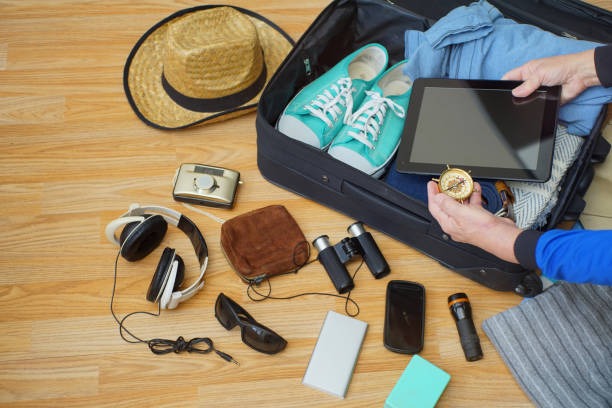
Most trips run smoothly with fewer devices than expected. Phones handle navigation, tickets, reservations, and communication. Everything else becomes optional.
One reliable charging setup covers most needs. Extra cords, specialty electronics, and single-use gadgets add bulk without improving the trip. When something is easy to replace or rarely used, it doesn’t earn space.
Technology should support the trip, not manage it.
A Smarter Way To Pack For Europe
Packing for Europe works best when you plan around movement, not appearances. Trains, stairs, sidewalks, and compact spaces shape the day more than hotel rooms do. When everything in your bag serves a clear purpose, travel feels lighter in every sense.
Leaving things behind isn’t about restriction. It’s about choosing comfort, flexibility, and energy for the moments that matter most.
Packing Gets Easier When You Compare Notes
Most packing mistakes come from guessing. What you think you’ll need and what actually gets used are rarely the same, especially once walking and transit shape every day.
That’s why people share packing lists and trip setups inside The Miles Academy on Skool. You’ll see what others left behind, what they relied on daily, and how lighter bags changed how their trips felt.
If you’re sorting travel gear, bags, or everyday items and want a simple way to narrow options that fit how you travel, this simple card finder tool helps compare choices without turning it into research overload.