

National parks remain one of the best travel bargains in the United States, but that doesn’t mean every trip is inexpensive. Flights, lodging, rental cars, and entrance fees can quickly add up if you book without a strategy.
After decades of planning outdoor adventures using airline miles and hotel rewards, I’ve learned that saving money isn’t about cutting corners. It’s about making smarter choices before you leave home. A few small decisions can easily shave hundreds of dollars off your vacation while giving you a more enjoyable experience.
Visit When Everyone Else Stays Home

Summer might seem like the obvious time to visit a national park, but it’s usually the most expensive season. Hotels raise rates, airfare climbs, and the most popular trails become crowded before breakfast.
Instead, look at late April through early June or mid-September through October. These shoulder seasons often bring cooler weather, lower lodging costs, and noticeably lighter traffic inside the parks.
Some destinations even become more beautiful outside of summer. Yellowstone comes alive with wildlife in spring, while Rocky Mountain National Park bursts into brilliant shades of gold each fall.
Let Airline Miles Cover The Expensive Part
Flights usually take the biggest bite out of a park vacation budget.
If you’ve collected airline miles over the years, this is often where they deliver the greatest value. Instead of spending hundreds of dollars on airfare, use those rewards and save your cash for activities once you arrive.
Be flexible with nearby airports instead of focusing on only one destination.
For example:
- Fly into Denver for Rocky Mountain National Park.
- Use Bozeman as your gateway to Yellowstone.
- Choose Phoenix before driving to the Grand Canyon.
- Arrive in Las Vegas for Zion and Bryce Canyon.
- Land in Jackson for Grand Teton.
A slightly longer drive can sometimes save hundreds on airfare.
Compare Points Before Booking Hotels
Using hotel points feels satisfying, but it isn’t always the smartest choice.
Before redeeming rewards, compare the cash rate with the number of points required. Some hotels dramatically increase award pricing during busy travel periods, making cash reservations the better value.
On slower travel dates, the opposite can happen. Premium properties may suddenly require far fewer points than usual, giving you an excellent redemption.
It only takes a minute to compare both options, and that quick calculation can preserve thousands of points for another vacation.
Look Beyond Traditional Hotels
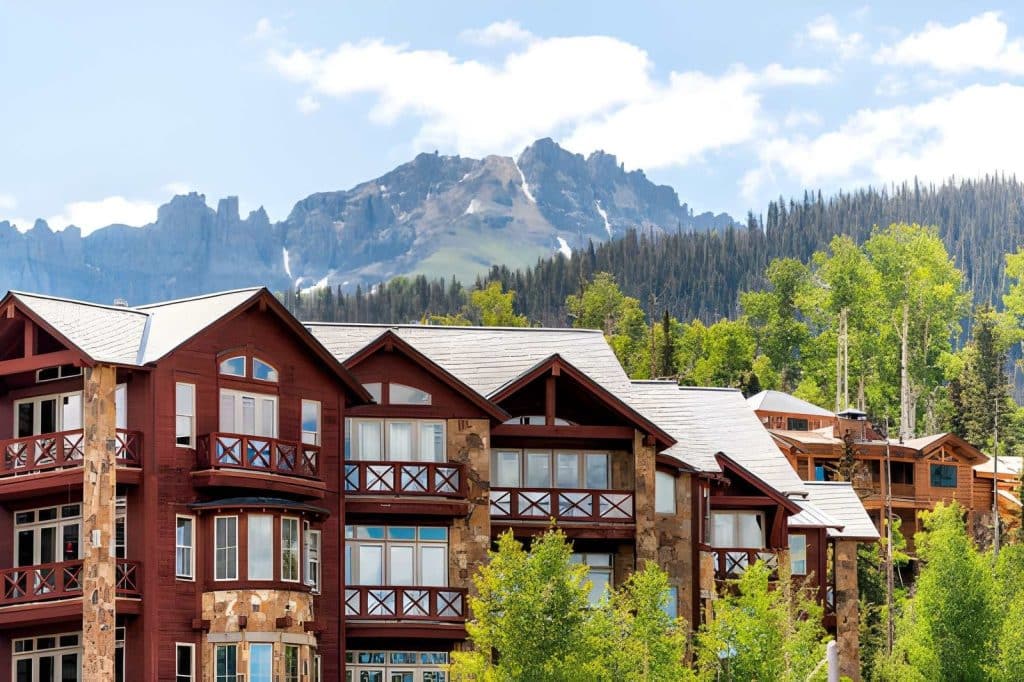
National park vacations don’t have to revolve around standard hotel rooms.
Cabins, glamping resorts, historic lodges, vacation rentals, and small family-owned motels often provide a more memorable stay while fitting a wider range of budgets.
Many glamping properties combine comfortable beds, private bathrooms, and scenic locations that feel much closer to nature than a chain hotel along the interstate.
For travelers who enjoy quiet evenings outdoors, these accommodations often become one of the highlights of the trip.
Don’t Wait To Reserve Your Rental Car
Rental cars around major parks disappear quickly during busy travel seasons.
Booking early gives you more vehicle choices and better prices. Many reservations can be canceled without penalty, allowing you to monitor prices and rebook if rates fall later.
Think carefully about the size of vehicle you need.
Unless you’re driving rough backcountry roads, a midsize sedan often handles national park highways comfortably while using less fuel than a large SUV.
Stay Just Outside The Park
Many travelers automatically search for lodging inside national parks.
While staying inside the gates has its advantages, nearby gateway towns frequently offer lower prices, better restaurant choices, grocery stores, and more accommodation options.
Communities outside parks like Zion, Yosemite, Acadia, and Glacier have expanded considerably over the past decade, giving visitors plenty of comfortable places to stay without paying premium park lodging prices.
Driving an extra 20 or 30 minutes each morning can translate into substantial savings over several nights.
Save on Park Entrance Fees
Admission fees may seem small compared with flights and hotels, but visiting multiple parks during one vacation can increase those costs.
An America the Beautiful Pass pays for itself surprisingly quickly if you plan several park visits within a year. It covers entrances to national parks and many other federally managed recreation areas.
The National Park Service also offers several fee-free days each year, giving visitors an opportunity to enter participating parks without paying admission.
Military members, veterans, Gold Star families, and eligible fourth-grade students may also qualify for complimentary access through special programs.
Bring Your Own Food And Water
Food inside national parks tends to be limited, expensive, or both.
Stopping at a grocery store before entering the park makes a noticeable difference, especially during multi-day trips.
Pack items like sandwiches, fruit, trail mix, refillable water bottles, and snacks that travel well. Most parks provide picnic areas with spectacular scenery, allowing you to enjoy lunch without waiting in restaurant lines.
Besides saving money, you’ll spend more time exploring and less time searching for your next meal.
Plan Each Day Before You Arrive

National parks cover enormous areas, and driving back and forth without a plan wastes both time and fuel.
Download offline maps before your trip since mobile service can disappear quickly once you’re inside the park.
Group nearby attractions together so you aren’t repeatedly crossing the same roads throughout the day. A little preparation helps you see more while reducing unnecessary driving.
That extra planning also leaves room for spontaneous stops whenever wildlife appears or an unexpected viewpoint catches your attention.
Smart Planning Makes Every Dollar Go Farther
A national park vacation doesn’t have to stretch your budget. Flexible travel dates, strategic use of airline miles, thoughtful hotel choices, and a few everyday planning habits can reduce costs without sacrificing the experience.
The money you save on flights, lodging, and entrance fees can go toward guided tours, better meals, or simply another adventure. With more than 400 national park sites across the country, there is always another destination waiting for your next trip.
Great National Park Trips Begin Before You Arrive
The best national park vacations aren’t always the most expensive. Experienced travelers know that careful planning, smart rewards strategies, and a little flexibility can make outdoor adventures more affordable while leaving room in the budget for the experiences that matter most.
That’s one reason I enjoy being part of The Miles Academy. Members regularly share practical travel strategies, destination tips, award booking advice, and money-saving ideas that help make every trip more rewarding.
A well-planned trip also starts with the right travel rewards card. The Smart Search tool helps you compare cards based on your travel goals and spending habits, making it easier to earn rewards that can help offset flights, hotels, rental cars, and future adventures.