
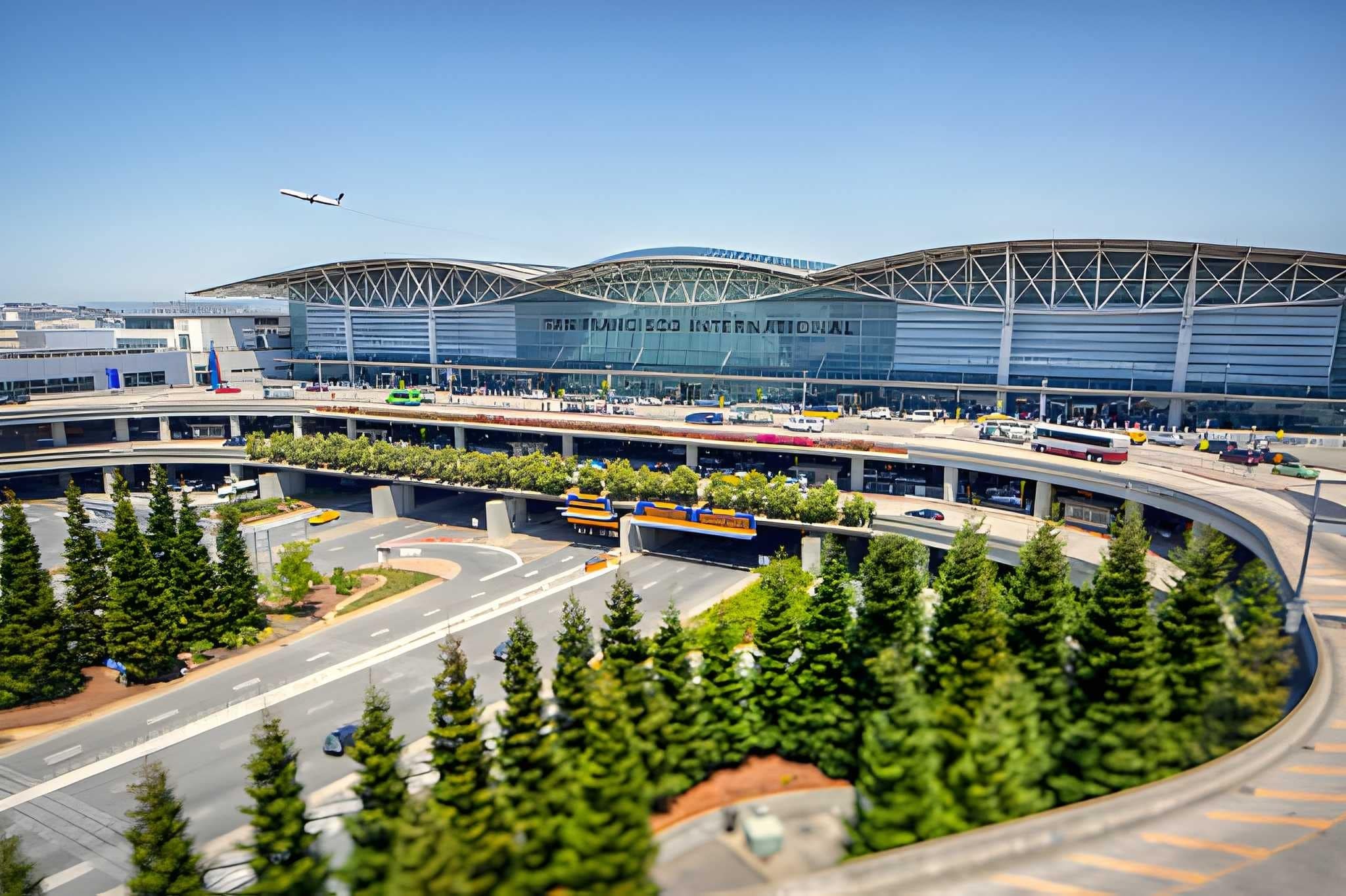
Airports are usually built for movement, not admiration. Long corridors, low ceilings, fluorescent light, and a race to the gate. That’s why it caught my attention when San Francisco International Airport was named the most beautiful airport terminal in the world.
The award came in December 2025 from the Prix de Versailles, an international architecture prize that evaluates newly built and renovated spaces for design quality, sustainability, public value, and cultural impact. That’s a high bar. And this terminal cleared it.
A Terminal That Feels Open Instead of Compressed
Terminal 1 at San Francisco International Airport, completed in June 2024, added 27 gates. But numbers alone don’t explain why it stands out.
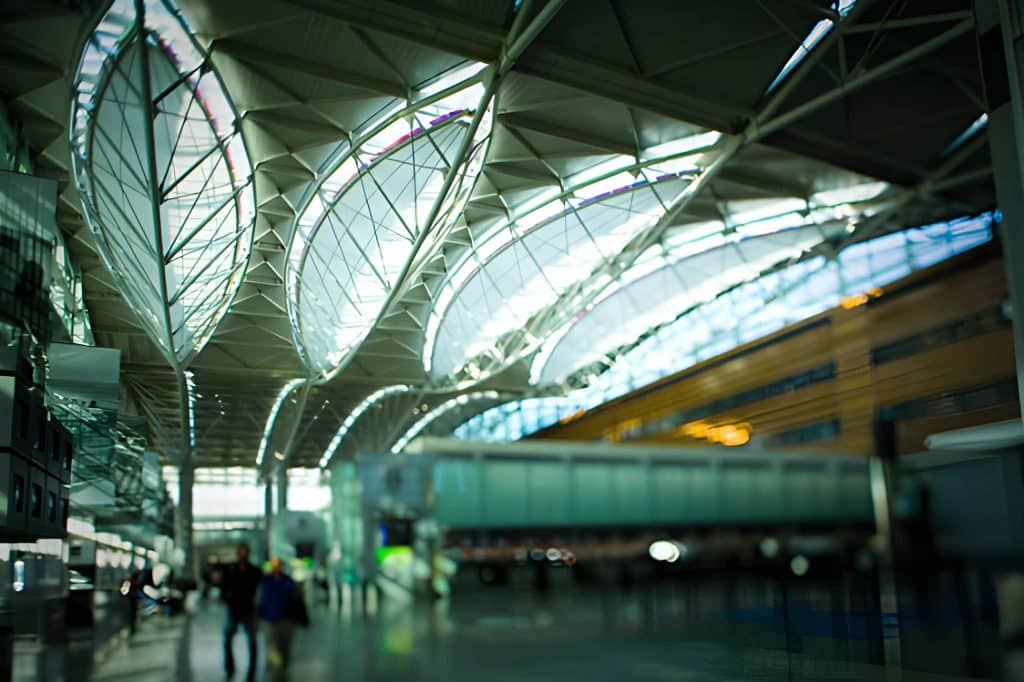
The first thing you notice is light. Not glare. Not harsh overhead panels. Natural daylight pours in through expansive windows, and the ceilings are high enough that you don’t feel boxed in. That matters more than most people think. After decades of flying through terminals that feel like shopping malls with jet bridges attached, you recognize how much design influences your mood.
Wide walkways reduce bottlenecks during peak departure waves. Sightlines are clear. You don’t have to weave through random retail kiosks just to find your gate. Movement feels intuitive.
Good airport design reduces friction. This one does.
Named For a Leader With Meaning
Terminal 1 carries the name of Harvey Milk, becoming the first airport terminal named after an LGBTQ+ leader. That’s not just symbolic branding. There’s a permanent exhibit inside that shares his life and work, placed in a way that travelers actually notice instead of rushing past.
Airports often try to express local identity through generic artwork. This approach is more deliberate. It connects the space to the city’s history and social legacy. When architecture carries cultural context, it feels less anonymous.
Lounges And Spaces That Actually Work
Terminal 1 houses four lounges, including three airline-operated spaces and one independent lounge with showers and a fireplace-style seating area. That’s helpful for premium travelers, especially on transcontinental and international routes.
But what impressed me more was how the general seating areas are arranged. There are clusters for groups, quiet nooks for solo travelers, and tables with built-in outlets that don’t require crawling under benches.
Charging access is positioned where people sit, not hidden along walls. That seems obvious. It rarely is.
The difference between a good terminal and an average one often comes down to how well it anticipates traveler behavior. This one clearly studied it.
Comfort Built Into The Layout
Frequent flyers learn to judge terminals by practical details, not Instagram angles.
There’s a free yoga room tucked away from heavy foot traffic. That’s not a gimmick. Long-haul passengers and business travelers stuck on tight connection schedules appreciate a quiet place to stretch.
Families get two dedicated play areas. One of them, called Tree Town, uses reclaimed California oak trunks as climbing structures. It’s sturdy, tactile, and far better than a plastic slide shoved into a corner. Parents know the difference between something that occupies kids for three minutes and something that buys you twenty.
There’s also a rotating art gallery that changes exhibits throughout the year. That keeps the space dynamic instead of static.
These aren’t luxury add-ons. They’re useful touches that make long airport days easier.
Sustainability With Hard Numbers
Plenty of buildings claim to be green. This one backs it up.
The architecture firm Gensler reported that the terminal achieved:
- 70 percent reduction in energy use intensity
- 79 percent reduction in total carbon emissions
- 50 percent reduction in potable water use
Photovoltaic panels generate on-site energy. Escalators and elevators are high-efficiency models. A displacement ventilation system delivers air at floor level, improving comfort while lowering power consumption.
Airports run 24 hours a day. Cutting energy demand at this scale reduces long-term operating costs and environmental strain. When you multiply that over decades, the impact compounds.
Design is no longer just about aesthetics. It’s about performance.
A Food Hall With Local Personality
Instead of lining the concourse with national chains, the terminal leans into regional restaurants.
You’ll find a branch of Perry’s serving American comfort dishes, Vietnamese sandwiches from Bun Mee, and Southern-inspired plates from Farmerbrown. It feels closer to a curated food hall than a standard airport strip.
That approach does two things. It supports local businesses and gives travelers a taste of the city before they even leave the airport.
Competing With The Best In The World
Five other international airports made the shortlist for the same architecture award. New or renovated terminals in China, France, Réunion Island, Japan, and Oregon were recognized for excellence.
That context is important. Airport architecture is evolving quickly. Cities are investing in terminals as civic landmarks, not just transit points.
Winning this award places San Francisco among a global set of high-design infrastructure projects. It signals that U.S. airports are capable of competing at that level.
Why This Matters For Travelers
Travel volume continues to grow. Security lines are longer. Connections are tighter. Passengers spend more time inside terminals than ever before.
When design reduces stress, improves air quality, and simplifies navigation, it changes how you experience the entire trip.
Natural light lowers fatigue. Clear layouts reduce missed connections. Comfortable seating makes delays less miserable. Sustainable systems lower long-term costs that ultimately influence ticket pricing and airport fees.
Those are tangible benefits.
If you’re passing through San Francisco soon, arrive a little earlier than usual. Walk the concourse. Notice how the space feels compared to older terminals.
Awards are easy to dismiss. This one isn’t. The design choices are deliberate, the sustainability metrics are strong, and the passenger experience is thoughtfully engineered.
For once, the world’s most beautiful airport title isn’t about flashy architecture. It’s about a building that works for the people moving through it every day.
Plan Smarter Airport Connections Before Your Next Trip

Beautiful terminals make travel easier, but smart routing and timing decisions matter even more. Inside our community at The Miles Academy, travelers share real examples of which terminals, connection strategies, and routing choices reduce stress, shorten walking distances, and protect tight itineraries at major hubs.
When booking flights that pass through large international airports, flexibility and booking tools can make a major difference during delays or terminal changes.
The Card Finder Tool helps you compare booking options that provide stronger rebooking flexibility, faster recovery from disruptions, and better protection when connection logistics suddenly shift.
