

At TheMilesAcademy, we keep seeing the same pattern in ultra-luxury residential buildings. A pool, fitness center, and spa used to feel impressive. Now they feel like table stakes. Developers still build them, but they do not win buyers with them.
The amenity that keeps showing up as the new “secret weapon” is much simpler and much more powerful: a residents-only restaurant inside the building.
This is not only about eating well. It is about living with fewer hassles. When the dining room sits one elevator ride away, you get convenience on your terms, privacy from strangers, and a lifestyle that feels intentionally protected.
Why Food Is Beating Wellness As The Standout Feature
Ultra-luxury properties love to list every indulgence imaginable. You might hear about a private wellness area with heat rooms, a staffed pool deck, round-the-clock service, and even niche extras like small golf practice options. In some upcoming developments scheduled to open in 2026, buyers may pay eight figures for a home and still hear the sales pitch revolve around one detail: a restaurant that only residents can use.
That makes sense when you think like a buyer.
A spa is great, but you may use it a few times a month.
A restaurant can fit into your day constantly. It works for breakfast when you want something easy, lunch when you need a quiet place to focus, and dinner when you do not want to deal with crowds. It can also handle the unglamorous moments, like a late arrival when your kitchen is empty.
Developers are not really selling food. They are selling frictionless living.
Home Turned Into A Destination
The pandemic years changed how many people think about their homes. More of us started using home as the center of our routines, our social plans, and our downtime. That shift did not disappear when travel and nightlife came back.
High-end residential design responded the way it always does: by turning lifestyle wants into sellable amenities.
A standard amenity package no longer differentiates one luxury building from another. If every new property offers the basics, the advantage goes to the building that can offer something you cannot get outside the lobby.
A private dining space creates that advantage immediately because it is access-based. You cannot buy your way in with a reservation app. You live there, or you do not.
What A Residents-Only Restaurant Actually Delivers
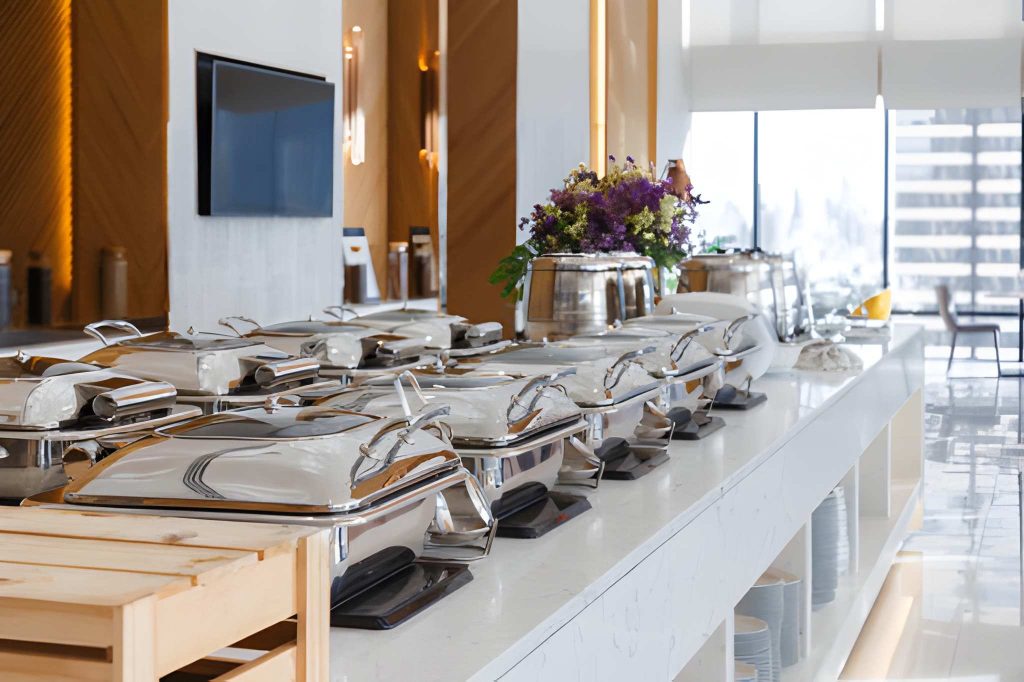
People often describe these spaces as “exclusive,” but we think that word hides the practical benefits. When you pay for private dining in your building, you are usually paying for three things: controlled access, convenience, and comfort.
Controlled Access And A Calm Atmosphere
Public restaurants come with public behavior. That means unpredictable crowds, noise, and the occasional person who treats the room like a spectator sport.
A residents-only dining room avoids that. The building controls who enters. Staff recognize the faces they serve. You can bring your family, meet a friend, or eat alone without feeling watched.
Privacy also ties into security. Residents in high-end buildings often want common areas that feel protected the same way a private gym does. They do not want outsiders wandering in, even if those outsiders pay for access.
Convenience Without The Usual Tradeoffs
Convenience sounds ordinary until you experience it at a high service level.
Imagine you land late, arrive home hungry, and realize you have no groceries. In a normal life, you are choosing between cooking something sad, ordering delivery that arrives cold, or going out when you are already exhausted.
In a building with private dining, you can call downstairs and ask for something fresh. You can eat in the dining room if you want company, or have the meal sent to your door if you want quiet. That is the kind of convenience residents willingly pay for because it saves time and mental effort.
A Social Space That Still Feels Private
A private restaurant can also act like a community living room, but with better lighting and better service.
Some residents use it as their default meeting spot because it feels easy and low-pressure. Others treat it like a “special occasion” place that they can access without leaving the property. Either way, it gives the building a heartbeat. That matters in luxury real estate because lifestyle sells.
The Numbers Behind The Trend Are Moving Up

Private dining inside residential buildings is not brand new, but the momentum has increased.
A large national property management firm that oversees thousands of residential communities, including dozens that operate food and beverage services, reported that food and beverage expenses across its portfolio rose by about 30% to 40%. The firm linked that increase to a broader move toward providing restaurant-level dining experiences inside residential buildings.
The same firm also reported that developer demand for food and beverage consulting for future projects more than doubled in 2025.
Those two data points tell us something important. Buildings are not only experimenting with dining. They are investing in it, budgeting for it, and planning for it early enough to bring in specialists.
Why A Private Restaurant Can Work With A Tiny Customer Base
A public restaurant needs volume. It has to attract enough diners to cover rent, staff, food costs, and the natural ups and downs of the business.
A residents-only restaurant operates under different rules.
In some ultra-luxury developments, the building may have only about 50 residences. That means the restaurant can never grow beyond a small number of households. In a traditional hospitality model, that would be a deal breaker.
In a residential model, it can be fine, because residents fund the amenity.
When the dining room exists to serve owners, it does not need to “win” the way a public restaurant does. The goal becomes service, consistency, and experience, not maximum profit.
How Residents End Up Paying For The Experience
This is where the glamour fades and the math shows up.
A private restaurant still needs equipment, staff, service training, ingredients, and ongoing upkeep. Those costs do not disappear because the room is exclusive. They simply move into the building budget.
In many buildings, the homeowners association or building association makes the key decisions and subsidizes the operation. Residents pay through monthly fees, menu charges, or a combination.
That structure changes how the operator feels, too. The culinary team does not face the same stress as a typical restaurant launch where an empty dining room can sink the business. The building community has already decided to support the project.

Menu Pricing Versus Monthly Fees
Most buildings face a simple tradeoff: do you want higher menu prices or higher monthly fees?
If the kitchen spends about $20 to produce and serve a quality burger, the building can set a higher menu price, for example $30, to avoid raising association fees.
Or the building can set the burger price much lower to encourage frequent use, and then cover the gap by increasing monthly fees. That increase can feel significant when you spread labor and overhead across a small number of households.
Neither approach is “right.” The right choice depends on what you value.
If you like predictable monthly costs, you may accept higher menu prices.
If you want the restaurant to feel like a daily convenience, you may prefer lower menu prices and accept higher fees.
What Residents Typically Get To Choose
Because this is an amenity, residents often shape what it becomes.
Some communities prefer casual dining with reliable comfort food, quick service, and a grab-and-go option for busy mornings.
Others want a more elevated dining room that feels like a destination inside the building.
Hours also matter. Extending service late into the night requires more staffing, more planning, and usually more money. Shorter hours reduce costs but may reduce the “always available” feeling that makes the amenity so appealing.
When you buy into a building like this, you are not just buying access to a restaurant. You are buying into a living system of decisions, budgets, and resident priorities.
Why This Amenity Sells Homes Even If You Barely Use It
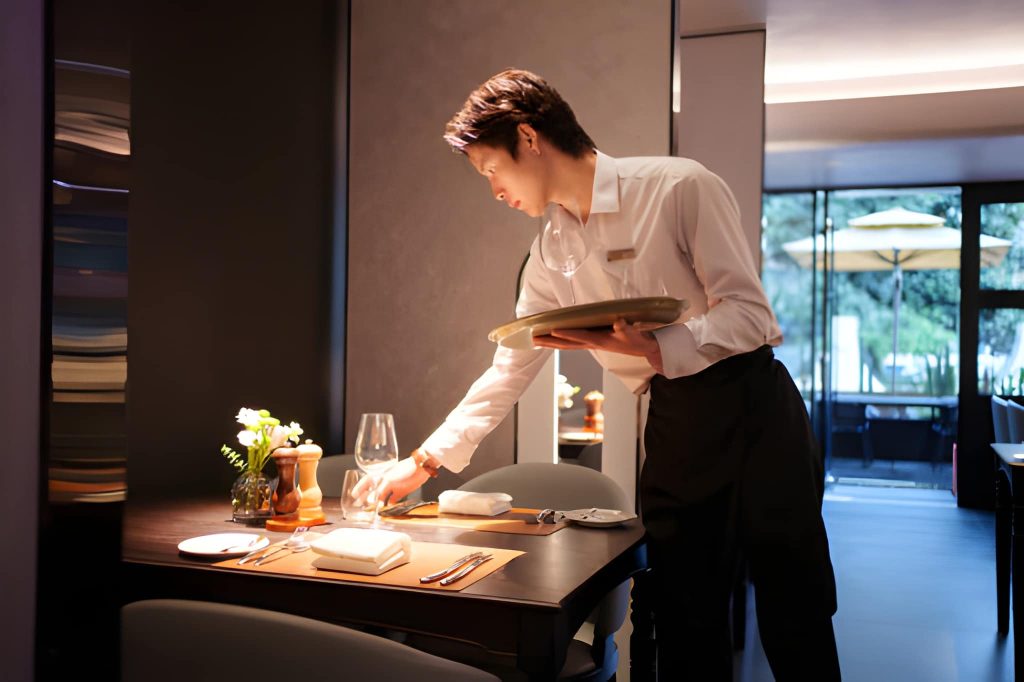
People do not use every amenity they pay for.
Many residents rarely step into the building gym. Some ignore the pool entirely. Yet those amenities still support higher prices because they help define the building’s identity.
Private dining works the same way. Developers can market it as a headline feature because it signals exclusivity, service, and lifestyle. Even if you only use it occasionally, it still shapes the story of the property, and that story can influence resale value.
What We Recommend Asking Before You Buy
If a building advertises residents-only dining, we suggest treating it like financial due diligence, not a fun perk.
- Who funds the restaurant, and how does that show up in association fees?
- Who sets menu prices, and how quickly can they change?
- What service hours are guaranteed, and can residents vote to expand or cut them?
- Can you order delivery to your unit, and what fees apply?
- Who manages the staff, and what service standards does the building require?
If the sales pitch feels vague, push for details. A dining room can be a dream amenity, but only if the operating plan matches what you expect to pay for.
Where Luxury Amenities Go From Here
We see private dining as part of a bigger shift. Luxury real estate is blending into hospitality. Buyers want their buildings to function like curated environments, not just expensive containers for furniture.
A residents-only restaurant fits that demand perfectly. It offers convenience, privacy, and controlled access in one package. It also gives developers a way to stand out when every competing building has already checked the standard amenity boxes.
If you are watching what is changing in high-end residential buildings, keep your eye on private dining. It has moved past novelty. It is becoming the new status signal, and it is one you can actually use on a random Tuesday night.
Make Smarter Value Choices With Our Free TheMilesAcademy Community
If this kind of behind-the-scenes look at “luxury perks” helped you think differently about value, costs, and convenience, you will fit right in with us. In our free TheMilesAcademy community, we swap simple, practical strategies for making smarter lifestyle decisions, from comparing monthly fees and operating costs to spotting which perks actually improve your day.
When you are ready to turn your everyday spending into more flexibility for travel and life, use our free Card Finder Tool. It helps you match a card to your habits and goals so you can earn rewards in a clean, realistic way without chasing complicated setups.