

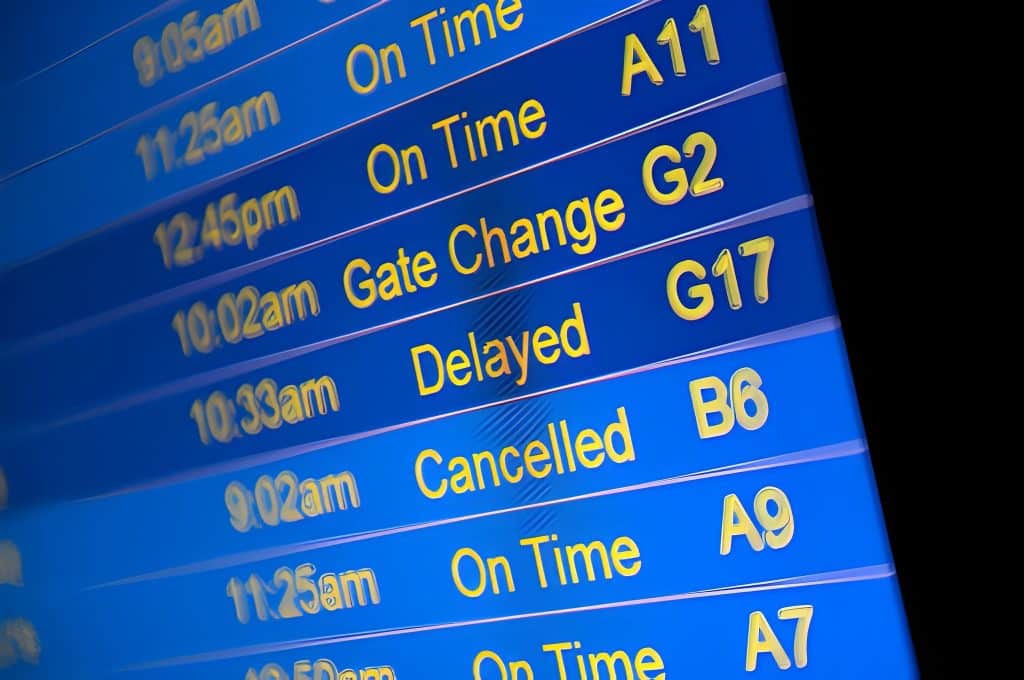
Your flight gets canceled after you already paid for a nonrefundable hotel. Your checked bag misses the connection and shows up two days later, if it shows up at all. You wake up sick overseas and the front desk hands you a clinic address and a shrug.
Those moments are why we keep two safety nets on the table at TheMilesAcademy: a standalone travel insurance policy and the travel protection that can come with certain cards. They overlap in a few places, but they do not behave the same when you need help fast.
The Three Things We Are Trying To Protect
Most travel coverage arguments boil down to the same three buckets.
- First is your prepaid trip money. Think nonrefundable flights, deposit-heavy tours, prepaid villas, tickets you cannot resell, and any reservation where the cancellation policy makes your wallet cry.
- Second is your health and the logistics around it. Getting treatment is one thing. Getting to the right hospital, handling a language barrier, and paying upfront costs is a different beast.
- Third is your stuff and the expenses that pile up when travel gets delayed. Bags, gear, toiletries, a last-minute hotel, meals while you wait, and the odd replacement charger you did not plan to buy at airport prices.
What A Standalone Travel Insurance Policy Covers Best
A standalone policy is built to be a full coverage package. You pick it for bigger financial exposure, bigger medical exposure, or a trip where you want a single help line that can coordinate the mess.
Most plans offer trip cancellation and trip interruption protection, emergency medical coverage, medical transport coverage, baggage coverage, baggage delay benefits, travel delay coverage, and a 24/7 assistance line. The mix depends on the plan, and the limits depend on what you buy.
That assistance line is not a cute add-on. When you are stuck in a foreign airport, or you are trying to find a clinic that will accept you without a deposit, having a team that can arrange care and tell you what paperwork to grab can save hours.
Why Travel Insurance Prices Vary So Much
Travel insurance is priced like risk math, not like a flat subscription. Cost commonly depends on how much prepaid, nonrefundable money you want to insure, where you are going, how long you will be away, and sometimes traveler ages.
Upgrades also move the price quickly. Higher medical limits, higher medical transport limits, add-ons for certain activities, and a cancel-for-any-reason option can all increase premiums. The best buys are the risks that could take a trip from “annoying” to “financially brutal.”
Trip Cancellation And Trip Interruption
If you have to pull the plug before you leave, trip cancellation coverage can reimburse eligible prepaid costs when the reason is covered. When trouble hits mid-trip, trip interruption coverage can reimburse unused portions and certain extra expenses tied to getting home early or restarting travel after a covered event.
The make-or-break detail is the list of covered reasons. Policies spell out what counts. A change of heart usually does not. Many plans also expect you to take reasonable steps to limit losses, like canceling reservations as soon as you know you cannot travel.
Covered reasons often include sudden illness or injury supported by medical documentation, severe weather that shuts down travel, a mandatory legal obligation like jury duty, a serious home emergency like burglary or major damage, certain strikes or disruptions that directly affect your travel, and quarantine rules listed in the plan certificate. Some policies also cover supplier financial failure, but only when the plan specifically includes that protection.
When you are shopping, do not stop at “trip cancellation included.” Read the covered reasons list and the exclusions. That is where the policy earns its keep.
Cancel For Any Reason And Why It Has So Many Rules
A cancel-for-any-reason upgrade exists for one purpose: flexibility when your reason is not on the covered list. It usually reimburses a portion of your prepaid, nonrefundable costs, not the full amount.
This add-on almost always comes with strict timing requirements tied to your first trip payment. It commonly requires you to insure the full prepaid, nonrefundable amount. It also often requires you to cancel before a deadline ahead of departure, commonly around two days.
Here are the rules you should expect to see:
- Buy within the early purchase window tied to your first trip deposit.
- Insure the full amount of prepaid, nonrefundable costs.
- Cancel by the plan’s cutoff before departure, often around 48 hours.
- Expect partial reimbursement based on the percentage stated in the plan.
Availability can vary by location and plan type, so your plan certificate is the only version that matters.
Emergency Medical Coverage And Medical Transport
This is where standalone policies often pull away from card protection.
Emergency medical coverage can reimburse treatment costs when you get sick or injured during a trip. Medical transport coverage can help pay for moving you to an appropriate hospital when local care is not enough, and in serious cases, it can cover transport back home when medically necessary.
Policies usually focus on sudden, urgent events. Routine checkups and elective care typically do not qualify. Pre-existing conditions can be excluded unless you meet the plan’s timing rules. Some plans offer a waiver when you buy coverage soon after your first trip payment and meet other requirements. If a pre-existing condition matters for you, confirm those details early.
One more thing people miss: many insurers want you to call the assistance number before major treatment decisions or any medical transport. They can direct you to approved providers, coordinate payment steps, and tell you what documentation you will need for reimbursement.
What Counts As An Emergency
Most plans look for a sudden condition that needs immediate attention. That can include a broken bone, a severe infection, dehydration that needs treatment, or anything that a clinician would reasonably treat as urgent.
“Emergency” usually does not mean prescriptions you forgot at home, routine dental cleanings, elective procedures, or a mild illness you could safely treat with basic care. The plan certificate decides what qualifies.
If you are overseas, another question matters just as much as medical: will the clinic require upfront payment. Many places do. That is why having a clear assistance process and a plan with useful medical limits can be the difference between getting treated quickly and spending hours negotiating at the front desk.
Bags, Delays, And The Expenses That Sneak Up
Baggage coverage can reimburse the cost of replacing items when your bag is lost, damaged, or stolen, up to plan limits and category caps. Baggage delay benefits can reimburse essentials you buy when your bag arrives late, after the plan’s waiting period.

Travel delay coverage is different. If a covered delay strands you, a policy can reimburse reasonable expenses like a hotel and meals up to the stated limit. Your plan will define what causes qualify and how long the delay must be.
Claims succeed or fail based on documentation. Delay claims usually require proof of the delay duration and itemized receipts for essentials. Loss claims often require an airline report and the carrier’s claim file number. Theft claims often require a police report and evidence you took reasonable care of your belongings.
If you want fewer headaches later, take photos of your packed bag before you leave. Photograph high-value items and keep purchase receipts where you can access them from your phone.
Fine Print That Can Break Your Claim
Travel insurance is full of exclusions that sound obvious until you are tired and unlucky.
Many plans exclude losses tied to illegal activity, reckless behavior, or ignoring safety rules. Leaving items unattended can trigger denial, especially in public places or in vehicles. Some plans limit coverage for electronics, jewelry, and specialty gear. Cash often has little or no coverage.
Activities are another common trap. High-altitude hiking, motorbike riding, skiing, diving, and other adventure activities may require specific coverage or an add-on. Some plans also expect you to follow local laws and safety requirements, like licensing and helmet rules.
Even on a short trip, check whether the plan requires travel a certain distance from home, and check whether “foreseeable events” exclusions apply. If severe weather is already hitting the news when you buy coverage, some plans may treat related claims differently.
How To Shop When Your Itinerary Has Activities
Some insurers publish long activity lists and offer tiered plans that change medical limits, trip coverage limits, and activity coverage. These plans can work well for independent travelers with gear and outdoor time built into the itinerary.
When you compare plans, start with your destination and your medical risk tolerance. Then verify that your activities are listed as covered, and read any conditions attached to them. Finally, confirm trip interruption coverage, because activity-heavy trips often involve prebooked guides, nonrefundable transfers, and expensive deposits.
When you quote a plan, enter your prepaid, nonrefundable costs honestly. Underinsuring can cause a headache if you need to file a trip cancellation claim, and overinsuring can waste money.
What Card Travel Protection Usually Covers
Many cards include travel protections such as trip delay coverage, baggage delay benefits, lost luggage coverage, trip cancellation or interruption coverage, and rental car collision coverage. The details vary by issuer and by card tier.
The most common weak spot is medical coverage. Meaningful emergency medical and medical transport protection is often missing from card benefit packages, or it exists only at small limits. That is why standalone coverage often matters more for international travel.
Card benefits usually require you to book travel with the card or to pay the required portion, like taxes and fees for an award ticket. Coverage can also vary by who is traveling. Some benefits cover only the person who booked the trip, while others extend to spouses and dependent children. Benefit guides change over time, so saving the current guide before departure is a smart habit.
One Detail That Changes Everything: Primary Vs Secondary
Many card protections are secondary, meaning they may pay only after other coverage applies. Some benefits can be primary in certain situations, but you have to read the benefit guide to know.

This matters for rental car coverage and for some travel protections. If one benefit is secondary, the claim process can take longer because you may need to show what another insurer paid first, even if that payment is zero.
Standalone travel insurance can also coordinate with other coverage depending on the plan. The point is not to memorize the legal terms. The point is to know who pays first so you are not surprised when paperwork shows up.
Where Each Option Usually Wins
Standalone travel insurance tends to win when you want adjustable limits, broader medical coverage, and a single assistance team to call during a problem. It also tends to win when your prepaid costs are high and you need trip cancellation and interruption limits that match that exposure.
Card travel protection tends to win on convenience. If your trip qualifies based on payment rules, you can get strong help with common disruptions like delays, baggage issues, and rental car coverage without buying a separate policy.
Cost works differently too. Travel insurance is an extra purchase tied to your trip and destination. Card benefits are included with the card package, often tied to an annual fee, and they only apply when you meet the booking rules.
Travel Insurance Pros And Cons That Matter
A good policy gives you a wider menu of coverage and the ability to choose higher limits. For international trips, emergency medical coverage and medical transport coverage can be the biggest value. Many policies also include assistance services that can coordinate care and logistics.
The tradeoff is effort. You pay extra, you need to understand the plan certificate, and you need to keep documentation clean if you file a claim. Some benefits also require buying coverage soon after your first trip payment to qualify for certain options.
Card Protection Pros And Cons That Matter
Card protection can be excellent for common travel disruptions. Trip delay coverage and baggage delay benefits can keep a bad day from turning into a cash drain. Rental car collision coverage can also save money if you follow the rules and decline overlapping coverage you do not need.
The limitations are predictable. Trip cancellation and interruption caps can be lower than what an expensive trip requires. Medical coverage is often weak. Coverage can apply only when you pay the right way, and benefit terms can change with benefit guide updates.
When Travel Insurance Is Usually The Better Choice
A standalone policy is often the better call when you are traveling abroad, especially when your regular health coverage will not work well at the destination. It is also a strong move for long trips, expensive itineraries, and any trip where you have significant prepaid, nonrefundable costs.
It also fits trips with activities, remote areas, or complicated logistics. If something goes wrong in those settings, having medical support, medical transport coverage, and an assistance team in your corner can matter more than people expect.
If you want flexibility beyond covered reasons, a cancel-for-any-reason upgrade can help, as long as you can meet the purchase window and cancellation deadline.
When Card Coverage Might Be Enough

Card coverage can be enough for short trips with low prepaid costs, especially closer to home. If your main risks are delayed flights, a delayed bag, or a rental car issue, card benefits may cover the gaps without an extra policy.
It can also work when you booked most of the trip with points and paid little cash. If your prepaid, nonrefundable exposure is low, the extra cost of a policy may not add much.
Even then, check the benefit guide before you travel. Confirm the booking rules, who is covered, delay waiting periods, reimbursement caps, and claim deadlines.
How To Check Your Card Benefits In Minutes
Find the current benefit guide for the exact card you used to book. Look up the sections for trip delay, baggage delay, trip cancellation, trip interruption, lost luggage, and rental car collision coverage.
Then confirm four things: the trigger rules, the waiting period for delays, the maximum reimbursement amounts, and the claim deadline. Save the claim phone number and claim website details in your phone, and keep a copy of the benefit guide with your travel documents.
If you like stress-free travel admin, screenshot key pages. When a disruption happens, you will not want to hunt through a PDF.
Why Using Both Often Works Best
Pairing a strong card benefit package with a standalone policy can give you the best of both worlds. The card can handle common disruptions like delays, baggage issues, and rental car coverage. The policy can fill the medical gap and provide higher trip cost protection.
Coordination matters. Do not try to get paid twice for the same expense. File with the provider that offers the strongest benefit for that situation, then submit remaining eligible expenses to the other provider if the terms allow it. Keep the timeline clear and the documentation consistent.
A common pairing is booking flights with a card that has useful delay and baggage benefits, then buying a policy sized for emergency medical needs and medical transport at your destination. Add cancel-for-any-reason only if you need flexibility and can meet the rules.
What To Do When Things Go Wrong
When a delay hits, get written proof from the carrier that shows the cause and the length of the delay. Save receipts for meals, hotels, and essential purchases. If you need lodging, choose something reasonable for the location, because coverage often expects reasonable costs.
When a bag is delayed, file a baggage report before you leave the airport and get the claim file number. Buy only essentials and keep itemized receipts. Take photos of what you purchase, because some claims administrators ask for proof beyond receipts.
When a bag is lost or stolen, document everything. File the airline report for a missing bag. File a police report for theft when appropriate. Make a detailed list of missing items with approximate purchase dates. If you have photos of your packed bag and high-value items, you will be glad you took them.
When you have a medical issue abroad, call the policy assistance line if you have one and the situation allows it. Ask what documentation the insurer needs and whether they can coordinate with a facility. Keep all medical records, invoices, and proof of payment. If the clinic requires upfront payment, document that too.

When you must cancel a trip, do it quickly. Cancel reservations promptly, save the cancellation confirmations, and request written documentation when the reason is medical or when a supplier disruption affects your itinerary.
Claim Essentials That Save You Later
Claims usually fall apart for boring reasons, not dramatic ones. A missing timestamp can sink a delay claim. Tossed receipts turn “we bought essentials” into “prove it.” Filing after the deadline gets you a polite no. Buying items outside the allowed categories can wipe out reimbursement, even when the delay was clearly covered.
Lock in your evidence while it is fresh. Save proof of purchase and your itinerary, including confirmation emails and payment receipts. When a carrier causes the disruption, ask for written documentation that shows the cause and the key times. When baggage goes missing or arrives late, keep the airport report and the claim file number. If something gets stolen, file a report quickly and save a copy. Medical claims go smoother when you have itemized invoices, clinician notes, and proof of payment.
Keep your timeline clean, too. Jot down when the delay started, when you were rebooked, when you arrived, and when your bag finally showed up. Claims administrators love timelines the way airports love lines.
Pick Coverage That Fits Your Trip
The best setup depends on your destination, your prepaid exposure, your health coverage situation, and what kind of traveler you are. If you are crossing borders, traveling far from major hospitals, or front-loading your trip with deposits, a standalone policy often carries the weight. If your trip is shorter and your main risks are delays, bags, and a rental car, card benefits can cover a lot as long as you follow the booking rules.
For many travelers, the cleanest approach is using card protections for the common travel headaches and adding a standalone policy when you need higher limits, stronger medical coverage, medical transport protection, or flexibility that goes beyond covered reasons.
Get Coverage Help In TheMilesAcademy Community
If you are stuck choosing coverage, bring the specifics. Post where you are going, what you already prepaid, and the big risks you are worried about, like medical access, tight connections, winter weather, or gear-heavy activities. You will get feedback from travelers who have filed these claims and learned what documentation matters before a trip goes sideways.
If you also want help picking a card setup that matches your travel style, use our free Card Finder Tool. It helps you narrow options based on how you travel, what you spend on, and which protections you care about most, so you are not guessing from marketing pages and wishful thinking.
