

Flight disruptions are stressful enough without spending weeks trying to figure out if you’re owed compensation. The European Union wants to make that process much simpler by updating its long-standing passenger rights rules and putting more responsibility on airlines instead of travelers.
If the proposed changes receive final approval, passengers would spend less time searching for answers and more time receiving the assistance they’re entitled to. The familiar compensation amounts remain largely unchanged, but the path to claiming them could become much more straightforward.
Many International Travelers Are Already Covered

One of the biggest surprises for first-time visitors to Europe is how broad these protections already are.
The rules don’t only benefit European citizens. They also protect visitors from countries like the United States, Canada, Australia, and Japan, provided the itinerary falls within the regulations.
Generally speaking, you’re covered if your flight departs from an airport in the European Union, regardless of the airline operating the flight. You’re also covered when flying into the EU on an airline based in an EU member country.
For example, someone flying from New York to Paris on Air France could qualify for compensation after an eligible delay. A traveler flying from Madrid to Chicago on American Airlines may also qualify because the journey begins inside the European Union.
Understanding these rules before booking international travel can save hundreds of dollars if something goes wrong.
Compensation Depends on The Length of Your Trip
Unlike many travel insurance policies, EU passenger compensation isn’t based on how much you paid for your ticket.
Instead, payments are determined primarily by flight distance.
Short routes of up to 1,500 kilometers remain eligible for €250. Medium-distance flights within Europe may qualify for €400. Longer international flights continue to offer compensation of up to €600 when the airline is responsible for the disruption.
That means someone who purchased an inexpensive promotional fare could receive exactly the same compensation as another passenger who paid considerably more for the seat next door.
It’s one reason frequent travelers pay close attention to these regulations whenever flying through Europe.
Airlines May Finally Have To Stop Making Passengers Chase Compensation
One of the biggest frustrations with the current system is that many travelers simply don’t know they qualify for compensation.
Some never file a claim because they assume delays are part of travel. Others spend hours searching airline websites trying to locate the correct forms.
The proposed rules shift much of that responsibility onto the airline.
Instead of expecting passengers to investigate everything themselves, airlines would have to notify eligible customers that compensation may be available. They would also need to explain exactly how to submit a claim.
The changes also establish clearer deadlines. Airlines would acknowledge claims promptly, then either issue payment within the required timeframe or explain why compensation doesn’t apply.
That extra transparency could prevent countless passengers from giving up before filing a claim.
Getting Another Flight Could Become Much Easier
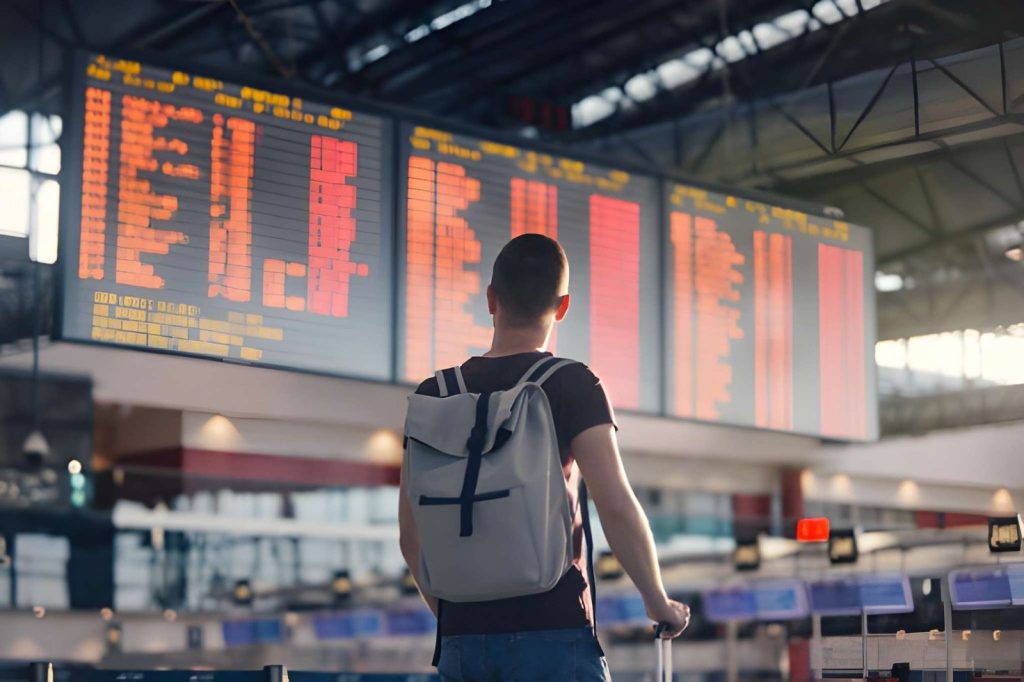
Anyone who’s experienced a canceled flight knows that waiting in line at the customer service desk can sometimes take longer than the flight itself.
Under the proposed rules, airlines would have stronger obligations to arrange replacement transportation quickly.
If they fail to provide a suitable rerouting option within a specified period, passengers could purchase another reasonable ticket themselves and later request reimbursement, subject to the established limits.
That change could be especially valuable during busy travel periods when seats disappear quickly and every hour matters.
Instead of standing in line while flights continue selling out, travelers would have more flexibility to solve the problem themselves.
Cash Isn’t The Only Protection Available
Many people immediately think about compensation checks after delays, but EU passenger protections include several forms of assistance that can make a difficult travel day much easier.
When disruptions stretch for several hours, airlines are generally expected to provide care for stranded passengers.
Depending on the circumstances, that may include meals, refreshments, hotel accommodations for overnight delays, and transportation between the airport and hotel.
Imagine arriving at the airport only to discover your evening departure has been postponed until the following morning. Instead of paying out of pocket for dinner, transportation, and a hotel room, eligible passengers may receive those services directly from the airline or request reimbursement later if the carrier fails to arrange them.
Knowing these rights while you’re standing at the airport can prevent unnecessary expenses.
Not Every Delay Results In Compensation
Although the protections are generous, they don’t apply to every situation.
Airlines generally aren’t required to pay compensation when disruptions happen because of extraordinary events outside their control.
Severe storms, volcanic ash, political unrest, airport security incidents, and certain air traffic control restrictions are common examples.
On the other hand, issues like aircraft maintenance problems, scheduling mistakes, or staffing shortages may still qualify because they’re typically considered operational responsibilities.
When an airline rejects a compensation request under the updated framework, it would need to explain why the disruption falls outside the compensation rules instead of issuing a vague denial.
Small Details Can Strengthen Your Claim

Experienced travelers know that good documentation makes almost every travel claim easier.
If your flight experiences a lengthy delay or cancellation, keep copies of your boarding pass, booking confirmation, baggage receipts, and any written communication from the airline.
Take screenshots of delay notifications if they appear in the airline’s mobile app. Save receipts for reasonable meals, transportation, or hotel stays if you’re instructed to arrange your own.
These records often become valuable if questions arise weeks after your trip.
It’s also worth checking the scheduled arrival time instead of simply looking at the departure delay. Compensation usually depends on how late you arrive at your final destination rather than when the aircraft leaves the gate.
These Changes Could Benefit Millions of Travelers
European passenger protections have long been among the strongest in commercial aviation, but many travelers never receive compensation simply because the process feels confusing.
The proposed updates focus less on increasing payment amounts and more on making the system easier to understand. Better communication, clearer timelines, stronger rerouting requirements, and faster claim handling all move responsibility toward the airline instead of the passenger.
For anyone planning trips through Europe, that’s welcome news. Delays may never disappear entirely, but knowing your rights and understanding how the system works can turn an expensive travel headache into a much easier situation to manage.
Smart Travelers Know Their Rights Before They Fly
Understanding airline policies and passenger rights can save you just as much money as finding a cheap flight. Frequent travelers know that a little preparation before departure can make delays, cancellations, and unexpected travel disruptions much easier to handle.
That’s one reason I enjoy being part of The Miles Academy. Members regularly share practical travel advice, airline strategies, award travel tips, and real-world experiences that help travelers feel more confident before every trip.
Choosing the right travel card can also provide valuable protections when your trip doesn’t go as planned. The Smart Search tool helps you compare cards based on your travel goals, making it easier to find benefits like travel protections, rewards, and other perks that can make every journey more rewarding.