
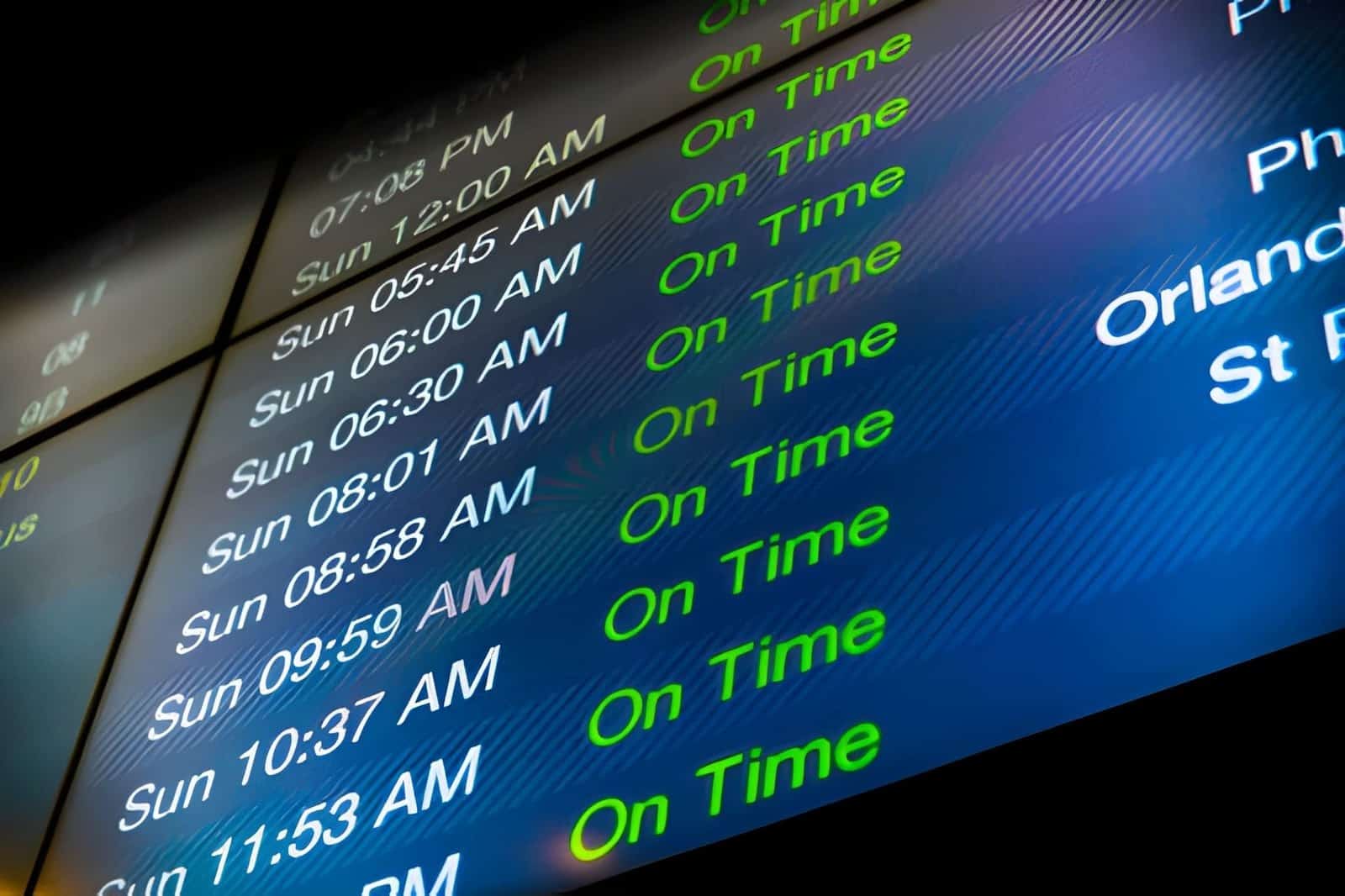
Delays don’t just cost you minutes. They compound. One late departure turns into a missed connection, which turns into a hotel night you didn’t plan for. After enough years flying, you stop chasing perks and start paying attention to which airlines run tight operations.
Recent performance data from 2025 shows a clear split. Some airlines keep schedules tight across thousands of flights. Others struggle once the system gets even slightly disrupted.
Aeromexico Sets the Pace Right Now
Aeromexico sits at the top with about 90 percent of flights arriving within 15 minutes of schedule. That number is strong on its own, but the improvement from the previous year matters more.
Airlines don’t move that much unless something changes behind the scenes. Better gate coordination, tighter turnaround times, and fewer delays rolling into later flights all play a part.
From experience, this kind of consistency shows up in small ways. Shorter waits at the gate, fewer last-minute changes, and smoother connections when you land.
Saudia and SAS Keep Things Tight

Saudia and SAS both land above 86 percent, which puts them firmly in the reliable tier.
Airlines in these regions benefit from structured hub systems and newer fleets. When operations run through a smaller number of key airports, it’s easier to keep timing under control.
You also see more disciplined scheduling. Flights aren’t padded with extra time just to look punctual. They’re planned to run on schedule and actually do.
Strong Performers Across Multiple Regions
Carriers like Azul, Qatar Airways, and Iberia continue the pattern. They operate in competitive markets where delays quickly affect reputation and revenue.
LATAM and Avianca show that South American airlines can compete at the same level when operations are managed well. Turkish Airlines also lands in this group, which is notable given how many routes it operates across different regions.
The common thread is consistency. These airlines keep flights moving without letting one delay ripple through the entire network.
Delta Holds Up Under Heavy Volume
Delta is the only U.S. airline in the global top group, with just over 80 percent of flights arriving on time.
That number carries more weight when you consider scale. Delta operated around 1.8 million flights during the year, more than any airline on the list.
Running that many flights increases exposure to delays. Weather, congestion, and equipment issues all have more chances to interfere.
Staying in the top tier under those conditions points to strong operational control.
Why U.S. Airlines Faced More Delays
The broader system in the U.S. struggled during the year. Air traffic control issues and infrastructure constraints created delays that spread quickly across major hubs.
When a hub slows down, everything connected to it feels the impact. Flights don’t just arrive late. They depart late, crews run out of time, and schedules start slipping.
United’s drop in ranking reflects that kind of pressure, especially with heavy reliance on busy hubs.
Airlines That Improved Despite Challenges
Alaska and Spirit both moved up in performance, and that tells you something about how they handled the year.
Alaska avoided some of the worst disruptions tied to major hubs, which helped maintain steadier operations. Spirit improved its timing even while dealing with internal restructuring, which is harder than it sounds.
Improvements at that level usually come from tightening processes. Faster boarding, better crew coordination, and more efficient ground handling all contribute.
What These Numbers Mean for Your Trips
A difference of five to ten percentage points might not look dramatic, but it changes your experience.
An airline running at 90 percent on time means most flights stick to schedule. Drop into the mid-70s, and delays become a regular part of the trip.
This matters most when you’re connecting. A late arrival cuts into your buffer, and once that buffer is gone, everything becomes uncertain.
Choosing a more reliable airline reduces that risk without changing anything else about your trip.
How to Use This When Booking Flights
Reliability should sit alongside price and schedule, not behind them.
If you’re booking a nonstop flight, a short delay might not matter much. If you’re connecting or traveling long haul, timing becomes more important.
Look at departure times as well. Early flights tend to leave on schedule more often because delays haven’t built up yet.
Also consider the airport. Busy hubs with frequent congestion increase the chances of delays, regardless of the airline.
Why Reliability Matters More Now
Air travel demand keeps growing, but infrastructure doesn’t always keep up. That gap shows up in delays, especially during peak periods.
Airlines that manage their operations well stand out more when the system is under pressure.
If your goal is to get where you’re going without unnecessary complications, choosing a reliable airline gives you an advantage.
It doesn’t guarantee everything will go perfectly, but it reduces the number of things that can go wrong along the way.
Turn Airline Reliability Into A Smarter Booking Strategy
On-time performance is not just a statistic. It affects missed connections, hotel costs, and how smoothly your entire trip unfolds. Choosing the right airline is one layer. Building the right strategy behind it is what compounds the advantage.
Inside the community, we break down how to evaluate airlines beyond price, structure safer connections, and position flights so one delay does not derail your trip.
If you want a travel Card that gives you flexible points, trip delay protection, and better control when disruptions happen, compare options using the smart card match tool and align benefits with how you actually fly.
Reliability reduces risk. Strategy reduces stress. Combining both is how experienced travelers stay ahead.