At TheMilesAcademy, we spend a lot of time watching how travel changes when everyday travelers vote with their time and money. In 2026, you will see travelers chasing cooler hours, calmer places, and more personal reasons to go somewhere. Night-focused trips will keep growing as temperatures rise. All-inclusive stays will lean harder into local food and small producers.
Book-inspired getaways will keep pulling people away from screens. Running trips will move from niche to normal. Younger travelers will keep showing up on cruise ships. Farm stays will keep evolving beyond the basic “cute weekend” idea.
You will also see more travel built around identity and wellbeing, including retreats designed for life transitions. Indigenous-led experiences will expand in more places, with new ways to stay, learn, and travel more respectfully. Big sports events will drive major travel spikes, but smaller local sports will keep winning hearts.
Some travelers will look deeper into Latin America beyond the usual stops. And sober-friendly travel will feel less like a special request and more like a standard option.
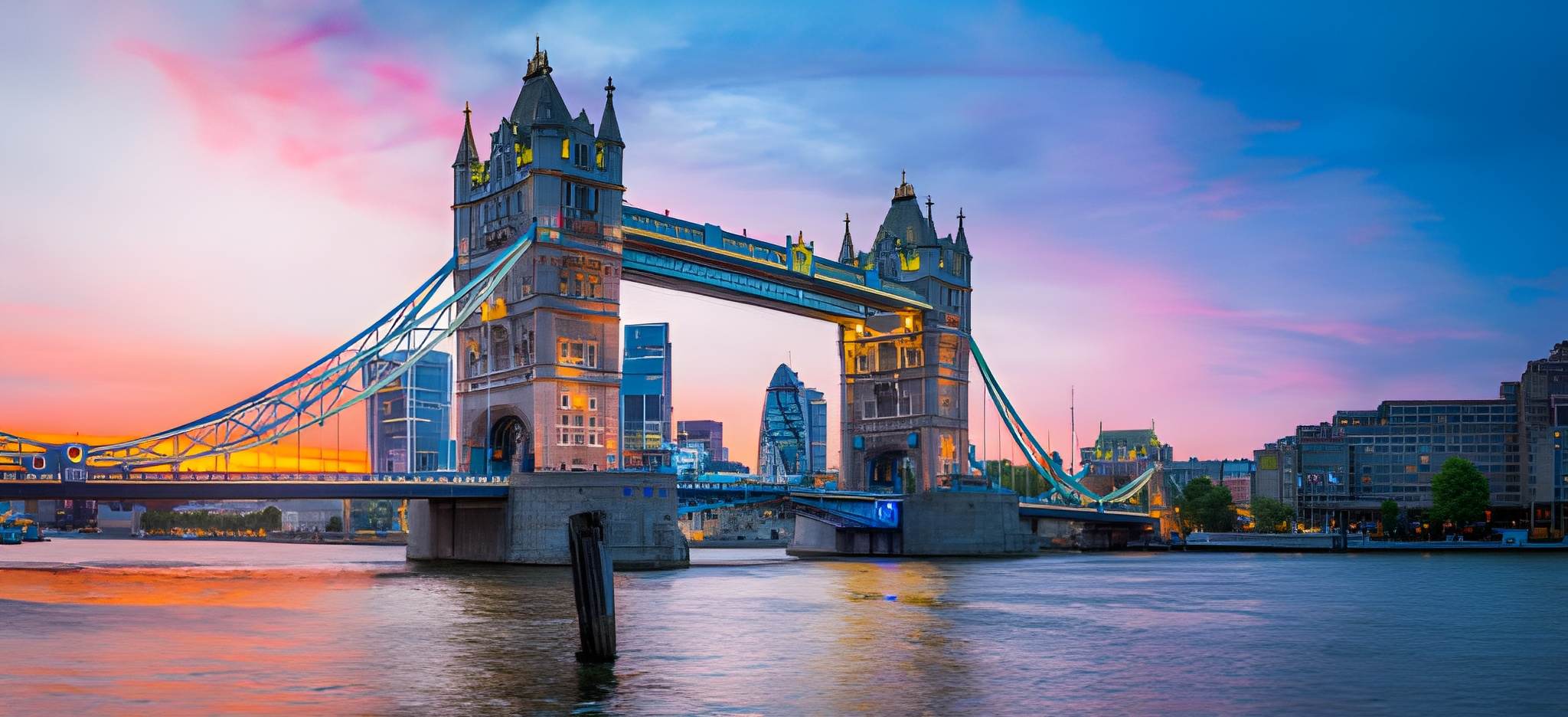
Night Travel Becomes The Smart Way To Explore
Noctourism, meaning travel that centers on nighttime experiences, is gaining momentum fast. This includes stargazing trips, evening wildlife excursions, late-opening museums, and after-dark city walks. A market research firm has predicted this niche will more than double over the next decade and could grow into an industry worth about £18 million by 2035.
The logic is simple. Crowds keep growing in popular places, and daytime heat keeps getting more intense in many regions. One major travel booking platform found that 61% of people are choosing nighttime activities while traveling to avoid the heat. We see the same pattern in how travelers plan their days. You might do a slow morning indoors, then head out when the sun drops and the air finally feels breathable.
We also see a second advantage that rarely gets enough credit: nighttime schedules can create quieter, more spacious moments. One traveler we spoke with described visiting a historic district during a hot summer trip and choosing to walk it after dark. The temperature felt manageable, the streets felt less packed, and the experience felt more personal.
If you want to try this trend without turning your trip into an all-night marathon, keep it practical:
- Pick one or two “late” activities per trip, then build recovery time into the next morning.
- Confirm night transport before you commit, especially in rural areas.
- Dress for the temperature swing, since nights can get cool even after a scorching day.
Automated Booking Tools Keep Growing Up
Automated search tools and chat-based booking helpers will keep spreading in 2026. You will see them inside travel apps, on websites, and even inside messaging-style interfaces. They can quickly scan schedules, compare prices, and surface combinations you might not think to check.
These tools work best when you use them like a fast assistant, not like a decision-maker. They can help you narrow choices, but you still need to verify the details that actually change your outcome, like baggage rules, change fees, refund terms, seat assignments, and hotel add-ons.
We recommend three habits that keep you in control:
- Verify the final price on the payment page and check what is included.
- Screenshot or save the terms you agreed to, especially for changes and refunds.
- Avoid sharing extra personal data you do not need to share to complete the booking.
As these tools get better, the main advantage will be speed. You can test more date ranges, compare more routing options, and react faster when prices move. The downside is that speed can make it easier to miss a detail that costs you later.
Retro Travel Turns Nostalgia Into A Premium Product
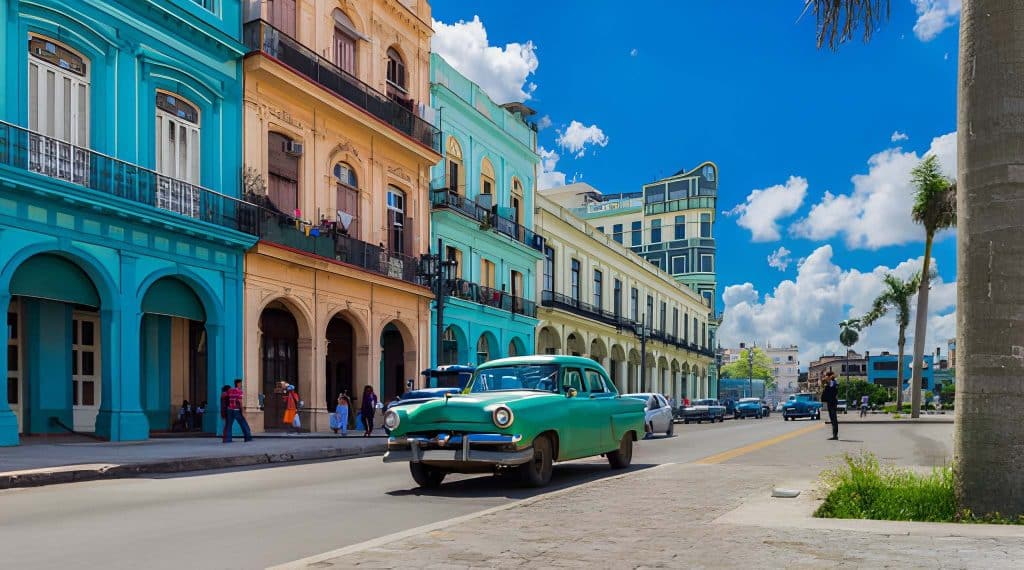
The retro revival is not just fashion. In travel, nostalgia is becoming its own category. In summer 2025, an iconic mid-century airline brand was brought back for a single special flight, the first in more than 30 years. It sold out in just three days despite a price tag of $59,950 (about £45,500). That is not mass-market travel. That is memory-selling travel.
You will see more trips like this in 2026, built around heritage, design, and “you had to be there” storytelling. You will also see classic road trips get a refresh. A famous cross-country highway in the United States, often called the “Mother Road,” turns 100 in 2026. That milestone is driving restoration projects for old roadside attractions, and at least one state has created a dedicated grant program to help small businesses restore vintage neon signage.
If you love retro travel, protect your budget. Nostalgia trips can stack hidden costs like limited availability, premium rooms, and expensive add-ons. We suggest choosing one “statement” experience and keeping the rest of the trip simple.
All-Inclusive Travel Makes A Comeback With More Personality
All-inclusive stays have been popular for decades. The earliest modern version of the all-inclusive concept opened in 1950, and the format never really disappeared. What changed is how many travelers now want predictability. In summer 2025, a large travel agency partnership reported that 45% of holidays it booked were all-inclusive, up from the prior year. Convenience and perceived value keep driving demand.
The experience is shifting too. More all-inclusive properties are trying to feel less generic and more connected to their region. Instead of offering the same buffet everywhere, some places lean into small local producers, regional recipes, and ingredients that tell a story. One traveler described an all-inclusive mountain hotel that highlighted nearby makers, down to bread baked in-house with starter culture sourced through family tradition.
If you are choosing an all-inclusive in 2026, we recommend looking for three signals that the stay will feel worth it:
First, check whether the food and drink offerings actually reflect the destination, not just the global greatest hits. Second, look at what the “included” activities really mean, since some resorts list activities that come with extra fees. Third, confirm how reservations work for restaurants and experiences, because a place can be technically all-inclusive while still requiring you to book popular options days ahead.
Bookish Getaways Grow As Screen Fatigue Spreads
Books have shaped travel dreams for centuries. A story can make a place feel magnetic before you ever step on a plane. In 2026, literary travel is growing for two reasons: social media keeps turning reading into a community activity, and many travelers want a break from constant screens.
Recent research from a vacation rental marketplace found a 265% increase in searches for “book club retreat ideas” on a popular idea-sharing platform. A flight-search company also found that 32% of travelers are interested in visiting a destination mentioned in a book, and 18% are keen to stay in book-themed accommodations.
We also see this trend connect to why people read in the first place. Publishing research has found that 85% of book buyers read to relax or escape. If reading helps you reset at home, it makes sense that people want to build trips around that same feeling.
A good bookish trip does not require a famous author house or a themed room. You can build it around simple choices: quieter neighborhoods, cozy cafés, scenic parks, and lodging with great light and a comfortable chair. Pack one physical book on purpose. It changes how you move through a day.
Cruises Keep Pulling In Younger Travelers
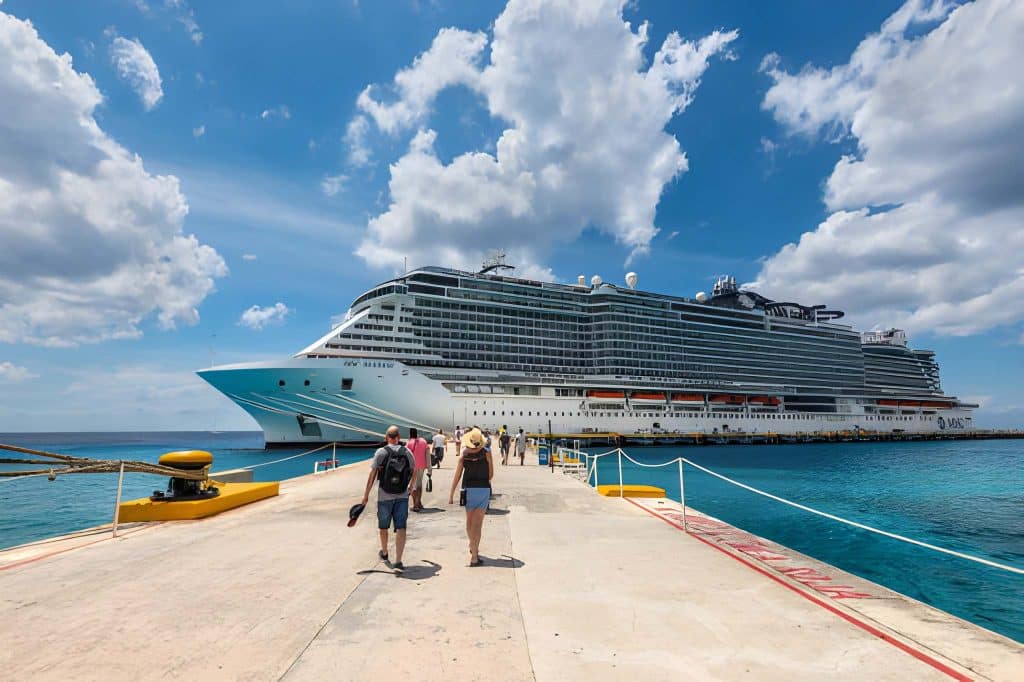
Cruises are no longer dominated by older age groups. In the United Kingdom, the average age of cruise passengers was 57 in 2019, based on industry association data. By 2024, it had dropped to 54.3. That shift is not accidental.
Cruise operators have invested heavily in experiences meant to appeal to younger travelers, including big entertainment, thrill attractions, late-night events, and onboard spaces that feel more like a city block than a floating hotel. Some ships now offer roller-coaster-style rides and theater productions that resemble major stage shows. Others lean into nightlife, with parties that run late and novelty options like tattoo studios.
If you are cruise-curious, focus on fit. The right ship for you depends less on the destination and more on the onboard culture. Look at daily schedules, the typical length of sailings, and how much of the ship is built around families versus adults-only environments.
Personal Retreats Replace The One-Size Holiday
Travel is becoming more personalized, and 2026 will push that further. We see trips built around specific life stages, from menopause-focused wellness breaks in a historic spa town to active weekends for people processing grief in a national park landscape.
A retreat company that specializes in surf travel has described this shift as precision-focused travel. Many travelers now seek experiences that support mental health, not just entertainment. Some retreats combine outdoor sport with one-to-one therapy to help people work through burnout and past trauma. Other programs focus on life transitions like divorce or becoming a new parent, offering community plus a practical skill or routine to take home.
If you are considering a retreat like this, protect yourself by checking credentials, group size, and what support is available if you struggle emotionally during the trip. A good retreat should feel structured and safe, not intense and vague.
Running Trips Become A New Default For Active Travel
Participation in physical activity has never been higher, based on national sports data, and that energy is spilling into travel. Running is a major driver. In 2026, “runcations” will keep growing, meaning trips where running routes and group runs are a main reason you picked the destination.
Research from a home-sharing platform and a fitness tracking app suggests that 74% of Gen Z travelers want a rural running getaway with scenic trails. Tour operators have responded by creating dedicated running itineraries. One youth-focused operator reported that bookings on its active itineraries jumped 105% from 2023 to 2024, with group runs becoming trip highlights.
If you want a running trip that feels good and not punishing, we recommend planning the route before you arrive. Look for soft surfaces, elevation profiles, and safe sunrise options. Treat the trip like training plus fun, not like a race you have to win.
Indigenous-Led Experiences Expand With New Firsts
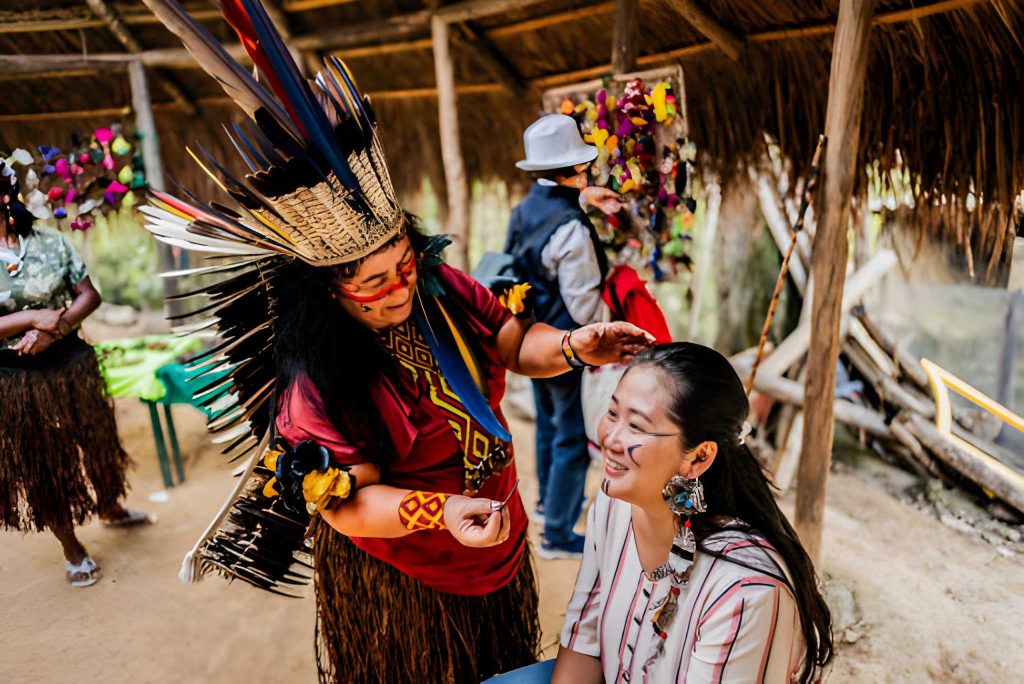
Indigenous tourism is already a major global sector, estimated at about £35.5 billion, and 2026 is set to be a standout year for new experiences. Australia and Canada are leading with new projects designed to put Indigenous communities in control of how visitors learn, stay, and engage.
In Australia’s Northern Territory, a partnership between the Traditional Owners and a specialist walking company is set to allow visitors to stay overnight inside a famous desert national park for the first time. In Queensland, a new cultural tourism hub in a rainforest national park will showcase local Indigenous culture and create a base for guided experiences.
In Canada, Quebec has created a new park described as the first national park managed by a First Nation, led by the Cree Nation of Mistissini.
If you plan to take part in Indigenous-led tourism, aim for experiences that are community-run or community-approved, with clear benefit to local people. Show up as a learner. Follow photography rules. Listen more than you talk.
Farm Stays Grow Up And Go Beyond The Cute Weekend
The movement away from constant screens continues, and travelers are leaning into hands-on experiences. Agrotourism, meaning stays on or near working farms, is rising fast. Research from a vacation rental marketplace found interest in farm-adjacent stays increased by 84% year over year, and guest reviews mentioning farm experiences rose by 300%.
This trend is not only about sleeping near fields. Modern agrotourism offers skill-building and deeper participation. A countryside inn in northern England runs an annual gardening school. A farm in southeast England offers beekeeping experiences that teach you what the work actually involves.
If you want a farm stay that feels meaningful, check what “farm experience” really means. Some properties offer viewing and photo ops. Others let you join workshops or help with seasonal work. Decide what level of participation you want, then book accordingly.
Sports Travel Hits A Peak Year And Gets More Local
2026 is packed with major international sports events, including a global men’s football championship, a major winter multi-sport competition with a parallel para-sports edition, and a multi-nation games event among countries with shared sporting history. These headline events will create crowded flights, high hotel prices, and tight inventory.
At the same time, sports travel is expanding beyond mega-events. More travelers use local sports to connect with culture in an authentic way. That might mean watching a traditional wrestling match in Japan or attending a combat-sport event in Thailand that locals actually follow.
A major travel company found that 57% of travelers are likely to watch a local sport while away. If you want to do this well, ask where locals go, buy tickets through official channels, and build the event into your itinerary early. Small venues can sell out faster than you expect.
Latin America Opens Up Beyond The Usual Shortlist
Central America has long drawn travelers to famous rainforests and coastlines, but in 2026 more people will branch out into destinations that used to sit outside the mainstream. El Salvador is leading this shift, with visitor numbers up 81% since 2019 based on data from an international tourism body. Guatemala is up 33% over the same period, and Panama has seen visitor numbers rise by 17%.
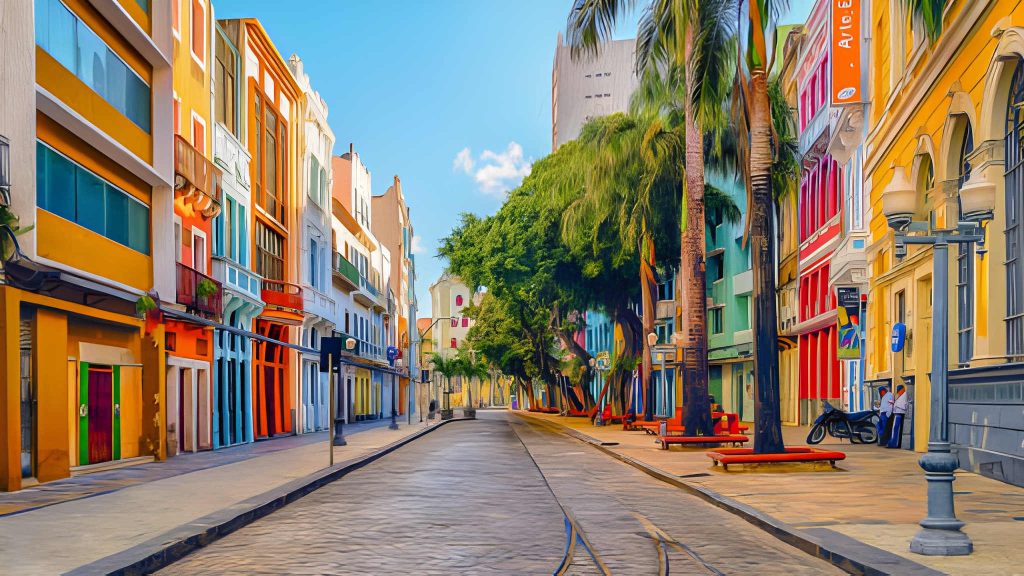
This is not just a trend for surfers or adventure travelers. These places offer strong food cultures, colorful towns, and nature-focused itineraries that can work for short trips or longer routes.
If you are exploring a destination that is growing fast, plan for change. Infrastructure may be improving, but it may still vary by region. Build buffer time into transfers, use reputable local guides when needed, and check current safety guidance before you go.
Sober-Friendly Travel Moves From Niche To Normal
Sober travel is rising because more people are choosing to drink less or not at all. In the United Kingdom, around a fifth of adults abstain from alcohol, based on charity reporting, and the share is increasing among younger age groups.
Travel providers are responding. Some vineyards now offer alcohol-free tours where you still learn how production works, but you end with premium soft drinks instead of wine. Some fine-dining restaurants now offer juice pairings as a built-in alternative to alcohol. Dedicated sober tour operators have also emerged, building trips where social time does not revolve around drinking.
If you want a sober-friendly trip, you can set yourself up for success by choosing lodging with good non-alcoholic options, planning daytime anchors like hikes or museum visits, and booking at least one food experience that takes pairings seriously without alcohol.
Plan Your 2026 Travel With Our Free TheMilesAcademy Community
Travel trends are useful, but they only help when you turn them into a plan that fits your life. That is exactly what we do inside our free TheMilesAcademy community. You can swap ideas with other travelers, share what worked on your last trip, and pick up practical tips for planning night outings, active getaways, culture-focused experiences, and budget-friendly itineraries in 2026.
When you are ready to map out your next trip, use our free Card Finder Tool. It helps you narrow down the type of card that matches your travel goals, whether you want easier points earning, fewer travel fees, or stronger everyday rewards. We keep it simple and non-branded, so you can focus on what matters: what you will earn, how you will redeem, and which terms you should double-check before you apply.
Join us, use the tool, and plan your 2026 travel with more confidence and fewer headaches.
