
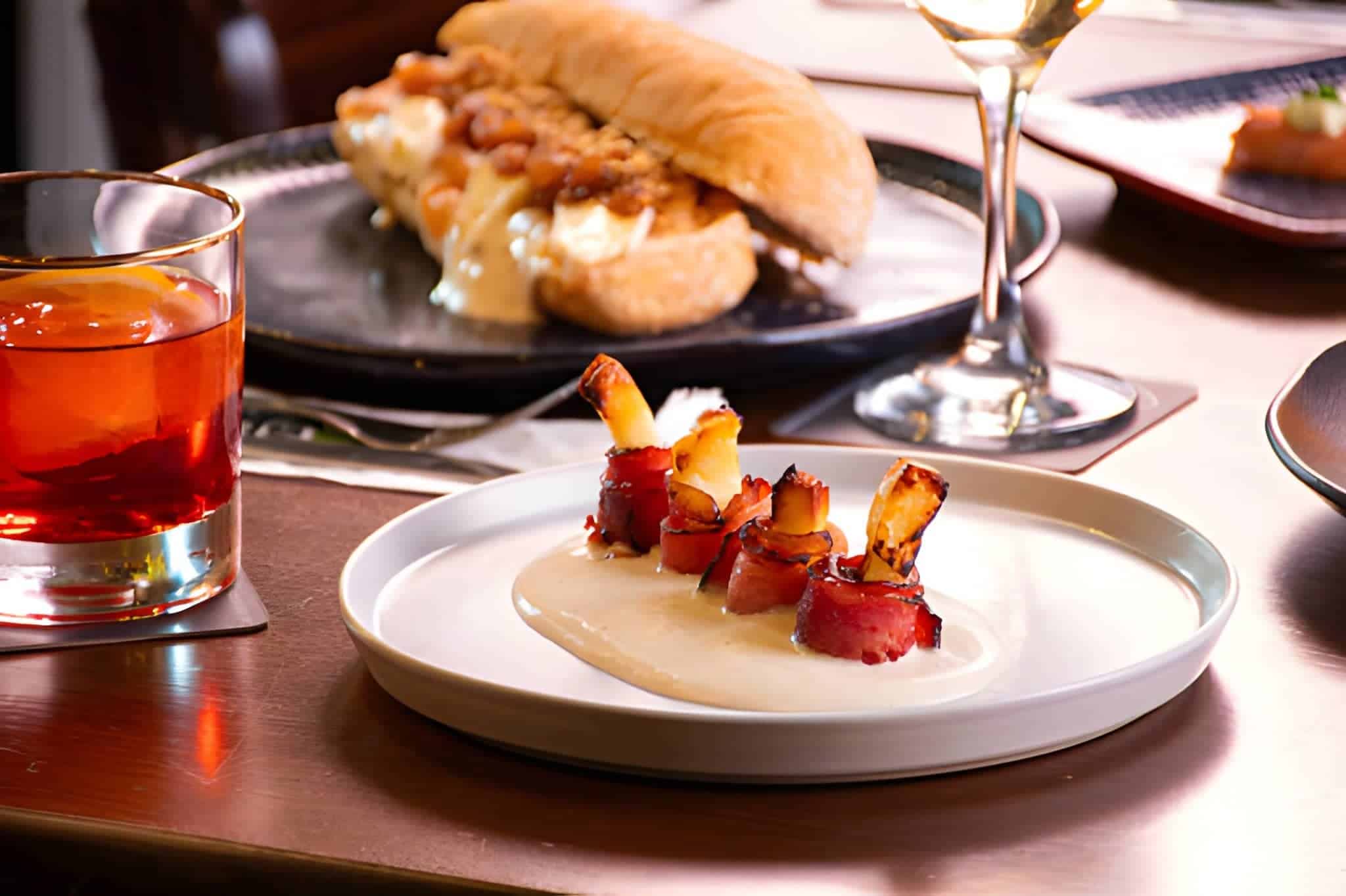
Food travel keeps shifting. It’s less about chasing the newest opening and more about going where a place’s cooking feels settled, confident, and alive. For 2026, the Michelin Guide isn’t just highlighting individual restaurants. It’s pointing travelers toward destinations where eating well can shape the entire trip.
We narrowed the broader Michelin spotlight down to ten places that feel especially worth planning around. These aren’t one-meal stops. They’re destinations where breakfast, street food, casual counters, and polished dining all pull their weight.
Michelin-Approved Food Destinations For 2026
Here are Michelin-approved food destinations for 2026 where everyday eating is just as rewarding as the headline restaurants.
| Destination | Why Michelin Is Paying Attention | What Makes It Worth The Trip |
|---|---|---|
| Boston | Deep seafood culture and strong regional sourcing | Oysters, chowders, bakeries, and neighborhood dining |
| Philadelphia | Historic food traditions meeting modern kitchens | Sandwich culture plus refined comfort cooking |
| Route 66 Corridor | Revived roadside dining and classic Americana | Diners, grills, pies, and old-school hospitality |
| The American South | Broad Michelin selection across multiple states | Barbecue, seafood, and soulful regional cooking |
| Florida Food Loop | Growing guide coverage across coastal cities | Cuban, seafood, tropical flavors, and variety |
| Italian Dolomites | New infrastructure driving culinary ambition | Alpine comfort with modern technique |
| Vancouver | Michelin focus tied to global events | Seafood, markets, and everyday quality |
| Quebec | French-rooted cuisine with local confidence | Bakeries, bistros, and regional specialties |
| Czech Republic | Emerging recognition beyond major capitals | Traditional dishes refined and accessible |
| Philippines | Expanding Michelin presence in urban hubs | Breakfast culture, street food, and bold flavors |
Boston’s Longstanding Relationship With The Sea
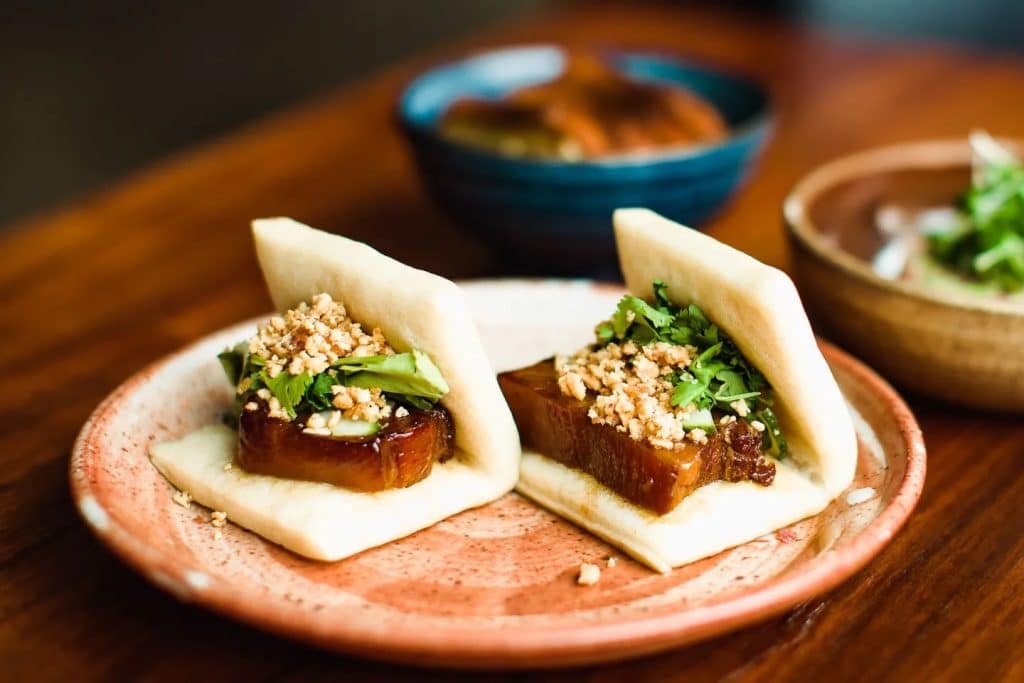
Photo by Karen Vierbuchen/Pagu
Michelin’s interest here isn’t about novelty. It’s about consistency.
Boston’s food identity has always been tied to the water, and the city continues to treat that relationship seriously. Shellfish from nearby bays show up everywhere, from simple raw bars to more refined dining rooms. What stands out is how often quality carries through at every level.
You can eat well without planning weeks ahead, which is often the sign of a healthy food city.
Philadelphia’s Comfort Food With Sharper Edges
Philadelphia’s inclusion reflects how well it balances tradition and reinvention.
Yes, sandwiches still matter. So do bakeries and long-running neighborhood spots. But Michelin’s attention lands on kitchens that take familiar foods and cook them with more intention, better sourcing, and tighter execution.
The result feels welcoming rather than precious, which makes eating your way through the city easy.
Route 66 And The Revival Of Roadside Eating
A historic highway doesn’t usually scream fine dining, but that’s not the point.
Michelin’s nod here recognizes a revival happening along the route. Diners, cafés, and roadside kitchens are being refreshed ahead of a major anniversary. Instead of leaning on nostalgia alone, many are improving ingredients and technique while keeping prices and portions grounded.
It’s food that fits the road, which is exactly why it works.
The American South’s Depth Keeps Expanding
Michelin coverage across the South reflects something locals already knew.
This is a region where food traditions run deep, but the scene isn’t stuck in the past. Across multiple states, cooks are refining barbecue, seafood, and vegetable-driven dishes without stripping away their character.
You can move between cities and small towns and still find thoughtful cooking that feels rooted rather than staged.
The Czech Republic’s Quiet Rise
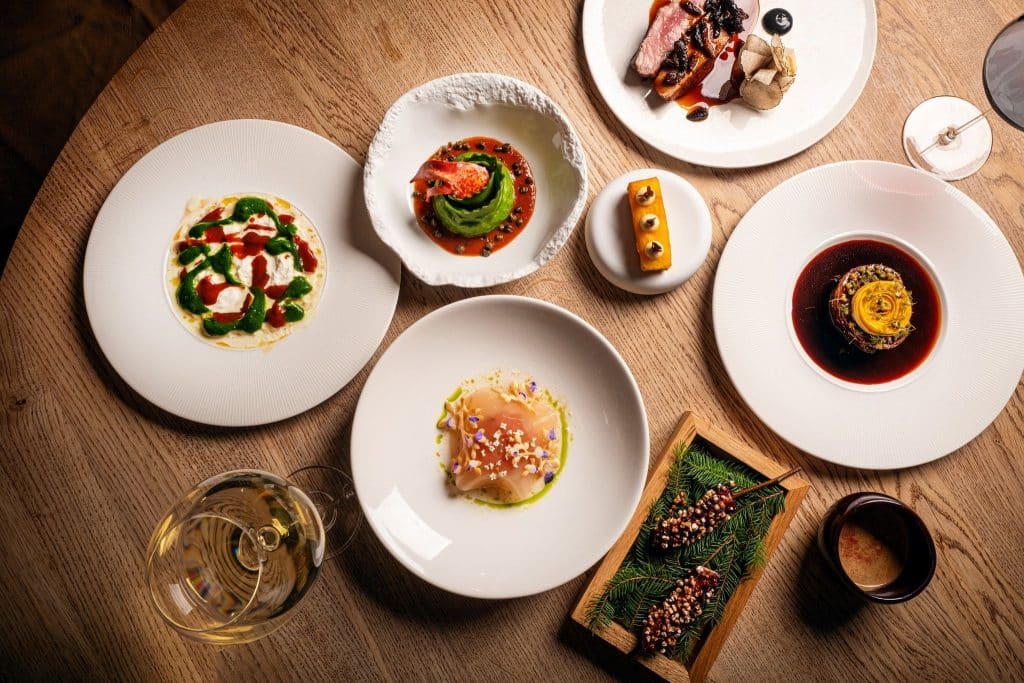
This isn’t about flashy dining rooms or global trends. Michelin’s attention here reflects steady improvement across cities and spa towns. Traditional recipes are being handled with more care, cleaner presentation, and better sourcing.
Meals feel honest and satisfying, and prices remain approachable, which encourages exploration.
Florida As A Multi-Stop Food Destination
Florida makes more sense when you don’t treat it as one place.
Michelin’s attention spans several coastal areas, each with its own flavor profile. Cuban influences shape some cities. Seafood defines others. Tropical produce ties much of it together.
The smart move is treating Florida as a road trip of meals rather than a single base.
The Dolomites Bring New Energy To Alpine Cooking
Mountain food often gets labeled as heavy and predictable.
In northern Italy’s highlands, that stereotype is being challenged. With new infrastructure tied to major international events, chefs are updating Alpine classics with cleaner flavors and lighter techniques while keeping them satisfying.
Cold-weather food doesn’t have to feel tired, and Michelin seems to agree.
Vancouver’s Everyday Excellence
Vancouver’s food strength shows up daily, not just at dinner.
Michelin’s spotlight coincides with global events, but the city’s appeal runs deeper. Seafood is obvious, but what stands out is how much care goes into casual meals, markets, and lunch spots. Eating well here feels normal, which is exactly why it stands out.
The Philippines’ Urban Food Momentum
Two major cities are driving this momentum, and Michelin is clearly watching.
Breakfast alone deserves attention, but street food, family-run restaurants, and newer kitchens all contribute to a lively scene. Flavors are bold, portions generous, and meals feel social rather than curated for show. It’s a food culture that rewards curiosity.
Quebec’s Confident Culinary Voice
Quebec’s cooking carries French influence without copying it. Michelin highlights a food culture that blends European technique with local ingredients and regional pride. Bakeries matter. Hearty dishes matter. So does restraint. The food feels thoughtful without trying to impress, which keeps it enjoyable meal after meal.
Why Michelin’s Destination Picks Matter
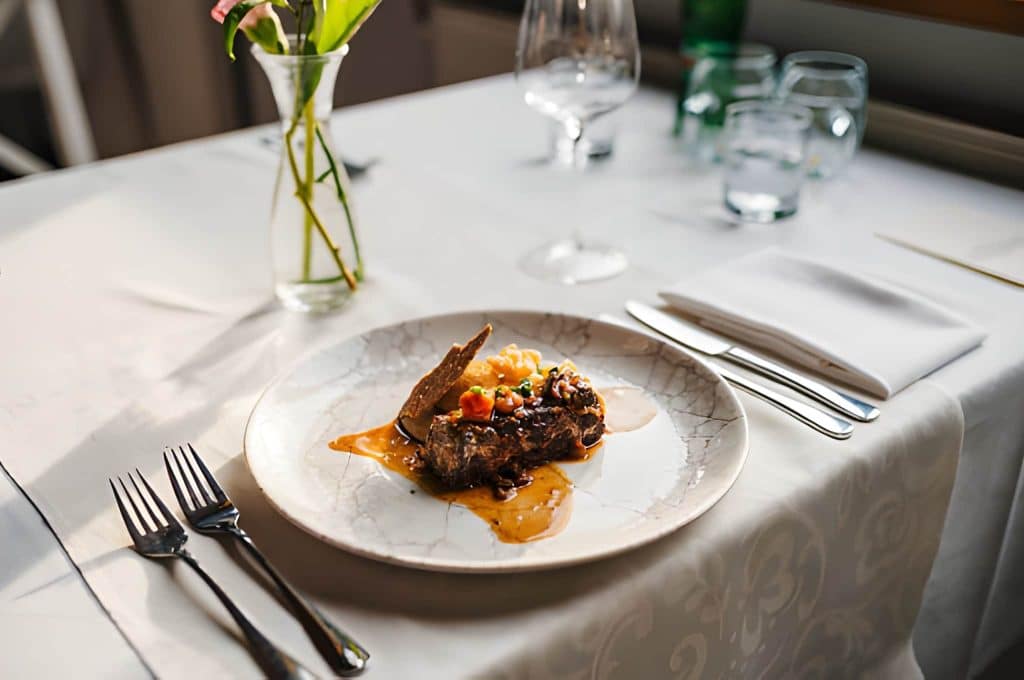
Michelin destination lists aren’t about chasing stars. They’re about signaling where food culture has reached critical mass.
In these places, eating well isn’t limited to one reservation. It’s woven into daily life, from morning to night. That’s what makes them worth planning a trip around. If 2026 travel follows your appetite, these ten destinations give it a very good map.
Learn How To Eat Well Anywhere, Not Just Once
Michelin destinations work because the food culture runs deep, not because of a single reservation. The real skill is knowing how to spot places where everyday meals hold up, even when there’s no guide involved. That’s what travelers compare and practice inside The Miles Academy by breaking down patterns that show up across cities, regions, and cultures.
When you’re setting up the practical side of food-focused trips, the card finder tool helps narrow options that fit how you actually travel, without getting lost in details.
