
Madrid is the kind of city where you can bounce between royal grandeur and everyday street life in the same hour. We can spend the morning inside world-class museums, take a long break in a park, then end the night with tapas and a walk through busy squares. If this is your first visit, build a plan that keeps you comfortable, saves you money where it matters, and leaves enough space to wander.
Start With The Basics Before You Book
A little planning goes a long way in Madrid. Weather, timing, and where you base yourself can change the whole feel of your trip.
Choosing The Best Season
Madrid has seasons, so pack and plan around the month you choose.
Spring, from March through May, is one of the easiest times for first-timers. Expect comfortable days around 60 to 75°F. The city feels bright and walkable, and outdoor dining becomes part of the routine.
Summer, from June through August, can be intense. Highs often rise past 85°F, and July can push above 100°F. Crowds increase, especially near the biggest landmarks. August can feel calmer because many locals take vacation, which can make some neighborhoods quieter. If you visit in summer, we recommend early mornings for outdoor sightseeing, a slower midday break, and museums during the hottest hours.
Fall, from September through November, brings the city back to comfortable temperatures, often around 60 to 75°F. Early fall is excellent for museums, parks, and day trips because it is warm without being exhausting.
Winter, from December through February, sits closer to 40 to 55°F on average. It is usually a quieter season with fewer lines at indoor attractions and often lower hotel prices. If you like museums, cafés, and a calmer pace, winter can be a smart pick.
For the best mix of good weather and reasonable prices, late spring and early fall are usually the sweet spots.
How Much Money You Should Plan For Each Day
Madrid can be friendly on your wallet compared to many big European capitals, but costs depend on how central you stay and how often you pay for tickets and taxis. Here is a simple way to estimate your daily spend if you are traveling from the U.S.
- Budget pace: about $60 to $80 per day. This often includes a hostel bed or simple budget hotel ($25 to $40), casual meals or light self-catering ($20 to $25), public transportation ($8 to $10), and a mix of free or low-cost attractions ($5 to $15).
- Comfortable mid-range: about $120 to $180 per day. This can cover a solid three-star or boutique-style stay ($60 to $90), meals in traditional restaurants and tapas bars ($35 to $50), a few short taxi rides, and tickets for several paid sights ($15 to $20).
- High-end travel: about $250 to $400+ per day. This usually means upscale stays in prime areas ($150 to $250), fine dining ($70 to $100), premium transportation choices, and more curated cultural experiences.
To stretch your budget, we recommend building your days around free museum hours when available, choosing lunch menus that are often 30 to 40% cheaper than dinner, and walking between nearby landmarks when the weather cooperates.
Finding Flights To Madrid Without The Stress
Flights are usually the biggest line item, so it is worth shopping smart. January is often one of the cheapest months to fly from the U.S. to Spain, and nonstop flights from major U.S. cities can take around 7 hours and 45 minutes.
We like a simple flight-search routine. First, check a comparison tool that scans multiple providers. Then set price alerts, because fare swings happen quickly. If your schedule allows, adjust your dates by a day or two and compare nearby airports.
Some travelers also use paid deal-alert services that highlight flash sales, mistake fares, and sudden drops. These can help, but they are not guaranteed and the best fares can disappear fast.
Arriving And Moving Around The City
Madrid is compact, walkable, and well-connected. Most first-time visitors can combine walking with public transportation and use taxis or ride apps when convenience matters.
Getting From The Airport Into Madrid
Adolfo Suárez Madrid-Barajas Airport sits about 8 miles northeast of the city. You have several reliable ways to reach central Madrid, and your best choice depends on your arrival time, luggage, and where you are staying.
- Metro Line 8: Tickets cost about $1.50 to $2.00 plus a $3.00 airport surcharge. The ride is often 30 to 40 minutes, with useful connections at stations like Nuevos Ministerios and Colombia. Trains typically run from 6:00 AM to 1:30 AM, arriving every 5 to 7 minutes.
- Express Bus 203: Runs 24/7 between the airport and Atocha train station. Tickets are around $5.00, and the trip usually takes 40 to 60 minutes depending on traffic. Stops commonly include Cibeles and O’Donnell.
- Taxi or ride app: Taxis often use a flat rate of roughly $30 to destinations within the M-30 ring road. Typical travel time is 20 to 30 minutes but can be longer during rush hour. Ride apps can land in a similar range, often around $25 to $40.
We recommend saving your hotel address offline and double-checking the neighborhood name. Central Madrid has plenty of similar street names, and a simple confirmation prevents confusion.
Using Public Transportation Like A Local
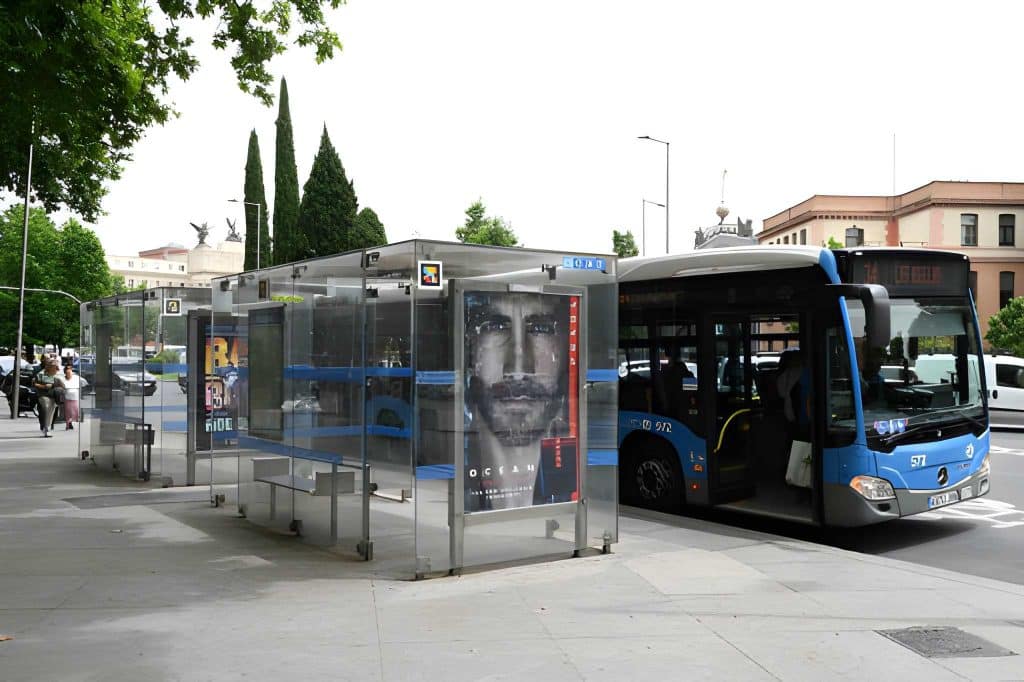
Madrid’s transit system is one of the easiest ways to save time and money. The metro reaches most areas visitors care about, buses fill in the gaps, and regional trains help with certain neighborhoods and nearby towns.
The metro has 13 lines and 302 stations. Single tickets generally cost about $1.50 to $2.00, and most tourist sights are in Zone A. If you plan to take multiple rides per day, the Tourist Travel Pass can be a convenient choice. It starts around $8.40 for one day and goes up to about $35.40 for seven days.
Metro hours typically run from 6:00 AM to 1:30 AM Sunday through Thursday, with later service until 2:30 AM on Fridays and Saturdays. Trains arrive frequently, often every 2 to 3 minutes during peak commute times and every 5 to 7 minutes during quieter hours.
Buses are plentiful and useful for routes that are less direct by metro. When the metro closes, night buses called búhos cover many parts of the city. Cercanías regional trains can also be handy for certain areas, and if you have a Tourist Travel Pass, travel within Zone A is usually included.
Walking Taxis And Small Rides
Madrid rewards walking. A lot of the classic sights sit close together, and walking helps you notice the small details that make the city feel alive.
In the center, Puerta del Sol, Plaza Mayor, and the Royal Palace are close enough that you can connect them in a single afternoon without rushing. The Art Walk, known as Paseo del Arte, links the Prado, Reina Sofía, and Thyssen-Bornemisza museums, and they are roughly 15 minutes apart on foot.
Taxis are convenient for short hops. Base fares start around $2.50 plus about $1.10 per kilometer, so many rides between tourist areas come out to $8 to $15. White taxis with a red diagonal stripe typically accept cash and cards. Ride apps can be a good alternative, but prices can jump by 20 to 50% during peak demand or bad weather.
If you want an eco-friendly way to move, BiciMAD offers electric bike sharing. Annual subscriptions are around $25, or you can pay about $2 for 30 minutes, plus $0.50 for each extra half-hour. Shared scooters are also available from multiple operators, often costing about $1 to unlock and around $0.20 per minute.
Picking The Right Neighborhood To Stay In
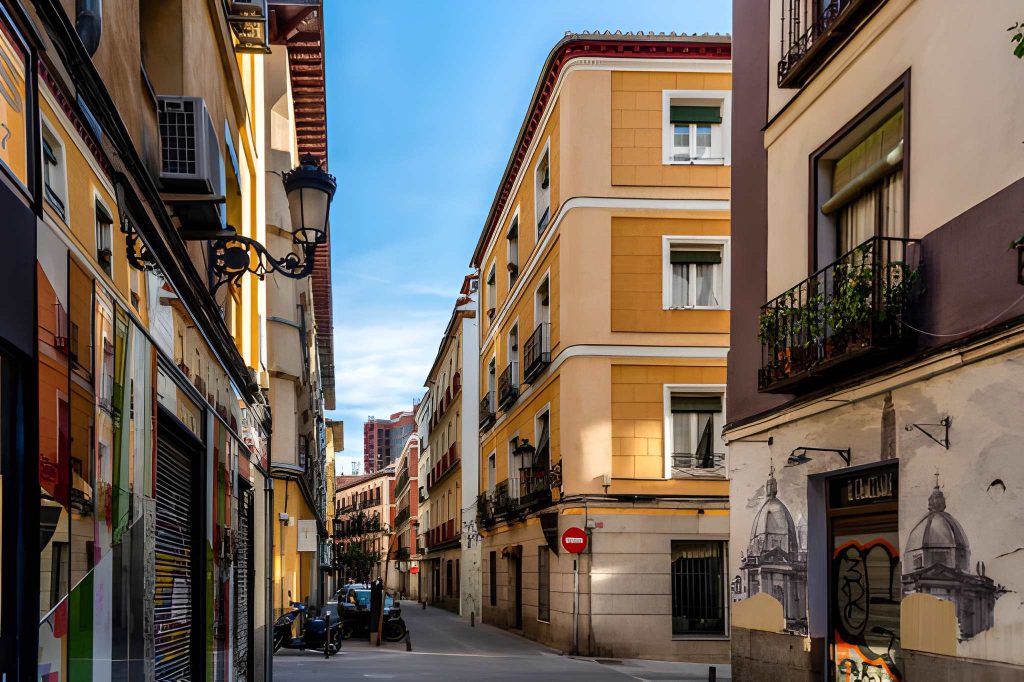
Madrid is enough that you do not need to stay directly beside every landmark. What matters more is your travel style. Do you want quiet nights, nightlife, shopping, food, or a classic historic vibe? Choose your base around that, and let the metro do the rest.
Areas That Work Especially Well For First Timers
Sol and Gran Vía keeps you right in the middle of the action. You can walk to major landmarks, and you will be surrounded by shops, restaurants, and theaters. The downside is noise, especially on weekends.
Barrio de los Austrias feels historic and elegant, with cobblestone streets and traditional tapas bars. It is close to the Royal Palace and other major sights, but evenings often feel calmer than the busiest central blocks.
La Latina is a strong pick if you care about food and a local feel. Its older streets, lively markets, and family-run places create a warm, lived-in atmosphere. Sundays are especially busy thanks to the flea market scene.
Malasaña has indie boutiques, vintage shopping, and a nightlife-forward personality. It is fun and energetic, but it can be loud at night, so choose your lodging carefully if you are a light sleeper.
Salamanca is polished and upscale, known for high-end shopping and a more refined mood. It is well-connected by public transportation and often feels quieter after dark.
Chueca is central, welcoming, and full of great dining and nightlife options. It balances traditional culture with modern energy, and it is easy to reach other areas from here.
What Type Of Lodging Fits Your Trip
Luxury hotels in Madrid often mix classic architecture with modern design and sit in prime locations. Mid-range hotels usually give the best value, often including extras like rooftop spaces, fitness rooms, and breakfast while keeping you close to the main sights.
Budget hotels and hostels can be a great choice if you plan to spend most of your time out exploring. Vacation rentals work well for families or longer stays, especially if you want a kitchen for simple breakfasts and snack breaks. Boutique properties are a good match if you want smaller spaces with personality, curated design, and a more personal feel.
Prices move with the season, so booking earlier for spring and fall helps. Flexible cancellation can also be useful if better rates appear later.
What We Recommend Seeing On Your First Visit
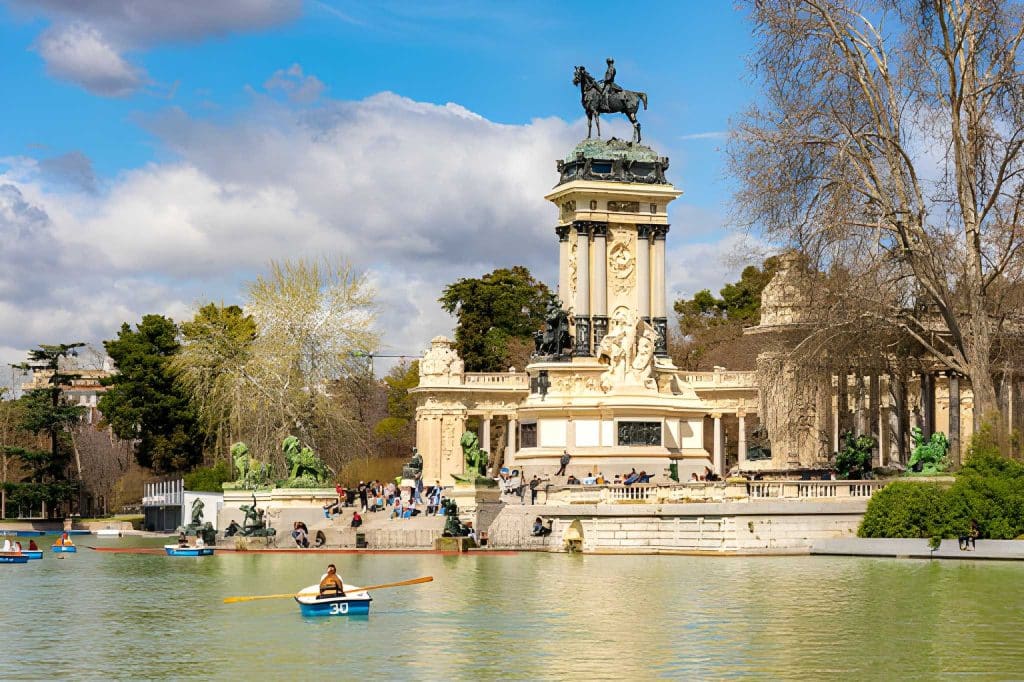
Madrid’s best days usually include a mix of major sights and simple city time. We like pairing one big cultural stop with a park break, then ending in a plaza or neighborhood where you can eat without looking at the clock.
Art History And Iconic Buildings
The Prado Museum is one of the city’s headline stops, with celebrated works by Velázquez, Goya, and El Greco. Buying tickets online can help you avoid long waits, especially in peak months.
The Royal Palace offers a dramatic look at royal life through ornate rooms and richly detailed interiors. Only part of the palace is open to visitors, but it is still a core Madrid experience. An audio guide can add helpful context during your walk-through.
The Reina Sofía Museum is a must for modern art fans. Picasso’s Guernica is the best-known piece here, along with works by Dalí and Miró. If you can, consider visiting later in the day when the building can feel calmer.
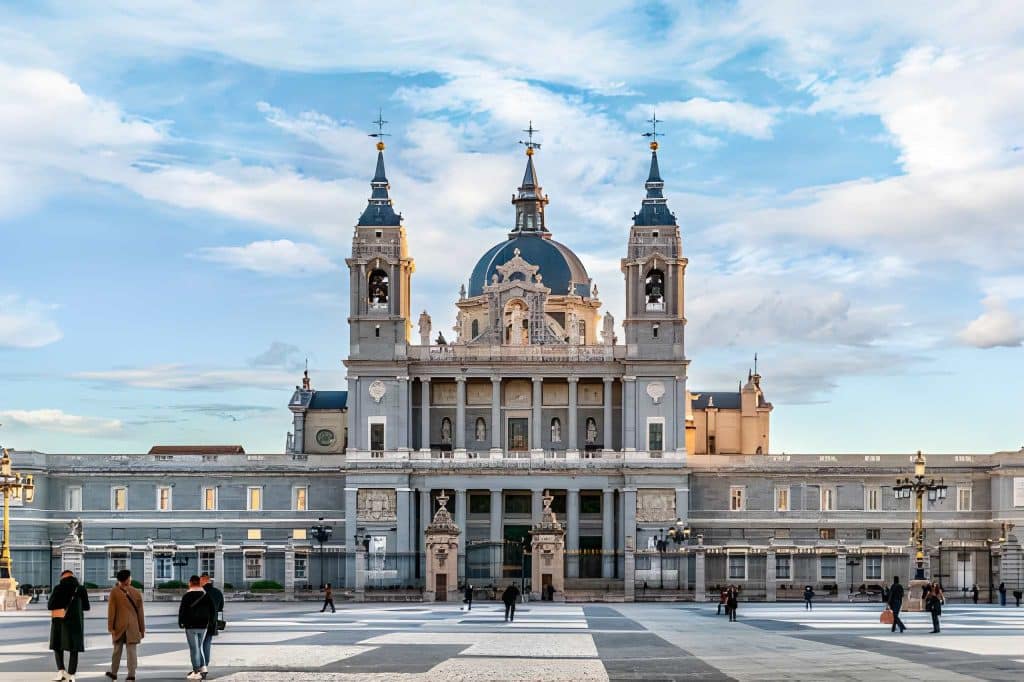
The Almudena Cathedral blends a traditional exterior with a more contemporary interior. If you have time, the museum and dome views are worth the extra effort.
A simple strategy that helps first-timers is to avoid stacking too many major museums back-to-back. Give yourself at least one lighter day so you can enjoy the art without burning out.
Parks And Outdoor Breaks
Retiro Park is the city’s favorite green escape. It is perfect for an easy walk, a picnic, or simply sitting with a snack. The Crystal Palace inside the park often hosts exhibitions, and it is one of the prettiest spots for photos and people-watching.
The Temple of Debod is an ancient Egyptian temple gifted to Spain. Sunset is the prime time to visit because the light and reflections make the space feel special.
Casa de Campo is Madrid’s largest green area. If you want a big nature break, this is the place. The Teleférico cable car offers wide views and drops you near trails and picnic areas.
Plazas You Will Keep Returning To
Plaza Mayor is one of Madrid’s most recognizable squares, filled with history and framed by striking architecture. Today it is a great stop for a drink, a snack, and a slow look around. The Casa de la Panadería features colorful frescoes and also serves as a visitor information point. During the holiday season, the square often turns into a festive market.
Puerta del Sol is a busy hub and the geographic heart of Spain’s road network, marked as Kilometer Zero. The Bear and the Strawberry Tree sculpture is one of the classic photo stops. On New Year’s Eve, people gather here for the tradition of eating 12 grapes at midnight.
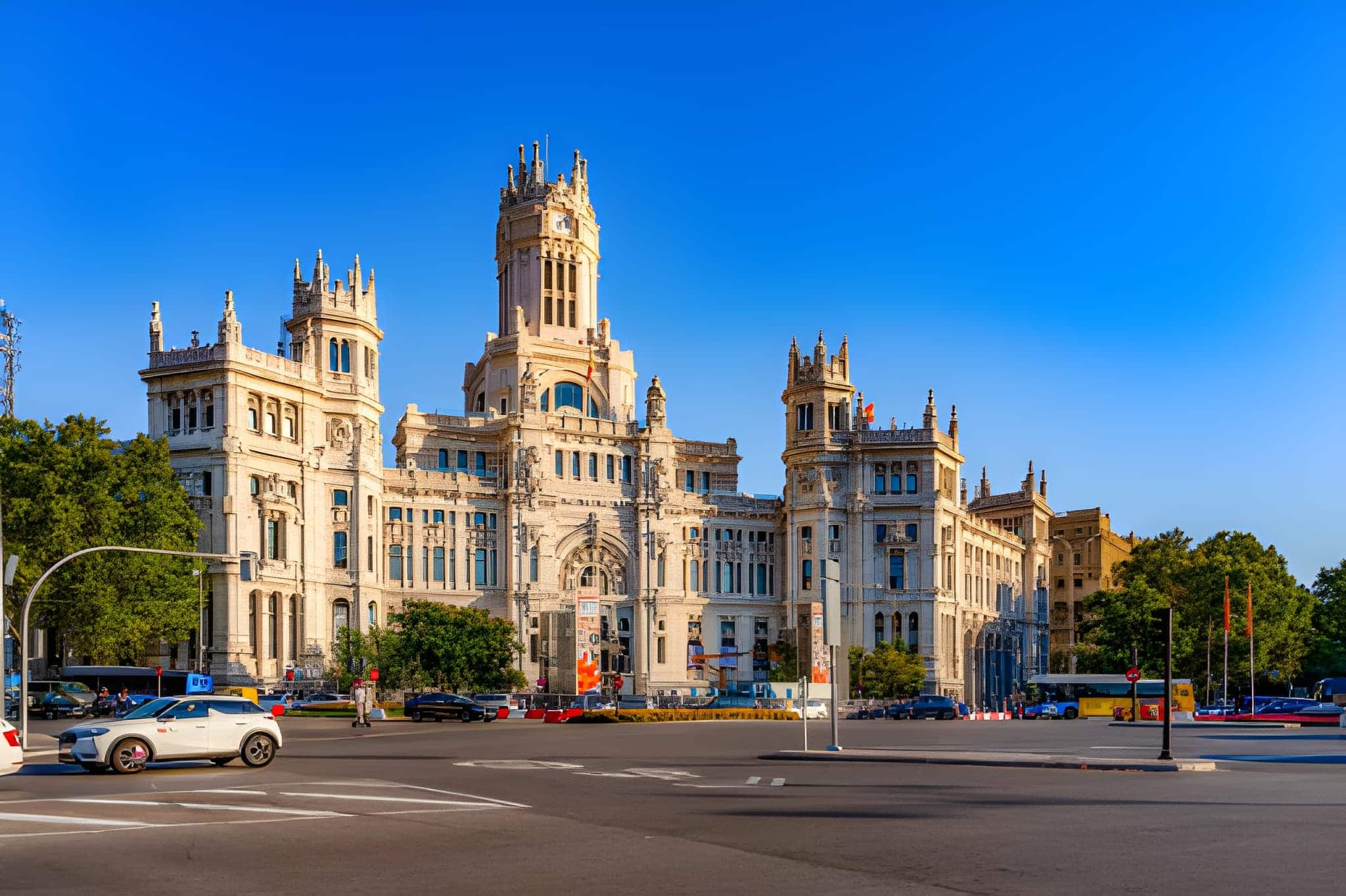
Plaza de Cibeles stands out for its palace building and iconic fountain. It is often a center of celebrations after major sports victories, but it is also simply a beautiful place to pass through.
Day Trips That Are Easy From Madrid
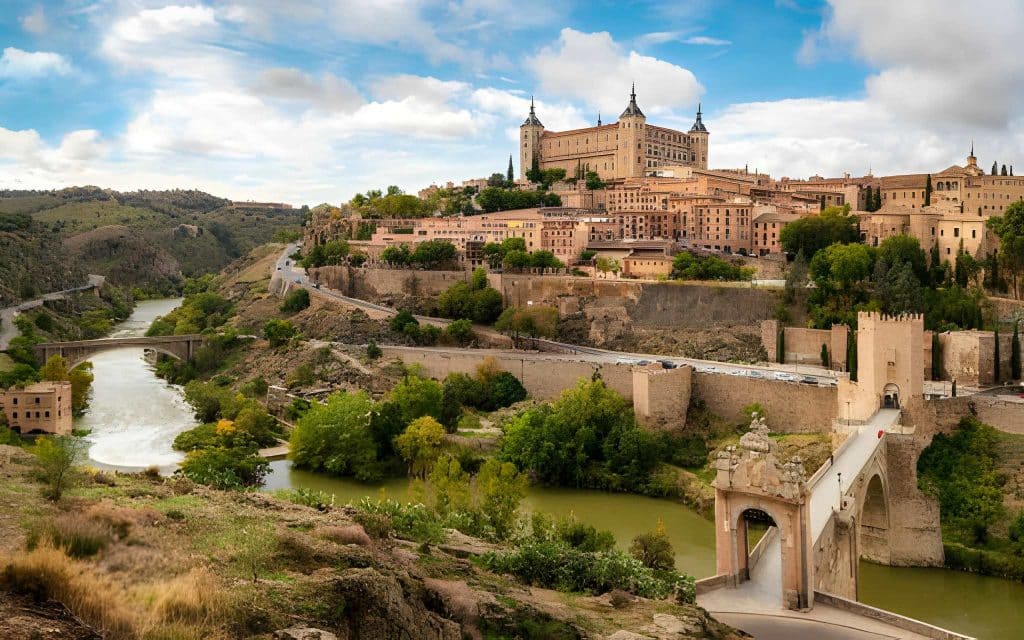
Madrid’s location makes it a strong base for quick getaways. In one day, you can step into medieval streets, see Roman engineering, and explore royal landmarks without changing hotels.
Toledo And Segovia In A Single Day
Toledo sits about 44 miles (70 km) south of Madrid and is often described as a living history book. Known as the City of Three Cultures, it blends Christian, Muslim, and Jewish influences and holds UNESCO World Heritage status. High-speed trains from Atocha can get you there in about 33 minutes, with tickets typically around $13 to $20.
Once you arrive, we recommend starting at Toledo Cathedral, a Gothic masterpiece that took more than 250 years to complete. Inside, you can find works by El Greco. Next, head to the Alcázar of Toledo, perched above the Tagus River with strong views and a military museum. Leave time to wander the Jewish Quarter, where you can visit the Synagogue of Santa María la Blanca and explore small shops.
A Toledo visit is 6 to 8 hours. Train schedules can change, so confirm the last return departure time before you go. The last train is often around 9:30 p.m.
Segovia is about 56 miles (90 km) northwest of Madrid and is famous for its Roman aqueduct, stretching over 2,388 feet and built without mortar. High-speed trains from Chamartín can reach Segovia in about 30 minutes, often costing $12 to $18.
Segovia’s Alcázar sits dramatically on a rocky hill and includes royal rooms, a throne room, and an armory. The Segovia Cathedral, sometimes called the Lady of Cathedrals, is also worth visiting because it is known as the last grand Gothic cathedral built in Spain.
Segovia can be a half-day trip or a full day. If you want a classic local meal, the city is known for cochinillo asado, or roast suckling pig, served in long-running restaurants.
Two Quieter Alternatives
El Escorial is about 31 miles (50 km) northwest of Madrid and combines a monastery, royal palace, and mausoleum in one massive complex. Commissioned by King Philip II in the 16th century, it is a UNESCO World Heritage site that reflects Spanish power and devotion.
The site includes a library with over 40,000 books and manuscripts, along with works by Velázquez and El Greco. Buses from Moncloa, often Lines 661 or 664, can reach El Escorial in about an hour for around $4 to $6. Plan 3 to 4 hours if you want to see the key areas.
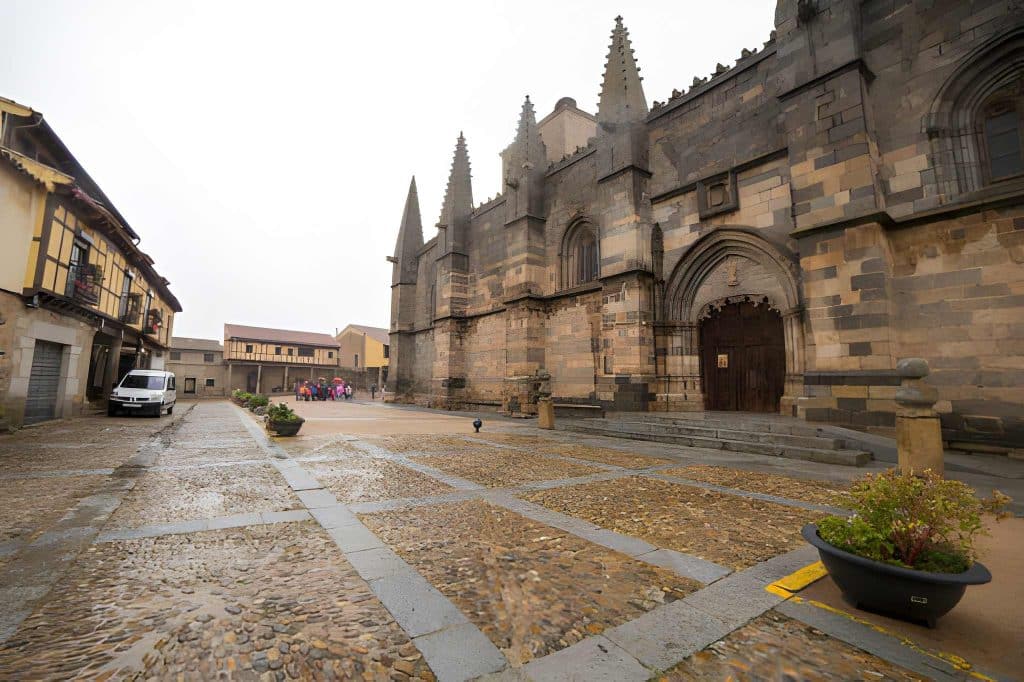
Ávila sits about 70 miles (112 km) northwest of Madrid and is famous for its well-preserved medieval walls, stretching about 1.5 miles with 88 towers and 9 gates. It is also linked to Saint Teresa of Ávila, and you can visit the Convent of Saint Teresa built on the site of her childhood home. Trains from Chamartín often take about 1.5 hours and cost around $15 to $25. Sunset is a great time to see the walls.
Keep Your Madrid Trip Planning Going With Our TheMilesAcademy Community
If Madrid is on your mind, you do not have to plan alone. Inside our free TheMilesAcademy community, we share practical trip planning tips, budget-friendly strategies, and lessons from travelers who have already done the museums, neighborhoods, and day trips you are mapping out now. It is a simple way to get ideas, ask questions, and feel more confident before you land.
If you also want to make your travel spending work harder, use our free Card Finder Tool to match your habits with a card that fits your goals, whether that is earning more points for flights, building flexible travel rewards, or keeping fees low while you travel.