There is a significant update for a major U.S. long‑haul fleet, as surfaced by a reliable industry source. The news points to a broad refresh that touches seats, connectivity, and the overall onboard experience.
Business‑Class Overhaul and More for the 200‑Series Wide‑Body Subfleet
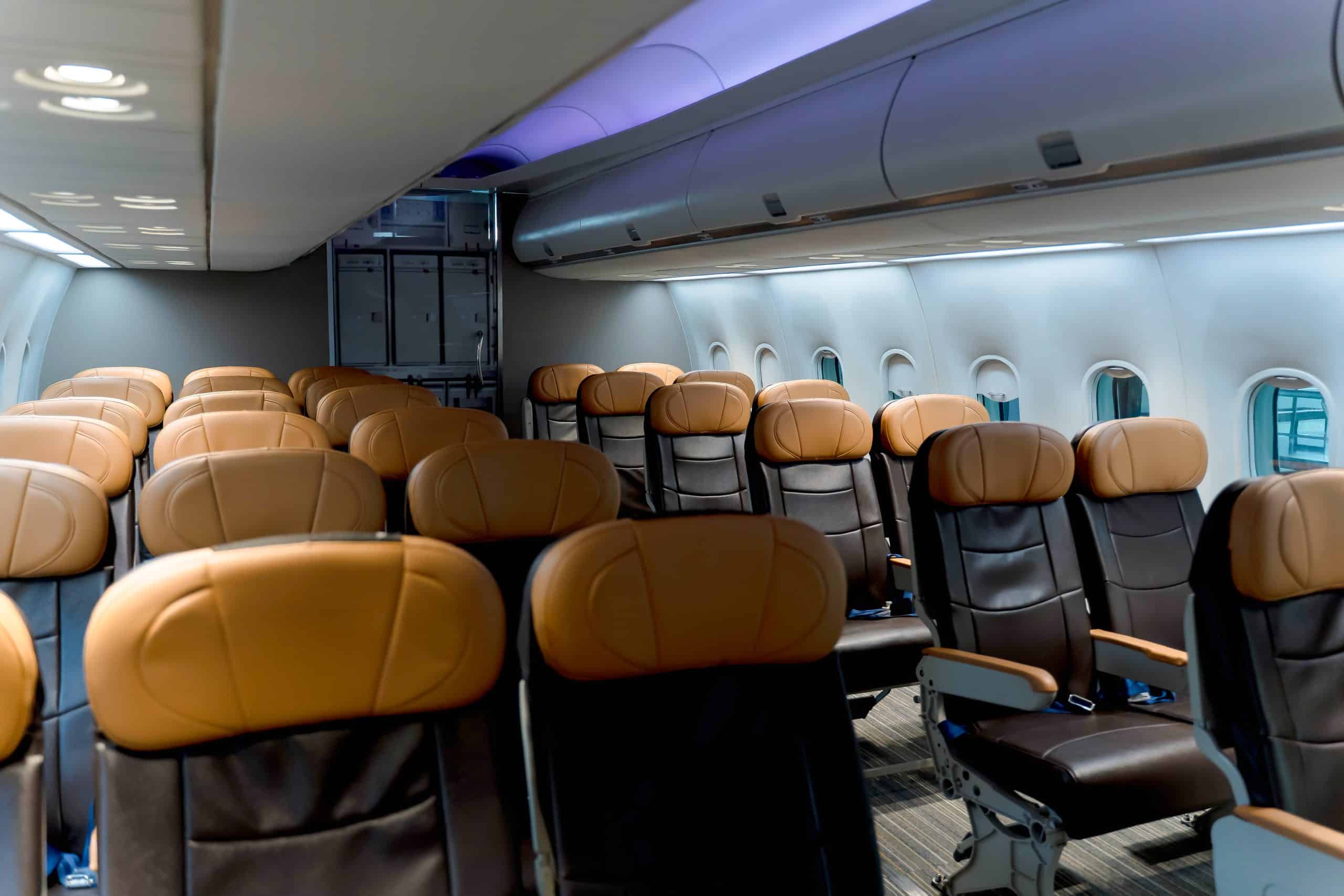
We recently saw the introduction of all‑new long‑haul interiors across multiple cabins, including a redesigned business‑class suite concept, refreshed premium‑economy seating, and an updated economy layout. Those next‑generation cabins have already appeared on newly delivered long‑range twin‑aisle jets, and there are confirmed plans to begin retrofitting the largest flagship wide‑bodies soon.
Until now, there was a big question about the rest of the long‑haul lineup, especially the older 200‑series wide‑body type that has formed the backbone of many international routes. According to the same industry watcher, major updates are coming to that subfleet:
- From fall 2026: a new satellite Wi‑Fi provider will be installed fleet‑wide, replacing the current connectivity system.
- After connectivity upgrades: the aircraft will receive fully new cabins across business class, premium economy, and economy, aligned with the latest long‑haul design.
Details beyond that remain limited. We do not yet know exact seating counts, galley and lavatory placement changes, or whether every frame in the group will be converted or only a subset. The subfleet numbers 47 aircraft with an average age of nearly 25 years, delivered between 1999 and 2007.
Why This Development Is Surprising
Up to now, only the largest flagship wide‑bodies had public confirmation for the new interiors, alongside newly arriving long‑range deliveries already built with the latest seats.
There was no firm word about smaller long‑range types or the mid‑life 200‑series jets. It would be logical for the newer twin‑aisles to receive interior refreshes in time, since those are expected to remain in service well into the next decade.
The 200‑series retrofit, however, was not guaranteed. These frames are 18 to 26 years old, which had prompted speculation about longer‑term strategy. Some industry chatter even suggested that entirely new long‑range aircraft could replace a portion of these older jets.

Hearing now that these aircraft are slated for new cabins implies a meaningful service‑life extension. If work starts after 2026, a typical wide‑body retrofit program can take two or more years to cycle through the fleet. After that, operators usually plan for the refreshed aircraft to remain active at least five additional years, and often longer, for the investment to make sense.
If this timeline holds, these 200‑series wide‑bodies could remain in frontline international service well into the mid‑2030s, at a minimum. It is also possible that only a portion of the frames get the full treatment while others retire earlier; we will watch for clarity on scope and sequencing.
What This Means for Your Trip
If you are planning long‑haul travel in the next few years, here is how this development could affect you:
- Business‑class experience: Expect modern suites with direct‑aisle access, privacy doors on many seat models, updated lighting, and larger surfaces for work and dining. Storage and device charging tend to improve with new designs.
- Premium‑economy comfort: Refreshed seats usually bring better recline geometry, leg rests or calf rests on select rows, and upgraded headrests. Newer designs often add improved tray tables, power outlets, and personal device holders.
- Economy cabin tweaks: Slimmer, lighter seats can free space for knees and shins when designed well. Look for enhanced seat‑back screens or more robust personal‑device streaming, plus more universal charging options.
- Connectivity upgrades: A switch to a modern satellite provider generally means faster browsing, more reliable video streaming, and lower latency. Availability, pricing, and data limits vary by route and aircraft.
- Transition period realities: While the fleet is mid‑retrofit, aircraft can rotate between old and new interiors with short notice. If cabin type matters, verify the configuration close to departure and consider selecting flights historically operating the refreshed layout.
- Operational pacing: Heavy‑maintenance checks are the usual window for cabin work. That means upgrades roll out in phases rather than all at once, and completion dates can shift based on parts, labor, and scheduling.
How Airlines Typically Execute Wide‑Body Retrofits
To add context around the timeline and expectations, here are common steps operators take when overhauling long‑haul interiors:
- Connectivity first: Swapping the inflight Wi‑Fi system early simplifies later cabin integration and wiring. It also delivers an immediate passenger‑visible win.
- Monument changes: New galleys, lavatories, closets, and crew‑rest areas are installed or repositioned to match the new seat plan.
- Seat installation: Business‑class suites are fitted and certified, followed by premium‑economy and economy rows. Certification and testing can vary by sub‑variant.
- IFE and power: New seat‑back screens, processors, and power systems are integrated, often with Bluetooth audio and improved device charging.
- Soft‑product alignment: Bedding, tableware, and service flows are adjusted to the new cabin ergonomics, which can change trolley paths and staffing patterns.

These projects are complex and can slip due to supply‑chain constraints, certification queues, and hangar capacity. That is why published timelines are typically conservative.
Final Takeaways For Your Booking Strategy
A large U.S. carrier appears poised to invest heavily in its 47‑frame 200‑series long‑haul wide‑body subfleet. The plan points to new satellite Wi‑Fi beginning in late 2026, followed by full cabin upgrades across business class, premium economy, and economy. It is noteworthy that these older wide‑bodies may receive the new interiors before some newer long‑range jets, signaling that this workhorse fleet is set to remain in service for years.
We will continue to monitor the rollout and share practical booking advice to help you choose flights with the refreshed experience as availability expands.