

Portable chargers remain one of the most useful travel accessories, but recent airline safety rules have changed how travelers can carry and use them onboard. While Japan’s updated battery restrictions took effect earlier this year, many travelers may still be unaware of the changes.
The rules serve as an important reminder that portable chargers are no longer treated as simple travel accessories. Airlines and aviation regulators increasingly view lithium-ion batteries as potential safety risks that require closer oversight during flights.
Why Portable Chargers Continue to Face Scrutiny
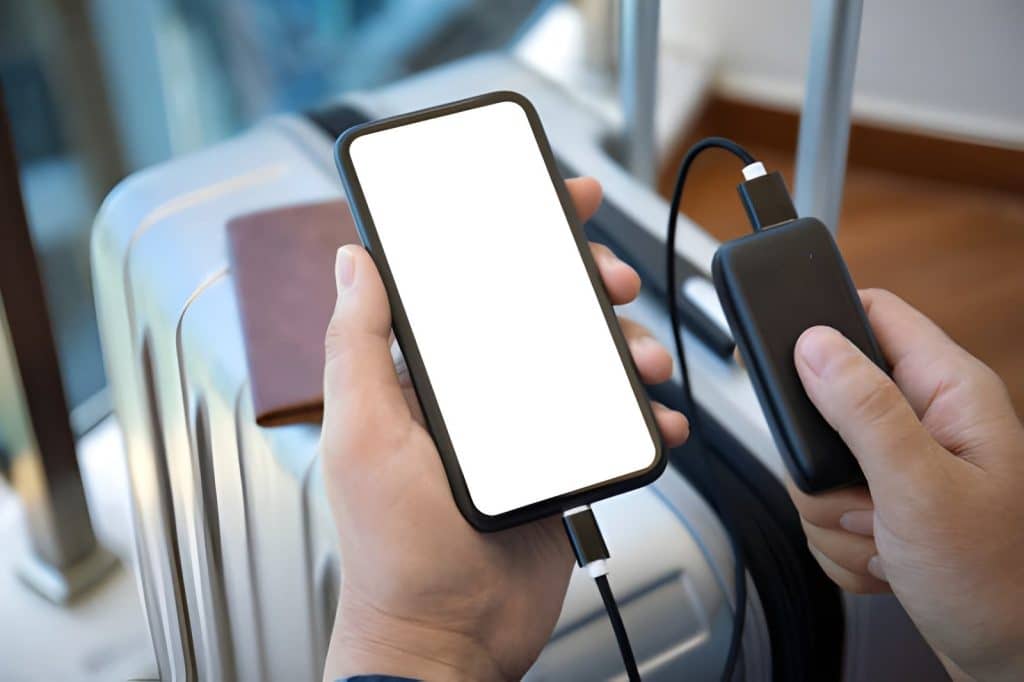
Lithium-ion batteries power everything from smartphones and laptops to portable chargers. They store a large amount of energy in a compact package, which makes them incredibly useful for travelers.
The downside is that damaged, defective, or overheated batteries can fail unexpectedly. In rare cases, they may produce smoke, extreme heat, or fire.
Over the past several years, aviation authorities around the world have recorded a growing number of battery-related incidents onboard aircraft. While most events have been contained quickly, regulators continue looking for ways to reduce the risks associated with lithium-powered devices.
As a result, portable chargers have become a growing focus of airline safety policies.
A Reminder About Japan’s Portable Charger Rules
Japan introduced stricter portable charger guidelines earlier this year following concerns about lithium-ion battery safety.
The rules did not ban portable chargers entirely. Instead, they focused on reducing the risk of incidents during flights by changing how these devices are stored and used.
Travelers flying on domestic routes in Japan should remember several key requirements:
- Portable chargers must remain accessible during the flight.
- Devices should not be stored in overhead compartments.
- Battery capacity limits still apply.
- Airlines may restrict the use of portable chargers during certain portions of the flight.
- Travelers should always verify requirements with their airline before departure.
The goal is simple. If a battery overheats or malfunctions, passengers and crew must be able to identify and address the problem quickly.
Why Airlines Want Batteries Within Reach
For years, travelers routinely packed power banks inside backpacks and stored them in overhead bins.
The problem is that overhead compartments are difficult to monitor.
If a lithium-ion battery begins overheating inside a bag, it may go unnoticed until smoke becomes visible. By that point, flight crews have less time to respond.
Keeping portable chargers under the seat or inside a personal item allows both passengers and crew members to react faster if something appears wrong.
This approach has become increasingly common as airlines update safety procedures related to battery-powered devices.
What Travelers Should Do Before Flying
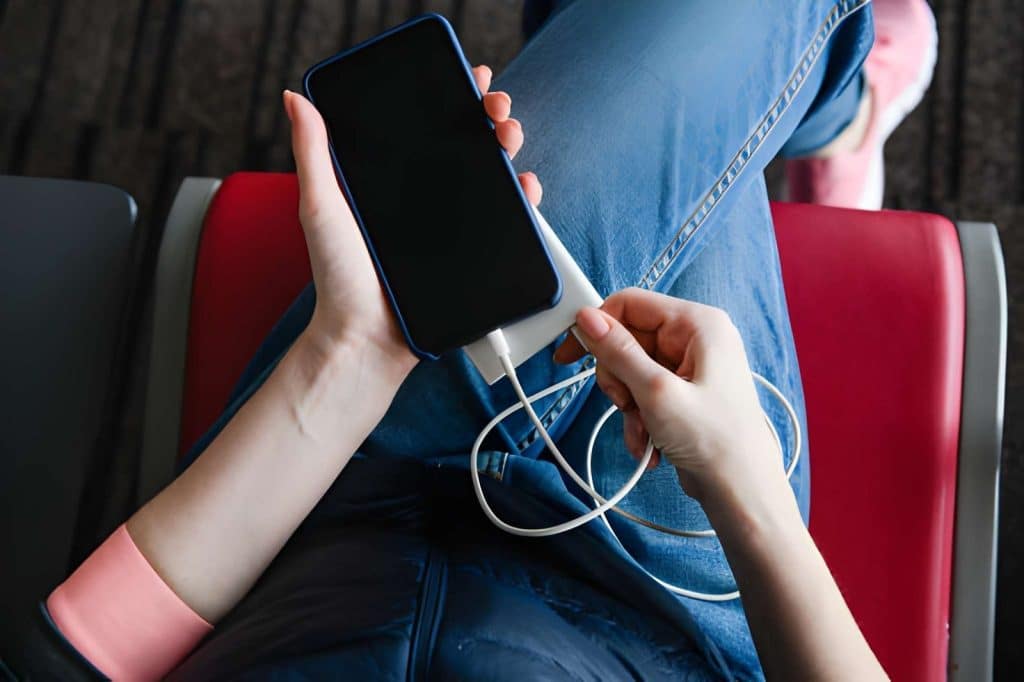
The easiest way to avoid problems is to prepare before arriving at the airport.
Fully charge your phone, tablet, headphones, and other electronics before departure. Doing so reduces the need to rely heavily on a portable charger during the flight.
Travelers can also extend battery life by:
- Activating airplane mode immediately after boarding.
- Lowering screen brightness.
- Downloading entertainment before departure.
- Closing unused applications.
- Disabling background activity when possible.
These small adjustments can significantly reduce battery consumption during long flights.
How Global Aviation Rules Continue to Evolve
Japan’s policy is part of a broader trend rather than an isolated change.
Aviation regulators worldwide continue reviewing how lithium-ion batteries should be transported and monitored onboard aircraft. Discussions have focused on battery capacity limits, storage requirements, and passenger access during flights.
Many aviation safety policies begin with individual countries or airlines before expanding elsewhere. Similar patterns occurred with carry-on liquid restrictions, security screening procedures, and electronic device regulations.
While no universal standard currently exists for every airline, travelers should expect battery-related rules to remain an active area of review.
Best Practices for Traveling With Portable Chargers
Portable chargers are still permitted on most airlines, but proper handling is becoming increasingly important.
When traveling with a power bank:
- Store it in your carry-on luggage rather than checked baggage.
- Keep it in an easily accessible location.
- Avoid contact with loose metal objects such as keys or coins.
- Use a protective case when possible.
- Replace damaged chargers immediately.
Travelers should never bring a charger that shows signs of swelling, cracking, overheating, or physical damage.
Even minor damage can increase the risk of battery failure.
Why These Rules Matter
Battery restrictions can feel inconvenient, especially for travelers who rely on portable chargers throughout long travel days.
However, the reasoning behind the policies is straightforward. Lithium-ion battery fires behave differently from many other types of fires. They can generate intense heat and may reignite even after appearing to be extinguished.
Because aircraft cabins are enclosed environments, prevention remains the most effective safety strategy.
By keeping batteries accessible and limiting potential hazards, airlines reduce the likelihood of a small problem becoming a larger emergency.
What Travelers Should Expect Going Forward
Portable chargers are not disappearing from air travel anytime soon, but the rules surrounding them will likely continue evolving.
As airlines and regulators gather more safety data, additional updates may emerge regarding battery limits, storage requirements, and onboard use.
For now, travelers should view Japan’s restrictions as a reminder rather than a new development. Understanding current airline policies, packing carefully, and staying aware of battery safety guidelines can help prevent surprises at the airport and make travel smoother overall.
As with most aviation rules, the goal is not convenience. It’s reducing risk while keeping passengers and crew safe.
Stay Ahead of Changing Flight Rules
Portable charger rules are tightening because safety data forced the issue. Smart travelers adapt early instead of getting caught off guard at the gate.
Inside the community, we break down evolving aviation rules, international travel shifts, and the small adjustments that keep your trips smooth.
If you want a travel Card setup that includes lounge access for charging, trip protections, and airport perks that reduce stress when policies change, compare options using the smart card match tool and align your benefits with how you actually travel.
Travel gets easier when you expect the rules to evolve.