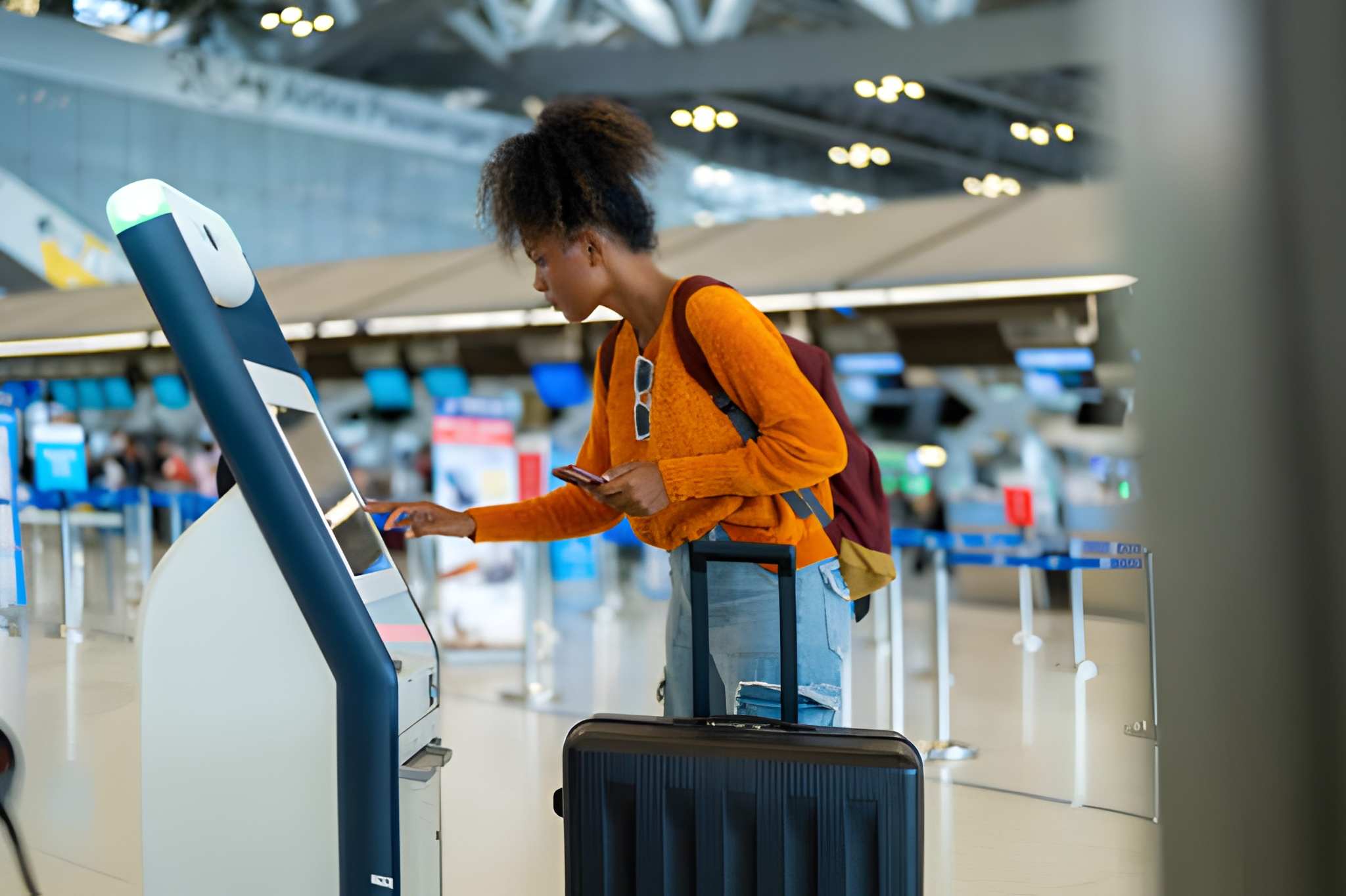
We have paid for CLEAR for about three years. We still use it because it can make airport security feel less messy. When it is working well, it can help you get through the checkpoint with less waiting and less stress. It can also help you avoid digging for your ID over and over.
But it is not as easy as it used to be to answer one big question: Is CLEAR still worth the money?
A lot has changed. More airports use face scans. Some travelers can use touchless identity checks in certain lanes. TSA also pays more attention to random ID checks. CLEAR raised its price too, so delays feel even more annoying.
CLEAR, TSA Fast Lanes, and Today’s Biometric Checkpoints
Back in 2010, CLEAR started airport lanes. A few years later, TSA launched a government-run expedited screening lane after testing it with trusted travelers in 2011, according to a TSA spokesperson.
CLEAR and the government expedited lane both try to help you move faster. The main difference is who runs it and how the time savings happen.
The government expedited lane is run by TSA. If you qualify, you usually use a separate line. The screening rules are often easier. In that lane, you typically do not have to remove your shoes or belt, and you often can keep laptops and small liquids packed. TSA has said wait times in that lane are usually 10 minutes or less, based on TSA data.
CLEAR is not a TSA lane. It is a private service that helps prove your identity. You confirm who you are at a CLEAR kiosk. Then a CLEAR ambassador walks you forward, often to the front of the TSA line you are using.
When both CLEAR and the government expedited lane are running smoothly, the combo can feel like the easiest way through. When CLEAR is crowded or short-staffed, it can feel like you paid extra just to stand in another line.
Touchless Identity Checks at Select Airports
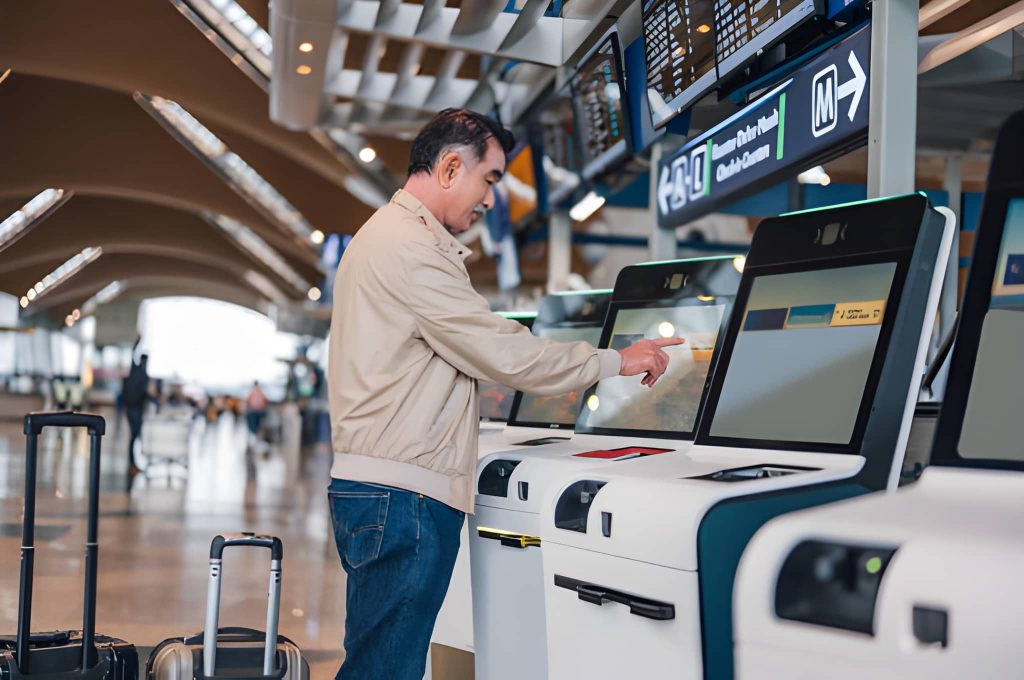
Over time, TSA and some airlines worked together to add more ways to use biometrics. At select airports, some travelers can use face recognition to confirm who they are without showing a physical ID or boarding pass at the document check. Many people call this touchless identity or biometric screening.
At some airports, face recognition also shows up in other parts of your trip, like checking bags for some travelers. One example mentioned in reports is support for certain travelers at O’Hare International Airport (ORD).
Even if you can use a touchless option, TSA and airlines still tell you to bring a valid ID. TSA can randomly ask to see your ID at any time, even if you are using CLEAR, the government expedited lane, or a touchless identity option.
Here Is Where the Choice Gets Tricky
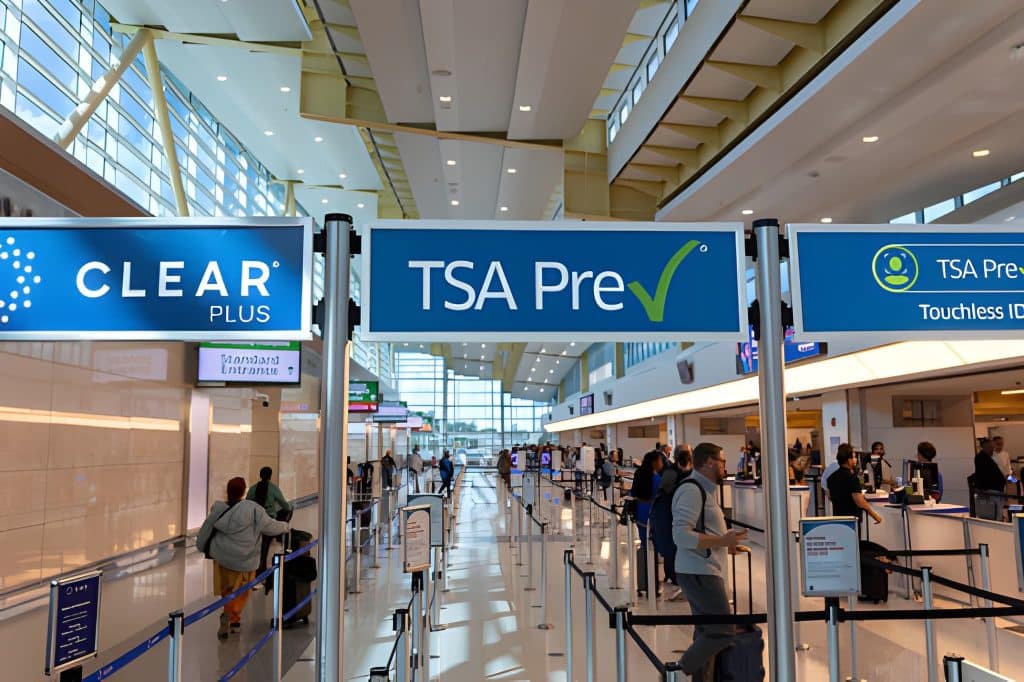
CLEAR can work together with the government expedited lane. Many people who have both do a quick identity check at a CLEAR kiosk, then get escorted to the front of the TSA expedited line.
Touchless identity options do not always stack with CLEAR in the same way. If your airport has a touchless identity lane, you might need to pick one route or the other at that moment.
Some airports also offer a different touchless path for certain flyers based on passport details saved in an airline profile. The airport takes a photo at the checkpoint and matches it to the saved information. This can be helpful when it works, but it depends on the airport, the airline, and whether your profile is set up correctly.
Because these touchless options exist, some travelers, especially loyal flyers at airports with strong biometric setups, decide they do not need CLEAR.
Random ID Checks for CLEAR Members
For many of us, one of the nicest parts of CLEAR is not having to pull out our ID all the time. It sounds small, but travel days are full of annoying little steps.
In July 2023, TSA said it would increase the number of CLEAR members picked for random ID checks. That made many people wonder why they were paying for an identity service if they still had to show an ID more often.
A CLEAR spokesperson said the rate of random ID checks depends on factors outside CLEAR’s control and that TSA decides it.
After backlash, the plan was rolled back for a while. Then in August 2023, CLEAR said it would start upgrading members for NextGen Identity+ technology. A TSA spokesperson described NextGen Identity+ as a TSA-required upgrade because of security vulnerabilities.
What NextGen Identity+ Asked Members to Do
CLEAR told members to complete a one-time, two-step reverification process.
First, members did administrative steps through an email process.
Next, during a later airport visit, members had to go to a CLEAR kiosk, rescan their face, and show a valid ID to a CLEAR agent.
CLEAR described this as progress. The idea was to make face recognition the main way members prove who they are, and later on, reduce how often members need to stop at a kiosk.
Why Some Members Felt More Hassle After Upgrading
Some travelers said they had to show their IDs more than once even after finishing reverification. Their complaints usually came down to two main points:
- CLEAR took longer than it used to.
- They felt like they were asked for ID more often after upgrading, not less.
CLEAR has said the NextGen Identity+ reverification process is different from TSA random checks, which TSA controls.
CLEAR also said it is building what it calls the “CLEAR Lane of the Future,” which is meant to make the process more seamless over 2024.
TSA has also explained who controls what. They says it is responsible for screening and oversight of the registered traveler program at select airports. TSA sets the random rate and requires CLEAR to carry it out to lower risk.
As of August 23, CLEAR said more than 95% of members had completed NextGen Identity+ reverification.
Still, many travelers in a private travel discussion group said the checks felt more frequent over the past year.
One member wrote that they experienced a “random ID check” every time they used CLEAR that year, about 12 times. They also said that at Tulsa International Airport (TUL), the government expedited lane is almost always faster except during the Monday morning rush. On their last trip, they said a CLEAR agent directed them to the TSA expedited lane because no one was operating the CLEAR machines.
What Travelers Reported at Different Airports
Editors asked travelers to share recent CLEAR experiences, including whether they were asked to show an ID and whether the CLEAR line was longer than the standard lane or the TSA expedited lane. Nearly 40 comments were summarized like this:
- Travelers saw longer lines for both the TSA expedited lane and CLEAR at Denver International Airport (DEN) compared with the standard TSA lines.
- Travelers reported a longer CLEAR line than the TSA expedited lane at Denver International Airport (DEN), Dulles International Airport (IAD), Tulsa International Airport (TUL), John Glenn Columbus International Airport (CMH), Raleigh-Durham International Airport (RDU), and Birmingham-Shuttlesworth International Airport (BMH).
- Travelers described reverification problems and said they had to show IDs at several airports, including Dulles International Airport (IAD), Ronald Reagan Washington National Airport (DCA), Boston Logan International Airport (BOS), Dallas Fort Worth International Airport (DFW), San Francisco International Airport (SFO), and Los Angeles International Airport (LAX).
Some travelers summed it up by saying CLEAR had become too much trouble at their airport.
When a “Fast” Line Becomes the Slow Line
CLEAR has more than 25 million members, and the TSA expedited program has about 20 million members, based on figures shared by each organization.
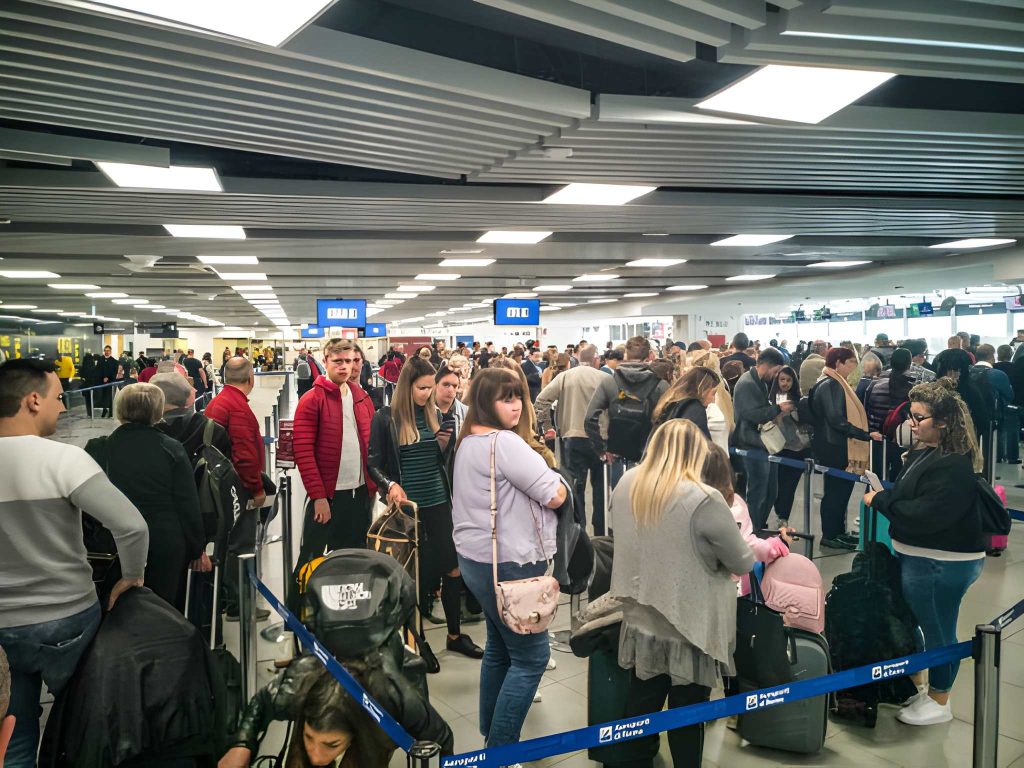
Big membership numbers can be good, but they can also cause crowding. If too many people use a “fast” line, it stops being fast.
As of August 21, staffers reported longer CLEAR lines at Raleigh-Durham International Airport (RDU), Orlando International Airport (MCO), John F. Kennedy International Airport (JFK), LaGuardia Airport (LGA), Phoenix Sky Harbor International Airport (PHX), and Hartsfield-Jackson Atlanta International Airport (ATL). Some travelers also said they were asked to reverify more than once at Palm Beach International Airport (PBI) and Harry Reid International Airport (LAS).
One editor said they have never saved meaningful time with CLEAR compared with the TSA expedited lane. They felt the benefit was often only a few minutes.
The Price Increase Changed the Value Math
Long lines are annoying. Random ID checks can be annoying too. A price increase makes both problems feel bigger.
As of August 1, CLEAR costs $199 per year. At that time, the service could be used at 58 airports in the United States, plus stadiums and other large venues.
The government TSA expedited membership starts at $78 for five years.
CLEAR also offers enrollment for the TSA expedited program through CLEAR, promoting access to both programs for about $200 with a rebate. CLEAR said this option was available at 50 U.S. airports. To get that price, travelers had to apply for both through CLEAR’s website, and after approval, CLEAR would issue a rebate of $77.95.
If you are doing the math, here is an easy way to think about it:
- If you only fly a few times a year, the TSA expedited membership might be enough.
- If you fly a lot and your airport’s regular lines are unpredictable, CLEAR can still be helpful.
- If your home airport already has a touchless identity option that works well for you, CLEAR might feel like paying for something you do not really need.
Keep Your Airport Plan Simple With TheMilesAcademy
If CLEAR has you wondering what to sign up for and what to skip, you are not alone. Security lanes, touchless face checks, and random ID rules can change by airport and even by time of day.
Inside the community, you can learn how other travelers choose between CLEAR, the TSA expedited lane, and touchless identity options at airports like DEN, JFK, LAX, and ATL. You can also share your home-airport experience so other members can plan better.
Before you pay for anything, use our free Card Finder Tool to see options that might fit your travel style. It is a quick way to narrow choices without getting lost in complicated fine print.
