
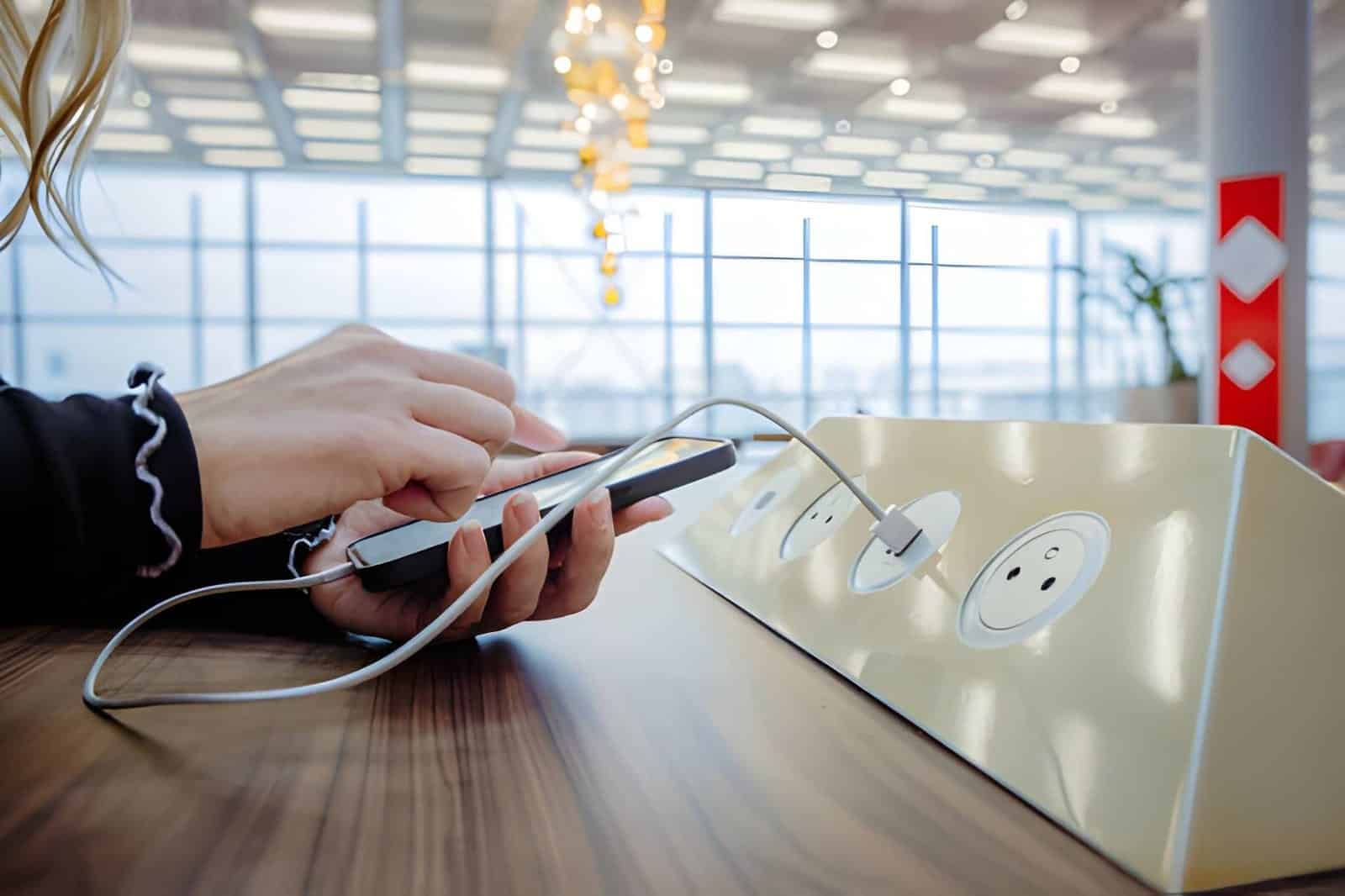
You’re at the gate with 9 percent battery left. Boarding just got delayed. The free USB ports under the seats look tempting.
That exact moment is why transportation authorities keep repeating the same warning about so-called “juice jacking.” It sounds dramatic, but the idea is simple. A public USB charging station could be altered to move data, not just power, and potentially install malicious software onto your phone.
What Juice Jacking Actually Involves
USB ports were built to do two things. They charge devices, and they transfer data. That dual function is what creates the theoretical risk.
If someone were to tamper with a public charging station, they could attempt to push malware onto connected devices or access stored data. In practice, that would require modifying the hardware inside the charging hub.
It is technically possible. That does not mean it is common.
Security professionals regularly point out that confirmed, documented airport cases are extremely limited. Many agencies acknowledge that the vulnerability exists in theory, but widespread evidence of travelers being compromised through public USB ports remains scarce.
That distinction matters. Fear spreads faster than facts.
Why Authorities Still Warn Travelers
Airports are high-traffic environments filled with distracted people carrying valuable data. Phones hold boarding passes, banking apps, private messages, and saved passwords. Even a low-probability threat deserves attention when the potential payoff for criminals is high.
Public guidance often focuses on prevention. If a simple behavior change reduces even a small risk, agencies will recommend it.
It is the same logic behind advice like avoiding unsecured public Wi-Fi networks or locking your luggage. The goal is layered protection, not panic.
Modern Phones Have Built-In Safeguards
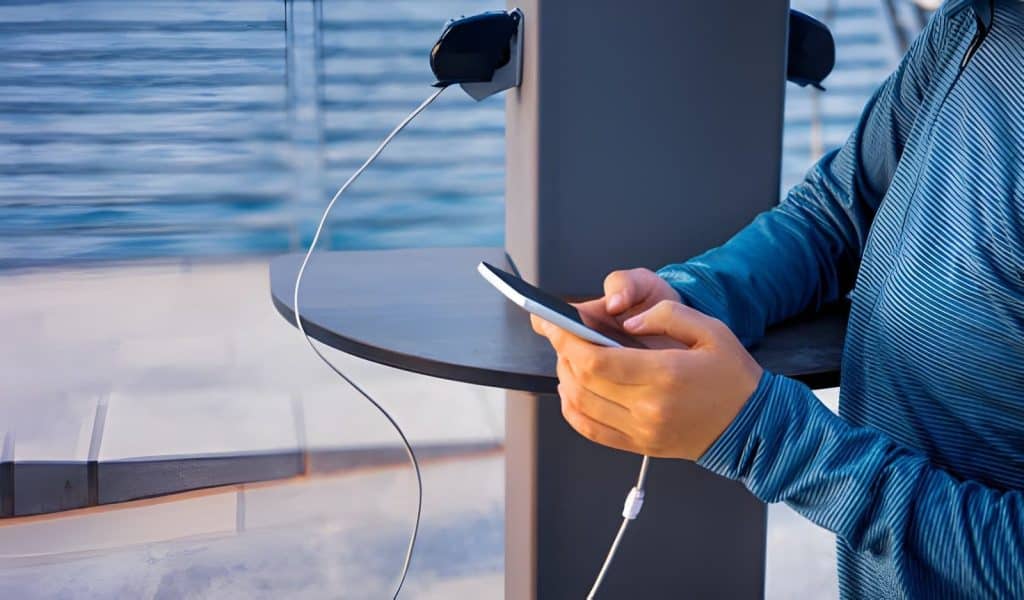
Most smartphones today require user confirmation before allowing data transfer over USB. When you connect to a port, your screen may display a prompt asking whether to trust the connected device.
If you decline, your phone will charge without enabling file access. That single tap blocks most juice jacking scenarios.
Charging does not require data exchange. If you see a prompt requesting file access or trust permissions, that is your signal to refuse it.
This built-in barrier dramatically reduces exposure for typical travelers.
The Cable Problem Nobody Talks About
There is another angle that deserves more attention.
Cheap USB-C cables bought from unknown vendors can be modified internally. Some malicious cables contain tiny embedded components that act as hidden data bridges. They look identical to standard cables, but inside, they are something else entirely.
As awareness about public charging stations grows, attackers shift tactics. A compromised cable handed out as a free giveaway or sold at a discount can bypass the “public port” concern altogether.
The practical takeaway is simple. Use your own cable from a reputable source. Avoid impulse purchases from unfamiliar kiosks or online sellers with no track record.
The weakest link is often the accessory, not the outlet.
Practical Ways To Charge Safely
You do not need complicated gear. A few habits cover nearly all scenarios.
- Plug your charging brick into a standard wall outlet instead of using a USB port
- Carry a portable battery pack for long travel days
- Decline any on-screen prompts requesting data access
- Use cables you purchased from trusted retailers
Traditional AC outlets provide power only. They do not enable data transfer. That alone eliminates the juice jacking pathway.
Portable battery packs are especially useful during long layovers or international connections. They keep you independent of shared charging infrastructure and help avoid that last-minute scramble for power before boarding.
How To Spot Suspicious Equipment
While tampering is rare, it is worth taking a quick look at public charging stations before plugging in.
Loose panels, exposed wiring, extra attachments, or poorly fitted components are red flags. Airport equipment is typically maintained and standardized. Anything that looks improvised deserves caution.
That said, most airport charging stations are installed by facility management, not random individuals. Widespread tampering would be difficult to hide for long.
Stay observant, but stay rational.
Why A Dead Battery Can Be The Bigger Problem
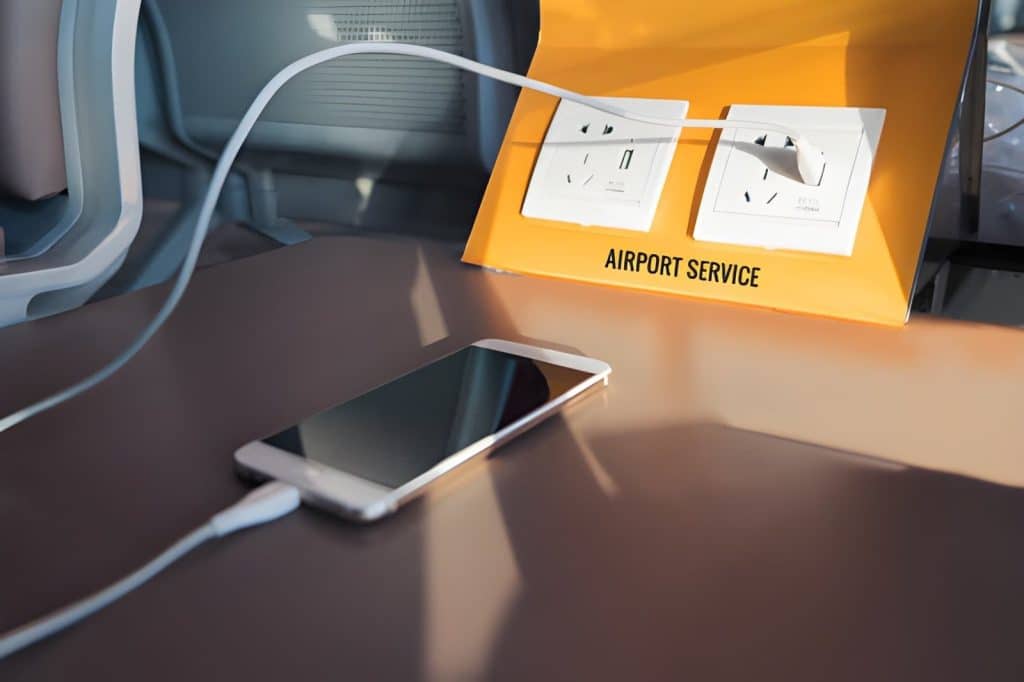
Ironically, the most common travel disruption is not cybercrime. It is a drained phone.
If your device dies, you lose access to digital boarding passes, gate updates, and ride-share apps. During irregular operations like weather delays, that information matters.
Security awareness should not push you into avoidable inconvenience. The smart move is preparation, not avoidance.
Bring your own charging equipment. Keep a compact power bank in your carry-on. Top up your phone before boarding. Those small steps solve both battery anxiety and security concerns at the same time.
Keep The Risk In Perspective
Juice jacking remains a theoretical vulnerability with limited confirmed incidents. Modern devices include protective prompts. Basic habits block most practical exposure.
That does not mean ignoring the advice. It means to apply it calmly.
Use your own charger. Be selective about cables. Pay attention to device notifications. Avoid plugging directly into unfamiliar USB ports when better options are available.
Travel already requires enough mental bandwidth. Charging your phone should not add stress.
A little preparation keeps your battery full and your data secure.
Protect Your Phone And Your Travel Strategy
Airport charging warnings are a reminder of something bigger. Small preparation prevents avoidable disruption.
Inside the community, we focus on practical travel habits that protect your time, your data, and your money. From smarter airport planning to booking strategies that reduce risk, the goal is simple. Fewer surprises.
If you want stronger travel protections and better earning on the flights you already take, compare options using the smart card match tool and align your travel Card setup with how you actually move.
A charged phone helps. A prepared traveler helps more.