
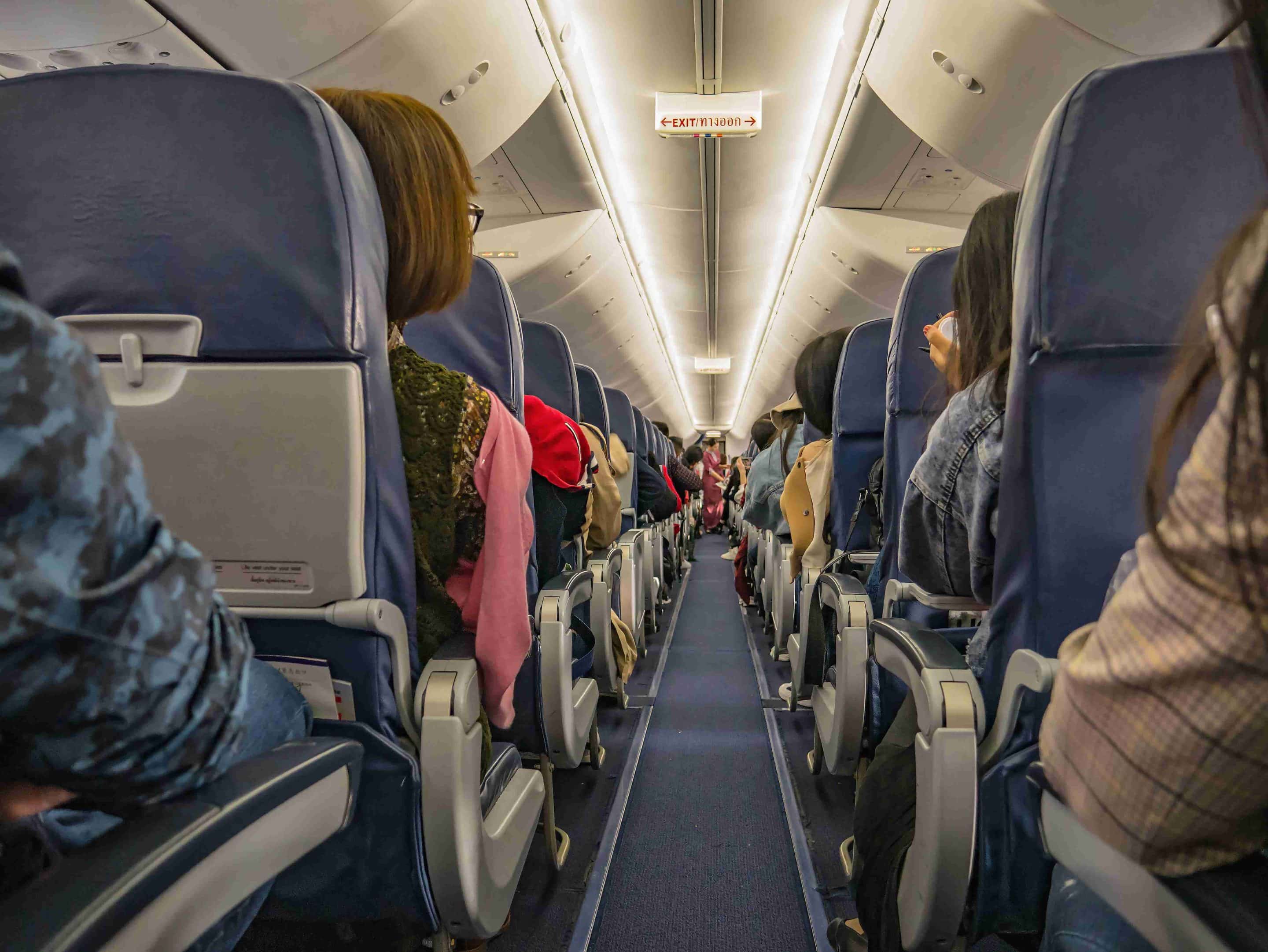
Getting on a plane and realizing no one is sitting beside you feels like winning a small prize. You can use both armrests, relax your shoulders, slide your bag into the overhead bin without fighting for space, and stretch your legs without bumping anyone. The whole flight feels calmer and less stressful.
Most of us would love more flights like that. One simple way to improve your chances is to check how full your flight might be before you travel. When you have a rough idea of how many people are booked, you can decide whether to keep your flight, switch to another one, or pay for a better seat that gives you more room.
There is one important detail to remember. You can only get a good guess, not a perfect answer. Airlines can still add people at the last minute, move crew members, or clear standby lists just before departure. Seat maps and tools give you helpful clues, not exact numbers.
Why You Can Only Guess, Not Know For Sure
Before you start checking tools, it helps to know why no one can promise you an exact seat count in advance.
Airlines keep changing flight lists right up until the doors close. They may move pilots and flight attendants between airports, clear standby lists near departure time, shift families into seats together, adjust the layout to help travelers who need special seating, or sell last minute tickets when demand is high. All of that can change how full the plane is.
On top of that, some passengers wait to choose a seat until check in opens, and some airlines block certain seats for travelers with elite status or for their own internal reasons. A seat that looks open today may already be reserved for someone tomorrow.
So the tools you use are still very helpful, as long as you treat them as smart guesses. They help you see the difference between a flight that is almost full and one that still has plenty of space, even if they cannot show you a final list of passengers.
Keep Your Boarding Pass Safe
There is another reason to stay alert around flights and gates. Your boarding pass is not just a piece of paper or a random screen on your phone. It is linked to your name, your booking, and sometimes your personal details.
In one reported incident, a 26 year old man managed to get onto a flight at Salt Lake City International Airport by pretending to be another traveler. He used a screenshot of her boarding pass that he quietly took while she was not paying attention. Situations like this are not common, but they show why it matters to protect your travel documents.
Try not to leave your boarding pass open on your phone where people behind you can read it. Avoid posting close up photos of your boarding pass online where barcodes and numbers are visible. Treat your boarding pass the same way you treat your wallet or ID.
1. Start With Your Airline App Or Website
The easiest place to look for clues about how full your flight is sits right in your pocket. Your airline app and website can usually show you a seat map for your specific flight well before the day you travel.
After you sign in and open your booking, look for a section like “My Trips” or “Manage Booking” and then go to the seat selection page. You will see a simple drawing of the plane with each row and seat shown. On most seat maps you can tell which seats are already taken, which ones are free to choose, and which ones are blocked, often for extra legroom sections or for travelers with status.
Some airlines let you view a basic seat map by entering your last name and confirmation number even if you do not fully log in. You might need to click through what looks like a seat change, but you can usually close out before you confirm anything.
When you study the map, focus on patterns instead of every single seat. If almost every standard seat in the main cabin has someone in it, your flight will probably feel very full. If you see several rows with no one in them yet, especially toward the back, you have a better chance of extra space. When upgraded or extra legroom seats are mostly empty, that might be a good time to think about paying for one if comfort matters to you.
It also helps to check the seat map more than once. The layout can shift a lot in the days and hours before departure as people buy tickets, cancel, or move their seats. Some travelers will only choose a seat when check in opens, so a free seat today might not stay free tomorrow.
2. Use Online Tools That Watch Seats And Fares

If you want more detail than your airline gives you, you can use third party websites and apps that track seats and ticket availability. Frequent travelers like these tools because they help them keep an eye on upgrades, open seats, and award space.
Some services show live seat maps that look similar to the ones from the airline, but they may add extra notes. They can show you in a clear way which seats are free to choose, which ones are already taken, and which ones the airline has blocked for internal reasons or for travelers with elite status.
Many tools let you create a free account so you can test basic features. Paid versions often add more power. For example, you might be able to set alerts that tell you when a certain seat or cabin opens, watch many routes and dates at once, or filter results by cabin type and seat type so you only see the options that fit what you want.
Other tools do less with maps and more with the hidden ticket groups called fare classes. They search airline systems and show you letters and numbers that represent how many tickets are left in each group. When you look at that information, you may notice that one cabin still has many seats available while another cabin is close to being sold out.
3. Study The Seat Map During Online Check In
Another simple way to see how crowded your flight is comes during online check in. For many airlines, this window opens about 24 hours before your plane leaves. That is when a lot of people finally pick seats and when airlines begin to settle the final seating layout.
As you move through the check in steps, you will almost always land on a page that lets you review, change, or buy seats. This is a great moment to stop and really look at the map instead of just clicking through.
Try to read the map in a calm, simple way. If you only see a few scattered single seats with gaps between them, you can expect a tight and busy cabin. If you notice several empty rows, especially toward the back of the plane, your chances of extra room are much better. When you see a lot of preferred or extra legroom seats still unsold, you might decide that it is worth paying more for a better spot on a crowded flight.
The check in window is also a smart time to think about changing flights if you really want a quieter cabin. Sometimes you will see that another flight on the same route and day has far more empty seats. If your plans are flexible, switching flights might give you a much more comfortable trip.
4. Ask Customer Service How Busy The Flight Looks
If you still want more clarity, you can ask directly. Airline customer service agents can usually see more detailed information than what appears on public seat maps.
You can reach customer service in a few common ways. Many travelers still use the main phone number, but you can often use chat inside the airline’s mobile app or open a chat box on the website instead. Some airlines also support direct messages on certain social channels, which can be more convenient than sitting on hold.
Once you are in contact with an agent, ask clear and simple questions. You might ask whether the flight is mostly full or still has many open seats, whether there are other flights on the same route that are less busy on that day, or whether changing flights would affect the price or add any fees to your ticket.
Agents may not give you an exact number of people on board, but they can usually describe the general load, such as lightly booked, fairly full, or almost sold out. They can also help you look at alternate flights if you want more space or a different schedule.
If you hate sitting on hold and listening to music, try in app chat or text options first when they are available. Many airlines now let you send a message and then reply when an agent is free, so you do not have to stay glued to your phone the entire time.
Extra Ways To Choose Less Crowded Flights

Checking how full a specific flight is can help, but sometimes the best move is to choose flights that are less likely to be crowded from the beginning. That means thinking about when you fly, not only which flight number you pick.
Choose Quieter Times Of Year
Air travel is not equally busy every month. Some times are naturally calmer, while others are filled with vacation trips and school breaks.
Booking data from large travel sellers often shows that the start of the year is usually less crowded. January, for example, is often a quieter month for flying. The holiday rush is finished, people have returned to school and work, and many travelers are staying home to recover their budgets and vacation days.
Late summer can be much busier. In many regions, August flights are often close to full. Families are trying to squeeze in one more trip before school begins again, and popular vacation routes can feel very packed.
Think of these patterns as general trends rather than strict rules. If you want to avoid crowded flights, try shifting your travel into lower demand months or into shoulder seasons, when travel levels sit between peak and quiet periods.
Pick Softer Travel Days In The Week
The day you choose to fly can matter almost as much as the month. Data from large travel platforms shows that some days regularly feel less busy than others.
On many routes, Tuesday often comes out as one of the calmest days to travel. Flying on that day can mean shorter lines, fewer people crowding the gate, and less pressure on overhead bin space. Tuesday will not always be the cheapest day, but for travelers who value comfort and a more relaxed trip, it is often a smart choice.
Weekends, especially Sundays, tend to be some of the most crowded and stressful days to fly. Feedback from millions of travelers collected through airport survey kiosks shows that satisfaction scores drop on those days. People are rushing home for school and work, and airports feel more tense and busy.
If you can be flexible with your schedule, aim for midweek flights when you plan your trips. Even a small change, such as moving from Sunday to Tuesday, can make a noticeable difference in how crowded your plane feels.
Fly At Calmer Times Of Day
Time of day also has a big impact on how crowded your flight feels and how smooth your airport experience will be.
Passenger feedback collected by companies that run airport survey kiosks suggests that very early flights are often the calmest. Planes that leave around 4 in the morning, and flights that depart between about 7 and 8 in the morning, tend to have fewer travelers and higher satisfaction scores than many later peak departures.
There are a few clear reasons for this pattern. Fewer people are willing to wake up extremely early for a flight. Early flights are usually the first trips of the day, so delays have not had time to build up. Security checkpoints and boarding areas are often less crowded than during midday waves.
In one report from early 2025, flights in those early morning windows earned traveler satisfaction scores in the mid 80 percent range. That is a strong sign that many passengers found those flights smoother and less stressful overall.
If your main goal is a calmer trip with more breathing room, try to book early morning departures and avoid Sunday flights when you can. Combine that timing with the four methods above for checking how busy your flight looks, and you give yourself a much better chance at a roomier, more relaxed experience in the air.
Plan Calmer Trips With TheMilesAcademy
If you care about having more space on board and feeling less stressed at the airport, you are not alone. We built our free TheMilesAcademy community for travelers who want to learn simple, practical ways to make trips smoother, from choosing less crowded flights to using rewards and travel perks more wisely.
Inside the community, we share clear guides, real examples, and step by step tips that match the ideas in this article. You can learn how to spot better flight times, plan around busy seasons, and use the right mix of cash, points, and travel tools to build trips that actually feel good, not just cheap.
We also give you access to our free card finder tool. It helps you quickly sort through different card options so you can find the ones that fit your travel style, whether you fly a few times a year or often. You answer a few simple questions, and the tool points you toward cards that can help you earn rewards and benefits that make flying more comfortable.
If you want more flights that feel calm instead of crowded, we would be glad to have you with us. Join our free TheMilesAcademy community, try our card finder tool, and use what you learn to plan trips that match the quieter, more relaxed travel experience you are looking for.
