
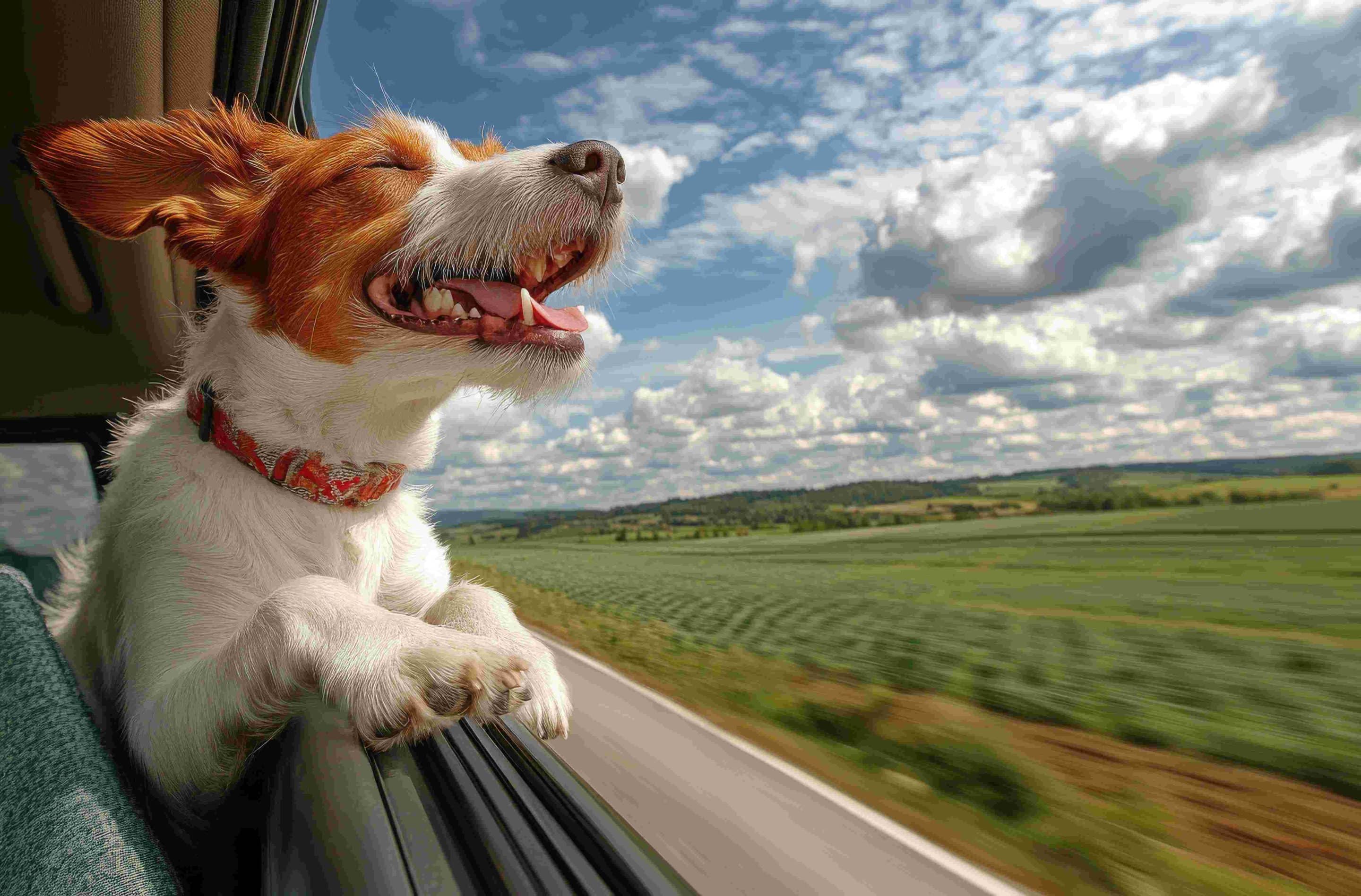
Bringing a cat or dog on a trip sounds fun in theory. You picture cute photos, long walks, and a happy pet curled up in a hotel room. In reality, it often means extra planning, heavier bags, and a lot more responsibility. For many of us, though, these animals are family. They sit on our couch, listen to us vent, and make ordinary days better, so it is natural to want them with us when we travel.
The travel world has seen this shift. More hotels advertise pet friendly rooms, destinations highlight dog friendly parks and patios, and there are even flights that focus on making animals more comfortable. What used to be a small niche has turned into a clear trend.
Travel advisors notice that many clients are willing to spend more money and time if it means their pets can come along safely. People are not only planning around their own needs anymore. They are planning around four paws and a tail as well.
If you are unsure whether your next trip is a good idea for your pet, or you already know you want to bring them and you want to avoid problems, we will walk through how to think about health, comfort, logistics, and flexibility so your animal stays as safe and relaxed as possible.
Why Your Pet’s Comfort Has To Come First
Before you open a booking site or write a packing list, ask a simple question: “Is this trip truly good for my animal?” You might be excited about new places and memories, but your pet experiences travel very differently. Loud sounds, strong smells, and constant changes can feel scary, especially for older animals or pets with medical issues.
You know your pet’s daily habits better than anyone, but talking with a veterinarian before you make final decisions is still important. A clinical instructor at a veterinary college points out that a quick checkup can reveal health problems you might not notice, confirm that your pet is fit enough to travel, and help you plan any vaccines, medication refills, or calming support around your schedule.
Think about personality as much as medical history. Some animals are creatures of habit. They like the same bed, the same routine, and the same quiet corner. When their schedule changes, they may stop eating, bark or meow more, or hide. Other animals are naturally curious and enjoy walks in new neighborhoods, meeting people, and exploring new spaces.
The type of trip you are planning matters too. A slow camping weekend where your dog stays beside you almost all the time is very different from a packed business trip with long days at meetings and late dinners. One trip gives your pet quiet time outdoors and lots of contact with you. The other might mean long stretches alone in a strange room.
How To Decide When Your Pet Should Stay Home
Sometimes the kindest choice is to let your pet skip the adventure. If you already know that your destination is not very pet friendly, or you can tell that the travel days will be loud, crowded, or long, it might be better to arrange good care at home instead of forcing them to come.
You have several options. You can hire a sitter to stay in your home, ask a trusted friend or family member to host your pet, or book a spot at a boarding facility or daycare that has good reviews and clear policies. During busy periods like school breaks and major holidays, these services fill quickly, so it is smart to book as soon as you confirm your own dates.
One practical exercise a veterinarian suggests is to write a pros and cons list. On the “bring them” side, you might note that you feel calmer with your pet nearby, that you want more time together and dislike being apart, and that your animal becomes anxious when you leave for long periods.
On the “leave them” side, you might write down that the trip involves long travel days with many steps and crowded spaces, that the place you are staying has limited outdoor space or strict rules, that the weather is likely to be very hot or very cold, or that you will attend events where your pet would need to stay alone in a room for hours.
Picking The Best Way For You And Your Pet To Travel
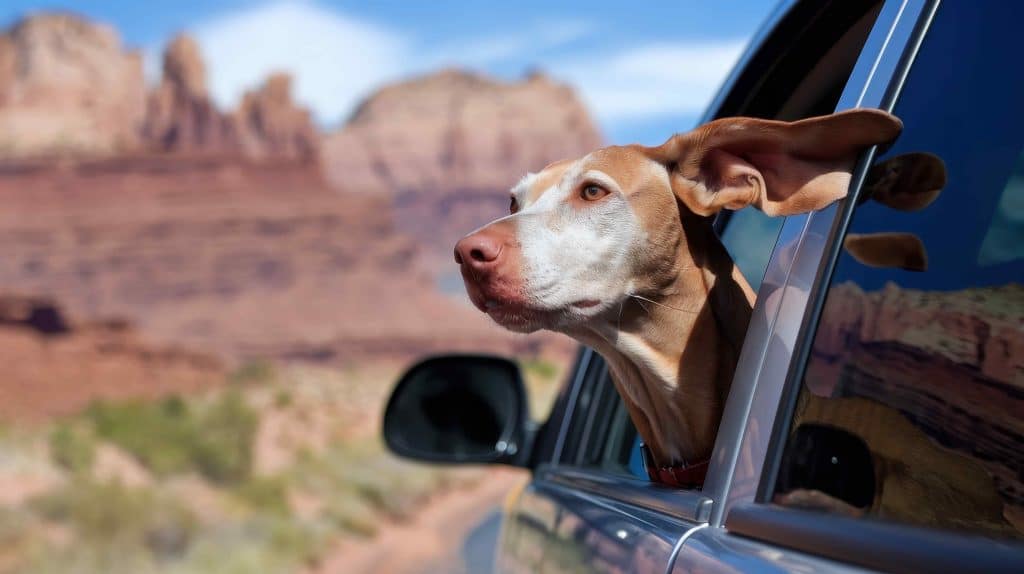
If you decide that your pet really should be part of this trip, the next big decision is how you will get to your destination. When it is realistic, many veterinarians recommend traveling by car.
A road trip gives you much more control over the journey. You can stop whenever your pet needs a bathroom break, let them stretch their legs, and offer water and food on a schedule that feels normal. If your animal starts to show signs of stress or motion sickness, you can pause, adjust, or even change plans.
You can also load the car with more of your pet’s familiar life, such as their bed, blankets, favorite toys, and a larger supply of food and litter, without worrying about strict baggage limits.
Sometimes, though, driving is not possible. The distance might be too long, or you might be traveling across an ocean. In those cases, you may need to look at flying with your pet.
Each airline sets its own rules for animals, and those rules can change. The policies often depend on your route, the time of year, the size and breed of your animal, and your pet’s age and vaccination status. Before you purchase tickets, check the airline’s pet policy directly and confirm the details.
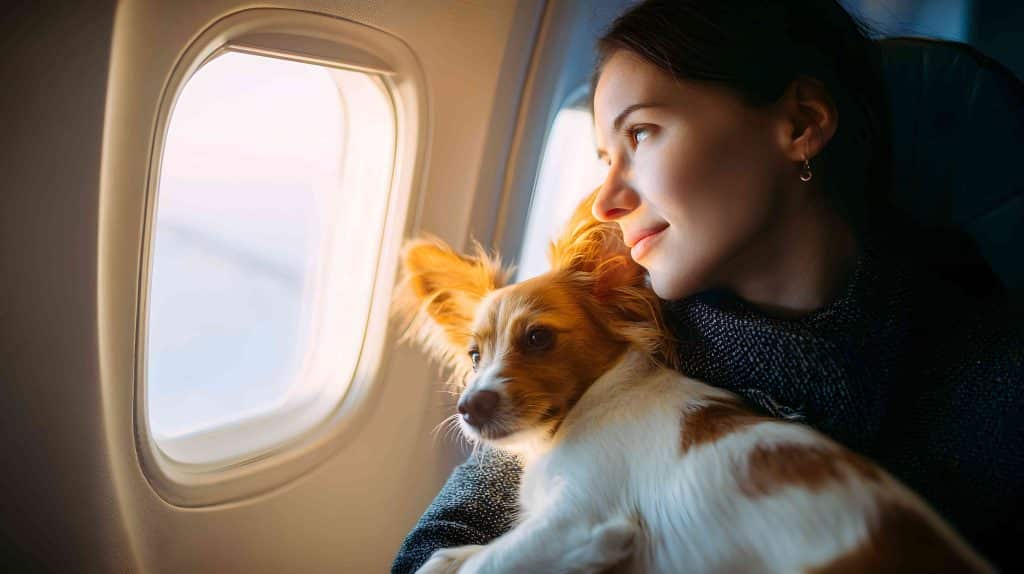
Usually, very small pets who can rest comfortably in a carrier that fits under the seat in front of you are allowed to ride in the cabin. Larger animals often must travel in the cargo hold as checked baggage or as cargo. For many pet parents, the idea of their animal riding in a separate area of the plane is a major concern.
Extra Rules For Flying With Pets And Routes
If you are flying internationally or to certain places with strict animal health rules, such as some island destinations or regions with sensitive ecosystems, you also need to look closely at local import laws. Some locations require quarantine, specific blood tests, or additional paperwork. For a short vacation, a required quarantine might mean your pet spends most of the trip away from you, which rarely feels worth it.
Another detail that travelers sometimes forget is capacity limits. Many airlines allow only a certain number of animals in the cabin and in the cargo hold on each flight. After you pick a route, contact the airline to confirm that there is still a spot available for your pet before you finalize your own booking.
If your budget is high and you want more control over the experience, private or semi private flights are another path. On these options, animals usually stay close to you. They may sit on your lap, in a carrier next to your seat, or move around in a calmer environment where there are fewer people.
There are charter services that sell single seats on smaller planes specifically for travelers with pets, and many private jet operators welcome animals, especially frequent clients. These options often cost several thousand dollars per one way trip and usually only serve certain routes, so they are not realistic for most people, but they are an option for those who can afford them.
How To Build A Truly Pet Friendly Trip Plan
Transportation is only the first piece of a pet friendly trip. Once you arrive, your daily routine will decide whether the experience feels smooth or stressful for both of you. Before you confirm anything, ask yourself honestly if you can handle the extra work that comes with traveling as a pet parent.
Start with where you will sleep. Look at hotel or vacation rental rules carefully and read the fine print. You want to know if animals are allowed at all, whether there are extra cleaning fees or deposits, if there are size limits, and whether the property has any breed restrictions or limits on the number of pets per room.
Some places allow only one animal or only pets under a certain weight, and it is common for lodgings to ban leaving pets alone in the room. If that rule applies, you will need to bring your pet with you whenever you go out, which changes your restaurant choices, sightseeing plans, and even quick trips to the store.
Then, look at your itinerary and imagine a typical day. Ask yourself how pet friendly your plans really are. If most of your time will be spent in museums, small indoor attractions, or events where animals are not allowed, your pet may end up spending long stretches alone in a strange space. If your days include walks in parks, outdoor cafes, and relaxed time together, the experience will likely feel easier for both of you.
Considering Climate, Household, And Local Vet Access

Cities with very hot sidewalks, limited green space, or crowded indoor spaces can be tough for animals. A dog that enjoys a shaded park might struggle on long walks over hot pavement or in busy shopping streets.
If you are staying with family or friends, think about both sides of the situation. From your hosts’ point of view, ask whether they are genuinely comfortable with animals in their home and ready for fur on the furniture, noise at odd hours, or the chance of accidents on the floor. From your pet’s point of view, think about how they usually react to children, loud play, or sharing space with another dog or cat.
For pets that need medication or special care, plan the practical details in advance. Look up the nearest veterinarian and emergency clinic to where you are staying and note how you would get there if something went wrong at night or during rush hour. Saving the address and phone number in your contacts before you leave can help you stay calm if you suddenly need help.
Steps To Get Your Pet Ready Before Departure
Once your destination and general plan are clear, give yourself more time than you think you need to prepare your pet for the trip. Crossing borders often requires health certificates, proof of recent vaccinations, and other documents that must be signed by a veterinarian who is approved by the proper government agency. In some cases, those forms also need final approval from an official office before you travel. This process can take weeks or even months, so it is important to check the rules early.
Create a packing list for your pet the same way you would for yourself. Bring their regular food, measured for the length of the trip with a little extra in case plans change.
Pack treats that you already know will not upset their stomach, along with any daily medication and a written schedule that reminds you when to give each dose. Add a sturdy leash and a well fitted harness or collar with clear identification tags.
You will also want simple, travel friendly food and water bowls, plus a familiar bed, blanket, or mat so your pet has something that smells like home. Tuck in a few toys that help them relax during quiet time. If your pet uses a litter box, carry enough litter and basic cleaning supplies for at least the first part of the trip and find out where you can buy more later.
Carriers, Paperwork, And Practice Runs
For animals that travel in crates or carriers, take a few minutes to inspect the container. Make sure it is solid, has no sharp edges, and is large enough for your pet to stand up, turn around, and lie down comfortably. If you plan to fly, double check that the crate or carrier follows the airline’s size and style requirements.
Keep both digital copies and paper copies of vaccination records and any required travel permits in a folder or small bag that you can reach easily. Having everything organized can make border checks, hotel check in, and airline counters much smoother.
If this is your pet’s first major trip, let them practice with the new items and routines before you leave. Set the carrier out at home with the door open, add a soft blanket, and toss a few treats inside. Give your pet time to explore it so it feels like a safe den instead of a trap.
Helping Your Pet Settle In And Feel Safe
For road trips, begin with short drives to fun places and slowly extend the time in the car. This helps your animal get used to engine sounds, motion, and being in a different space without feeling frightened every time.
When you arrive at your destination, resist the urge to jump straight into a full schedule. Give your pet time to sniff, look around, and choose a resting spot. Set up their bed, water, and food first so they have a small “home base” that smells familiar.
Walk through the room or rental and remove or block access to anything fragile or dangerous, such as loose wires, small items that could be swallowed, or plants that may be harmful if chewed. Close balcony doors and windows that a curious pet could slip through and move trash cans to places your animal cannot easily reach.
For dogs, keep waste bags with you, follow local leash rules, and always clean up thoroughly. Good manners around other guests and neighbors make it much easier for future travelers with pets to be welcomed too.
Flexibility Is Your Best Friend When You Travel With Pets
People who work in travel often say that you should always bring extra patience. When you add an animal to your plans, that advice becomes even more important. Pets are living, feeling companions. They have their own fears and moods, and they do not care that you made a perfectly organized itinerary.
Expect that something will go differently than you planned. A flight might be delayed, the weather might suddenly change, or an outdoor activity might be canceled. Your pet might react strongly to hotel hallways, elevators, or crowds even if you thought they would be fine.
Build extra time into your schedule for slow walks, bathroom breaks, and quiet moments in the room when your pet needs to rest. Have a backup idea for important days, such as the name of a local sitter, daycare, or walking service that can watch your animal for a few hours if a certain activity is not pet friendly at all.
Try to keep your expectations realistic for yourself too. A minor delay or a change of plan does not mean the entire trip is ruined. The more research you do ahead of time about animal travel rules, local laws, and how the area generally treats pets, the easier it is to adjust calmly when something changes.
If you want help cutting down the guesswork, you can also work with a travel advisor who has experience planning trips for people who travel with animals. A knowledgeable advisor can help you compare airline rules, choose places to stay that truly welcome pets, and arrange ground transportation that makes sense for both you and your animal.
Plan Future Trips With Our Free Community And Tools
Traveling with a pet takes extra planning, patience, and good information. You do not have to figure it all out on your own. If you want more help, ideas, and real stories from people who travel the same way you do, we invite you to join our free TheMilesAcademy community.
Inside the community, we share simple guides, practical checklists, and friendly conversations about smarter travel, including tips for flying with pets, planning road trips, and choosing routes and stays that actually fit your life. You can ask questions, compare experiences with other travelers, and learn new ways to make each trip less stressful for both you and your animal.
We also give you access to our free card finder tool, which helps you sort through different card options based on how you travel. You can focus on things like earning rewards on flights and hotels, stretching your budget for future trips, or finding everyday cards that match your normal spending. The tool keeps everything simple so you can see which choices might support your travel plans, then decide what fits your situation best.
If you are planning a pet friendly trip now or just want to be ready for the next one, our goal at TheMilesAcademy is to help you travel with more confidence, fewer surprises, and more room for the memories that actually matter to you and your pet.
