
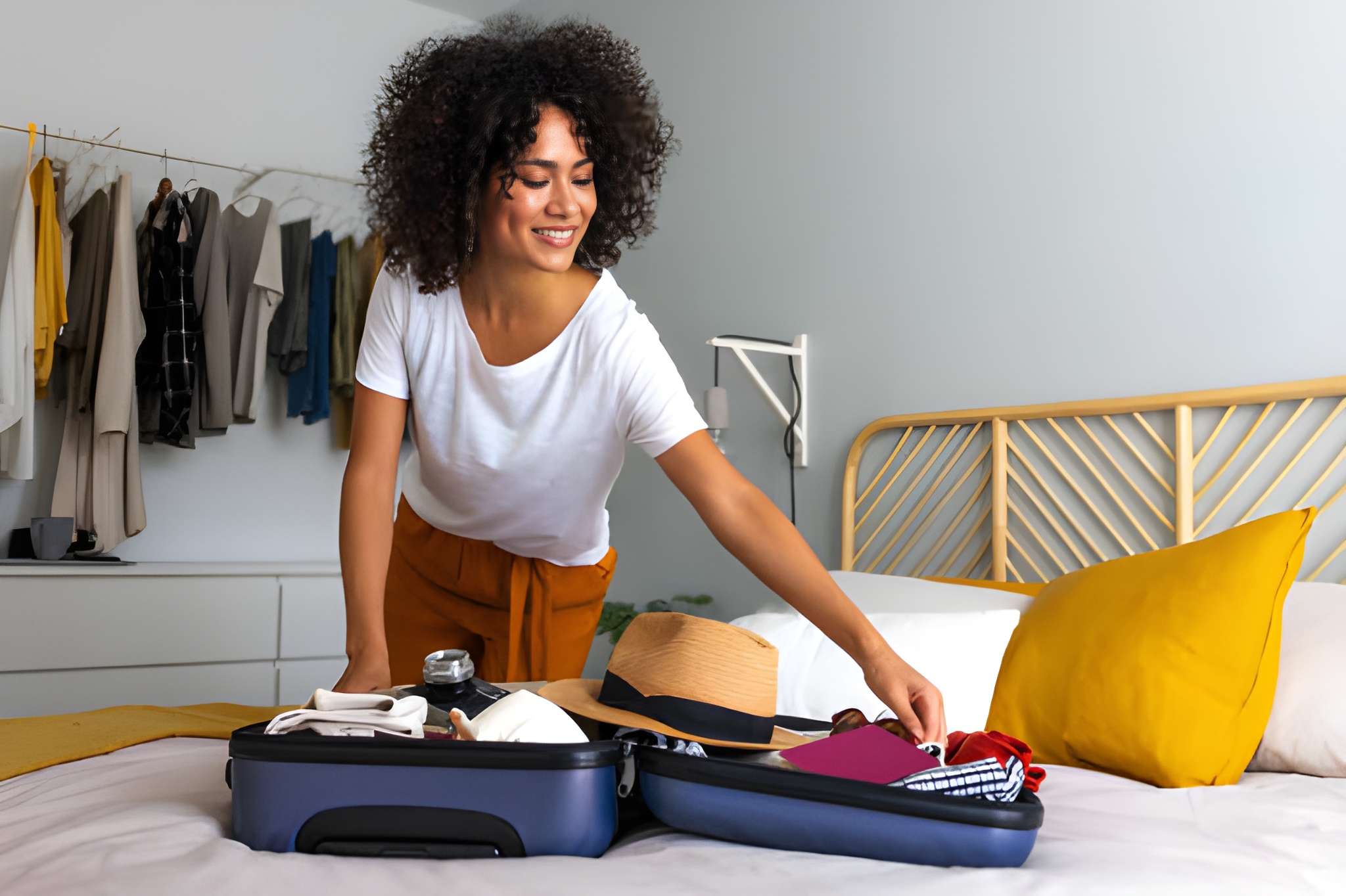
Packing sounds simple until you are trying to close your suitcase with one hand while you beg the zipper to cooperate. The good news is that you do not need fancy tricks to pack well. We just need a clear plan and a few habits that keep your bag organized.
When we pack with intention, you spend less time hunting for stuff in the middle of a trip, and you avoid that stressful moment at the airport when you realize your essentials are buried under everything else.
This guide comes straight from our TheMilesAcademy packing playbook, built from years of repeat trips, airport sprints, and too many “why did we bring this” moments.
Below is our full, step-by-step approach to packing a suitcase like someone who has done this a lot.
Let Your Transportation Decide How Much You Bring
Before we pick outfits, we look at how we are traveling. If you are driving, you usually have more freedom. Your bag still needs to be organized, but you are not dealing with strict size rules or a scale at the counter.
If you are flying with a carry-on, space becomes the biggest challenge. That is when we focus on lighter layers, shoes that work with multiple outfits, and items you can rewear. If you are flying with a checked suitcase, weight becomes the bigger issue.
Avoid The Surprise Your Bag Is Overweight Moment
Checked luggage can hit the limit fast. A common allowance is around 50 pounds for a checked suitcase, but rules can vary depending on airline, route, and ticket type.
We also start with the suitcase itself. A heavy suitcase uses up your weight budget before you even pack a single shirt. A lighter bag gives you more room for what you actually need.
Once we pack, we weigh the suitcase at home with a handheld luggage scale. We aim to stay a few pounds under the limit. That gives you wiggle room for souvenirs, snacks, or last-minute items you pick up during the trip.
If your suitcase is too heavy:
- Wear your heaviest shoes and jacket on travel day.
- Move dense items into your personal item if that is allowed, like chargers or a toiletry pouch.
- Swap one pair of heavy shoes for a lighter option.
- Remove one backup item you do not truly need.
Plan Outfits Early So You Stop Packing Just In Case Clothes
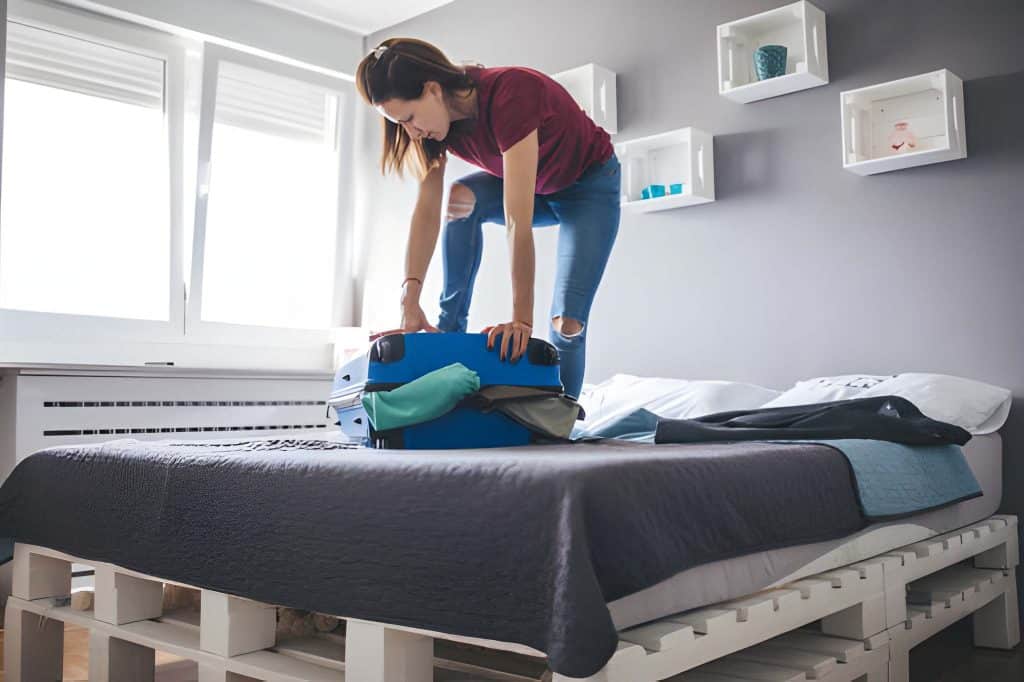
Most overpacking starts with worry. You tell yourself you might need three different options for the same situation, and suddenly your suitcase is full of clothes you never wear.
We start planning about a week before leaving. A week gives you time to think clearly and avoid late-night panic packing.
Start a simple list on your phone. Write what you plan to wear each day. Add travel essentials as they pop into your head, like a power adaptor, toothbrush, or extra contact lenses. At the beginning, your list will be too long. That is normal. The list is supposed to be messy at first.
Once everything is written down, you can edit it. You will usually notice you do not need multiple pairs of “backup” jeans or extra tops you only packed out of fear. Planning early also gives you time to buy anything you are missing, like thick socks, a basic shirt you can layer, or swimwear.
Choose Rolling Or Folding Based On What Keeps You Sane
People love to debate rolling versus folding like there is one correct answer. Both methods can work. We have tested both methods on many trips and the difference is usually small.
We use a mix because it is practical. We often fold sturdier casual pieces like jeans and thicker tops. We tend to roll items that wrinkle easily or feel more delicate. If you prefer doing everything one way, that is fine too.
The real goal is to pack your clothes neatly and tightly so you do not waste space on air pockets.
Use Every Bit Of Space Including The Spots People Forget
A suitcase has small spaces that add up. We treat those gaps like extra storage, as long as we keep things clean and organized.
If you are packing something structured like a hat box, do not let the inside stay empty. Fill it with soft items like scarves, socks, or a thin shirt.
We also use shoes as storage. If you roll socks, underwear, or a small shirt tightly, you can tuck them into boots or sneakers. This saves space and helps shoes keep their shape.
If you are worried about cleanliness, place shoes in a bag or cover the soles, then put your rolled items inside. You get the space benefit without making anything gross.
Use Packing Cubes Like A Simple Filing System
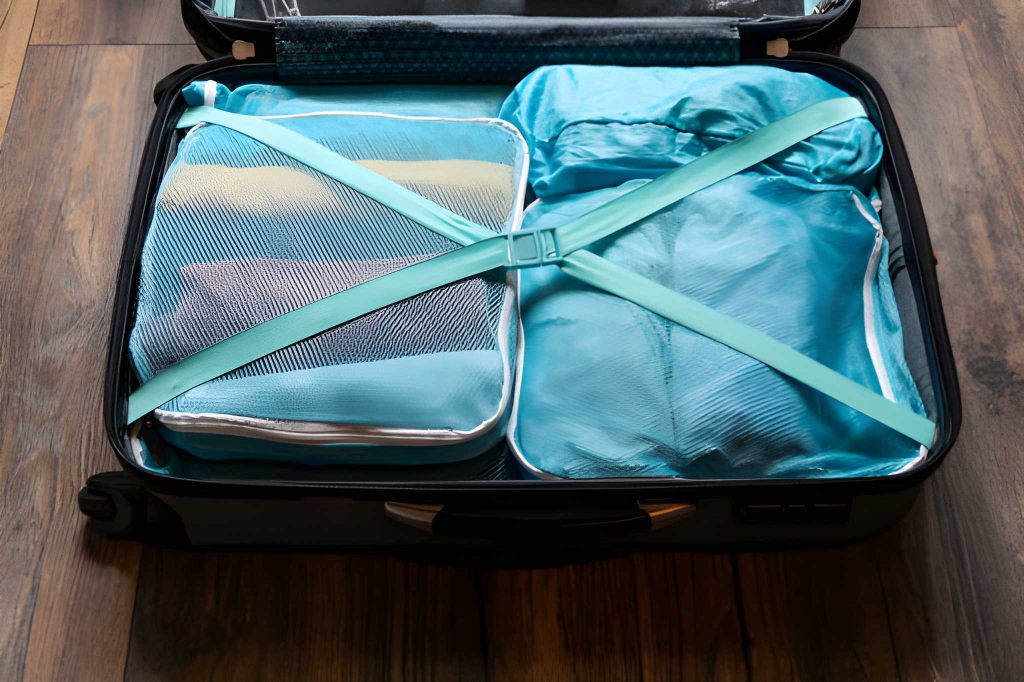
We like packing cubes because they keep categories together. You can have one for tops, one for bottoms, one for workout gear, and one for socks and undergarments. Some people prefer packing by day, which can also work if you like having a ready-made outfit for each morning.
Compression cubes can help if you need to reduce bulk, especially for thicker items. Just remember that compressing clothes can save space, but it does not reduce weight. That is important if you are close to a checked-bag limit.
Another benefit is speed. Cubes make it easier to find what you need without digging. They also make unpacking easier, because you can move a cube straight into a drawer.
Keep Dirty Laundry Separate From Clean Clothes
Dirty clothes mixing with clean clothes is how suitcases start to smell like defeat. We bring one extra empty cube you can fill during the trip with laundry.
When you get home, you can drop that cube straight into your laundry basket instead of searching through the suitcase for what needs washing.
If your trip includes wet swimwear or sweaty gym clothes, use a separate pouch so moisture and odor do not spread. The goal is simple: protect the clean stuff.
Make Toiletries Easier With Better Containers
Toiletries are one of the most frustrating parts of packing. They leak. They take up space. They create last-minute stress, especially if you have a specific skin or hair routine.
High-quality travel bottles and refillable containers are worth it because they seal better and keep your bag cleaner. Compact refillable containers that hold several days of product can also help you avoid buying tiny travel-size products right before you leave.
We also use a simple safety routine:
- Keep liquids in a separate pouch so one leak does not ruin your clothes.
- Close lids tightly and do not overfill.
- Label containers clearly so you do not mix things up.
If you are flying with liquids in a carry-on, check current airport security rules before you pack.
Join Our Free Community For Smarter Packing And Easier Trips
If you liked this packing system, you will fit right in with us. Inside our free TheMilesAcademy community, we share practical travel habits, quick checklists, and real-world tips that help you move through trips with less stress. You can ask questions, swap strategies, and learn what works from travelers who actually do this.
And if you want to make the money side of travel feel easier too, use our free Card Finder Tool. It helps you narrow down travel card options based on what matters to you, like earning points on everyday spending, getting helpful travel protections, or keeping fees low. The goal is the same as smart packing: fewer surprises, more confidence, and a smoother trip.
