
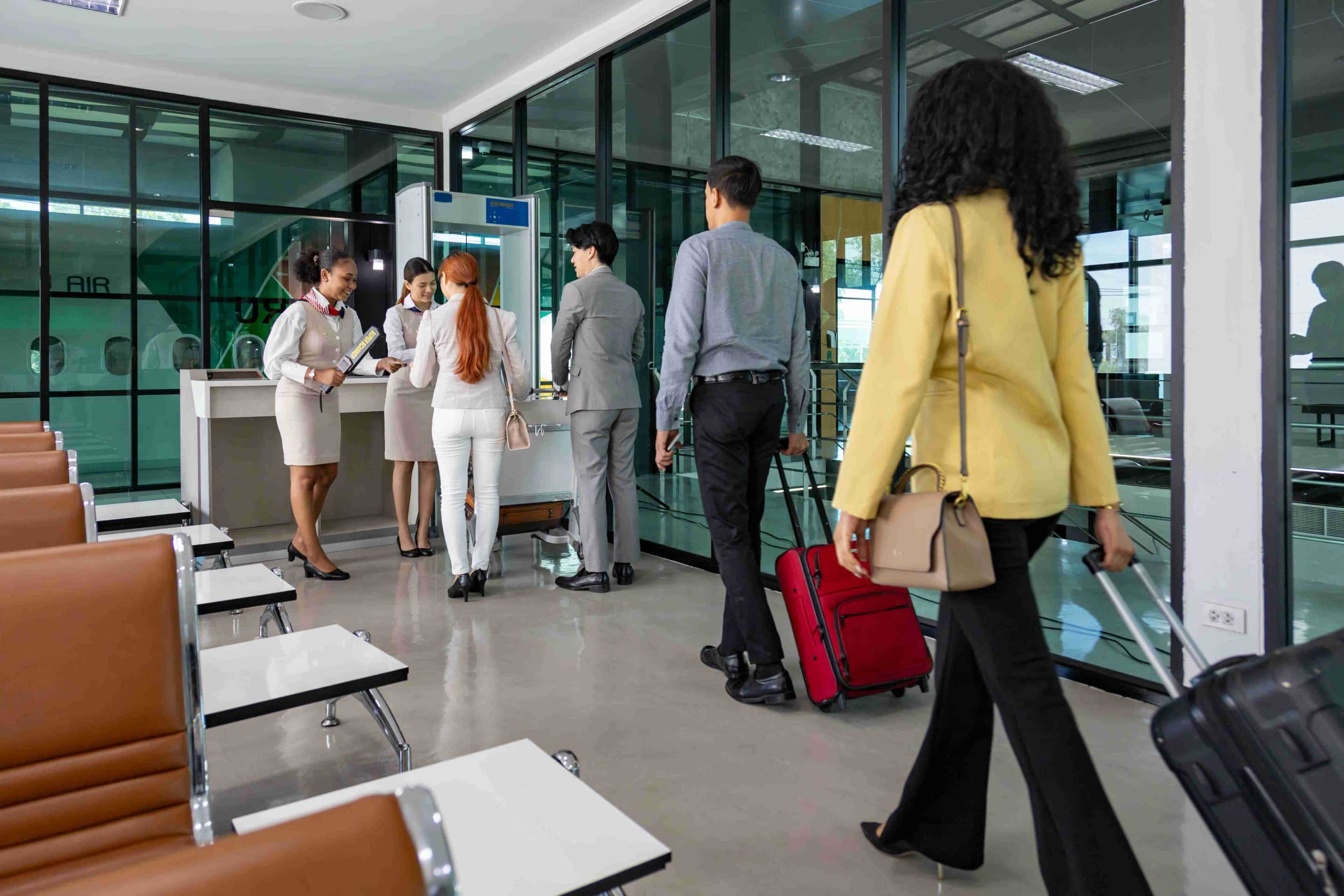
Whether you travel once in a while or you are on planes all the time, the security checkpoint is rarely anyone’s favorite part of the journey. Long lines, unclear rules, rushed agents and stressed passengers can all add friction before you even reach your gate.
The good news is that you often have more control than you think. With a bit of planning, the right airport security strategies and some smart choices about when and how you travel, you can usually move through the checkpoint faster and with less anxiety.
Many of the biggest delays come from the same few issues: lines that are longer than expected, travelers who are not ready for screening and people who do not know which options are available to speed things up. If you prepare before you leave home and choose the right fast track tools, you can often bypass the worst of the crowds.
Here are 8 practical ways to get through airport security faster.
Pack And Dress With Security In Mind
A lot of slowdowns at security happen in the trays, not in the line. People dig through messy bags, empty pockets at the last second or fight with hard to remove shoes. If you pack and dress with screening in mind, you can move faster and keep the line moving.
Start with your pockets. Before you even leave home, put coins, keys, lighters and other small items into a pouch or a zippered pocket in your bag. That way, you are not juggling loose items that can roll away or get forgotten in a tray.
Clean up your carry on. Throw out old tickets, receipts and random clutter so you are not dealing with extra paper at the belt. A tidy bag is easier to scan and easier to manage.
Organize your liquids next. Many airports still follow a 3-1-1 style rule, where liquids and gels must be in small containers of about 3.4 ounces or 100 milliliters or less and fit in one clear plastic bag. Keep that bag in an outer pocket so you can grab it quickly if asked.
Pack electronics near the top of your bag. If you are not in an expedited lane that lets laptops stay inside, you will likely need to place your laptop and larger devices in their own tray.
What you wear matters too. Choose shoes that slip on and off easily and avoid heavy jewelry or big metal buckles. A light jacket with large pockets is helpful: put your phone, wallet, passport and boarding pass in the pockets, place the jacket in a tray, then put it back on and organize your things away from the belt.
Learn The Security Rules Before You Go

A big reason security lines slow down is that travelers are not sure what needs to come out of their bags and what can stay inside. Learning the basic rules for your home airport and your destination helps you avoid last minute surprises.
If you are not in an expedited security lane, you will usually need to remove your laptop from its case and place it in a separate bin. Larger tablets, cameras and other electronics may also need their own trays, depending on the equipment used at the checkpoint.
Liquids in your carry on should follow the small container rule described earlier, and they should be grouped together in a clear plastic bag. Toss any leftover full plastic water bottles before you get to the front of the queue, and empty your reusable bottle so you can refill it later on the other side.
Regulations can differ by country and change over time, so it is smart to review the latest security guidance on your departure airport’s official website. This is especially important if you are connecting through multiple regions in one trip.
Once you are through the metal detector or body scanner, move promptly to pick up your trays. Gather your things and step away from the belt to reassemble yourself at a nearby bench or table. The faster you clear the area at the end of the belt, the faster the entire line will move.
Enroll In Trusted Traveler And Expedited Security Programs
One of the strongest ways to cut your time in security and immigration lines is to join trusted traveler style programs. These programs check your information in advance, then let you use special lanes and kiosks when you travel.
For international trips returning to the United States, some memberships let you clear immigration through self service kiosks or a mobile app. Instead of waiting in the full customs line, you scan your passport, answer a few questions and move to a shorter lane. This can turn a long wait into just a few minutes.
These fast track tools are available in more than 75 airports, and an approval usually lasts for five years. There is typically a one time fee of a little over one hundred dollars for that five year period.
On the security side, there are domestic expedited lanes that reduce what you have to remove. In these lanes, you often keep your shoes, belt and light jacket on, and your laptop and small liquids can usually stay in your bag. That means less unpacking and repacking.
These faster security lanes are available at more than 200 airports and work with many airlines. Membership generally stays valid for five years before you need to renew.
Enrollment fees and steps can vary by provider. A first time five year membership often costs somewhere in the seventy to eighty five dollar range, with online renewals usually a bit cheaper than in person ones.
To save money, review the benefits on the payment cards you already use. Some travel focused cards refund the application fee for one of these programs every four or five years, which can make your membership effectively free if you use the perk correctly.
Add A Biometric Identity Fast Track Service
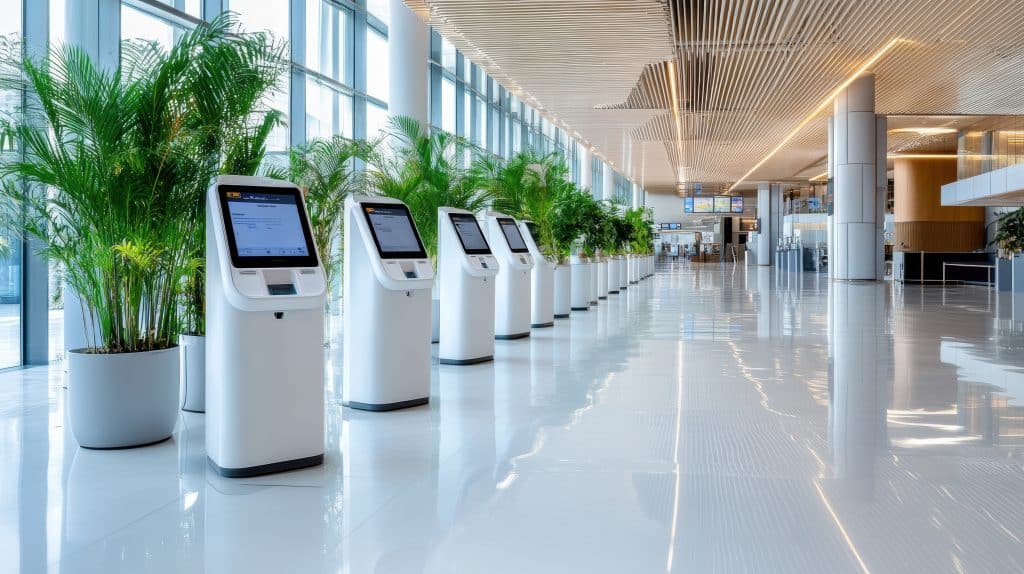
If you already use an expedited security lane, you might assume that you do not need anything else. However, there is another layer you can add that speeds up the identity check at the very beginning of the line.
Biometric identity fast track services use fingerprint scans, iris scans or other biometric tools to verify who you are. Instead of handing over a physical ID to an agent, you step up to a kiosk or scanner that confirms your identity in seconds and then directs you straight to the screening belt.
These services now operate in roughly 60 airports across the United States and are gradually expanding to more locations, including stadiums and other large venues. When you combine a biometric identity membership with an expedited security lane, you can often clear the entire checkpoint in about five minutes at many airports during typical travel periods.
A full price biometric identity membership usually costs a little over two hundred dollars per year. Many providers let you add additional adults to your account for a discounted annual fee, and children below a certain age can typically use the service with you at no extra cost. This can be a strong value if your family travels frequently.
There are also ways to avoid paying the full sticker price. Some airline loyalty programs partner with these services and offer discounts on the annual fee for members, plus deeper discounts for travelers who hold elite status.
At the highest elite tiers, membership in the biometric identity program may be complimentary. In addition, a number of top tier travel cards and core travel cards offer statement credits that cover part or all of the annual biometric membership fee.
Reserve A Time Slot In The Security Line
You do not always need a formal membership to enjoy a shorter line. A growing number of airports now let you reserve a time slot in the security queue in advance.
In some terminals, this works like a paid fast track pass. You pay a set fee for access to a shorter security line during a specific time window. In other airports, especially during busy travel seasons, you can book a free appointment style slot that lets you join a special entrance to the main checkpoint.
For example, busy terminals in cities such as New York or Orlando have offered prebooked security access that lets you bypass the regular queue at especially crowded times. In some cases, you might pay a modest fee for immediate access. In others, you simply show your reservation confirmation during your booked time window and join a separate lane.
Outside the United States, major international hubs such as London Heathrow Airport (LHR) also offer prebooked fast track options for a flat fee. These services can be especially helpful if you are connecting between flights or traveling with family and want to reduce uncertainty.
Each airport sets its own rules, costs and processes, so you need to check what is available where you are flying. Before your trip, search your departure airport’s official website for terms like “reserve security” or “fast track security” to see if you can book a spot.
Use Premium Cabins And Elite Perks For Priority Lanes

Cabin type and elite status can both help you reach a faster security lane at many airports.
When you fly in first class, business class or premium economy, airlines often give you access to separate check in counters and priority security lanes. These lanes are marked near the checkpoint and are usually much shorter than the general line, especially during busy times.
Using these lanes can remove a large chunk of waiting time when the standard line is backed up into the terminal. Instead of standing in a long maze of barriers, you move into a smaller queue that feeds straight into the screening area.
Even if you are sitting in economy, airline elite status can offer similar benefits. Many airline loyalty programs include priority security as a perk for mid tier and top tier members. Where this is available, elites can use a marked lane at the checkpoint instead of the full general line.
Sometimes this priority also extends to people traveling with you on the same reservation, though this is not guaranteed. When you reach the front of the lane, a polite request often helps your travel partner enter with you.
Remember that not every airport has separate lanes, and some only offer priority screening at certain times of day. Before you travel, check your airline’s website or app to see whether your ticket and status include priority security and which airports honor the benefit.
Check Security Wait Times Before You Leave
Modern technology gives you another tool to manage how much time you spend in security lines. Several airport focused apps and official resources now publish estimated wait times for checkpoints.
You can often check these estimates a few hours before your flight to see how busy the terminal looks. Major airports may show this information directly on their websites or inside their official mobile apps. There are also third party travel apps that crowdsource wait times from other passengers.
Use these tools as a guide rather than a guarantee. Security conditions can change quickly due to staffing, weather or sudden bursts of travelers. Even if the app shows a short line, you should still build in buffer time so you are not rushed if something changes while you are on the way.
Choose Flight Times That Avoid Peak Crowds

Finally, think carefully about when you schedule your flights. Some travel times naturally mean heavier crowds at security.
Early mornings, late afternoons and evenings at the beginning and end of long weekends tend to be especially busy. School breaks and major holidays can also push more people into the same time windows, which leads to backups at the checkpoint.
If your schedule is flexible, consider flying midday on weekdays outside peak holiday periods. These times often have lighter crowds and calmer security lines. Even when you cannot avoid peak days, choosing a slightly earlier or later departure time might help you dodge the worst of the rush.
No matter when you fly, plan to arrive with more time than you think you need. Building in a cushion for security gives you room to handle traffic, parking, check in issues or an unexpectedly long queue without panic.
Keep Learning With TheMilesAcademy
Getting through security smoothly is only one part of stress free travel. If you want more simple, practical guidance like this, you can join our free TheMilesAcademy community, where we share easy to follow tips, strategies and step by step help for travelers who want to feel more confident every time they fly.
We also give you access to our free Card Finder Tool, which helps you quickly compare different travel friendly cards and find options that match the way you spend and travel. You can use it to explore cards that earn useful rewards, help with airport perks or simply make your trips a little easier to afford.
When you combine what you learn in the community with the tools in this guide, you will have a much easier time planning trips, earning rewards and getting through the airport without feeling rushed or overwhelmed.
