

You book a flight, feel good about the price, then a few days later, it drops. That gap used to be gone for good. Now, it’s something you can recover from if you know what to do and act quickly.
Over the years, we’ve watched airline pricing evolve from rigid rules to something far more flexible. That shift quietly opened one of the most useful travel tactics today. Book early, track the price, and claw back the difference when it dips.
Why Flight Prices Drop After You Book
Airlines don’t set one fixed price and leave it there. They constantly adjust fares based on demand, competition, and how quickly seats are selling.
If a flight isn’t filling as expected, prices can drop to stimulate demand. If bookings surge, fares climb again. This push and pull happens daily, sometimes multiple times a day.
That’s why you’ll often see a price dip shortly after booking. The system recalibrates once it has more data on how that flight is performing.
What Changed That Makes This Strategy Work

Not long ago, a price drop meant nothing unless you canceled and paid a penalty. That made rebooking pointless in most cases.
Now, most standard tickets come with flexibility. You can cancel and receive a travel credit instead of losing your money. That single change is what makes price tracking powerful.
You’re no longer locked into your original fare. You have a window to adjust if the cost shifts in your favor.
How Flight Tracking Tools Actually Operate
These tools plug into your booking confirmation and monitor the price of your exact itinerary. You either forward your confirmation email or connect your inbox, and the system handles the rest.
Once your trip is tracked, the tool checks for price changes behind the scenes. If it finds a lower fare for the same route and timing, it flags it.
Some platforms notify you so you can act. Others go further and request the price difference as a credit on your behalf.
The key advantage is consistency. You don’t have to keep checking manually or worry about missing a short-lived drop.
What You Get Back When Prices Fall
You won’t see cash returned to your bank account. Instead, the airline issues a travel credit equal to the difference.
That credit sits in your profile and can be used for a future booking. Think of it as prepaid value you didn’t have to earn through points or promotions.
Most credits come with an expiration window, often around one year. That makes them easy to use if you travel even a few times a year.
The Catch Most People Overlook
These tools are not free in the traditional sense. They take a percentage of the savings they generate. If they recover a price drop, you share part of that amount. If nothing changes, you pay nothing.
For occasional travelers, that trade-off works well. For frequent travelers, you might prefer doing it yourself and keeping the full savings.
A Simple Example That Happens All the Time
You book a round-trip ticket for $300. Two days later, the same flight drops to $260.
If your ticket allows changes, you can cancel and rebook at the lower fare. The $40 difference becomes a credit in your account. Now repeat that across several trips in a year. Those small amounts add up quickly without any extra effort.
Why Booking Direct Matters More Than You Think

If you book through a third-party site, you often lose flexibility. Changes become harder, and credits may not flow cleanly back to you.
Booking directly with the airline keeps everything simple. You control the reservation, and any adjustments stay within your account.
This is one of those habits that pays off every single time you travel.
Why Using Multiple Tracking Tools Can Backfire
It sounds smart to use more than one service to monitor your flights. In practice, it creates overlap.
If two tools spot the same price drop, only one can act on it. The first one to process the change usually wins. You don’t double your savings. You just create unnecessary friction. Pick one system and let it run consistently.
Doing This Manually Still Works Well
You don’t need automation to benefit from price drops. A simple routine gets you most of the way there.
Check your flight price within the first 24 to 72 hours after booking. Then check again a few days later. Set alerts through a flight search platform so you’re notified when fares move.
If you see a lower price, log in and rebook immediately. That difference turns into a credit as long as your ticket allows it.
It takes a few minutes and often saves more than expected.
When Price Drops Are Most Likely
Timing matters, but not in the way most people think.
Price adjustments often happen shortly after tickets go on sale or after an initial wave of bookings. Midweek changes are common, especially when airlines review performance data.
You’ll also see shifts during slower booking periods when airlines try to fill remaining seats.
The takeaway is simple. Don’t chase the perfect moment to book. Lock in a good price, then monitor it.
Why This Strategy Reduces Booking Stress
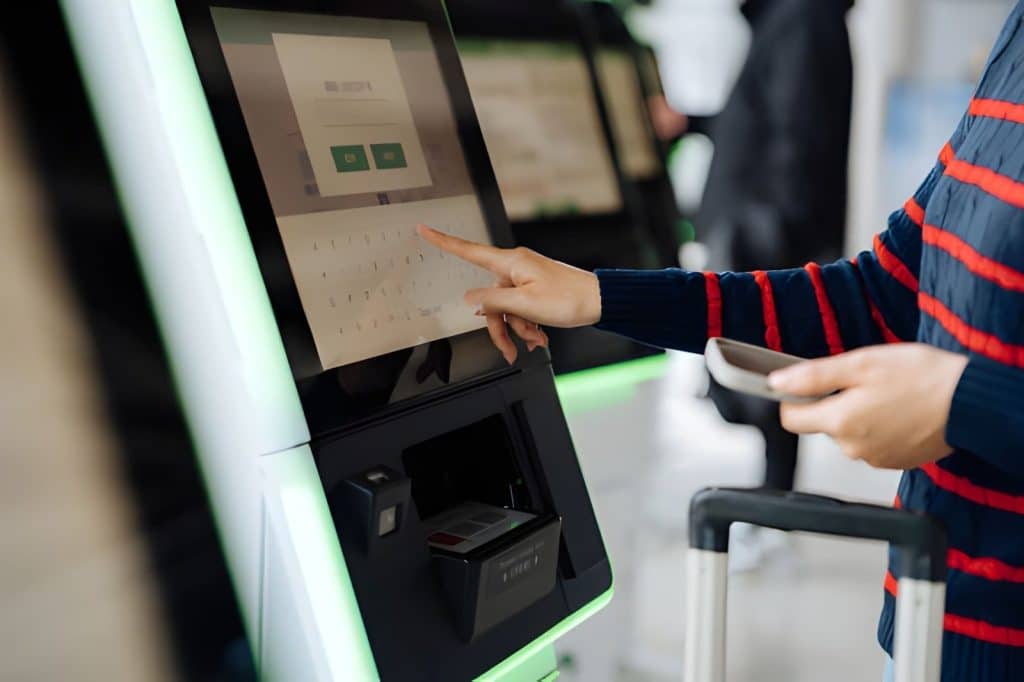
Waiting for the lowest price can backfire. Flights sell out, schedules change, and prices spike without warning.
Booking early gives you control over your plans. Tracking prices afterward gives you a second chance to improve your deal. You remove the pressure of perfect timing and replace it with a system that works in your favor.
A Practical Approach That Works Every Time
Book directly with the airline so you keep full control over your reservation. Track the price using a tool or simple alerts. Check early and act fast when you see a drop.
Stay organized with your credits so you don’t forget to use them. Treat them like part of your travel budget, not an afterthought.
Over time, this becomes second nature. You stop worrying about missing deals and start building savings into every trip you take.
Turn Price Drops Into Travel Credits
Airline pricing moves constantly. The travelers who benefit most are the ones who build a system around that movement instead of trying to time it perfectly.
Inside the community, we break down strategies like fare tracking, flexible booking tactics, and how to stack credits and points to reduce overall travel costs year after year.
If you want a travel Card setup that earns flexible rewards on flights you’re already booking and gives you more leverage when prices shift, compare options using the smart card match tool and align your earning strategy with how you actually travel.
Book early. Track consistently. Let the system work for you.