
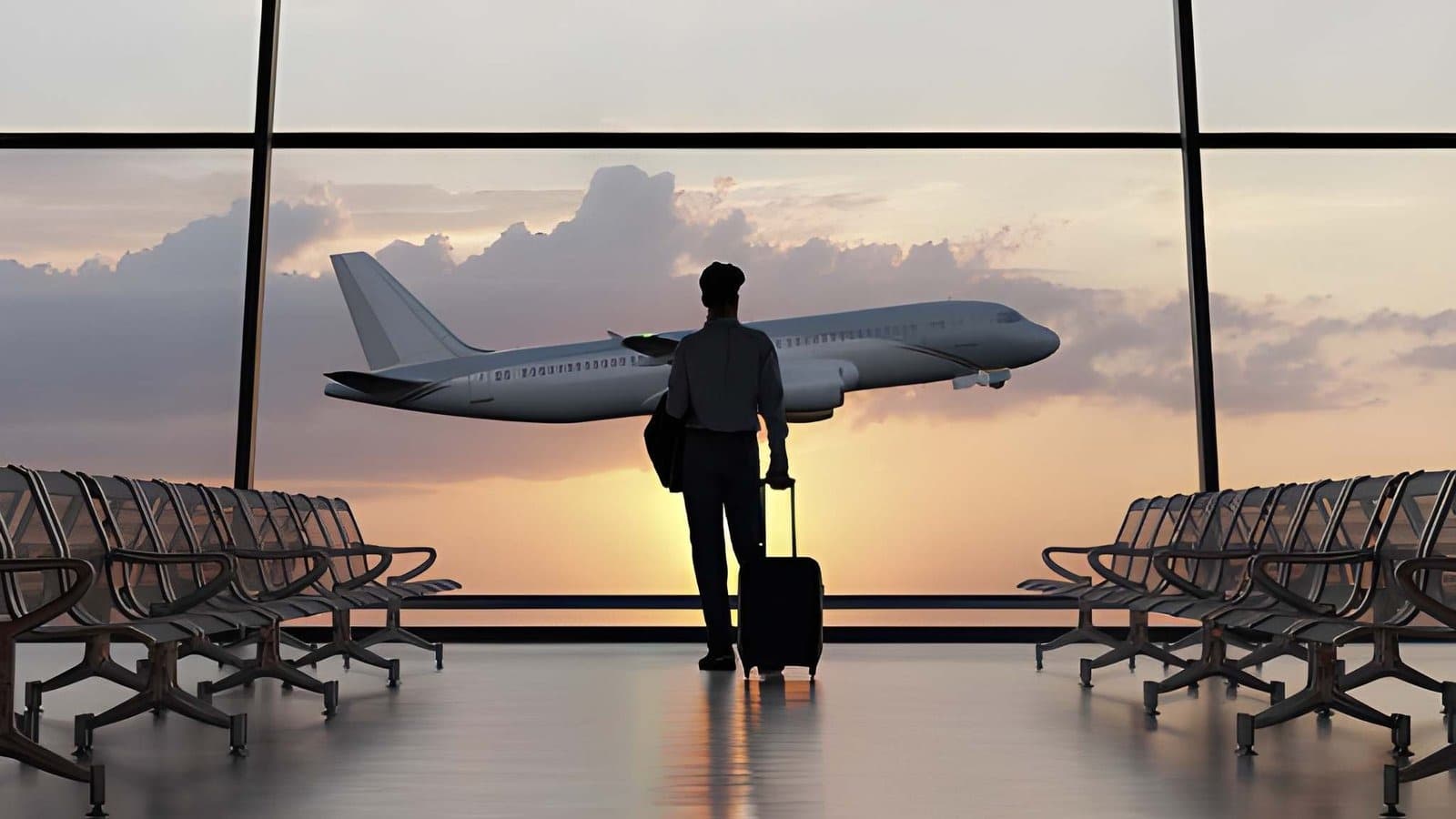
A full flight can be more useful than an empty one if you know how to play it.
Airlines sell extra seats because some passengers don’t show up. When everyone does, they need volunteers. That’s where you step in and trade a bit of time for compensation that can fund future trips.
After doing this across dozens of routes over the years, the pattern is clear. The people who benefit aren’t lucky. They’re prepared.
Why You Can’t Force A Bump
Airlines don’t guess blindly. They use historical data, booking curves, and no-show patterns to decide how many extra seats to sell.
Most of the time, they land close to perfect. The flight departs full, and no one gets asked to give up a seat.
This is why picking a busy travel day doesn’t guarantee anything. A midweek flight on a heavy business route can end up oversold, while a holiday flight may run exactly as planned.
Treat every flight as a maybe. If it happens, great. If not, you still get where you need to go on schedule.
How To Read The Signs Before You Leave Home
Start with a quick check of your flight’s availability.
If seats are still open, it’s unlikely the airline will need volunteers. If the flight shows sold out or is close to it, that’s a stronger signal.
Look one step further. Check earlier flights on the same route. If those are delayed or canceled, your flight may absorb those passengers and suddenly become oversold.
Another useful clue is seat maps. If the map looks nearly full with only scattered middle seats, you’re closer to a situation where the airline might need help.
Why Early At The Gate Beats Everything Else
By the time boarding starts, decisions are already forming.
Arrive at the gate early and approach the agent before the crowd builds. Keep it simple and direct. Let them know you’re flexible and willing to take a later flight if needed.
You’re not committing yet. You’re putting yourself on their radar.
When the numbers don’t work, agents don’t scan the entire gate area. They go to the people they have already spoken with.
How a Backup Plan Makes You The Easy Choice
Most travelers wait for instructions. That slows things down.
Pull up alternative flights before you even reach the airport. Look at later departures, connections through other hubs, and even nearby airports if they make sense.
For example, if a direct flight is full, a one-stop option that gets you there within a similar timeframe can solve the airline’s problem quickly.
When you suggest a workable option, you move from being a passenger to being part of the solution. That matters more than most people realize.
When Compensation Starts To Climb
Airlines don’t start with their highest offer.
They begin low and increase the amount until enough people step forward. If they only need one seat, the offer may stay modest. If they need several, you’ll often see it rise in stages.
Watch how the agent communicates. If they’re making repeated announcements or calling for multiple volunteers, you have leverage.
You can ask for a higher amount, but you can also shape the outcome in other ways. A better flight, a confirmed seat in a higher cabin, or a routing that avoids a long delay can all be part of the conversation.
Why Your Behavior Changes The Outcome
Gate agents deal with pressure, delays, and constant interruptions.
The person who stands out is the one who makes things easier. Stay nearby, respond quickly, and avoid hovering or interrupting while they’re handling other passengers.
A simple line like “I’ll be right over there if you need me” goes a long way.
When decisions need to be made fast, agents choose the person who is present, responsive, and low effort to work with.
Why Nothing Is Final Until The Last Minute
You can agree to everything and still end up on your original flight.
Passengers can appear at the last second. Seats can open due to operational changes. Someone might misconnect and free up space right before departure.
That’s why you stay close to the gate and keep your belongings with you. Until the door is about to close, the situation can flip.
It’s part of the process. Expect some uncertainty, and you won’t be caught off guard.
How To Use This Without Disrupting Your Plans
This works best when your schedule has room to move.
If you need to be somewhere at a fixed time, skip it. The upside isn’t worth the stress. But if you have flexibility, this becomes a useful way to offset travel costs.
Think of it as a side strategy. You’re already flying. You’re simply positioning yourself to benefit if the opportunity appears.
A bit of preparation turns an overbooked flight into something far more useful than just a seat.
Turn Overbooked Flights Into Opportunity
Overbooking is part of how airlines operate. Most travelers see it as a risk. Experienced travelers see it as leverage when timing and flexibility align.
Inside the community, we break down how to position yourself for voluntary bumps, negotiate compensation intelligently, and turn airline disruptions into future travel value.
If you want a travel Card setup that strengthens your backup options with lounge access, trip protections, and flexible rewards for rebooking, compare options using the smart card match tool and align your strategy with how you actually fly. A full flight isn’t a problem. It’s potential.