

Every flight experience is built from two very different layers. One stays the same no matter who’s working the cabin or what route you’re flying. The other shifts constantly, sometimes for the better, sometimes not. Travelers have long needed simple language to separate those layers, especially when comparing premium cabins. That’s where the idea of hard product and soft product comes from.
Understanding the difference saves time, frustration, and unrealistic expectations. It explains why two flights that look identical on paper can feel miles apart once you’re onboard.
Hard Product And Soft Product At a Glance
| Category | What It Covers | Typical Examples |
|---|---|---|
| Hard product | Fixed, physical features installed on the aircraft | Seat design, layout, privacy, storage, screen size |
| Soft product | Elements that can change between flights | Food, drinks, service style, bedding, amenities |
| Mixed areas | Features with both fixed and variable parts | Entertainment systems, onboard internet, cabin lighting |
Hard Product Is The Aircraft Itself
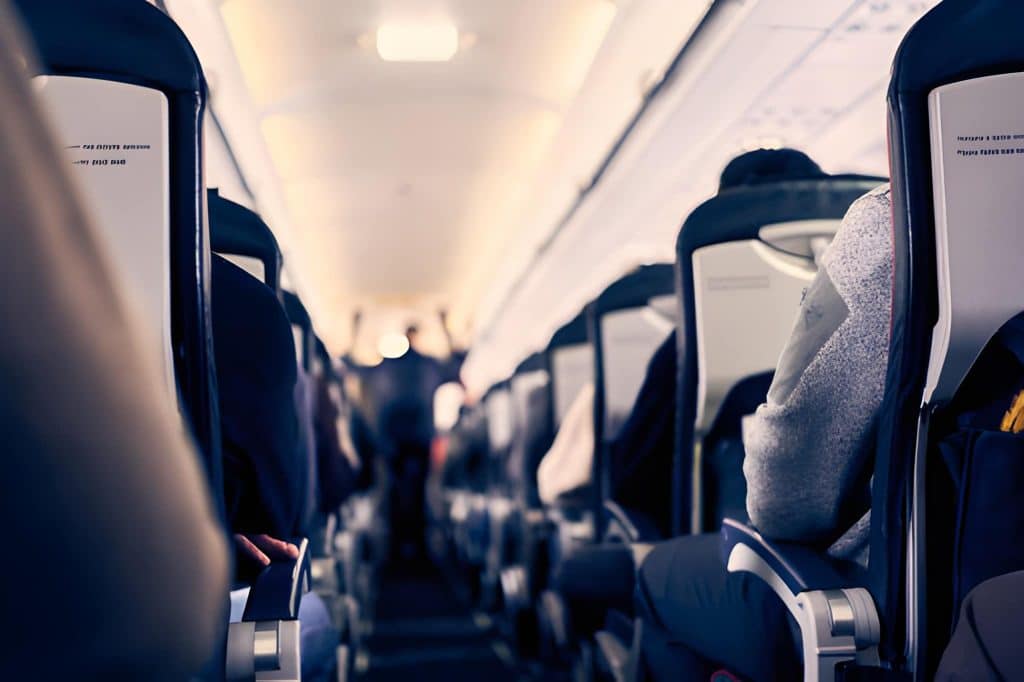
Hard product refers to everything physically built into the plane. These are features that don’t change based on crew, catering, or schedule.
Seats sit at the center of this category. Their width, shape, padding, recline, privacy, and footwell space are locked in once an aircraft is configured. If a seat works well for your body and sleep style, it will work the same way every time you board that aircraft type.
Other hard product elements include screen size and placement, storage cubbies, tray tables, lighting hardware, lavatory layout, and any special onboard facilities like lounges or shower spaces. Changing these requires major refits, not small adjustments.
Hard products define physical comfort. It determines whether you can stretch, sleep, work, or relax without fighting the space around you.
Why Hard Product Feels So Predictable
Hard products deliver consistency. Once you’ve flown a specific seat and know its strengths and limits, surprises are rare.
That consistency matters most on long flights. Overnight routes magnify every design flaw. A narrow footwell or awkward seat angle doesn’t improve with better food or friendlier service.
Experienced travelers often anchor their planning around hard products first. If the seat doesn’t work, nothing else fully makes up for it.
Soft Product Is Everything That Moves
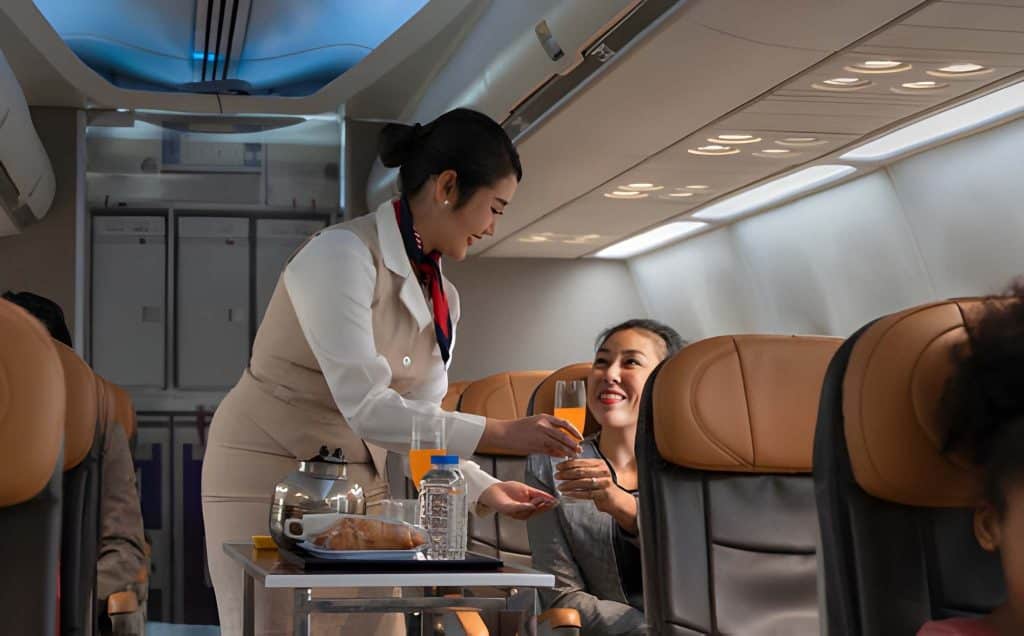
Soft products cover the parts of the experience shaped by people, timing, and logistics. These elements can change from flight to flight, even on the same route.
Food is the clearest example. Menus vary by departure city, time of day, and catering partner. A dish that tastes fresh and thoughtful on one flight might feel rushed or uninspired on another.
Service lives here, too. Crew energy, pacing, attentiveness, and communication style all influence how the cabin feels. Some crews elevate an average setup. Others deliver a quiet, efficient experience that feels very different.
Amenities like bedding, pillows, blankets, and small comfort items also fall into this category. Even presentation and cleanliness vary more than many travelers expect. Soft product is where personality enters the flight.
Why Soft Product Changes So Much
Soft products depend on people and supply chains. Crews rotate. Catering quality differs by airport. Equipment substitutions happen. Small delays ripple through service flow.
Because of that, soft products are harder to control tightly. Airlines can set standards, but execution shifts constantly.
This variability explains why opinions about the same cabin can conflict. One traveler remembers an excellent meal and warm service. Another remembers an average experience. Both can be correct.
Where The Gray Areas Live
Some features resist clean labels. Entertainment systems illustrate this well. The screen itself is a hard product. Its size, brightness, and placement don’t change. The software, content selection, and system speed can evolve over time, making those parts feel more like a soft product.
- Onboard internet follows the same pattern. The antenna and wiring are physically installed, placing them in the hard category. Performance depends on route, weather, and network load, which feels variable to passengers.
- Lighting programs blur lines, too. The fixtures are fixed. How they’re used depends on flight length, timing, and crew preference.
These mixed areas explain why travelers sometimes disagree on definitions. They’re reacting to different layers of the same feature.
Which Matters More Depends on The Trip
Hard and soft products don’t compete. They complement each other.
- On overnight flights, hard products usually carry more weight. Sleep quality depends on seat design, privacy, and space. A strong soft product can’t fix a seat that doesn’t support rest.
- On daytime flights, soft products often matter more. Good service, enjoyable meals, and thoughtful pacing shape how the time feels.
Trip length matters too. Short flights highlight service touches. Long flights expose physical limitations.
How Seasoned Travelers Use This Framework
Experienced travelers plan with hard products and ride with soft products. When choosing flights, they focus on seats, layout, and comfort first. Those elements set the floor for the experience. Once onboard, they judge a soft product on its own terms and enjoy it when it shines.
This approach reduces disappointment. You stop expecting consistency where it isn’t possible and focus on what’s actually within control.
Why Reviews Can Feel Confusing
Online reviews often mix hard and soft product feedback without distinction. One person complains about the food. Another praises the seat. A third criticizes the service.
Without context, those reviews feel contradictory. With this framework, they make sense. They’re describing different layers of the same experience. Reading reviews through this lens helps you extract useful signals instead of noise.
Why Travelers Argue Past Each Other
Many debates about airline quality stall because people value different things. One traveler prioritizes seat comfort above all else. Another cares most about food and service. Without separating hard and soft products, those preferences clash.
Once the distinction is clear, disagreements make more sense. People aren’t contradicting each other. They’re weighing different parts of the experience.
The Practical Value Of Knowing The Difference
Hard and soft products aren’t abstract ideas. They’re tools. They help you compare flights more accurately, understand why experiences vary, and decide what matters most for your travel style.
They also help manage expectations. When you know what’s fixed and what’s flexible, surprises feel smaller, and satisfaction grows.
What This Means For Frequent Flyers
The aircraft sets the stage. The crew and service fill in the details. Some flights win because the foundation is strong. Others shine because the people onboard elevate the moment. The best experiences combine both.
Once you learn to separate these layers, airline experiences stop feeling random. They become easier to evaluate, easier to compare, and easier to enjoy on their own terms.
Judge Flights By What Actually Changes And What Doesn’t
Hard product and soft product explain why some flights feel predictable, and others feel hit or miss. Learning that distinction helps travelers compare cabins realistically and avoid false expectations. Inside The Miles Academy, people break down seats, layouts, and service patterns so choices are based on structure, not hype.
When you’re sorting the practical side of travel setup and spending, the card finder tool helps narrow options quickly without adding noise.
