
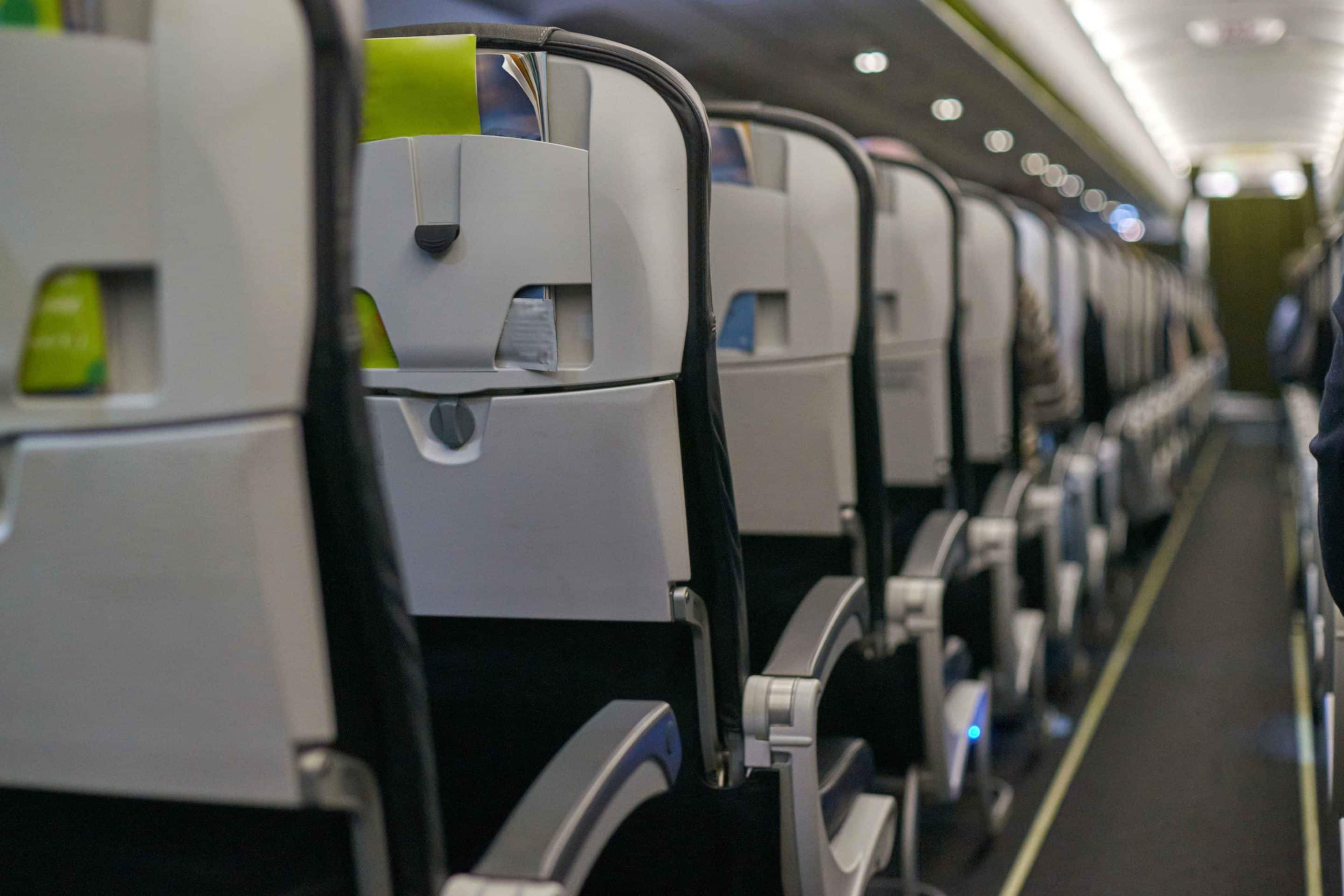
You might start a trip picturing yourself stretched out with extra legroom and a drink in hand. Then you check in and suddenly you are holding a boarding pass for a middle seat in the main cabin instead of the premium seat you booked. Few things deflate a vacation or business trip faster than finding out you have been moved to a lower cabin.
The upside is that involuntary downgrades are still uncommon for most travelers. They usually happen because of specific operational problems, such as a last minute aircraft swap, a broken seat, or a change in the number of usable seats in a cabin.
The downside is that when it happens to you, it feels personal and unfair. That is when knowing your rights and understanding how compensation works can take you from feeling powerless to feeling prepared.
Understand Your Passenger Rights
When your cabin changes without your consent, it helps to know what choices you really have and what fair treatment looks like.
If your cabin is changed, the first thing to remember is that you do not always have to accept the new seat. In some situations you can say no to the downgrade and ask to be rebooked into the original cabin you paid for on a later flight. That can sound appealing if you were counting on a lie flat seat, a quieter section of the plane, or upgraded meal service.
There is an important trade off, though. Turning down the downgrade may mean waiting a long time before another premium seat opens up. Experienced travelers have seen cases where the next business class seat on the route did not become available for several days. If you have fixed plans, a tour, a cruise, a work event, or a tight connection, that kind of delay may not be realistic.
What Compensation You Can Expect
If you accept the downgrade and travel in the lower cabin, you should expect some type of compensation. In the United States, there are currently no federal rules that set a standard amount or timeline for downgrade compensation. Each airline follows its own policies, which can make the situation feel unclear.
Even without a single federal rule, most airlines will generally refund at least the fare difference between the cabin you originally paid for and the cabin where you actually sit. Many carriers may also offer extra gestures of goodwill.
That might mean additional miles or points in your frequent flyer account, a travel credit that you can use on a future trip, or a one time upgrade certificate to apply to another flight. These extras are not guaranteed, but they are common tools airlines use when they are trying to make things right.
Sometimes the airline will automatically issue a refund or credit after the downgrade, especially if it happened well before departure. We still encourage you to speak up and be your own advocate. If you paid for a higher level of service and did not receive it, you are fully within your rights to request an adjustment.
Contracts Of Carriage And Baseline Rights
The exact amount you are owed is ultimately controlled by the airline contract of carriage. This is the long legal document that you agree to when you buy a ticket. Buried in that fine print are the rules that describe what happens if your cabin changes. The wording differs from one airline to another, so it helps to review those terms on the carrier website or to ask an agent to show you the section that applies when you discuss your claim.
Even with different contracts, there is a basic principle that many consumer advocates and front line agents follow. Wherever you are flying and whichever airline operates the route, you should at least receive the difference between what you paid for your original cabin and the value of the seat in the lower cabin where you were placed. That is the minimum expectation.
In most cases you are not entitled to a full refund of the entire ticket if the airline still transported you to your destination. From the airline perspective, their primary duty is to move you from your departure city to your arrival city. If they get you from point A to point B, they can argue that they have met the core part of the contract. The downgrade changes the quality and comfort of the journey rather than the basic fact that you traveled.
Passenger protections in Europe work differently. Under a rule widely known as EU Regulation 261, travelers who are involuntarily downgraded on flights leaving from an airport in the European Union, or on flights to the EU that are operated by an EU based carrier, may qualify for a percentage refund of the ticket price. The percentage depends on the flight distance and can be substantial, often falling in the range of about 30 to 75 percent of the fare.
Steps To Take When You Are Downgraded
If you find out that your seat has been downgraded, timing and organization both matter.
Act Quickly When You Get The Notification
If the airline tells you about the downgrade before you reach the airport, contact the carrier right away. Use the phone number in your confirmation email, the messaging tool in the airline app, or the chat feature on the website. Explain that your cabin changed and ask if there are other flights on the same day that still have seats in the cabin you originally booked.
When you speak to an agent, state your priorities clearly. If staying in a premium cabin is more important than arriving at a certain time, say that at the start. If arriving on schedule is critical because you have an event, a tight connection, or work commitments, explain that instead. Agents usually have a few ways to help, but they need to know what you care about most.
Talking To Agents At The Airport
At the gate, you can ask questions like:
- Are there later flights today with open seats in my original cabin?
- Can you rebook me on a different route that still has premium space available?
- What compensation can you offer now if I accept this downgrade and stay on this flight?

Talking face to face can sometimes lead to faster solutions, since agents can see your situation, pull up the seat map, and add clear notes to your reservation.
If you cannot fully resolve the issue at the airport, keep going once you get home. Reach out to the airline customer care team as soon as possible after your trip. Use whatever method you prefer, such as email, a secure contact form, private social media messages, or the feedback feature inside the airline app.
Following Up After Your Trip
When you write or speak with the airline, include as many useful details as you can. At minimum, share:
- Your full name and contact information
- Your confirmation or booking number
- Flight numbers and travel dates
- The cabin and seat you originally booked
- The cabin and seat you actually flew in
- A short explanation of when and how you found out about the downgrade
Screenshots of your original seat assignment, booking confirmation page, or app notifications are powerful evidence. They help the airline verify your story quickly and reduce back and forth messages.
If an airport agent already promised you miles, a credit, a voucher, or a refund, mention that in your follow up. Ask the airline to confirm what was promised and how long it will take to process. If you do not hear back within a reasonable time frame, send a polite follow up asking for an update and referencing your earlier message.
If you still feel you were treated unfairly or the airline does not follow its own written policies, you may be able to file a complaint with a consumer protection agency in your region. Most travelers will not need to take this step, but it is a useful backup in more serious cases.
Ways To Lower Your Downgrade Risk
You cannot remove the risk of a downgrade entirely, but you can stack the odds a bit more in your favor.
Some causes of downgrades are completely outside your control, such as a last minute aircraft change, a safety issue with a seat, or a cabin that must be closed for operational reasons.
Holding elite status in an airline loyalty program is one factor that often helps. When the airline has to decide who stays in the premium cabin and who might be moved, passengers with higher status levels are usually given priority to keep their seats. It is not a guarantee, but it can act like a buffer in tight situations.
The type of fare you choose can also affect your odds. Flexible or higher priced fare classes in the same cabin often rank higher on the priority list than heavily discounted tickets. If you are deciding between two similar options and one is slightly more flexible or less discounted, that fare may be less likely to be downgraded if the cabin is reshuffled.
Smart Day Of Travel Habits
Checking in early is another simple habit that can work in your favor. Travelers who wait until the last minute to check in may have fewer options if the airline is already adjusting the seat map behind the scenes. By checking in as soon as the window opens, you signal that you are present and you may lock in your seat assignment before any reshuffle happens.
Traveling with a companion can also influence who is chosen for a downgrade. Solo travelers are often more likely to be moved than couples or families. It is much easier for the airline to move one person to a different cabin than to reseat several people together. If you travel alone frequently, you cannot change that fact, but it helps to understand why solo flyers often feel like they are targeted first.
Connect With Other Travelers And Plan Smarter
Dealing with a downgrade is easier when you know you are not the only one who has gone through it. Inside our free TheMilesAcademy community, you can compare experiences with other travelers, share what worked when they pushed for fair compensation, and learn practical strategies for handling schedule changes, rebooking’s, and cabin reshuffles.
If you want to use your trips to build long term value instead of just reacting when things go wrong, our free Card Finder Tool can also help. You can use it to match your travel style with cards that earn rewards, help offset trip costs, or add useful travel protections, all without guessing.
When you combine a clear understanding of your rights with smarter card choices and a community that has your back, you put yourself in a much stronger position the next time your plans are disrupted.
