
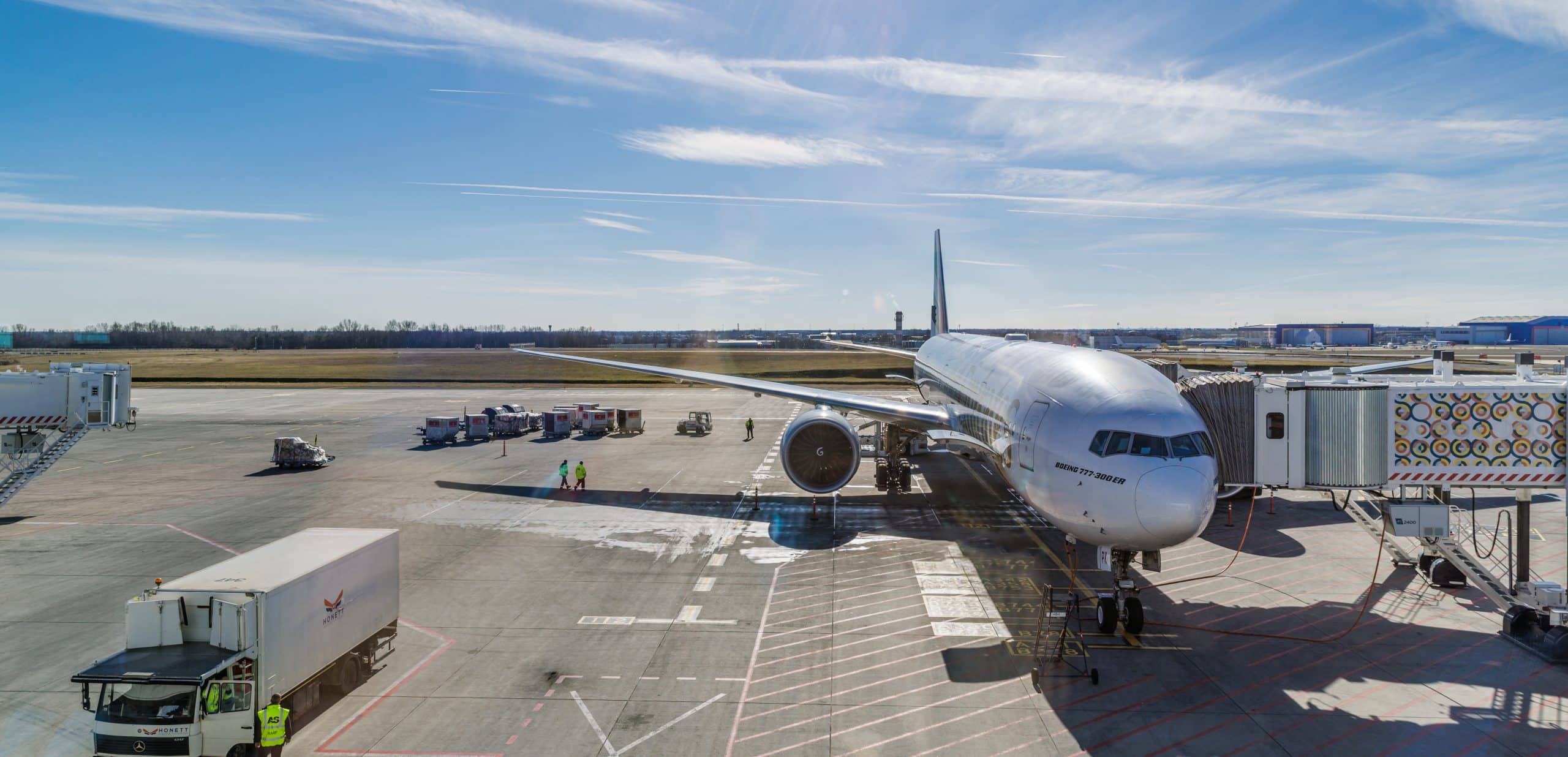
We’ve long been curious about the global footprint of true international first class, so we analyzed the data and are sharing our findings. If you enjoy aviation details, this breakdown will be right up your alley.
The Varying Size of International First Class Footprints
International first class sits at the peak of commercial flying. Some industry leaders believe it’s fading, while others say demand remains healthy and continues to justify investment. For clarity, we are talking about long haul, multi cabin aircraft that include a dedicated first class cabin. This is not the same as domestic front cabin seating in the United States that is often marketed as first class. That distinction trips up many travelers from outside the United States.
At the moment, our count shows 24 carriers worldwide that still offer an international first class product. We have ranked the biggest first class footprints before, and we often discuss standout lounges, yet a different question reveals another angle. Which carriers actually install the most physical first class seats across their fleets, and how many aircraft still carry the cabin at all?
To answer that, we tallied how many planes in each fleet include first class and multiplied by the installed seat count to estimate the total footprint. The approach is straightforward, but a few judgment calls can shift the totals slightly. For example:
- How should parked aircraft be treated, especially when some are in long term storage and others are in short maintenance downtime.
- How should we handle cabins that are changing configuration where final seat counts are not fully consistent across subfleets.
- What about aircraft that retain first class seats but where the cabin is not always sold as such on every route.
We recognize that interpretations may vary slightly depending on methodology. With that in mind, here is the snapshot of how many international first class seats you will find at carriers that still operate this cabin. We sort by the total number of first class seats installed across the fleet. Counts can change as airlines refit cabins or retire aircraft.
Best Cards with Special Offers
Total First Class Seats by Carrier
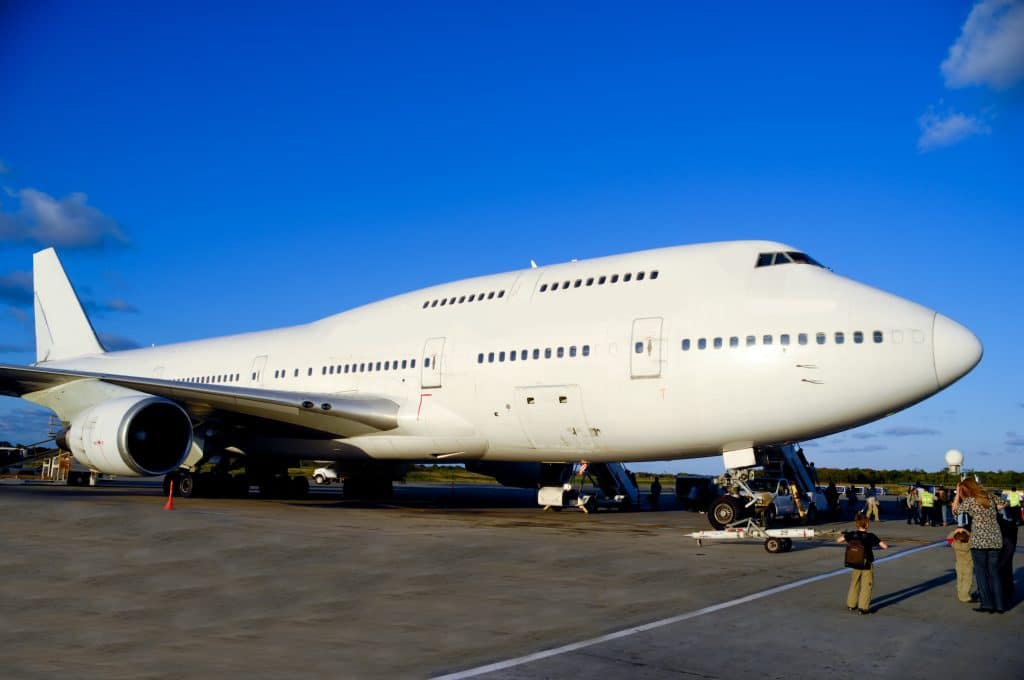
Below are the fleets with international first class, shown as aircraft count and total installed first class seats across each fleet. We keep every entry from our source notes and present them in descending order of total seats.
- Emirates has 201 planes with first class, with a total capacity of 2,214 seats.
- British Airways has 76 planes with first class, with a total capacity of 680 seats.
- Korean Air has 35 planes with first class, with a total capacity of 294 seats.
- Lufthansa has 41 planes with first class, with a total capacity of 283 seats.
- SWISS has 30 planes with first class, with a total capacity of 240 seats.
- Air China has 25 planes with first class, with a total capacity of 220 seats.
- Singapore Airlines has 34 planes with first class, with a total capacity of 160 seats.
- American Airlines has 20 planes with first class, with a total capacity of 160 seats.
- Japan Airlines has 20 planes with first class, with a total capacity of 140 seats.
- Qantas has 10 planes with first class, with a total capacity of 140 seats.
- All Nippon Airways has 16 planes with first class seats, with a total capacity of 128 seats.
- China Eastern has 20 planes with first class, with a total capacity of 120 seats.
- Etihad Airways has 14 planes with first class, with a total capacity of 114 seats.
- Air India has 19 planes with first class, with a total capacity of 100 seats.
- Qatar Airways has 14 planes with first class, with a total capacity of 100 seats.
- Saudia has eight planes with first class, with a total capacity of 96 seats.
- TAAG Angola Airlines has eight planes with first class, with a total capacity of 94 seats.
- Air France has 21 planes with first class, with a total capacity of 84 seats.
- Kuwait Airways has 10 planes with first class, with a total capacity of 80 seats.
- Cathay Pacific has 13 planes with first class, with a total capacity of 78 seats.
- Starlux Airlines has 10 planes with first class, with a total capacity of 40 seats.
- Xiamen Air has six planes with first class, with a total capacity of 24 seats.
- Thai Airways has three planes with first class, with a total capacity of 24 seats.
- Garuda Indonesia has one plane with first class, with a total capacity of eight seats.
Airports Commonly Serving International First Class
Below we list major airports around the world where international first class services and lounges are typically available. This helps you plan ground experiences alongside the in‑air cabin. Airport offerings change, so confirm current facilities and services when you book.
Europe
| Airport | Code |
|---|---|
| London Heathrow | LHR |
| Paris Charles de Gaulle | CDG |
| Frankfurt | FRA |
| Munich | MUC |
| Zurich | ZRH |
| Geneva | GVA |
| Amsterdam Schiphol | AMS |
| Madrid Barajas | MAD |
| Barcelona El Prat | BCN |
| Rome Fiumicino | FCO |
| Milan Malpensa | MXP |
| Vienna | VIE |
| Copenhagen | CPH |
| Oslo Gardermoen | OSL |
| Stockholm Arlanda | ARN |
| Helsinki | HEL |
| Brussels | BRU |
| Lisbon | LIS |
| Istanbul | IST |
| Athens | ATH |
| Warsaw Chopin | WAW |
| Dublin | DUB |
Middle East
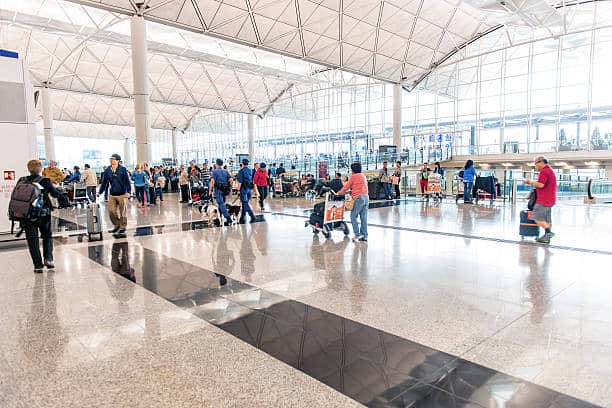
| Airport | Code |
| Dubai International | DXB |
| Abu Dhabi International | AUH |
| Doha Hamad International | DOH |
| Riyadh King Khalid | RUH |
| Jeddah King Abdulaziz | JED |
| Kuwait International | KWI |
| Muscat | MCT |
| Bahrain | BAH |
| Dammam King Fahd | DMM |
Asia
| Airport | Code |
| Singapore Changi | SIN |
| Hong Kong International | HKG |
| Tokyo Haneda | HND |
| Tokyo Narita | NRT |
| Osaka Kansai | KIX |
| Seoul Incheon | ICN |
| Taipei Taoyuan | TPE |
| Bangkok Suvarnabhumi | BKK |
| Kuala Lumpur International | KUL |
| Jakarta Soekarno‑Hatta | CGK |
| Manila Ninoy Aquino | MNL |
| Ho Chi Minh City Tan Son Nhat | SGN |
| Beijing Capital | PEK |
| Beijing Daxing | PKX |
| Shanghai Pudong | PVG |
| Guangzhou Baiyun | CAN |
| Shenzhen Bao’an | SZX |
| Xiamen Gaoqi | XMN |
| Delhi Indira Gandhi | DEL |
| Mumbai Chhatrapati Shivaji | BOM |
Oceania
| Airport | Code |
| Sydney Kingsford Smith | SYD |
| Melbourne | MEL |
| Brisbane | BNE |
| Perth | PER |
| Auckland | AKL |
Africa
| Airport | Code |
| Johannesburg OR Tambo | JNB |
| Cape Town | CPT |
| Addis Ababa Bole | ADD |
| Nairobi Jomo Kenyatta | NBO |
| Casablanca Mohammed V | CMN |
| Cairo | CAI |
| Lagos Murtala Muhammed | LOS |
| Accra Kotoka | ACC |
| Luanda Quatro de Fevereiro | LAD |
America
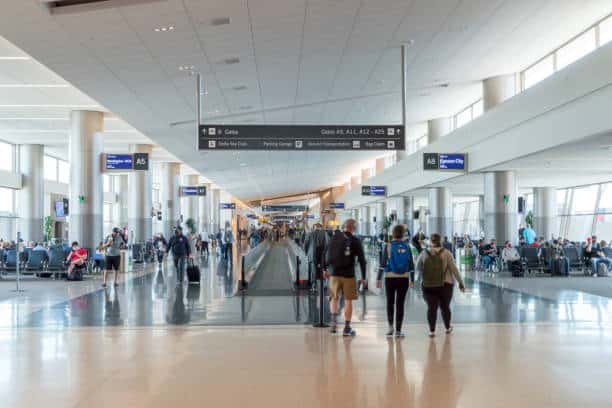
| Airport | Code |
| New York JFK | JFK |
| Newark | EWR |
| Boston Logan | BOS |
| Washington Dulles | IAD |
| Chicago O’Hare | ORD |
| Dallas Fort Worth | DFW |
| Los Angeles | LAX |
| San Francisco | SFO |
| Miami | MIA |
| Houston Intercontinental | IAH |
| Seattle | SEA |
| Toronto Pearson | YYZ |
| Montreal Trudeau | YUL |
| Vancouver | YVR |
| Mexico City | MEX |
| São Paulo Guarulhos | GRU |
| Santiago | SCL |
| Buenos Aires Ezeiza | EZE |
Airport services vary by terminal and operating carrier. Always verify lounge access rules, check‑in areas, and security requirements for your specific itinerary.
What Should We Make of These Numbers
A few themes stand out when we look at the scale of these footprints.
The Market Leader Is In A League Of Its Own
The top carrier operates more than three times as many international first class seats as the second place airline in our list. That kind of scale has ripple effects. The dedicated ground facilities for premium passengers can operate almost like private terminals rather than standard lounges, service teams are built to handle a large throughput while still delivering high touch moments, and the supply chain for premium dining, fine wines, and other elevated touches must run at volume without losing quality. The fact that the leading provider keeps standards high across such a big operation is notable.
Consistency Can Be A Strategy
One European network carrier equips every long haul aircraft with a first class cabin. That uniformity means you can expect the same cabin type on any long range route at that airline, which simplifies planning for travelers who value a guaranteed top cabin.
Boutique Offerings Still Set The Bar For Refinement
Another European carrier runs a smaller, carefully curated footprint often viewed by frequent travelers as a benchmark for elegance and ground hospitality. The footprint is intentionally limited, which keeps the product exclusive and service very individualized.
Exclusivity Can Be Literal
At the opposite end of the spectrum, one Southeast Asian carrier keeps international first class on a single aircraft. That makes it one of the hardest cabins to book globally — a true bucket-list experience for enthusiasts when schedules align.
From a network and fleet perspective, first class continues to exist where it has a clear job. On some routes, a true first class cabin helps win premium corporate contracts, on others it captures discrete luxury demand that would otherwise go to private aviation. Where it does not consistently earn its keep, airlines reallocate space to business class or premium economy that can carry more high yielding travelers per square meter.
What These Numbers Mean For You
Despite regular predictions of its demise, international first class remains very much alive at a select group of airlines, and in some corners it is even expanding. What varies dramatically is the scale. The number one operator fields more than two thousand first class seats across its fleet, while another airline keeps the cabin on a single aircraft. Between those extremes, we see carriers that choose uniform deployment for consistency and others that run boutique programs for exclusivity.
For you as a traveler, the best strategy depends on your goal. If you want the highest chance of finding space, target larger footprints. If you want a rare, white glove experience, look to the most exclusive programs. We’ll continue tracking fleet changes and update our data as cabins are refitted or retired. Always check the latest seat maps and selling rules before you book to avoid surprises.