
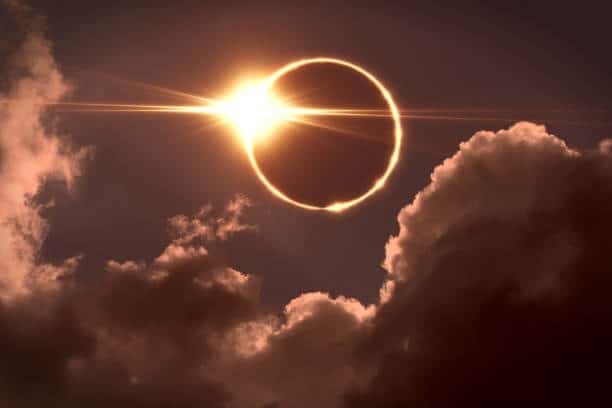
Three years. Three total solar eclipses. All visible from places people actually want to go. That combination almost never happens, and it’s why experienced travelers and longtime sky-watchers are already planning far ahead.
From 2026 through 2028, the Moon’s shadow crosses parts of Europe, Africa, Australia, and New Zealand in a tight sequence that hasn’t shown up in decades. The timing, locations, and length of these eclipses put them in a different category from the average “drive a few hours and hope for clear skies” event.
Why This Stretch Is So Unusual
Most total solar eclipses are brief and awkwardly placed. They last two minutes or less and often pass over oceans or remote regions with limited access. This stretch breaks that pattern.
Each of the upcoming eclipses offers long totality, stable summer weather, and paths that intersect cities, coastlines, and established travel routes. That matters because weather and logistics ruin more eclipse plans than anything else.
The last time total eclipses lined up this cleanly was more than a decade ago, and even then, few were this accessible.
What Makes A Total Solar Eclipse Worth The Effort
When totality begins, daylight drops fast. Temperatures dip. Birds go quiet. The sky takes on a sharp, metallic tone. You don’t just see it. You feel it. Partial eclipses don’t come close. Totality is the dividing line. That’s when the Sun’s outer atmosphere becomes visible, and the world pauses for a few minutes.
Most people who see one end up planning the next. That alone should tell you something.
August 12, 2026 Brings Europe Back Into The Picture
The first eclipse in this run arrives in mid-August 2026. Its path cuts across northern regions and parts of southern Europe, making it the first total solar eclipse visible from mainland Europe in more than a quarter century.
That long gap is why this date already stands out. Many European travelers have never had a chance to see one without crossing continents.
Where This Eclipse Works Best
Several land areas fall under the Moon’s shadow, but one island nation in the North Atlantic gets the longest stretch of totality on land, just over two minutes. That may sound short, but it’s enough time to absorb the experience without rushing.
Because much of the shadow crosses open water, coastal viewpoints and offshore positioning matter. Clear horizons help. So does flexibility.
August weather in these regions is generally cooperative, especially compared to spring or early summer.
The August 2, 2027 Eclipse Changes The Game
This is the one people will still be talking about decades from now.
On August 2, 2027, totality lasted up to six minutes. That puts it among the longest land-visible total solar eclipses in more than a century.
Six minutes may not sound dramatic until you’ve stood in totality for two. The difference is night and day.
Why Location Matters More Than Ever
The path stretches across parts of North Africa, the Middle East, and southern Europe. These regions share two major advantages.
First, clear skies are common. Desert climates and dry summer patterns mean cloud cover is less likely than in many other eclipse zones.
Second, several viewing locations sit near historic sites that have watched the sky for thousands of years. Seeing the Sun vanish above ancient landscapes adds weight to the moment in a way few places can match.
Long Totality Changes The Experience
With six minutes, there’s no rush. You can observe the sky, notice temperature shifts, and take in how the environment reacts. Shadows sharpen. Colors drain from the horizon. People around you stop talking.
That extra time turns a spectacle into something closer to a shared pause. For many longtime eclipse followers, this event alone justifies planning years ahead.
July 22, 2028 Moves The Show South
The final total eclipse in this sequence arrives in July 2028 and shifts focus to the Southern Hemisphere.
The shadow crosses parts of Australia and New Zealand, with totality lasting more than five minutes in some areas. One major coastal city will see totality for the first time since the mid-1800s.
That kind of gap is rare even by eclipse standards.
Why This Eclipse Feels Different
Remote regions along the path offer exceptionally dark skies and low population density. Some locations sit within protected dark-sky areas, where artificial light is tightly controlled.
Totality in these environments feels sharper. The contrast is stronger. The horizon glows cleaner. Subtle details stand out more clearly.
Weather patterns in these regions also favor clear winter skies, especially away from coastal cloud zones.
Annular Eclipses Fill The Gaps
Alongside the total eclipses, this period also includes three annular eclipses. These happen when the Moon passes in front of the Sun but doesn’t fully cover it, leaving a bright ring visible.
They don’t darken the sky the same way, but they’re striking in their own right.
Between 2026 and 2028, annular eclipses appear over polar regions, parts of South America, coastal Africa, and equatorial zones. Each offers a different visual experience and expands the overall appeal of this cycle.
Weather Is The Quiet Deciding Factor
People obsess over eclipse duration and forget the simplest truth. Clouds erase everything.
That’s why this three-year run stands out. Many of the best viewing areas sit in regions known for predictable summer conditions.
Dry climates, stable pressure systems, and historically low cloud cover tilt the odds in your favor. Nothing is guaranteed, but these eclipses offer better weather odds than most.
If you’ve ever traveled for an eclipse only to watch clouds roll in, you understand why this matters.
Planning Early Isn’t Optional This Time

These eclipses won’t stay quiet. Interest is already building among travelers, photographers, and science groups.
Hotels near prime viewing zones fill early. Transportation becomes limited. Late planning usually forces compromises that reduce the experience.
Planning early gives you control. You can choose locations with better weather history, wider horizons, and calmer surroundings. Waiting narrows your options fast.
Why This Sequence Feels Different From Past Eclipses
These eclipses arrive during a period when people are paying closer attention to shared moments. A total solar eclipse pulls everyone in the same direction, regardless of language or background.
For a few minutes, schedules stop. Screens go dark. Conversations pause. People look up together. That shared stillness is rare.
The Long View
Eclipses don’t care about trends or headlines. They happen on their own schedule. Miss one, and you may wait decades for another opportunity.
This sequence compresses multiple chances into a short window. Long totality. Accessible locations. Favorable weather. That combination doesn’t repeat often.
For travelers who value experiences that stay with them long after the trip ends, these years stand out.
Why Waiting Comes With Risk
Rules change. Access changes. Costs rise as interest grows. If you’re even mildly curious about seeing a total solar eclipse, this is the window that makes sense. You don’t need to chase all three. One is enough to understand why people keep going back. But missing all of them means waiting a long time for a similar setup.
The Takeaway That Matters
From 2026 through 2028, the sky offers something rare. Not just eclipses, but eclipses that are long, visible, and reachable.
You don’t need to be an astronomer to appreciate that. You just need to be there when the light drops and the world goes quiet. Moments like that don’t repeat often.
Turning A Rare Sky Event Into A Real Plan
Total eclipses don’t wait, and neither do crowds. The difference between an unforgettable experience and a cloudy disappointment usually comes down to where you stand and how early you decide.
Inside our free community, people talk through eclipse plans the same way they plan trips. Locations, weather history, crowd patterns, and backup options all get considered before dates lock in. It’s a simple way to avoid last-minute compromises.
If you’re sorting through travel options and want a clearer way to compare what fits your plans, this simplecard finder tool helps narrow choices without overload.
