

Passenger traffic tells a clearer story than headlines. It shows where people actually move, connect, and pass through at scale. Year after year, a small group of airports handles an outsized share of global travel, and the rankings rarely shift without a strong reason.
Below is the current snapshot of the world’s busiest airports based on total passenger volume. These numbers reflect how travel flows through each hub, not just how large or well-known they are.
The Top 10 Busiest Airports Worldwide
| Rank | Airport | Passengers (2025) | Previous Rank |
|---|---|---|---|
| 1 | Hartsfield-Jackson Atlanta International Airport (ATL) | 106,302,208 | 1 |
| 2 | Dubai International Airport (DXB) | 95,192,160 | 2 |
| 3 | Tokyo Haneda Airport (HND) | 91,679,814 | 4 |
| 4 | Dallas Fort Worth International Airport (DFW) | 85,660,127 | 3 |
| 5 | Shanghai Pudong International Airport (PVG) | 84,994,227 | 10 |
| 6 | Chicago O’Hare International Airport (ORD) | 84,814,099 | 8 |
| 7 | London Heathrow Airport (LHR) | 84,482,126 | 5 |
| 8 | Istanbul Airport (IST) | 84,437,710 | 7 |
| 9 | Guangzhou Baiyun International Airport (CAN) | 83,582,952 | Not in Top 10 |
| 10 | Denver International Airport (DEN) | 82,427,962 | 6 |
Why Atlanta Keeps Winning

Hartsfield-Jackson Atlanta International Airport doesn’t just rely on size. It runs on efficiency and connections.
Atlanta works as a massive transfer hub. A large portion of passengers aren’t starting or ending their trips there. They’re connecting through it. That creates a constant flow of travelers moving between flights, which drives the total count higher than almost anywhere else.
The airport also benefits from tightly scheduled operations. Planes arrive, unload, reload, and depart quickly. That cycle repeats all day, allowing more flights to pass through without requiring more runways.
Why Dubai Holds Strong Globally
Dubai International Airport plays a different game.
Instead of domestic connections, Dubai thrives on long-haul traffic between continents. Flights from Europe to Asia, Africa to North America, and beyond often pass through this hub.
Aircraft size also matters here. Larger planes with more seats increase passenger volume per flight. When those flights run consistently, the numbers add up fast.
Tokyo’s Advantage Is Location
Haneda Airport sits close to central Tokyo, which gives it a steady stream of short-haul domestic traffic.
Japan’s internal flight network runs frequently, with many routes operating multiple times per day. That frequency increases total passenger count even without relying heavily on international transfers.
Short flights, quick turnarounds, and high punctuality keep the system moving smoothly.
The Growth Story Behind Shanghai And Chicago
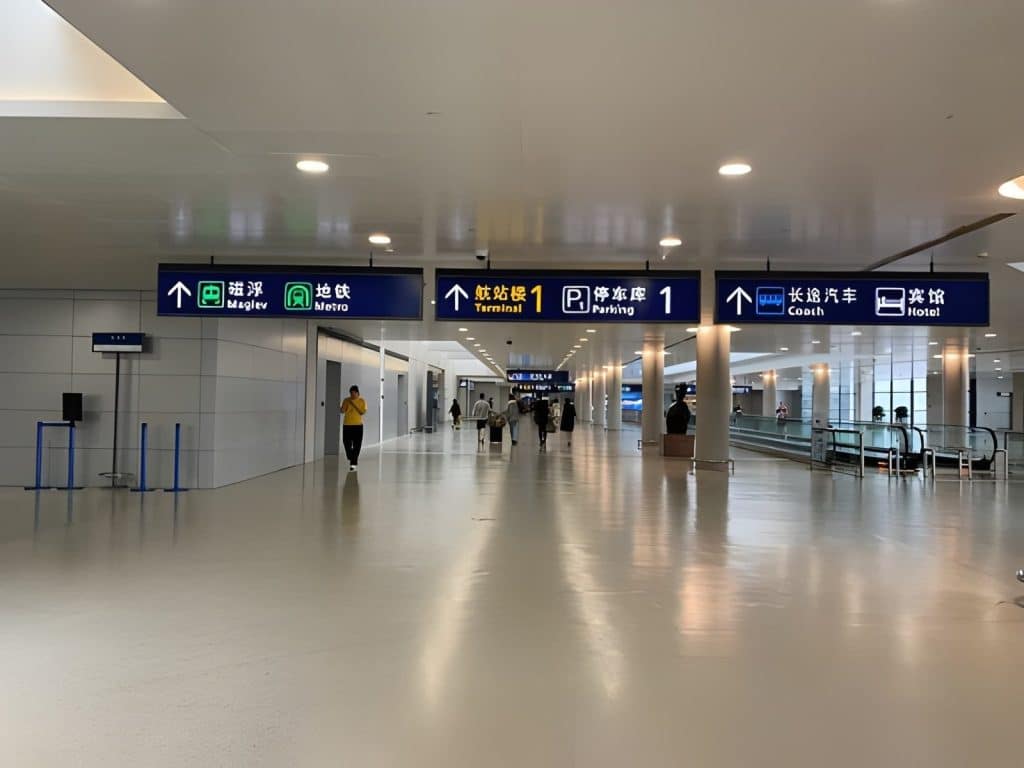
Shanghai Pudong International Airport climbed rapidly because international travel demand returned strongly. As routes reopened, passenger numbers surged across major Asian hubs.
At the same time, O’Hare International Airport expanded flight schedules significantly. More departures mean more connections, and more connections multiply passenger flow.
An increase in flights doesn’t just add volume. It creates more routing options, which draws in additional travelers.
Why Heathrow Doesn’t Expand Easily
Heathrow Airport operates under tight constraints.
Limited runway capacity restricts how many flights can operate each day. Even with strong demand, the airport cannot simply add more departures.
Instead, airlines maximize seat usage. Planes leave full, which keeps passenger numbers high even without major expansion.
Istanbul’s Position Between Continents
Istanbul Airport benefits from geography.
It sits between Europe, Asia, and the Middle East, making it a natural transfer point. Routes that might otherwise require longer detours can connect efficiently through Istanbul.
This positioning creates steady traffic from multiple directions, not just one region.
What These Rankings Reveal About Travel Patterns
These rankings highlight two main strategies.
Some airports dominate through domestic volume and high-frequency routes. Others rely on long-haul connections that move passengers across continents.
Both approaches lead to high passenger counts, but the experience for travelers can feel very different depending on the hub.
The Trade-Off Behind High Traffic

Busy airports bring both advantages and pressure.
More flights mean better connectivity and more backup options if plans change. At the same time, heavy traffic increases the risk of delays, longer taxi times, and crowded terminals.
Airports like O’Hare International Airport already handle intense movement, and further growth often requires careful regulation to avoid congestion.
How To Navigate These Airports Better
Planning matters more when passing through major hubs.
Choosing slightly longer layovers reduces stress when connections run tight. Early morning flights tend to face fewer delays because they start before disruptions build throughout the day.
Knowing the layout of a large airport ahead of time also saves minutes that can make the difference between catching a connection and missing it.
Why These Hubs Shape Your Entire Trip
Most international trips pass through at least one major hub.
That means your experience often depends on how that airport operates, not just your final destination. Delays, smooth transfers, or missed connections usually start at these key points.
Understanding how these airports function gives you better control over your trip. You’re not just picking flights. You’re choosing how your entire journey flows from start to finish.
The Busiest Airports Shape How Your Entire Trip Feels
Passenger numbers are not just statistics. They reflect how efficiently people move through each hub, and that directly affects your connections, delays, and overall travel experience.
If you want to see how experienced travelers choose routes through these major hubs to avoid stress and keep trips smooth, the Skool community is where those strategies are shared. You can learn how others pick better layovers, navigate busy airports, and structure itineraries that work with the system instead of against it.
When you are ready to plan your next trip, use the Smart Search Tool to match your travel plans with the right earning and booking strategy. It helps you quickly find better options so you can move through these hubs with more control and less friction.