
We love the idea of working from anywhere, and you might feel the same. With laptops, video calls, and cloud tools, we can earn a living while exploring new places, trying new food, and meeting new people.
A major report showed that people in the United States living as digital nomads grew from about 7.3 million in 2019 to about 10.9 million in 2020. In simple terms, more jobs now let you travel while you work online, and this lifestyle keeps growing.
Digital nomads like to keep life simple. We bring our skills and small businesses to places where the cost of living is friendly, the local scene is welcoming, and it is easy to make friends. Fast internet is a must. Many of us look for speeds around 25 Mbps or higher so calls, uploads, and shared files work smoothly.
Many countries now invite remote workers through special programs. Even without a formal pathway, some cities are favorites because they are affordable, have good Wi‑Fi, and offer a helpful community. Below, we share popular spots and the typical cost to live there for a short time.
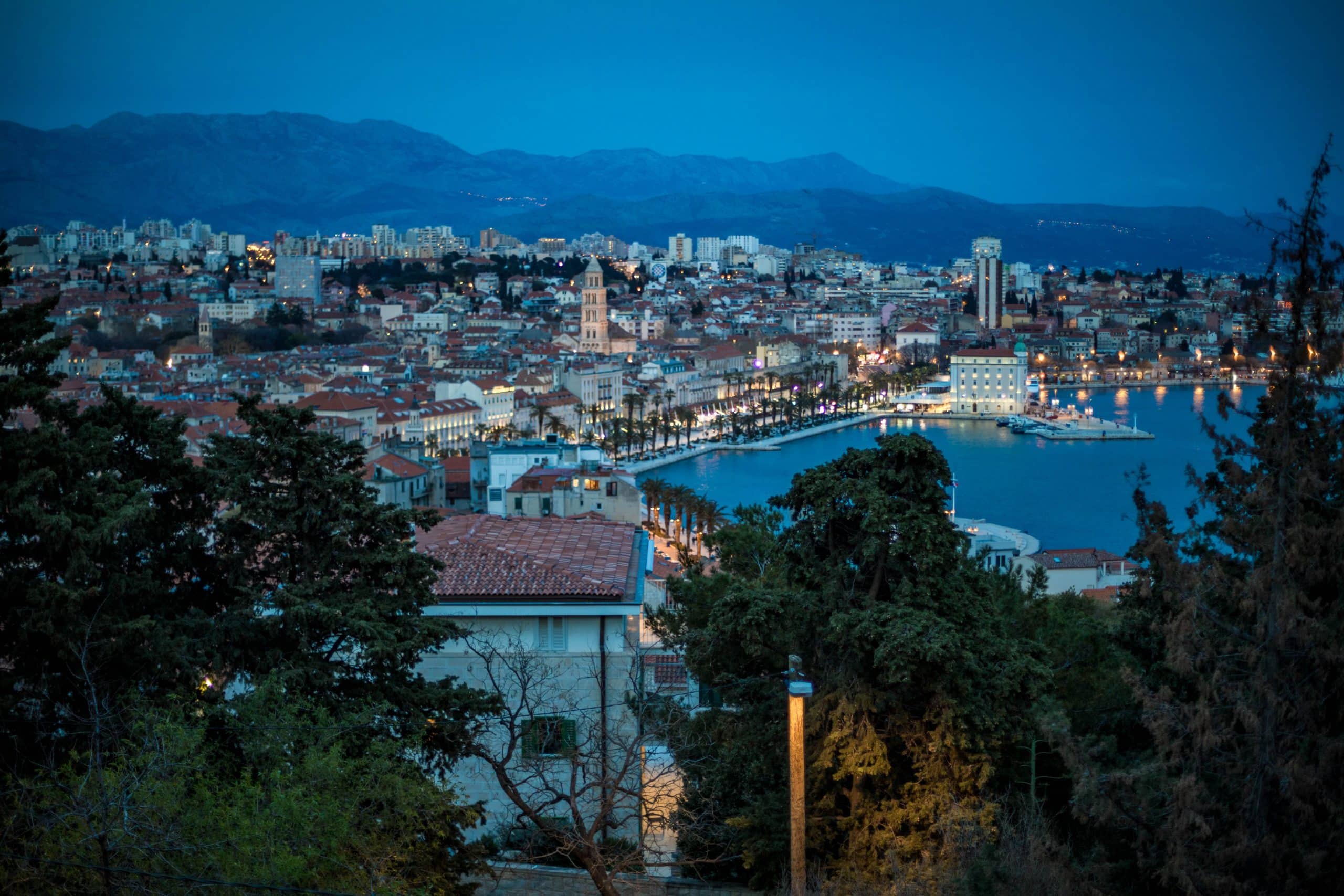
Valley Zadar, Croatia Coastal Base For Remote Work
Croatia supports the work from anywhere lifestyle with Digital Nomad Valley Zadar, a small village made for remote workers. It sits about thirty minutes from the old port city of Zadar. You can rent studios and two bedroom or three bedroom apartments for as little as two weeks. Life in the village is simple because you get a shared workspace, community events, and steady Wi‑Fi. Zadar Airport (ZAD) is a short drive away, which helps with quick flights and visa runs.
Short term living starts around $1,148 per month for a private apartment in the village. That price includes the coworking space, Wi‑Fi, and community events. Average internet speed is about 19 Mbps. The village has its own shared office, and there is one more coworking space in town.
Weather is pleasant from June to October, with the hottest days in August. Plan morning or evening outdoor time in summer. Bring a prepaid SIM or eSIM for backup data, learn a few local phrases, and use weekends for island trips and national parks.
Chiang Mai, Thailand Northern Hub For Digital Nomads
Chiang Mai in the north has grown quickly. New cafes, markets, and malls keep opening. The international airport connects you to Bangkok with short flights and some other regional routes. The cost of living is low for many people, and the food is great at every price point. You will likely arrive at Chiang Mai International Airport (CNX), which has many flights to the capital.
See the Best Travel Cards for Your Adventures
Tourists can enter, and stays longer than 30 days usually need a visa.
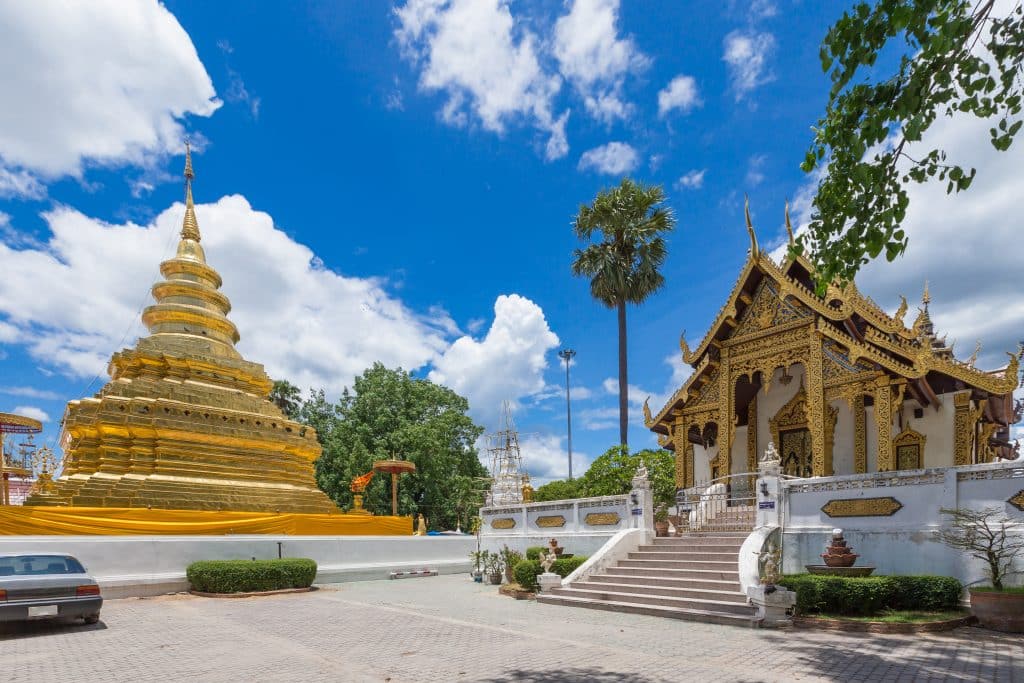
A short term budget is often around $998 per month for a place to stay, meals, and some fun. Long term living can be about $467 per month if you choose modest housing and eat local food. Typical internet speed is about 30 Mbps. You will find more than a dozen coworking spaces in the center, and many cafes welcome laptops during quiet hours.
Visit from November to February for cooler weather. Try to avoid the burning season from February to April if smoke bothers you. During that time, head to the southern islands for sea breezes and clear water. Join local groups to find month to month rentals, carry a light mask during smoky months, and keep small bills for markets and street food.
Georgia Remote Work Gateway In The Caucasus
Georgia, a country at the crossroads of Europe and Asia, launched a Remote from Georgia pathway. Thousands applied early on. The pathway allows visitors to live in the country while they work online or run a small business.
Short term living often costs about $1,232 per month for housing, food, and some leisure. Long term budgets can be between $274 and $760 per month depending on the area and your lifestyle. Average internet speed is about 13 Mbps. There are more than seventy coworking spaces in major cities, and many cafes are laptop‑friendly.
The best months to visit are May to June and September to October, when days feel warm and nights are comfortable. Consider staying in the capital for easy transit and language access. Use ride share or the metro when it is available, and take weekend trips to mountain towns. Tbilisi International Airport (TBS) offers year‑round flights to many regional hubs.
Ho Chi Minh City, Vietnam Big City Energy For Digital Nomads
Ho Chi Minh City, once called Saigon, is a top pick for remote workers in Southeast Asia. The weather is warm, the street food is amazing, and the online business community is large, which makes it easy to meet people and learn from others. Wi‑Fi is everywhere, and air‑conditioned cafes help you work during hot afternoons. Tan Son Nhat International Airport (SGN) has many domestic and regional routes for quick breaks.
Short term living is usually around $959 per month for a place to stay, meals, and some activities. Long stays can cut costs to about $528 per month with local rentals and market shopping. Internet speeds go up to about 13 Mbps. There are more than forty‑five coworking spaces across the city plus many cafes for laptop work.
The dry season is December to April. It is also the warmest time, with highs from the low 80s to the low 100s. Work early, rest in the afternoon, and return to work in the evening to avoid the hottest hours. Use delivery apps for groceries and meals, and carry a refillable water bottle so you stay hydrated.
Barbados Island Life For Remote Professionals
Barbados was one of the first places to roll out a full remote work option for visitors. The application asks for contact and ID details, a short job summary, an income statement, passport pages, and family papers for dependents. You also submit passport photos for adults in your group. Most visitors arrive at Grantley Adams International Airport (BGI), which is about a 30 minute drive from many coastal areas.
If your application is approved, you pay a fee. It is a nonrefundable $2,000 for a single person or $3,000 for a family group. Plan for higher living costs than in most other places on this list. A short term budget is about $3,886 per month including rent, food, utilities, and transport.
Typical internet speed is about 26 Mbps. There are two formal coworking spaces on the island, and many cafes welcome laptops. The months from July to November fall in the wider hurricane season, but direct hits are rare. Temperatures usually stay in the mid 70s to mid 80s all year.
To keep work smooth, pick housing with backup power and clear Wi‑Fi terms, shop at local produce markets to save money, and consider renting a car if you want to explore areas beyond the main resorts.
Playa del Carmen, Mexico Beach Town
Playa del Carmen gives you a relaxed beach town routine with easy access to gyms, fresh food, and day trips. Many remote workers like it because the center is walkable and the airport links are simple. Most travelers fly into Cancun International Airport (CUN), which is about an hour away, or into Cozumel International Airport (CZM) and then take a short ferry ride.
Short term living is usually about $1,345 per month for housing, groceries, and some entertainment. Longer stays can lower spending to around $900 per month if you get a local lease and live simply. Internet service averages about 10 Mbps. There are around eight coworking spaces in town, and many cafes welcome laptops during slower times.
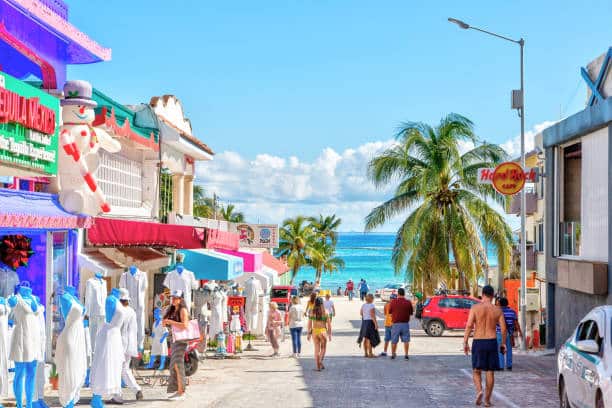
April and May are often the most comfortable months, with fewer visitors and temperatures around 70 to 80 degrees. Summer brings heat, humidity, and more rain. Choose a place to stay that lists fiber internet or shows recent speed tests. Check seasonal seaweed reports for beach days, and use a sturdy laptop lock if you work in busy public spaces.
Ready To Start Your Digital Nomad Journey
A fresh view can boost your energy and ideas, especially after long months at home. The cities and countries above are a starting point. Many digital nomads also like a large Colombian mountain city with spring like weather, a small island nation in the Mediterranean with stone towns, and the lively capital of Cambodia.
Find Cards with Exclusive Special Offers
Before you put your things in storage and head to the airport, use this quick checklist. Make sure your destination is open to remote workers. Look up entry rules, any quarantine steps, health insurance needs, and how long you can stay. Talk with a tax professional about rules in your home country and in your host country.
Last, protect your workday by choosing housing with strong internet and quiet spaces for calls, and build a simple routine that helps you focus. A steady routine is the real secret to making the digital nomad life work.
Join Our Free TheMilesAcademy Community
We built a friendly space where travelers like you share tips, compare neighborhoods, and swap reliable Wi‑Fi and housing leads. Inside, you can ask questions, get weekly guides, and learn smarter ways to stretch your travel budget while keeping work on track.
What you will find inside:
- City playbooks with seasonal advice, airport notes, and transit basics
- Cost of living trackers you can copy and use right away
- Packing lists and workday checklists for smooth travel days
- Live Q&A threads so you can get answers fast
Looking for the right card to support your travel plans? Try our free card finder tool to match your goals with a card type that fits your style and spending.
Join us today and start planning your next work‑from‑anywhere chapter with a supportive community at your back.
