

As more employers call teams back to physical offices, it can feel like the freedom era of working from anywhere is winding down. If you are among the many people in the United States who still work remotely, you can choose a more inspiring place to open your laptop each morning.
Picture quiet cafés in Berlin and Lisbon or a sunny shoreline in Uruguay or Malta. With an expanding list of countries offering formal options for international remote workers, it is easier than ever to relocate without giving up your current role or schedule. Just remember to meet your work commitments and keep time zones in mind.
Permissions designed for remote workers often function like extended stays for visitors. Most allow six months to one year. Some popular destinations for United States citizens have seen local debate around housing costs, yet many governments actively compete for global talent and the economic activity that follows. That keeps pathways accessible when you know where to apply. Each country has its own rules and nuances, so we looked to a 2025 comparative report from a mobility consultancy that examines residence pathways and long stays for remote professionals.
That 2025 analysis ranks strong choices for people based in the United States, with clear notes on who qualifies and how to apply. The scoring weighs the application process, potential routes to longer residence, travel access, tax positioning, local economics, quality of life, and the technology and innovation climate. Europe continues to lead, and new standouts in South America and the Middle East enter the top ten. Below you will find the ten highest rated options for applicants from the United States. Always verify the latest government requirements before you apply.
1. Spain

Spain takes the top spot because it blends lifestyle, access, and straightforward rules for remote workers. The current minimum income requirement is $3,253 per month, which equals twice the national minimum wage. Approved applicants receive permission to live in the country for one year with the option to extend up to five years. The core application fee is about $88. You should also plan for added costs such as translation services and the Foreigner Identity Number, which is around $11.46. You must hold health insurance that is valid in Spain.
Strengthen your file with recent bank statements, proof of remote employment or self employment, and a rental agreement or housing letter. Test internet speeds in your chosen neighborhood and plan for local registration steps soon after arrival. For taxes and longer timelines, consult a qualified professional so you understand any obligations.
2. The Netherlands

The Netherlands is one of the best bases for people from the United States who work for themselves, even though there is no dedicated digital nomad category. You can apply for a long stay as a self employed worker, independent entrepreneur, or freelancer. The residence permission commonly used for this path is valid for three years with a possible extension. During that time you are treated as a resident for regulatory purposes, which includes paying local taxes and following registration rules.
Eligibility relies on a point system that reviews three areas. Authorities weigh your personal experience, your business plan, and the value you add to the national economy. Each section can earn up to 100 points for a total of 300. You must reach at least 90 points, with a minimum of 30 points in each area. Build a concise portfolio of past work, client references, and revenue projections. A short market analysis that explains your niche can also help.
3. Uruguay
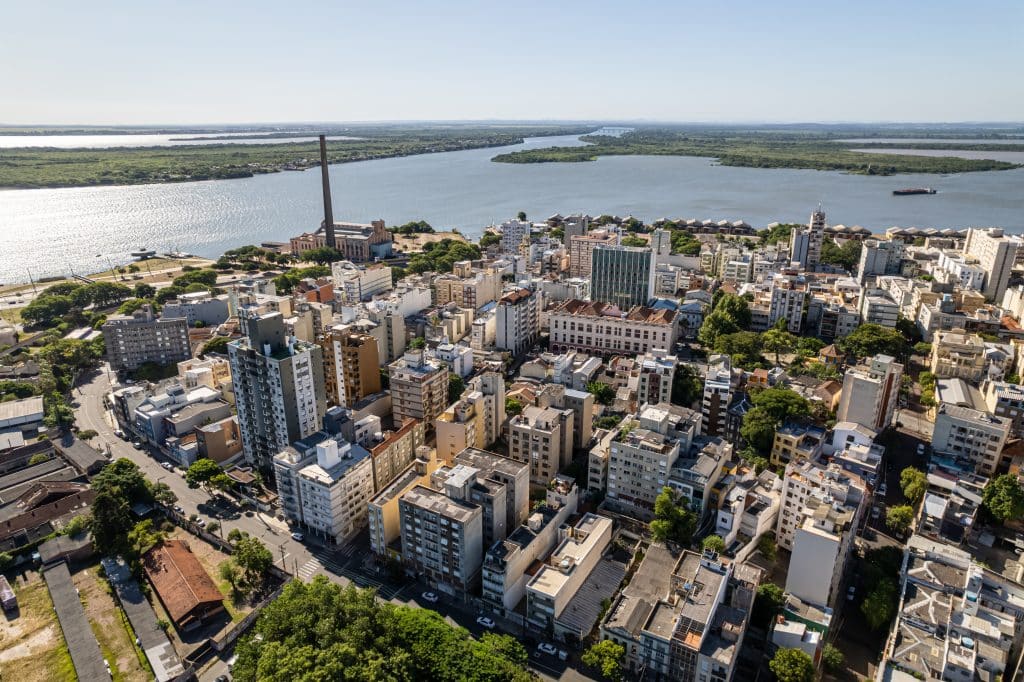
Uruguay is quickly rising as a friendly option for remote professionals. A new pathway launched this year grants an initial stay of six months with the option to extend to a total of one year. The process is simple. Enter as a visitor, then complete an online application. Instead of strict income screening, you sign an affidavit stating that you can support yourself and you present proof of vaccinations.
Plan your first weeks with short term housing while you evaluate neighborhoods for reliable internet. Budget for private health coverage if needed and keep digital copies of all documents. On arrival, obtain any local identification numbers required for utilities, mobile service, or housing contracts.
4. Canada

Moving to Canada is convenient for people from the United States because of proximity and clear guidance. There is no separate digital nomad category. Instead, you can live there and work remotely for a foreign employer under a visitor permission. The application fee is 100 Canadian dollars, about $72, per person. The initial stay is six months and you can renew as long as you remain eligible. If you keep working only for an employer outside the country, you do not need a local work authorization.
Carry a letter from your employer and recent pay statements that show your job sits outside Canada. Track how much time you spend in the country for tax purposes and consider private health coverage for longer stays. Internet and mobile plans differ by province, so compare providers before you sign.
5. Czechia

Czechia enters the top ten with a focused route for specialists in technology and marketing. This pathway lets qualified professionals live and work for up to one year. Citizens from a defined list of countries, including the United States, can apply. Core requirements include monthly income of at least $3,360 and a minimum of three years of higher education or professional experience in information technology or marketing. You can arrive as a visitor and complete your application within 90 days.
Prepare a skills portfolio, a resume with recent projects, and letters that confirm ongoing remote work. Families often find the process to accompany the main applicant straightforward. If you aim to stay longer, start reviewing the steps toward extended residence early.
6. Portugal

Portugal offers one of the most popular programs in the European Union for remote workers. Permission to stay is issued for one year and can be renewed up to four times. The application fee is around $89. The residence card adds roughly $78. You must meet an income minimum of $3,511 per month, carry valid health insurance, present a clean criminal record, and show proof of accommodation.
Line up a lease or a hosted stay agreement that covers your first months since housing proof is often required. Many applicants open a local account and obtain a tax number to simplify everyday tasks. Cities like Porto and Lisbon provide strong communities for entrepreneurs and creatives, while smaller towns offer lower costs and more space.
7. France

France does not have a dedicated digital nomad category, but it offers two primary routes for long stays. The first is a long stay permission that allows you to remain for three months to one year. You need to show steady income from a foreign source with recent bank statements, suitable housing, comprehensive health insurance, and a promise not to take a local job. The second route is a self employed or freelancer permission. You must demonstrate freelance income that meets the national hourly minimum, register with the business registry, and keep valid health coverage for the entire stay.
Keep the process smooth with a housing letter, proof of contracts, and a clear appointment schedule. If you plan to travel around the country, factor in transport costs and consider rail passes for savings. Smaller towns beyond the major cities can provide a calmer pace and good co working options.
8. United Arab Emirates (UAE)

If you can handle higher living costs, this Gulf destination offers one of the clearest one year options for remote workers. The Virtual Work Residence path requires income of at least $3,500 per month for self employed applicants or $5,000 per month for company employees. After approval, you can bring family members, which is a notable benefit. The application fee is around $287. You also need medical insurance that is valid in the country and it can be expensive, but coverage typically includes access to extensive private facilities.
Confirm health insurance start dates before you arrive. Book flexible housing for your first month while you explore neighborhoods. Budget for deposits on utilities and mobile service. Many districts offer excellent co working spaces and strong transport links that make daily life easy. The tax setup can be appealing for some remote workers, but get advice on any obligations in your home country.
9. Germany

Germany does not label its pathway as a digital nomad visa, but its freelance and self employed permissions are strong alternatives. They can cover up to three years, one of the longest terms in this list. You can enter as a visitor and then apply. There is no official minimum income, although a practical guideline is about 2,000 euros per month, roughly $2,360, to meet living costs. During your stay, you can move freely throughout the broader travel area that includes neighboring countries.
Berlin and other major cities host large international communities, creative hubs, and many co working spaces. Appointments for registrations can book out quickly, so schedule early and keep cloud copies of every document. If you plan multi year stays, research health coverage requirements and local tax rules well in advance.
10. Malta

This Mediterranean archipelago delivers a streamlined route for remote professionals from the United States. You must prove that your job can be done fully online, provide a clean background check and criminal record, hold valid health insurance and travel documents, and secure accommodation. The income threshold is $45,233 per year. The application costs $323 and the residence card adds about $30.
Because the islands are compact, compare internet providers and commute times before you sign a lease. Many applicants spend their first weeks in flexible housing while they explore different neighborhoods. Bring notarized copies of key documents and store digital backups to speed up any in person appointments.
Join Our Free TheMilesAcademy Community
You do not have to plan your remote work move alone. We built a free community where travelers like you share real world visa timelines, neighborhood tips, co working reviews, and budget strategies that keep remote life sustainable. We swap playbooks on booking award flights, stretching points in airline loyalty programs, choosing traveler friendly accommodations, and staying productive across time zones. If you want help turning these digital nomad options into a step by step plan, join us and learn from people who are already living this life.
To speed up your next move, use our free card finder tool. It helps you compare general purpose travel cards by features that matter for remote workers, such as travel protections, points earning categories, and airport lounge access. You can filter by goals like building a flexible points balance or reducing out of pocket travel costs. Try it alongside our community checklists and you will be ready to pick a destination, map a budget, and book smarter.
We are excited to welcome you. Join our free TheMilesAcademy community today and explore the resources that will help you build a location independent lifestyle with confidence.