
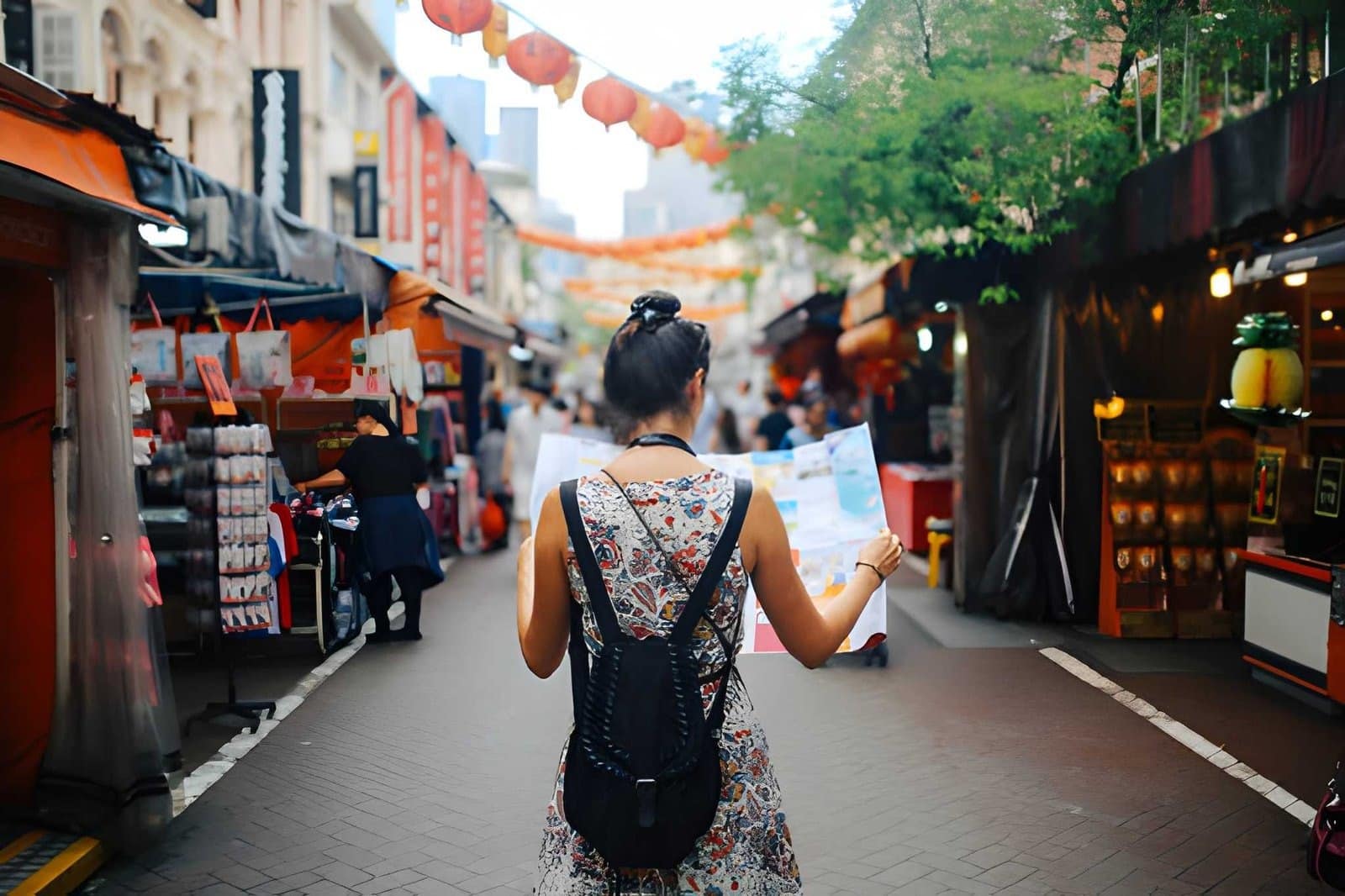
Travel across Asia has shifted in a noticeable way. Prices, access, and day-to-day ease now matter just as much as landmarks. Some cities feel smoother to navigate, others stretch your budget further, and a few are simply easier to enter than they were a few years ago.
After years of routing trips across this region, these are the cities that currently give you the strongest mix of value, access, and experience.
Why Shanghai Feels Easier Than Before

Shanghai used to require more planning before arrival. That friction has dropped, and it shows the moment you land.
Getting around is straightforward. The metro system covers most neighborhoods you’ll visit, and ride apps fill in the gaps without confusion. You can move across the city quickly without needing to study routes in advance.
Food is where the value stands out. A full meal at a neighborhood spot often costs less than a basic café visit in cities like London or New York. Even mid-range dining stays reasonable compared to other major hubs.
The pace is fast, but not chaotic. You can cover a lot in one day without feeling rushed.
Why Bangkok Still Works for Almost Everyone
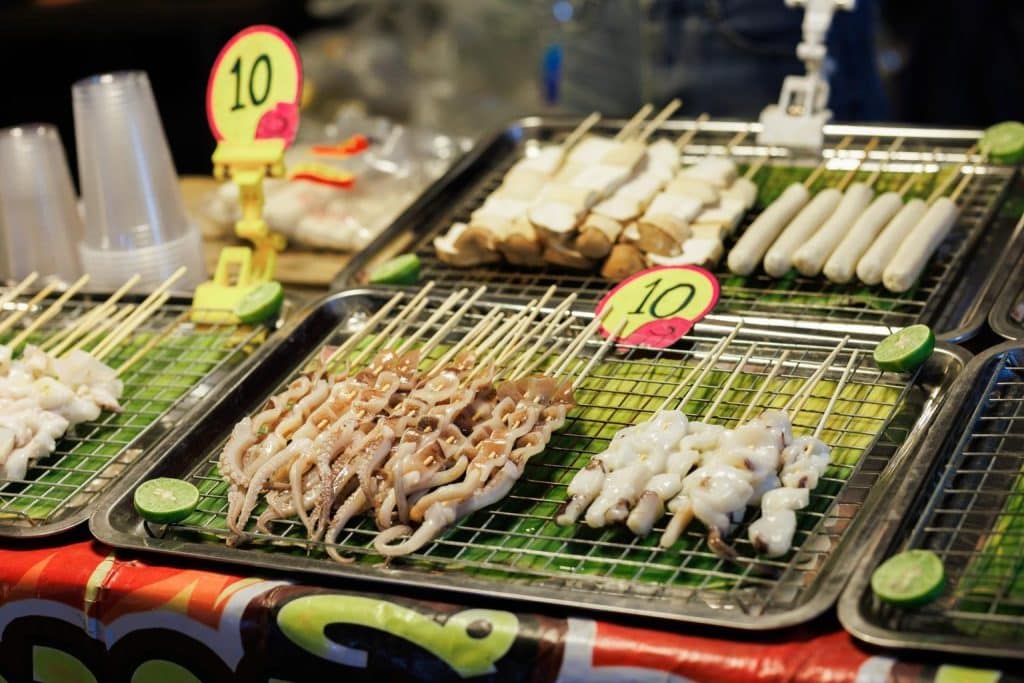
Bangkok remains one of the easiest cities to enjoy without overthinking anything.
Food is available at every price point, and quality doesn’t drop when you spend less. A simple street meal can outperform a restaurant in another country charging three times as much.
Accommodation gives you flexibility. Budget stays are clean and practical, while mid-range hotels often feel like upgrades for the same price you’d pay elsewhere.
Traffic can slow things down, but once you mix trains with short rides, the city becomes manageable. The payoff is a place where you can fill your day without draining your budget.
Why Seoul Feels More User Friendly Now
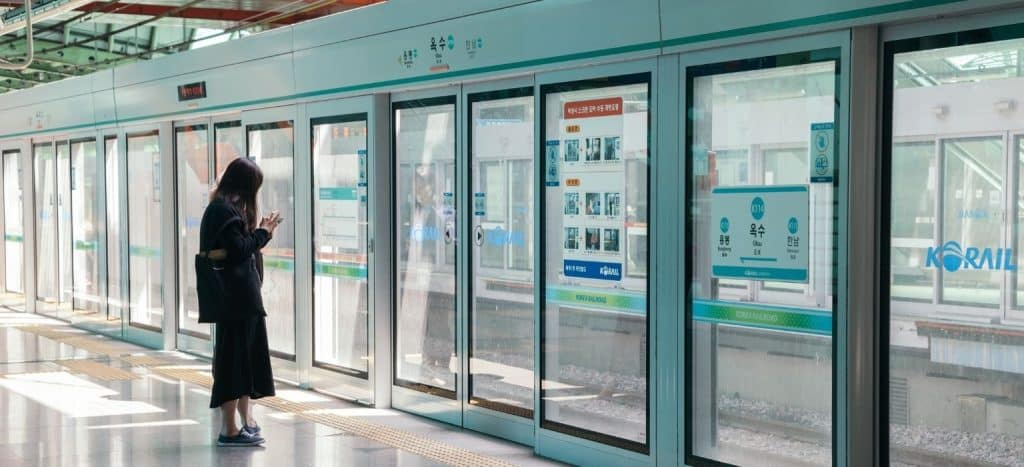
Seoul has become easier to navigate over time, especially for first-time visitors.
Public transport is reliable and clearly mapped. You can move between neighborhoods without guessing, and transfers are simple once you’ve done them once or twice.
Food options have expanded. Traditional meals are still strong, but there’s now a wider mix of casual dining, bakeries, and late-night spots that fit different routines.
Prices are climbing, but they’re still below what you’ll find in Tokyo for similar experiences. That balance makes Seoul a strong choice for longer stays.
Why Tokyo Still Rewards Planning
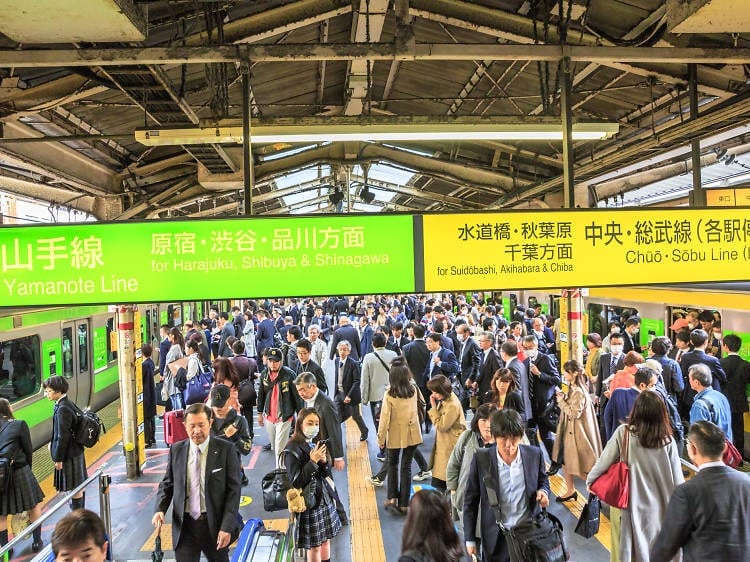
Tokyo operates on precision. Once you understand that, everything becomes easier.
Trains run on schedule, connections are predictable, and routes stay consistent. If you map your day properly, you’ll move through the city with very little friction.
Food remains one of the strongest reasons to visit. You can spend heavily at a high-end counter or eat well at a small neighborhood spot for a fraction of the price.
It’s not the cheapest stop on this list, but it delivers consistency that reduces wasted time.
Why Hong Kong Makes Short Trips Efficient
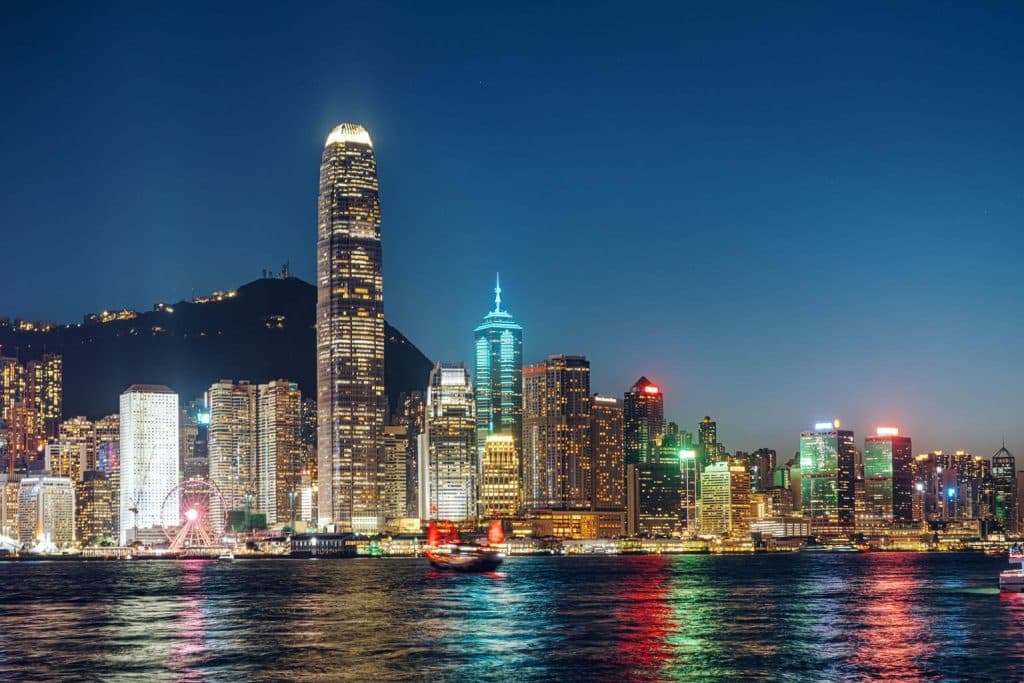
Hong Kong works best when time is limited.
Distances are short, and transport is fast. You can cover multiple neighborhoods in a single day without long transit times.
Food is concentrated and easy to access. You’ll find everything from traditional dim sum to modern dining within a few blocks.
Costs are higher than most Southeast Asian cities, but for shorter stays, the efficiency offsets that.
Why Singapore Removes Travel Friction
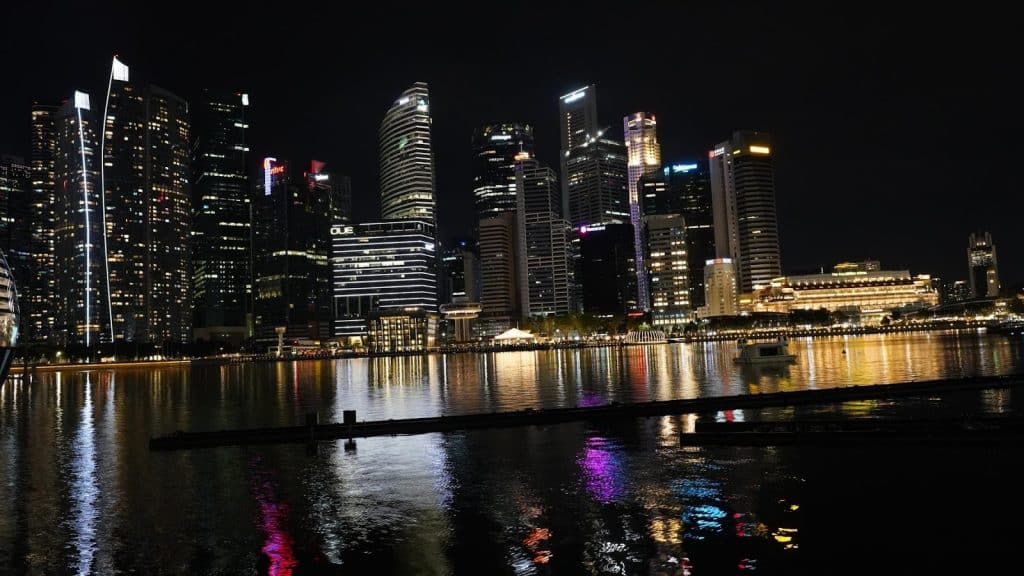
Singapore is structured in a way that makes travel simple.
Transport is clean and consistent. You don’t spend time figuring out routes or dealing with delays.
Food stays accessible through hawker centers, where meals are affordable despite the city’s overall cost level.
It’s not a place to chase low prices, but it saves time and effort in ways that matter when your schedule is tight.
Why Hanoi Stretches Your Budget Further
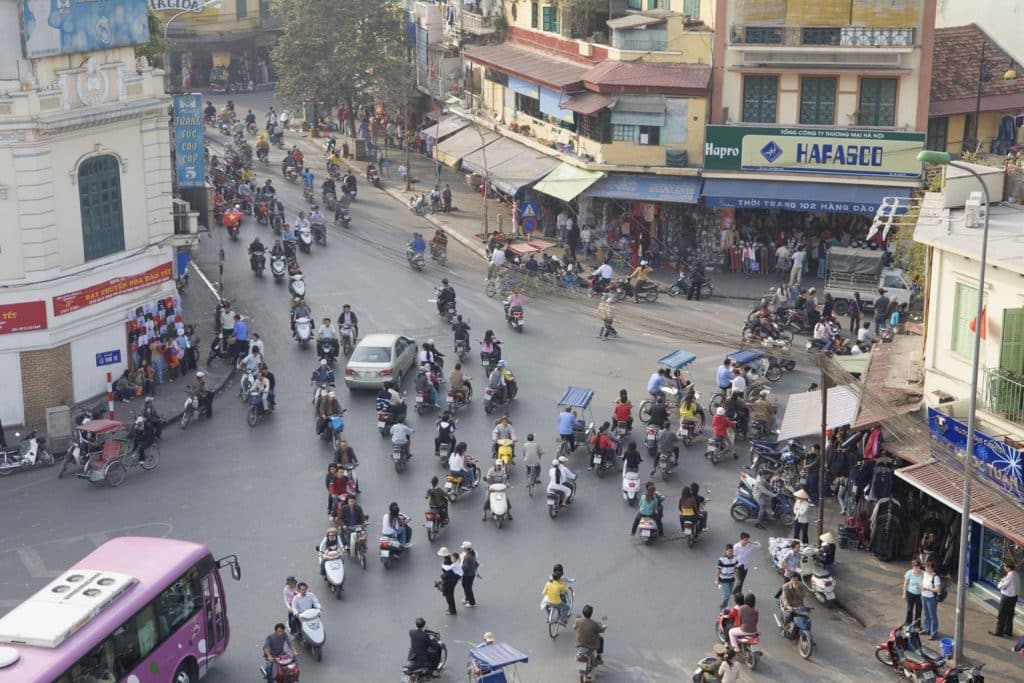
Hanoi gives you strong value without cutting corners on experience.
Street food is central to daily life. Meals are quick, inexpensive, and widely available across the city.
Traffic looks intense at first, but it follows a rhythm. Once you adjust, walking becomes easier than it seems.
Accommodation and daily costs stay low, which makes Hanoi one of the better choices for longer trips on a fixed budget.
Why Beijing Requires More Planning but Pays Off
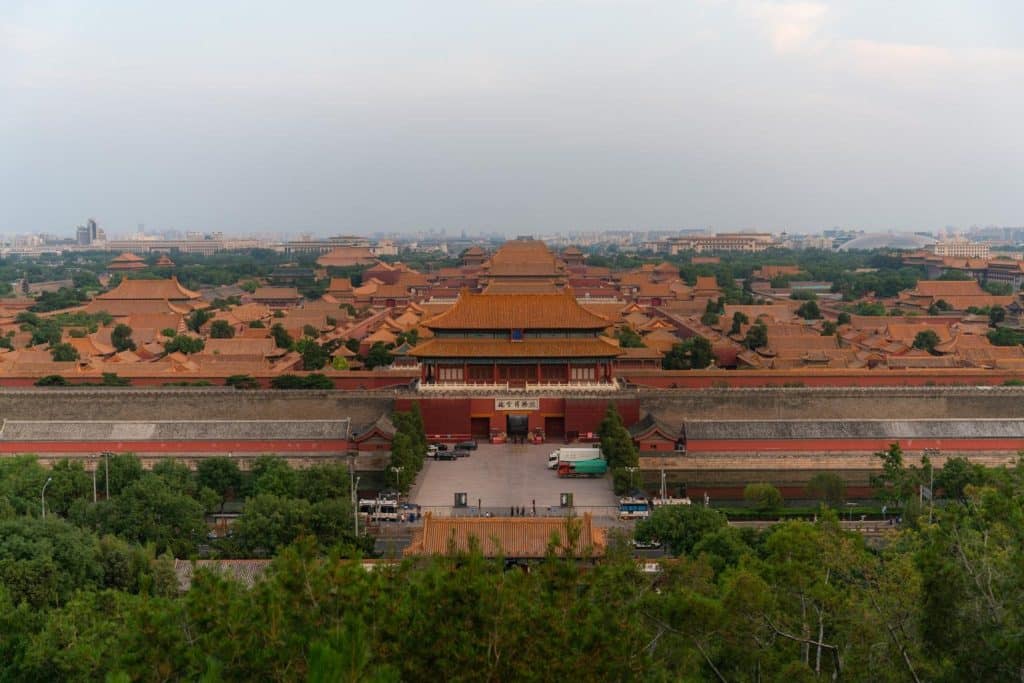
Beijing operates on a larger scale than most cities here.
Distances between landmarks are significant, which means planning your routes matters more. You can lose time if you underestimate travel between sites.
What you gain is depth. Historical areas, cultural sites, and modern districts all sit within reach if you structure your day well.
Costs vary depending on location, but they remain manageable compared to other global capitals.
Why Chiang Mai Works for Slower Travel

Chiang Mai offers a different pace from larger cities.
The layout is compact, which reduces time spent moving between places. You can cover most areas without long commutes.
Living costs stay low, especially for accommodation and food. This makes it a practical option for longer stays. It’s less about constant movement and more about steady, comfortable travel days.
Why Ho Chi Minh City Rewards Short Active Trips
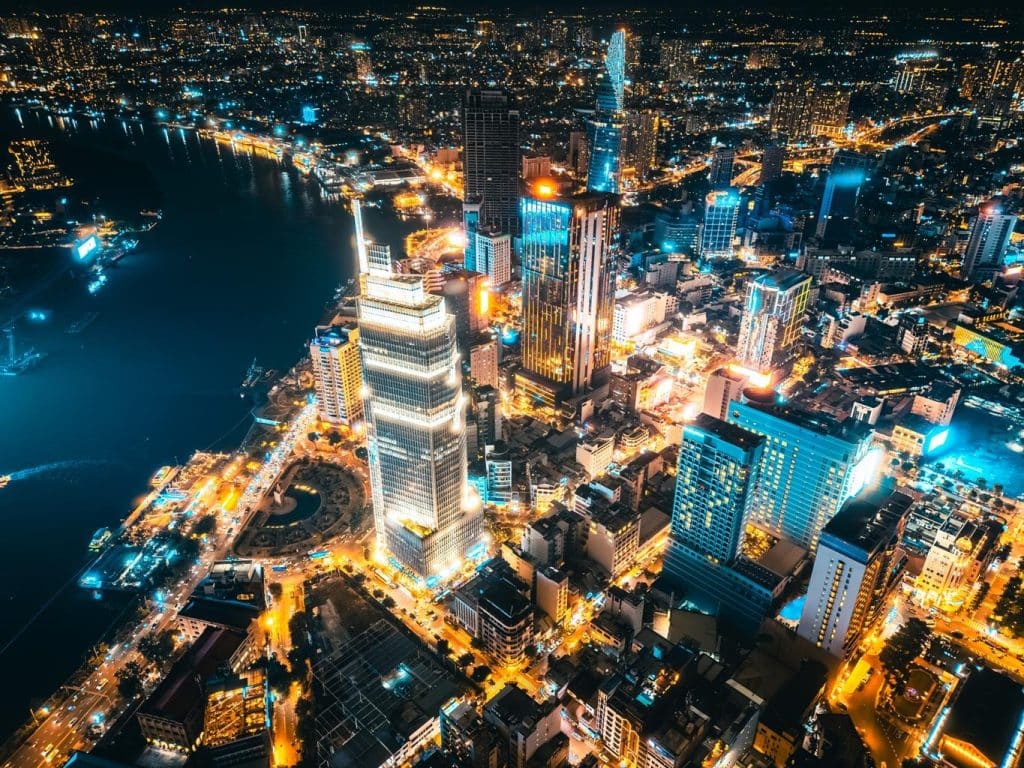
Ho Chi Minh City moves quickly, and your approach needs to match that.
Traffic is dense, but it flows. Once you understand how to navigate it, getting around becomes easier.
Food remains a strong draw. You’ll find a wide mix of local dishes and modern dining across different neighborhoods.
It works best for shorter stays where you keep your days active and structured.
Why Osaka Feels More Approachable Than Tokyo
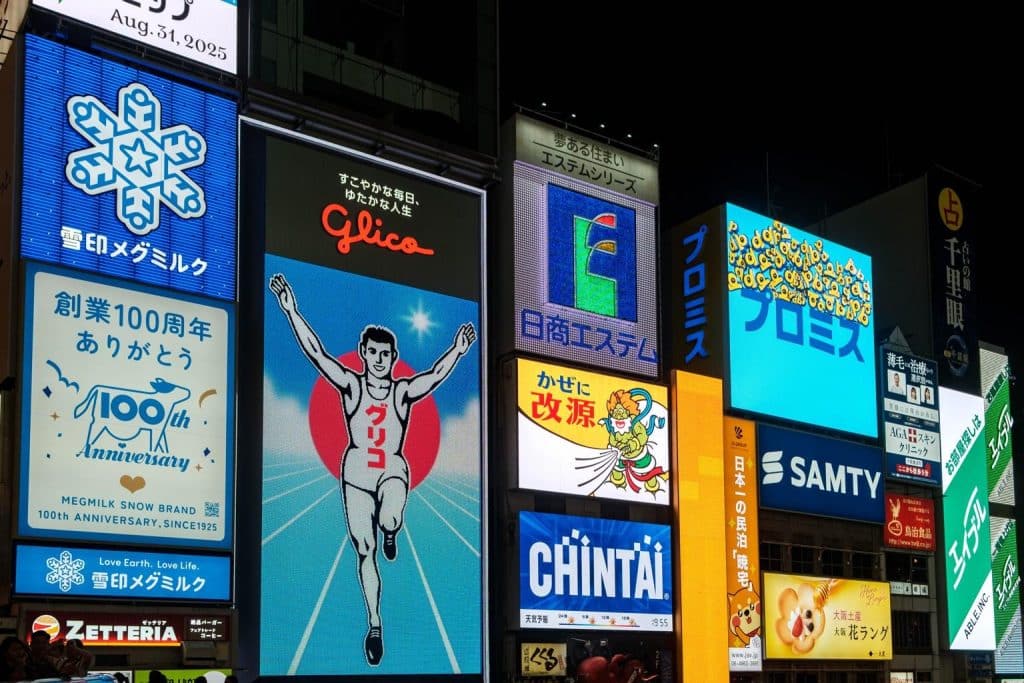
Osaka is easier to settle into than Tokyo, especially if it’s your first visit to Japan.
The city is more compact, and key areas are close together. You spend less time navigating and more time exploring.
Food is central here. Street stalls and casual restaurants are part of daily life, and prices are often more reasonable than in Tokyo.
It’s a strong choice if you want energy without the complexity of a larger city.
How to Pick the Right City for Your Style
If your priority is efficiency, cities like Tokyo and Singapore reduce friction and keep your days structured.
If you want your budget to last longer, places like Hanoi, Bangkok, and Chiang Mai offer strong value without cutting back on experience.
If you prefer fast-moving cities with constant activity, Shanghai and Seoul give you that pace without becoming difficult to navigate.
The best choice comes down to how you travel. Some cities reward planning, others reward flexibility. Knowing which one fits your style makes the difference.
Match The City To Your Travel Strategy
Asia rewards travelers who think ahead. The right routing, timing, and positioning can stretch your budget, reduce friction, and improve the entire experience.
Inside the community, we break down how to structure multi-city trips, choose the right hubs for connections, and decide when to pay cash versus use points across Asia.
If you want a travel Card setup that earns flexible rewards on international flights and helps offset rising airfare to these cities, compare options using the smart card match tool and align your earning strategy with how you actually travel.
The destination matters. Your booking system matters more.