

Redeye flights trade comfort for efficiency. You give up a normal night of sleep in exchange for arriving earlier, paying less, or squeezing more out of a short trip. Sometimes that trade works. Other times, it quietly ruins the first day of your trip.
The key isn’t liking or hating redeyes. It’s knowing when they help and when they hurt.
What Actually Makes A Flight A Redeye
A redeye isn’t defined by the clock alone. It’s defined by what it replaces.
If a flight takes the place of a normal night of sleep and forces you to function the next day on partial rest, it fits the bill. That usually means evening departures with morning arrivals, but not always.
Very early morning departures can have the same effect. Ultra-long flights that cross multiple time zones can disrupt sleep even if they leave during daylight. What matters is whether your body loses its usual recovery window.
That’s why people argue about definitions. The impact depends on your routine, your sleep habits, and how quickly you recover.
Why Airlines Lean On Overnight Flights
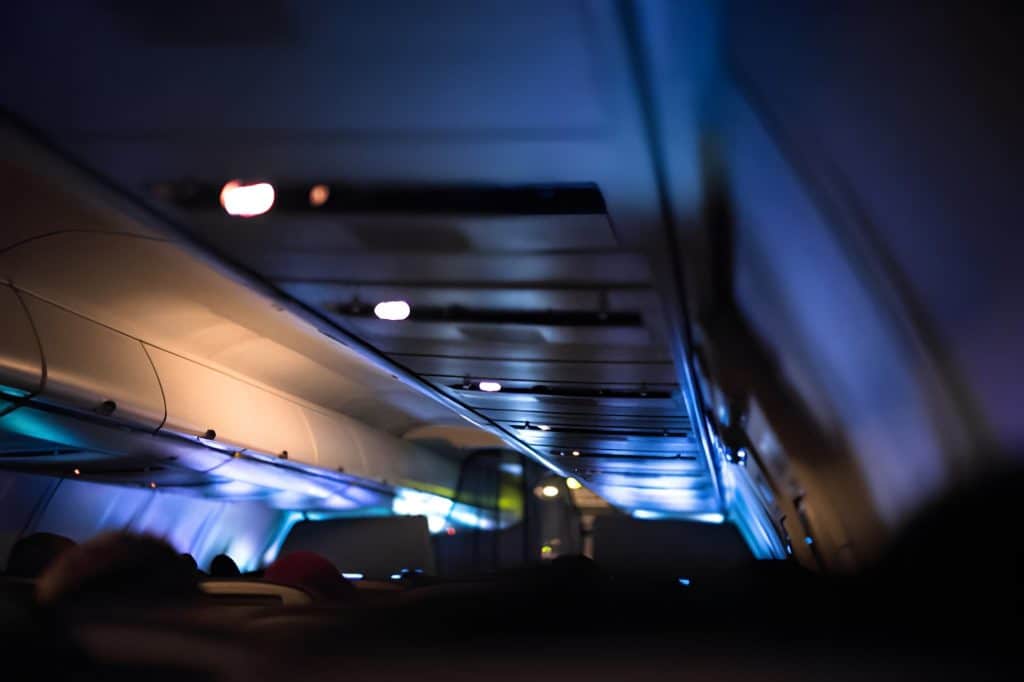
Redeye flights exist because they keep planes moving. Aircraft earn money only when they fly, not when they sit overnight at the gate. Overnight schedules allow airlines to serve long nonstop routes and increase daily utilization.
For travelers, that often means more nonstop options and lower prices. Many coast-to-coast and long-haul routes simply wouldn’t exist without overnight timing. In some markets, a redeye isn’t a preference. It’s the only nonstop choice.
When Redeyes Are Hard To Avoid
Some trips leave little room for choice. Nonstop flights from the West Coast to the East Coast often run overnight in one direction. Many international routes rely on overnight timing to line up with daytime arrivals and onward connections.
You can avoid the redeye by adding a stop and an overnight hotel stay, but that usually costs more time, more money, and more hassle. In those cases, the overnight flight becomes the practical option, not the ideal one.
The Practical Upside of Flying Overnight
Redeye flights do offer clear advantages when conditions line up.
- They can extend short trips. Leaving late and arriving early can turn a two-day trip into something that feels longer.
- They may cut lodging costs. An overnight flight can replace a hotel night, especially if your plans allow flexibility on arrival.
- They’re often cheaper. Many travelers avoid overnight flights, which pushes demand and prices down.
- They reduce connection risk. Nonstop overnight flights eliminate missed connections and simplify logistics.
For travelers who can rest enough to function, those benefits are tangible and sometimes decisive.
How Age And Purpose Change The Math
Tolerance for redeyes changes over time. Many people handle them easily when younger, recovering quickly with little fallout.
Later on, recovery takes longer. Sleep quality matters more. Losing a night affects focus, patience, and enjoyment.
Purpose matters too. A redeye before a beach day feels different than a redeye before meetings, driving, or guided tours. The same flight can feel manageable or miserable depending on what comes next.
The Physical Cost You Pay Later
The downside shows up in your body, not on the booking page.
- Sleep loss compounds quickly. Even decent rest in a seat rarely matches a full night in a bed.
- Arrival timing creates awkward gaps. Morning arrivals often beat hotel check-in, while late departures force early check-out.
- Time zone adjustment becomes harder. Overnight flights can make sleep schedules harder to reset, especially when traveling east.
- Traveling with kids magnifies the challenge. Fatigue shows up fast and affects everyone’s mood.
These costs don’t always feel dramatic at first, but they shape the entire first day.
When An Overnight Flight Still Makes Sense
Redeye flights aren’t automatically bad. They make sense in specific situations.
- They work on long international routes where overnight travel is standard and alternatives don’t exist.
- They can be acceptable when jet lag is unavoidable anyway and the timing doesn’t change recovery much.
- They’re tolerable when you can rest properly in the air and keep the arrival day light.
- They help on very short trips where maximizing destination time matters more than comfort.
What usually isn’t worth it is a domestic overnight flight that leaves you foggy until mid-afternoon.
How To Reduce The Damage

Here are practical ways to limit the impact of a redeye without letting it derail your trip.
Adjust Sleep Before Departure
If you book a redeye, preparation matters more than optimism, and small changes add up. Shift your sleep schedule slightly in the days before departure to soften the shock. Going in partially adjusted reduces the strain of forcing rest at the wrong hour.
Redefine Sleep Expectations
Treat the flight as controlled rest, not perfect sleep, and remove the pressure to fully reset onboard. Even partial rest helps more than forcing full sleep in an unnatural environment. Letting go of expectations makes whatever rest you get more effective.
Plan a Low-Demand Arrival Day
Plan arrival day activities conservatively and assume your energy will be uneven. Leave room for rest, food, and movement instead of stacking commitments. A lighter schedule prevents early fatigue from compounding.
Use Ground-Based Recovery Options
Use early-access options like lounges or day-use rooms when available to bridge awkward arrival times. These spaces give you a buffer before check-in or meetings. A short reset on the ground often matters more than the flight itself.
Support the Body in Transit
Hydration, light meals, and stretching matter more on overnight flights than daytime ones. Small physical resets help circulation and alertness. Consistency with basics keeps fatigue from escalating.
Focus on Damage Control
These steps won’t make the flight comfortable, but they can keep it from derailing the trip. The goal is stability, not perfection. Managing the downside protects the rest of your itinerary.
The Bottom Line On Redeye Flights
Redeye flights are tools, not shortcuts. They can save time and money, but they extract a physical cost that becomes more noticeable with experience. Sometimes that trade is worth it. Often it isn’t.
The smartest approach isn’t to swear them off or chase them aggressively. It’s to judge each one by what you need to do the day you land. When you plan around that question, the right answer usually becomes clear.
Decide On Redeyes Before They Decide For You
Redeye flights only work when they fit what you actually need to do after landing. Inside The Miles Academy, travelers break down when overnight flights save a trip and when they quietly wreck the first day, so you can choose based on outcomes, not optimism.
When you’re comparing flights, timing, and everyday travel spending, this card finder tool helps narrow options quickly without turning planning into guesswork.
